
research note
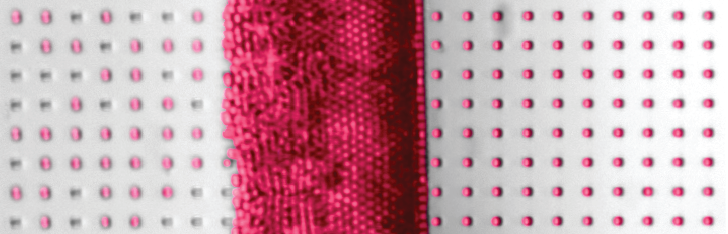
IceCAPA: patterning particles and microorganisms at a freezing front
This paper addresses the challenge of precisely patterning micro- and nano-scale particles and biological cells on diverse substrates, which is important.
research note
This paper addresses the challenge of precisely patterning micro- and nano-scale particles and biological cells on diverse substrates, which is important.
research note
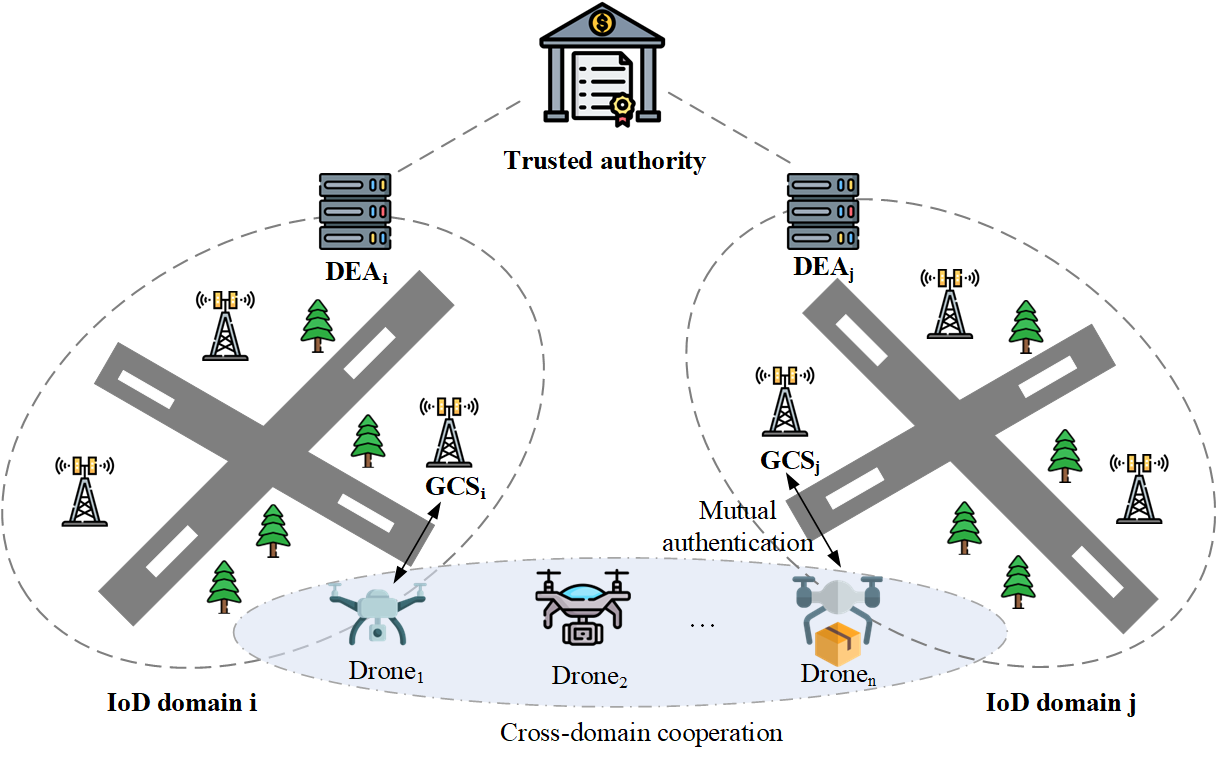
This paper addresses the critical challenge of cross-domain authentication in the Internet of Drones (IoD), where drones must securely and privately.

research note
AdvancedMathBench addresses a critical gap in evaluating large language models (LLMs) on advanced mathematical reasoning, particularly natural-language.

research note
The Ardua mission concept addresses the longstanding astrophysical problem of the circumgalactic medium (CGM), the multiphase gaseous halo surrounding.

research note
This survey paper addresses the integration of automatic speech recognition (ASR) technologies within robotic systems, a critical enabler of natural and.
research note
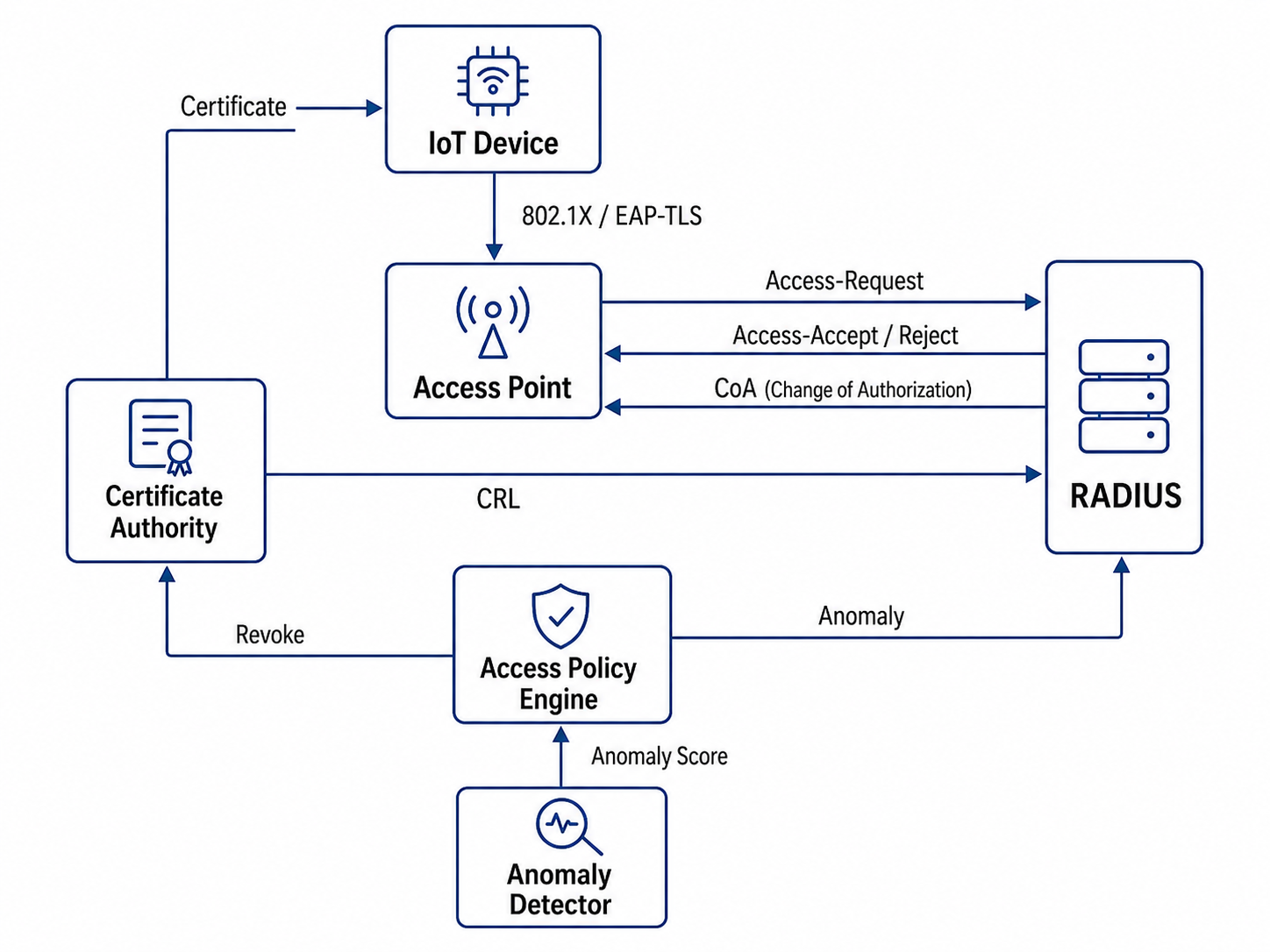
This paper addresses a key gap in IoT security: while network-based anomaly detection for IoT devices has achieved strong accuracy, most systems stop at.
research note
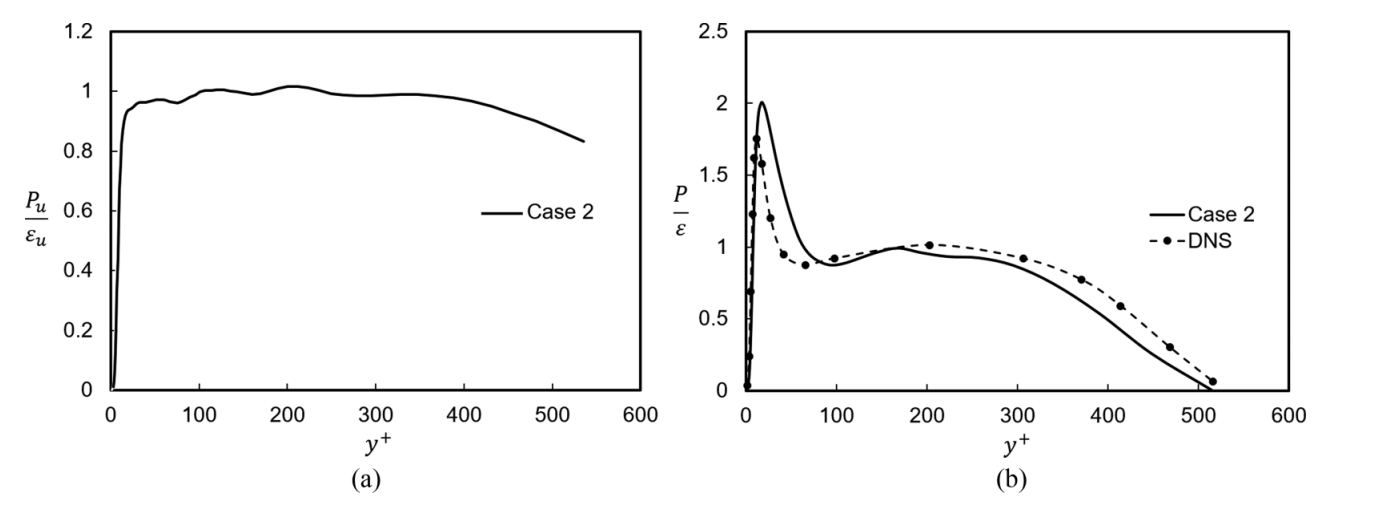
This paper addresses the longstanding challenge of understanding and modeling fluid turbulence, focusing on the emergence of macroscopic coherent.
research note
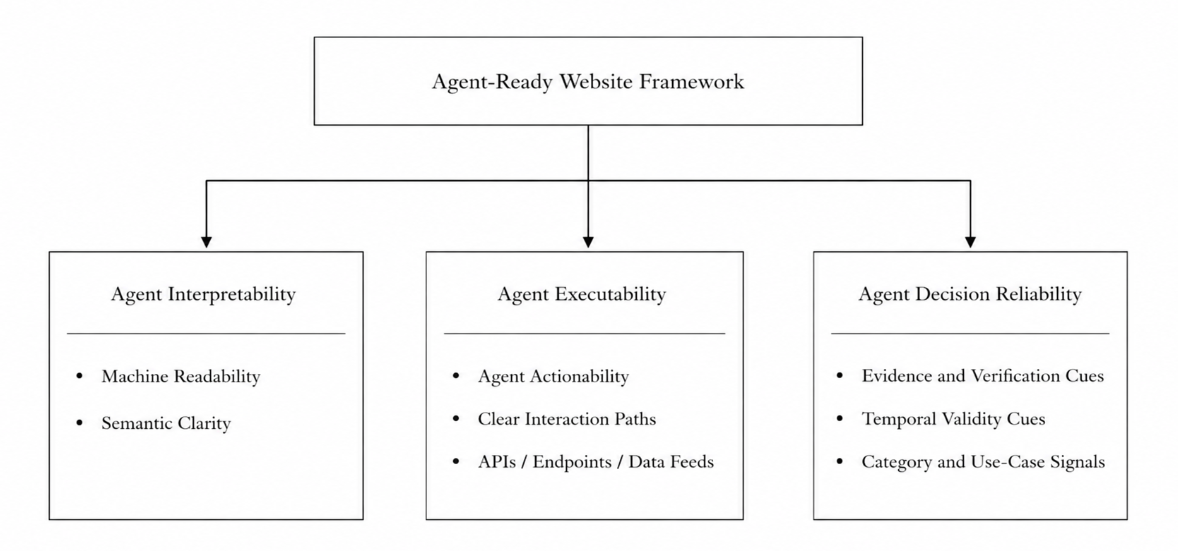
This paper addresses the emerging shift in e-commerce where AI web agents autonomously interact with websites to complete tasks such as product search.
research note
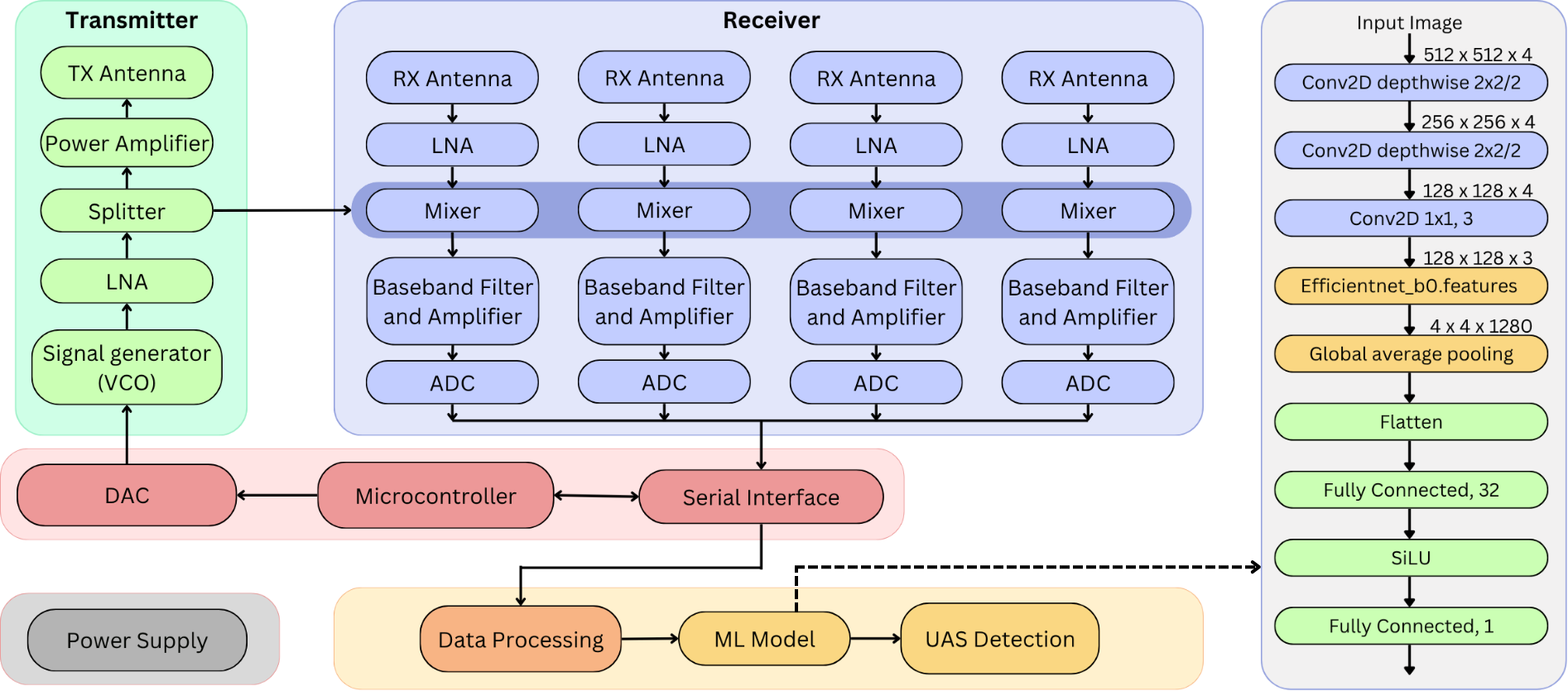
This paper tackles the challenging problem of detecting small unmanned aerial systems (sUAS) in dense urban and indoor environments, where line-of-sight.
research note
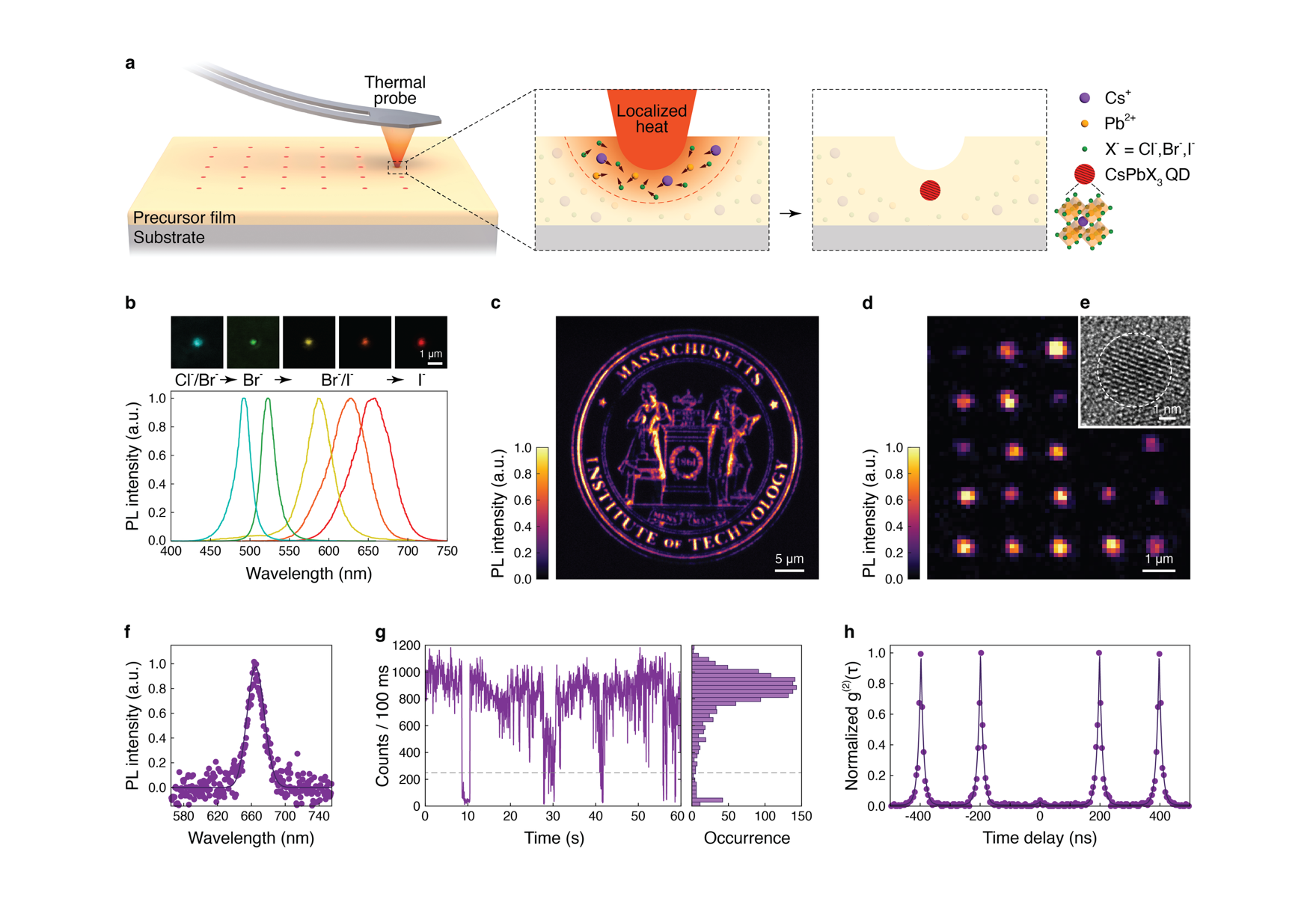
This paper addresses a critical challenge in scalable quantum photonic technologies: deterministic, site-selective integration of individual high-quality.
research note
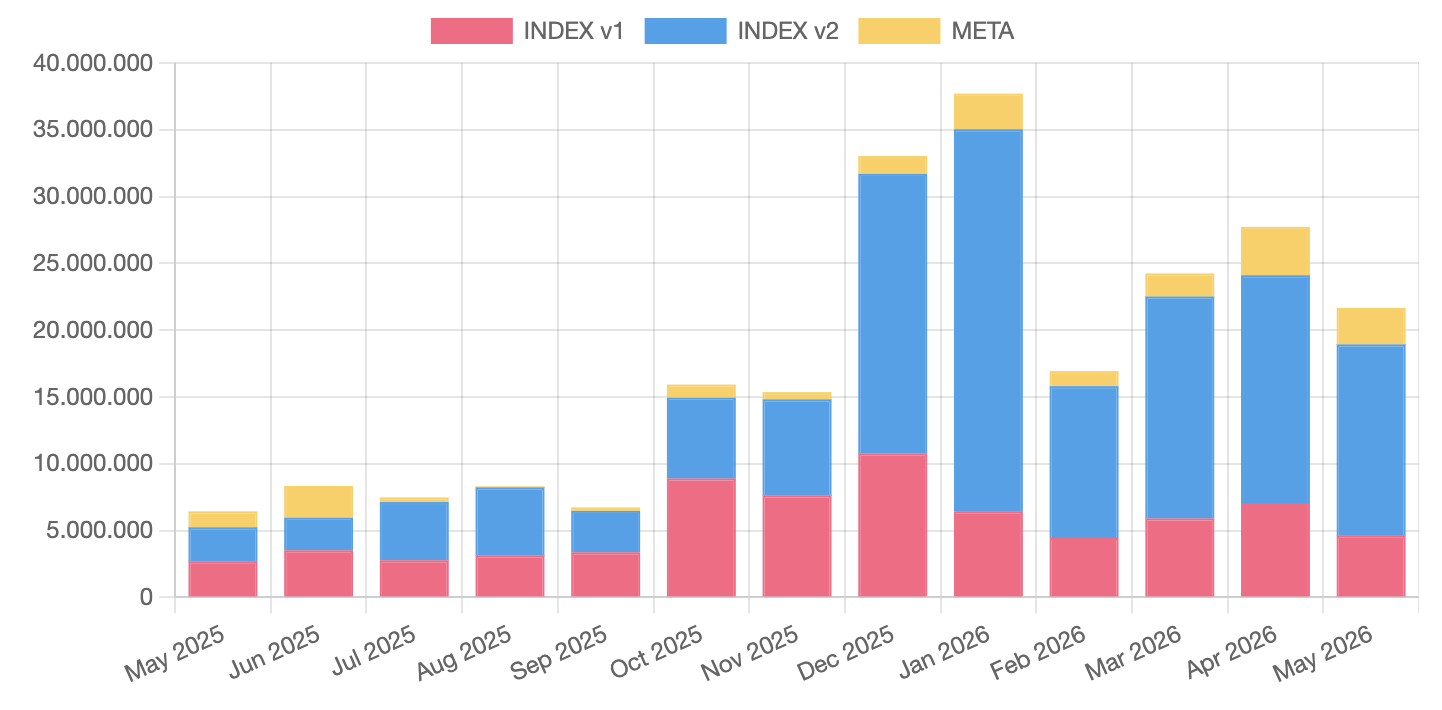
This paper addresses the practical challenges of implementing interoperable REST APIs over heterogeneous scholarly data sources, particularly those that.

research note
The ERR@HRI 3.0 Challenge addresses the critical problem of multimodal error detection and anticipation in human-robot interaction (HRI), aiming to.