

research note
Air Quality Downscaling with Station-Guided Pseudo-Supervision
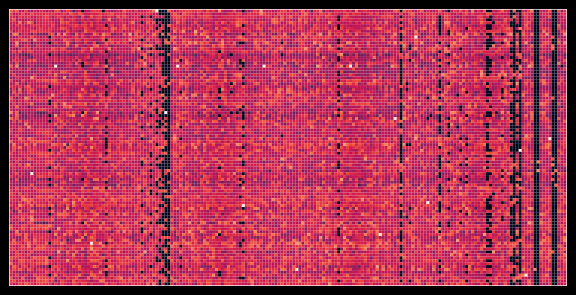
This paper addresses the problem of downscaling coarse-resolution atmospheric composition forecasts (CAMS fields at ~40 km resolution) to fine-grained.
research note
This paper addresses the problem of downscaling coarse-resolution atmospheric composition forecasts (CAMS fields at ~40 km resolution) to fine-grained.
research note
This paper addresses the challenge of integrating complex multi-omics data in cancer by proposing Pathway Activity Autoencoders (PAAE), a biologically.

research note
This paper addresses the fundamental challenge of achieving atomicity and interoperability across independent blockchains in the presence of asynchronous.

research note
This paper presents a comprehensive, in-depth review of artificial intelligence methods applied to semen analysis for diagnosing male infertility.
research note
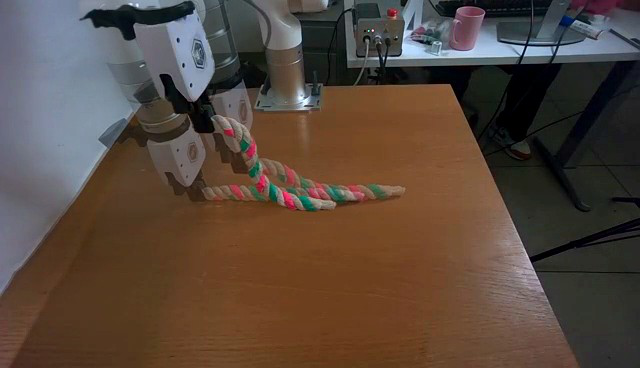
Deform360 addresses a critical gap in robotic manipulation research by providing a large-scale, real-world visuotactile dataset focused on deformable.
research note
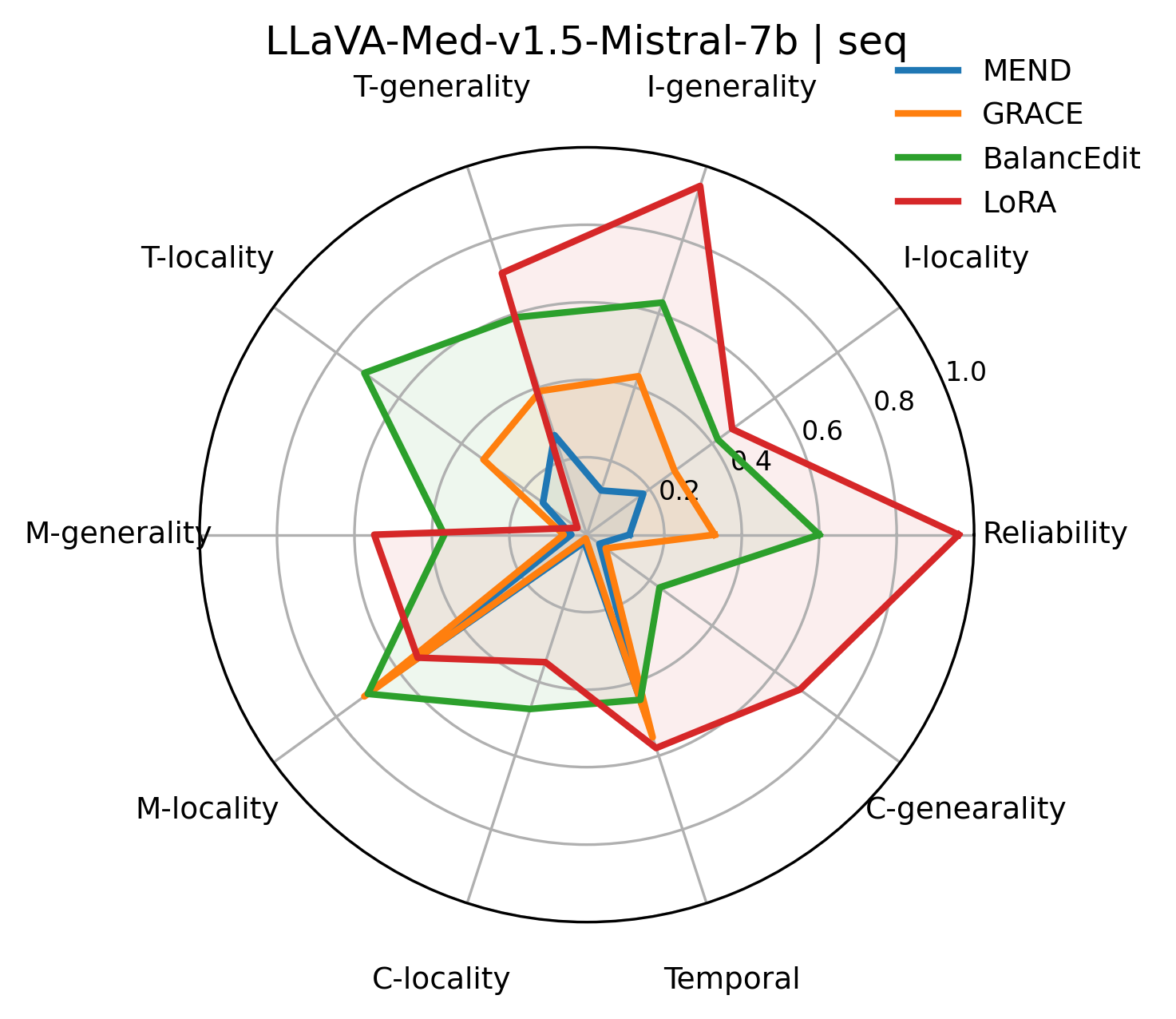
This paper addresses the challenge of post-deployment model editing for medical vision-language models (VLMs).

research note
This paper addresses the challenge of efficient and accurate posterior estimation in simulation-based inference (SBI), especially for high-dimensional.
research note
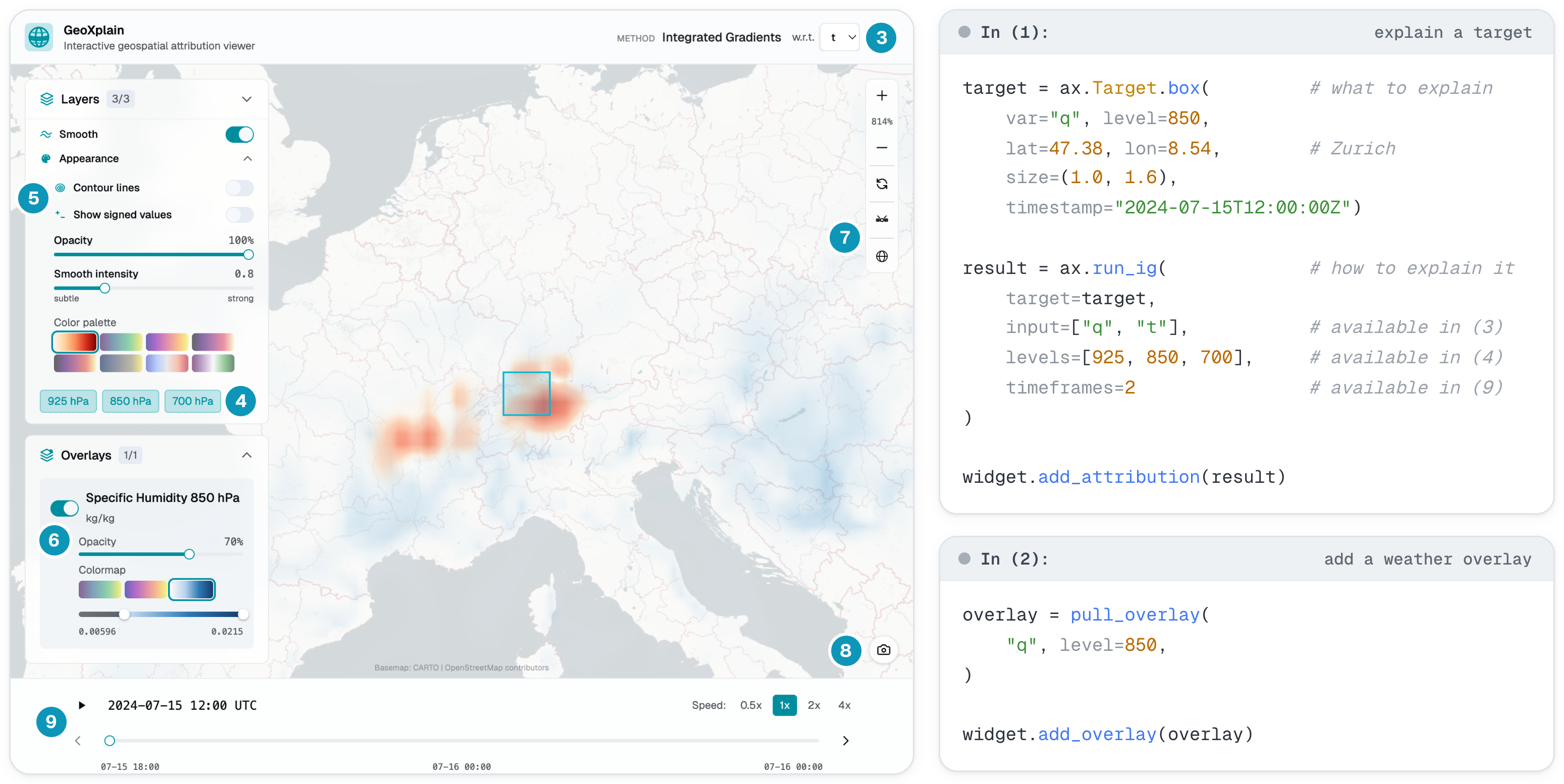
GeoXplain addresses the challenge of interpreting high-dimensional, spatially and temporally complex forecasts produced by modern weather and climate.

research note
This paper addresses the fundamental challenge of planning under uncertainty in continuous state and action spaces, which is computationally difficult due.
research note
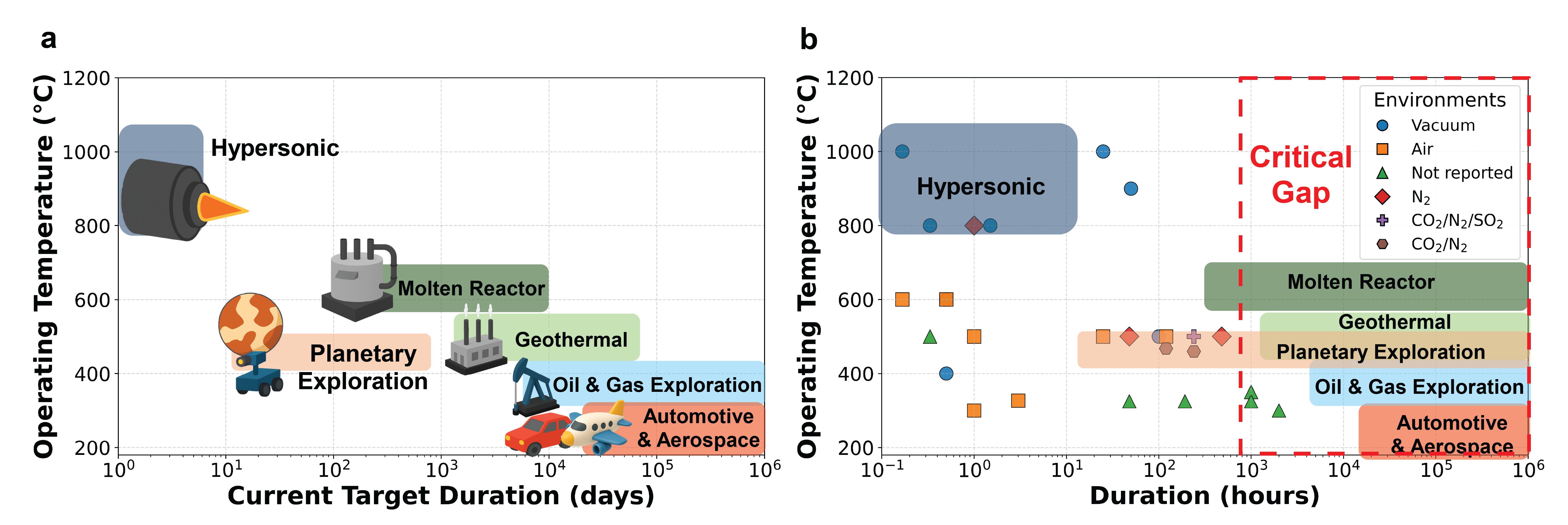
This paper provides an in-depth review and analysis of the high-temperature operation of III-nitride high-electron-mobility transistors (HEMTs), focusing.

research note
This paper addresses the unsupervised temporal action segmentation problem for long, untrimmed videos, where manual frame-level labels are unavailable.

research note
This paper addresses the problem of recursive self-improvement for large language model (LLM) agents performing long-horizon, open-ended tasks.