
research note
How to Watermark the RLWE Homomorphic Ciphertexts
This paper addresses the novel problem of embedding digital watermarks into RLWE-based homomorphic encryption (HE) ciphertexts to enable copyright.
research note
This paper addresses the novel problem of embedding digital watermarks into RLWE-based homomorphic encryption (HE) ciphertexts to enable copyright.
research note
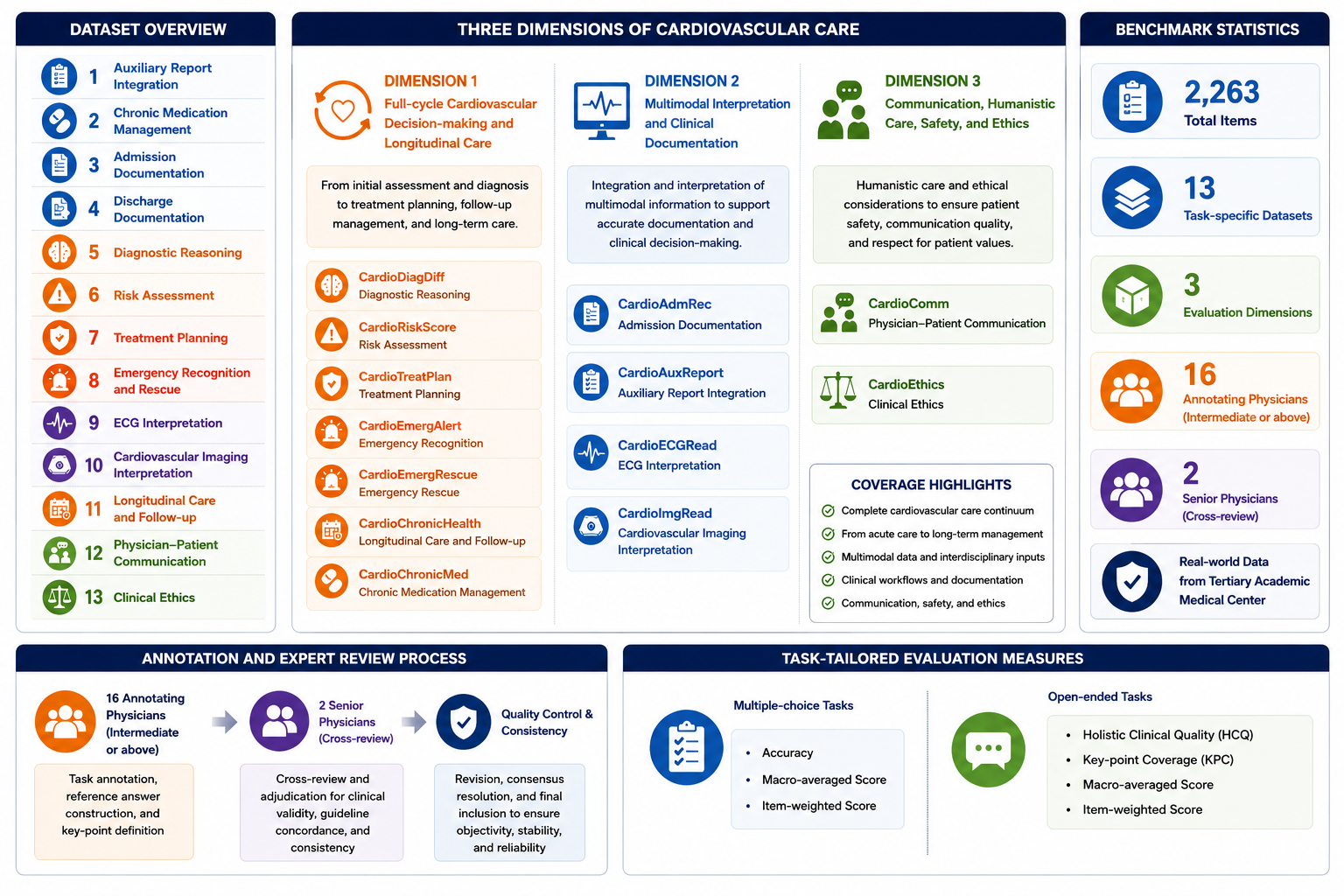
MyoCardBench addresses a critical gap in evaluating medical large language models (LLMs) by providing a comprehensive, real-world benchmark spanning the.
research note
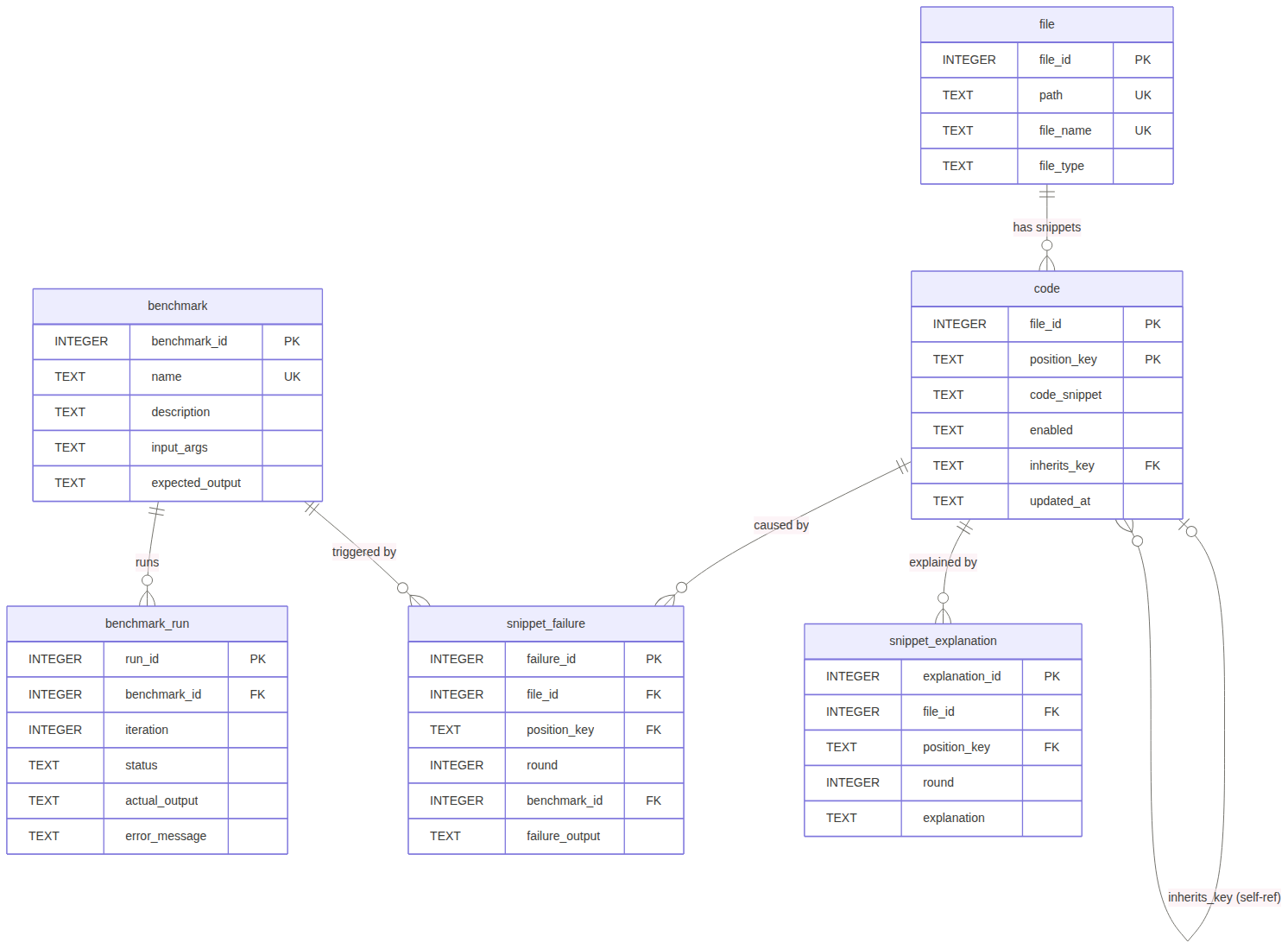
TraceCoder addresses a major opacity problem in LLM-based code generation agents: the lack of fine-grained, auditable traceability of code evolution.
research note
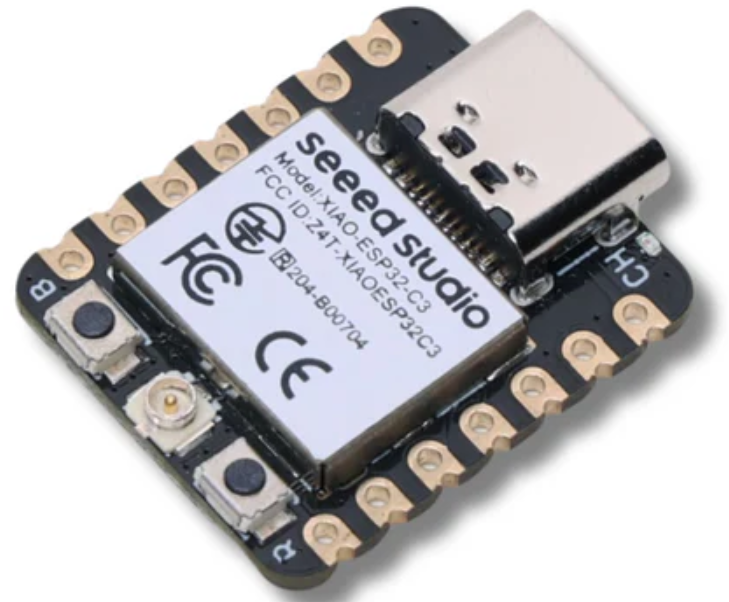
Radio Frequency Fingerprinting (RFFP) methods leverage hardware-induced signal impairments to uniquely identify wireless devices.
research note
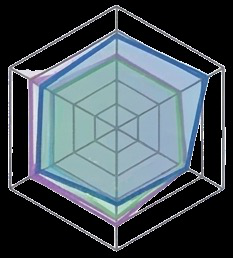
ClinFusion addresses critical limitations in applying multimodal large language models (MLLMs) to clinical settings by focusing on a vision-centric.
research note
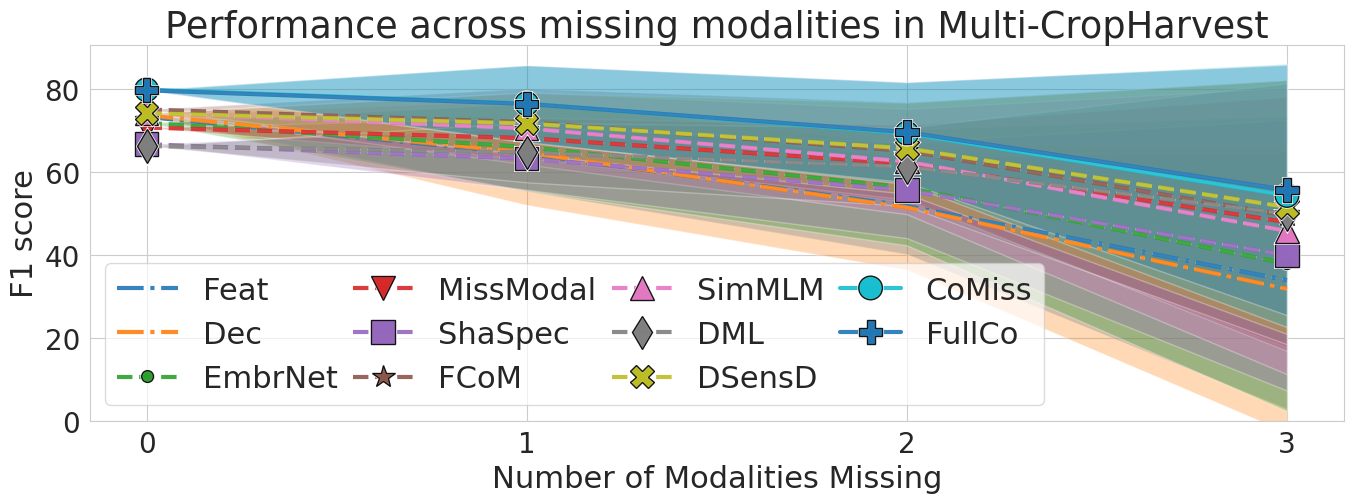
This paper tackles the challenge of multi-modal classification when an arbitrary subset of input modalities may be missing at inference time—a common.

research note
This work addresses the critical question of data sourcing for embodied foundation models, which require richly annotated, physically grounded data.
research note
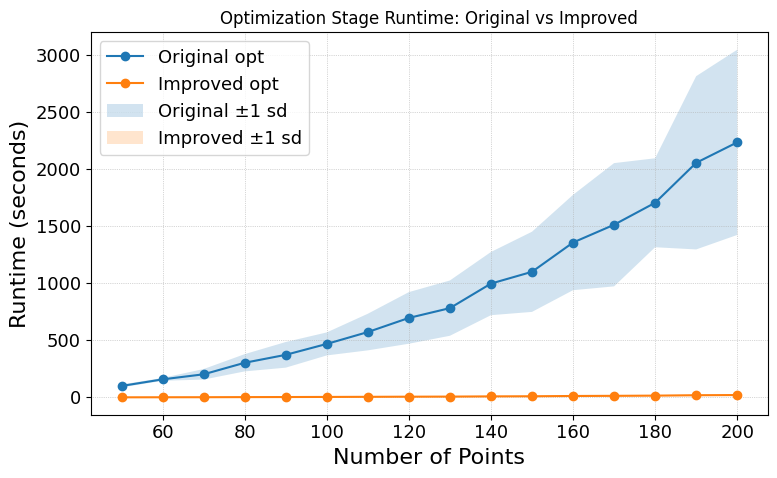
This paper addresses a key limitation in topological coordinate constructions derived from persistent cohomology: their sensitivity to non-uniform.
research note
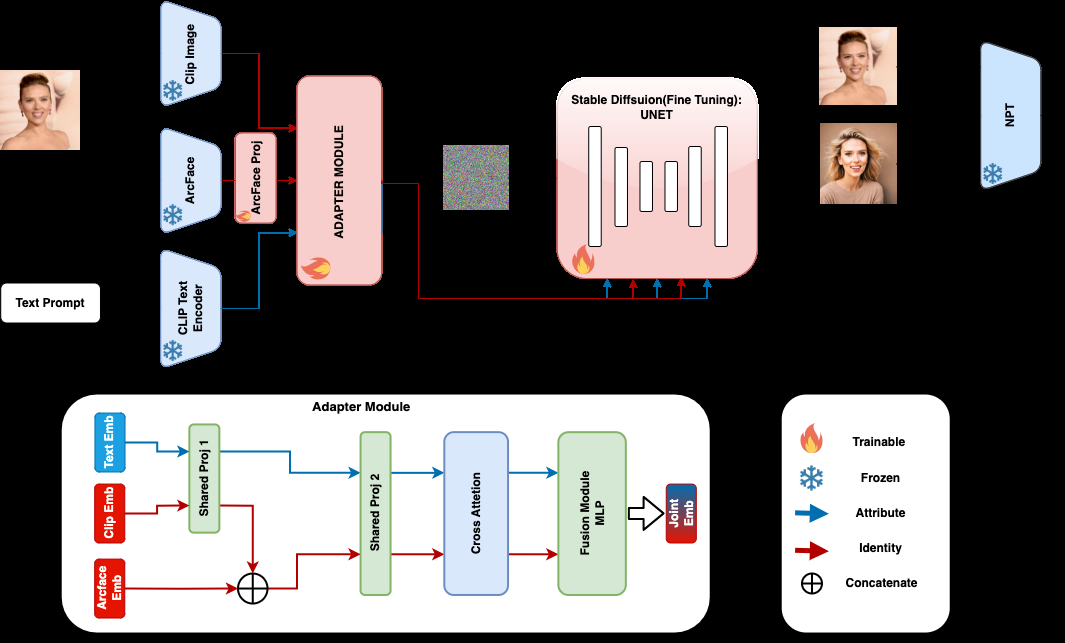
This paper addresses the challenge of preserving identity consistency in high-resolution facial image generation using diffusion models, a critical.

research note
Multimodal Large Language Models (MLLMs) excel at integrating visual and linguistic inputs but suffer from a subtle structural flaw in their attention.
research note
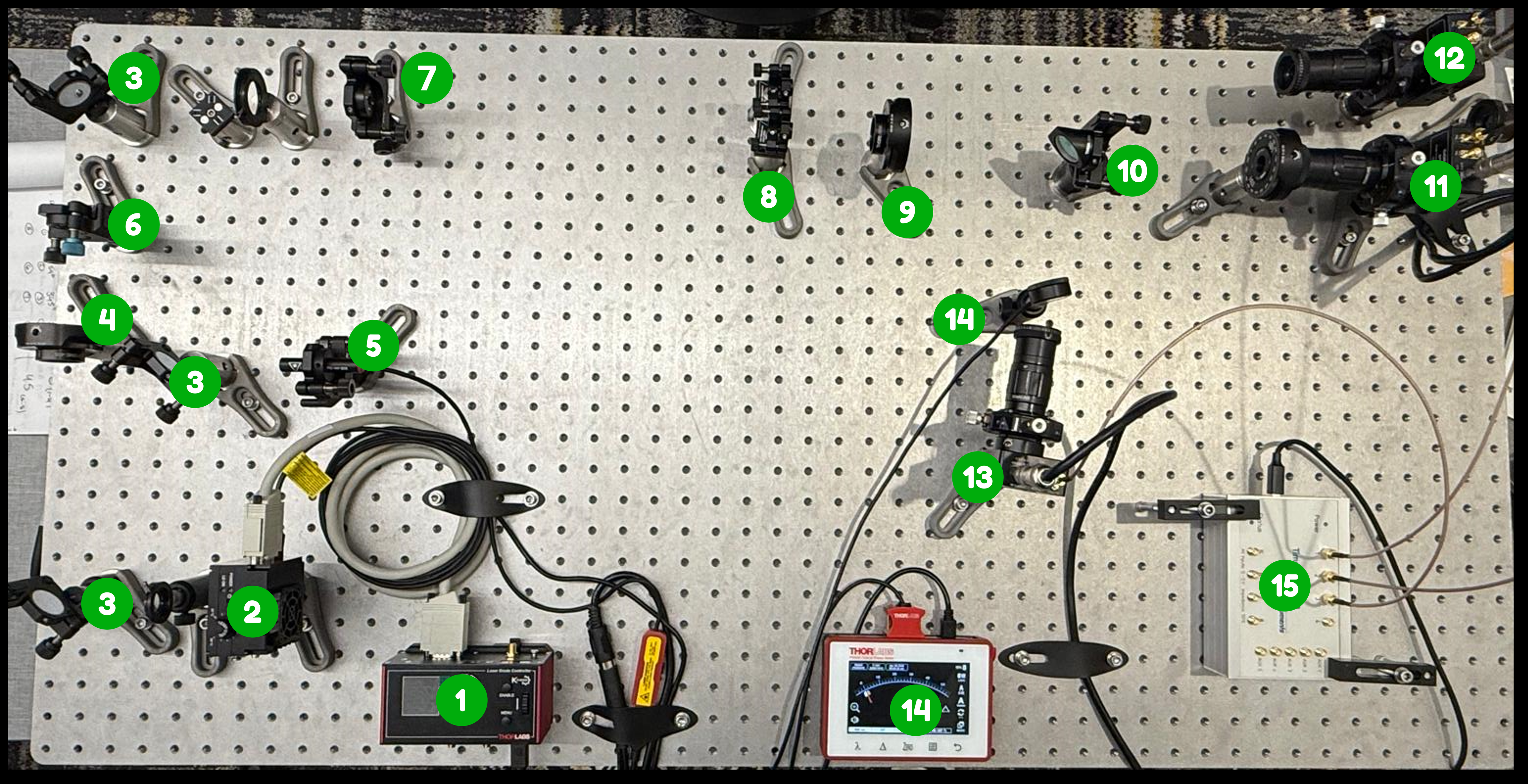
This paper addresses the unexplored problem of protocol fingerprinting in practical quantum communication networks via physical-layer side channel analysis.
research note
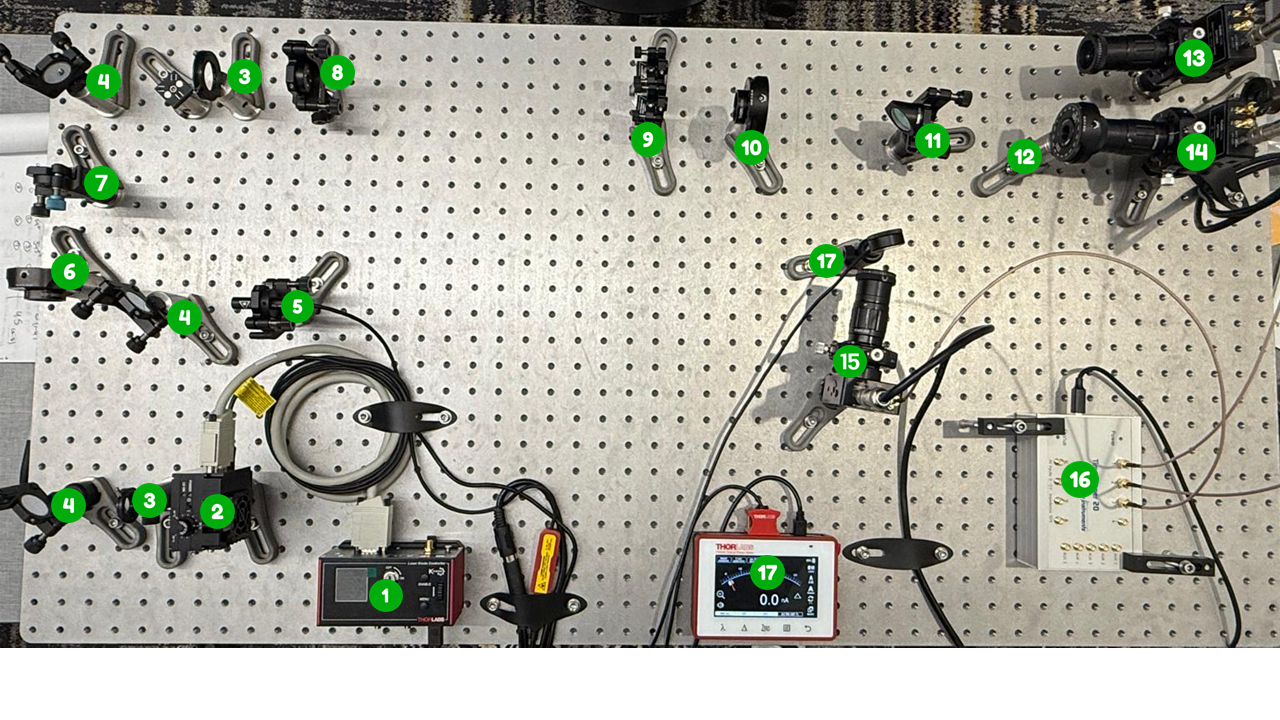
This paper investigates a physical-layer side channel vulnerability in quantum identity authentication (QIA) protocols used in quantum networks.