
Experimental Side Channel Analysis of Protocol Stages in Quantum Identity Authentication
Source: arXiv:2607.24639 · Published 2026-07-27 · By Marwan Elawady, Lance Young, Contessa Wilburn, Blaine Keyton, Carrie Houston, Mohamed Shaban et al.
TL;DR
This paper investigates a physical-layer side channel vulnerability in quantum identity authentication (QIA) protocols used in quantum networks. QIA ensures security against malicious repeaters that may perform man-in-the-middle attacks by embedding authentication qubits within data qubits based on a secret key. Prior work studied theoretical security and Malicious repeater detection guarantees but assumed protocol stages (data vs authentication) are indistinguishable physically. The authors experimentally demonstrate that a passive adversary with limited optical access can infer these protocol stages by passively collecting photon timing and optical power side channel data via a beam splitter, without disturbing the quantum states. Machine learning models trained on these observations achieved high accuracy in classifying protocol stages, with up to 98% accuracy (F1-score 97%) at 30% optical tapping and 96% accuracy (F1-score 94%) at 10% tapping. This reveals a critical physical-layer leakage undermining prior assumptions of indistinguishability, highlighting a new vulnerability in QIA. The findings underscore the need for robust countermeasures against side channel inference attacks in quantum networks.
Key findings
- Protocol-stage inference accuracy reaches 98% (F1-score 97%) at 30% optical signal tapping and 96% (F1-score 94%) at 10% tapping using passive side channel measurements.
- Photon arrival timing features outperform optical power features for discriminating protocol stages, but combining both yields best performance up to 95% accuracy at 30% tapping.
- Passive optical tapping at 30% reduces photon count and coincidence rates by approximately 29%, while 10% tapping reduces them by about 6%, both preserving quantum entanglement (CHSH S-values > 2).
- Random Forest classifiers outperform LSTM and GRU models on this protocol stage classification task consistently across datasets and tap ratios.
- Feature engineering including interaction terms, nonlinear transforms, rolling statistics, and lag/delta features significantly improves discrimination of protocol stages from side channel data.
- Multiple communication sessions with randomized secret keys were used to validate robustness across execution variations.
- Photon timing irregularity statistics (mean, std, coefficient of variation of inter-arrival times) are key discriminative features for protocol stage inference.
- Side channel observations reveal structured timing and intensity differences between QIA data transmission and authentication stages, violating assumptions of physical indistinguishability.
Threat model
A passive adversary with limited physical optical access can tap a fraction (10% or 30%) of the transmitted quantum optical signal between legitimate communicating parties. The adversary does not directly measure or disturb the quantum states, does not alter protocol execution, and has no knowledge of secret keys or internal protocol parameters. Their goal is to infer the execution stage (authentication vs data transmission) of the quantum identity authentication protocol solely from physical layer side channel observations such as photon arrival timing and optical power measurements.
Methodology — deep read
Threat Model & Assumptions: The adversary is a passive external observer with physical access limited to tapping a fraction (10% or 30%) of the optical communication channel between Alice and Bob. The adversary neither performs direct quantum state measurements nor interferes with protocol execution, avoiding detectable disturbance. They have no prior knowledge of secret keys or protocol parameters, relying solely on physical layer side channel data (photon arrival timing and optical power).
Data: Data was collected on a laboratory testbed implementing a polarization-entangled photon source via spontaneous parametric down conversion (SPDC) using a 405nm pump laser and BBO crystals. The QIA protocol executed alternating data transmission and authentication rounds determined by secret keys. Multiple runs were done varying pump current and secret key permutations to capture variability. Side channel data was collected through a beam splitter tapping 10% or 30% of the optical signal redirected to either a single photon avalanche photodiode (SPAD) for photon arrival timing or a power meter for optical power readings. In total, 9000 labeled samples were collected per configuration. The raw data were continuous measurements; data were segmented and labeled by protocol stage based on timing.
Architecture/Algorithm: Features capturing timing dynamics include photon count rate and statistics of photon inter-arrival times (mean, std, coefficient of variation). Power meter features include optical power in mW and dBm and irradiance, plus engineered nonlinear and interaction features capturing intensity variability and joint timing-power relationships. Three supervised machine learning models were trained to classify protocol stages: Random Forest, Long Short-Term Memory (LSTM) recurrent network, and Gated Recurrent Unit (GRU) recurrent network. Models were trained on three feature sets: timing only, power only, and combined.
Training Regime: Data were split 80/20 train/test, with 10% of training used for validation. Class imbalance was addressed by SMOTE oversampling of the minority authentication class and balanced class weights. Random Forest used 500 trees with minimum leaf size 2; LSTM and GRU were trained with learning rate 1e-4, dropout 0.4, early stopping, and focal loss (γ=2) to improve minority class detection. Hyperparameters were tuned on validation data.
Evaluation Protocol: Models were evaluated on test sets with accuracy, precision, recall, and F1-score per class reported. Stratified 5-fold cross-validation was performed for Random Forest to ensure robustness. Experiments compared different tap ratios (10%, 30%) and feature modalities to assess impact on stage classification. The impact of tapping on quantum correlations (CHSH Bell parameter S) was verified to confirm non-disruption.
Reproducibility: The paper does not mention public release of code or data, but experimental parameters and processing steps are described in detail to enable replication in quantum optics research labs. Secret keys were randomly permuted to generate multiple sessions for robustness.
Example: For a single run with 30% tapping, photon timing data from the SPAD were segmented into labeled protocol stages. Features on photon inter-arrival times and count rates were extracted and engineered over windows. A Random Forest with 500 trees was trained on this data using SMOTE to balance classes and focal loss for classification. Testing yielded 98% accuracy, showing the ability to infer data vs authentication phases purely from passive timing side channels without accessing quantum state information.
Technical innovations
- Demonstration of experimental side channel leakage enabling accurate classification of quantum identity authentication protocol stages from passive optical tapping data.
- Novel feature engineering techniques combining photon arrival timing statistics and optical power interactions to enhance physical layer protocol phase discrimination.
- Use of a physical quantum testbed with controlled tapping ratios to empirically validate side channel vulnerability while preserving quantum entanglement.
- Application of classical machine learning classifiers, including tree-based and recurrent neural networks, to the problem of quantum protocol stage identification from timing and power side channel measurements.
Datasets
- Photon timing and power meter side channel data — 9000 labeled samples per experimental configuration — Quantum entangled photon testbed (private data)
Baselines vs proposed
- Random Forest (timing features, 30% tap): accuracy = 98%, F1-score = 97% vs LSTM: accuracy ≈ 95%, GRU: accuracy ≈ 94%
- Random Forest (power features, 30% tap): accuracy ≈ 85% vs combined features: accuracy ≈ 95%
- Random Forest (combined features, 10% tap): accuracy = 90% vs timing-only features: accuracy = 86%
- Photon arrival timing features outperform optical power features by approximately 10-15% absolute accuracy across most scenarios
Figures from the paper
Figures are reproduced from the source paper for academic discussion. Original copyright: the paper authors. See arXiv:2607.24639.
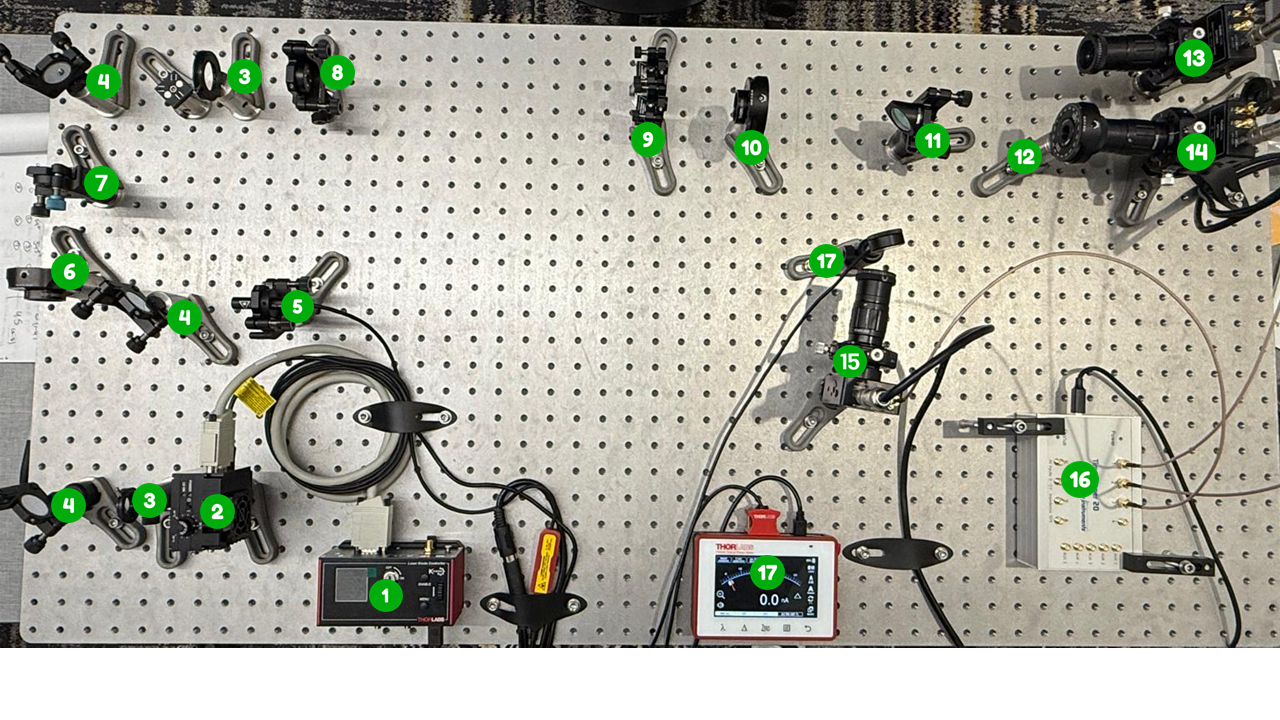
Fig 1: (1) laser driver, (2) 405 nm pump laser source, (3) iris, (4) kinematic mirrors for beam alignment, (5) alignment laser,
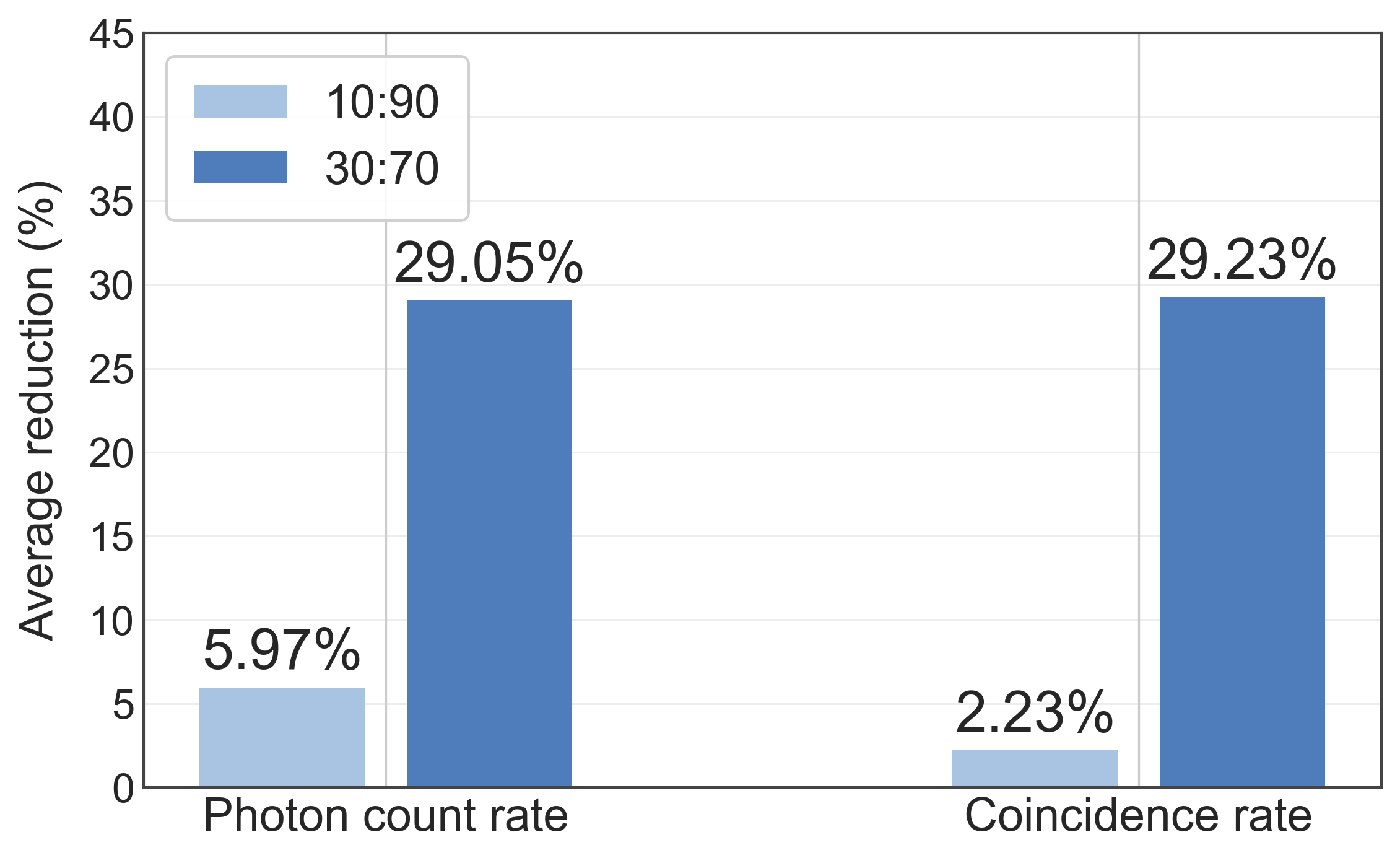
Fig 2: Effect of passive sampling on signal photon count
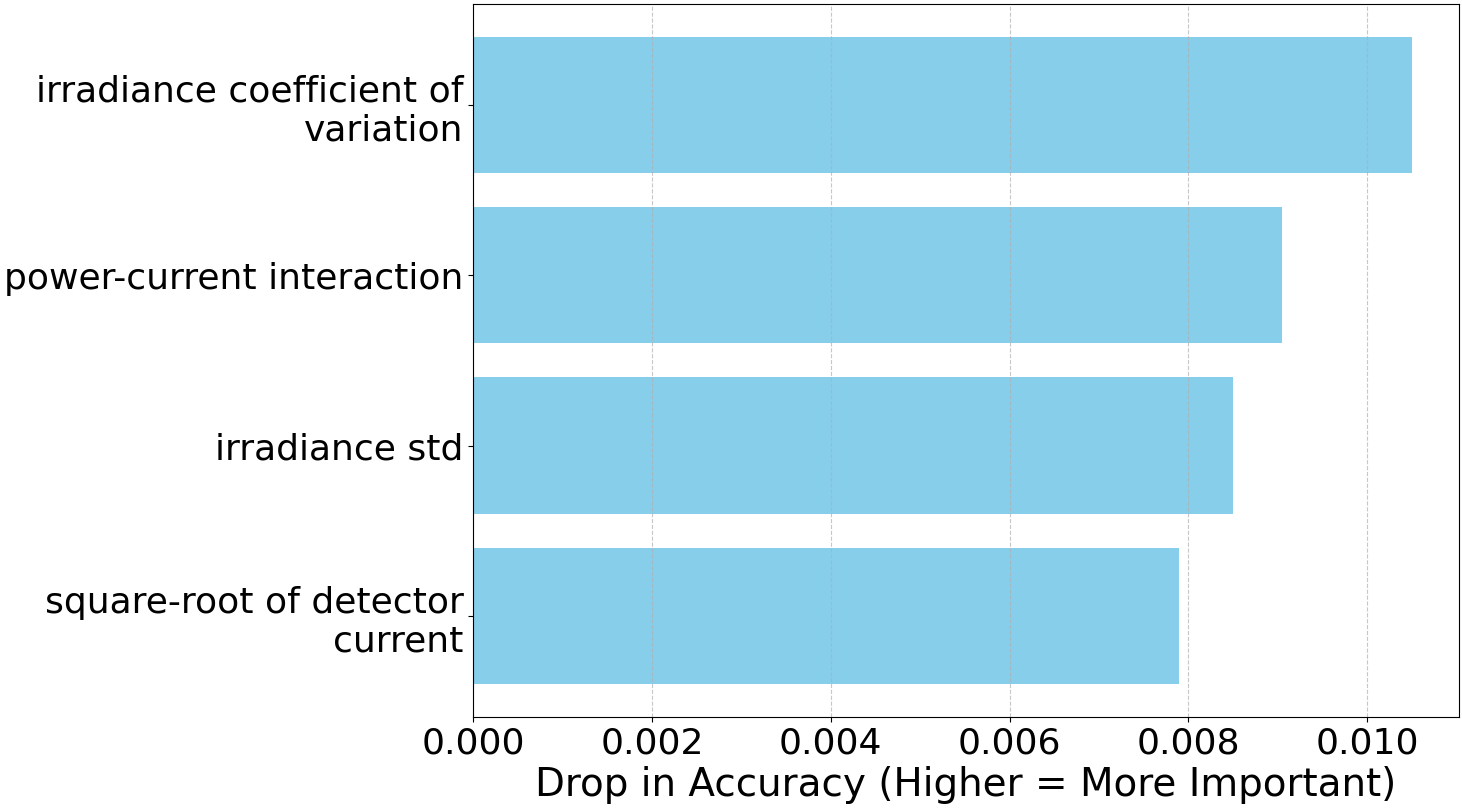
Fig 3: Confusion matrices illustrating the impact of feature modality and sampling ratio on protocol classification. (a) power
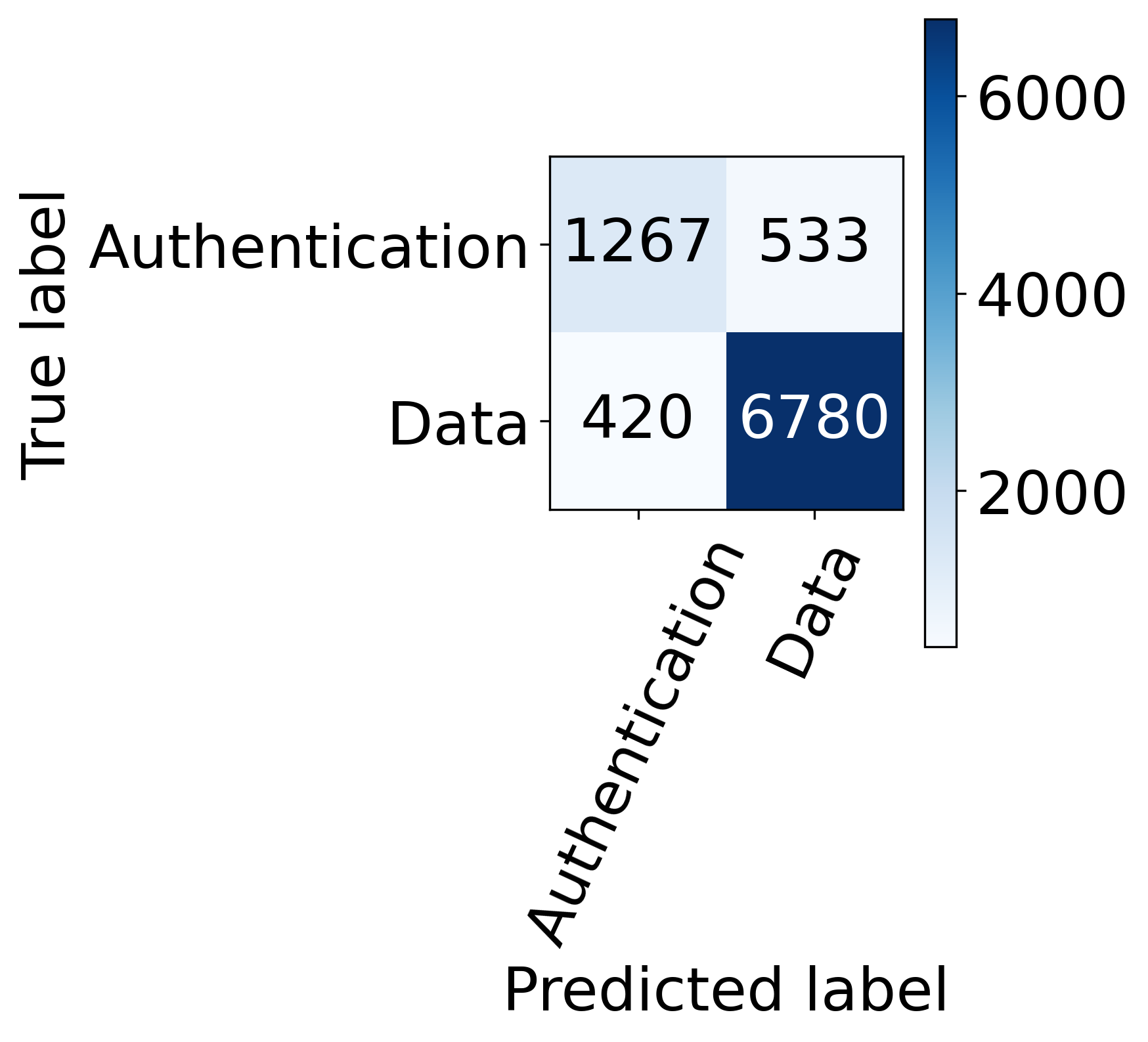
Fig 4: Feature importance for the power meter dataset: (a) 10%, (b) 30%.
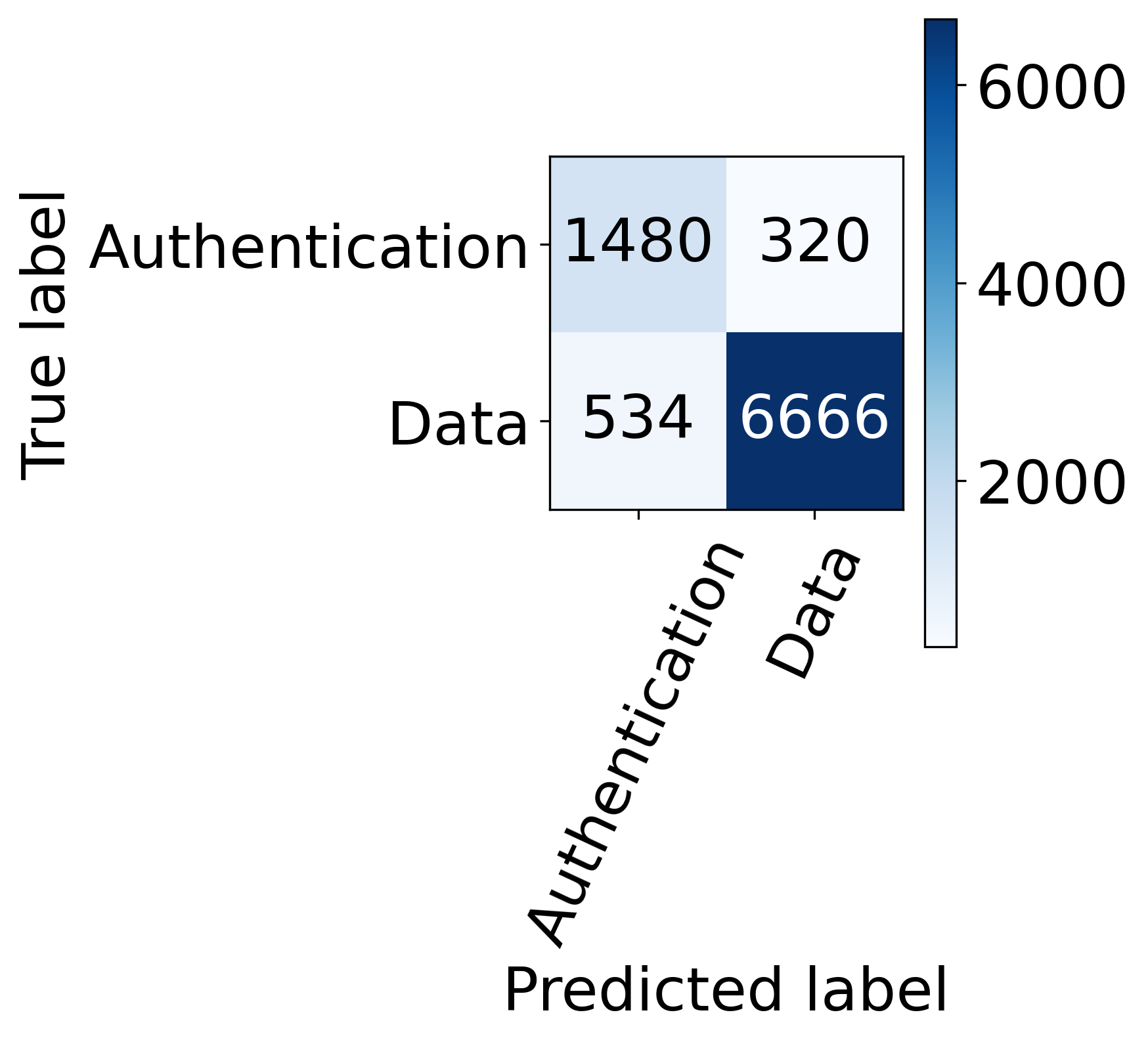
Fig 5: Feature importance for the time tagger dataset: (a) 10%, (b) 30%.
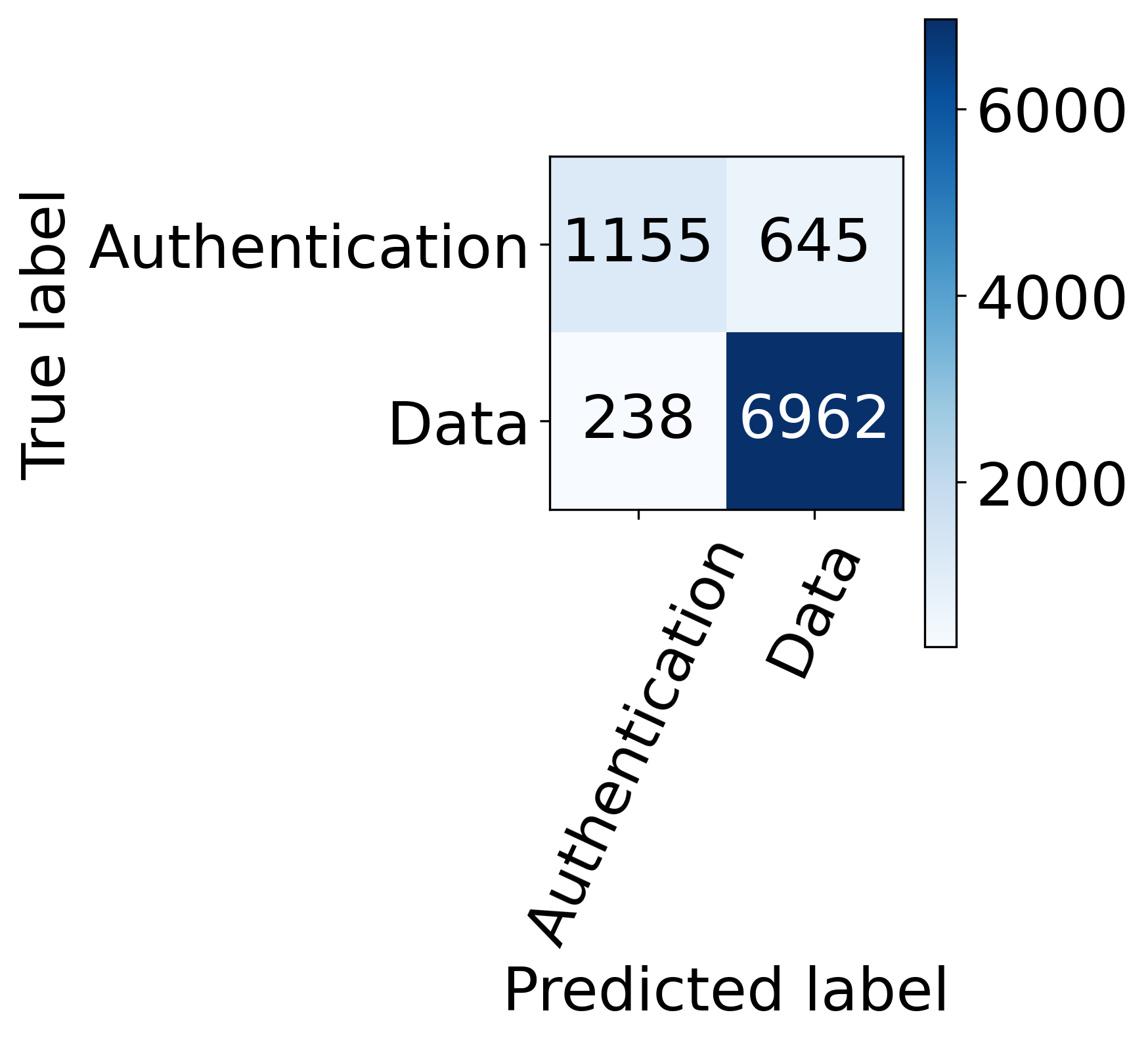
Fig 6: Feature importance for the combined dataset: (a) 10%, (b) 30%.
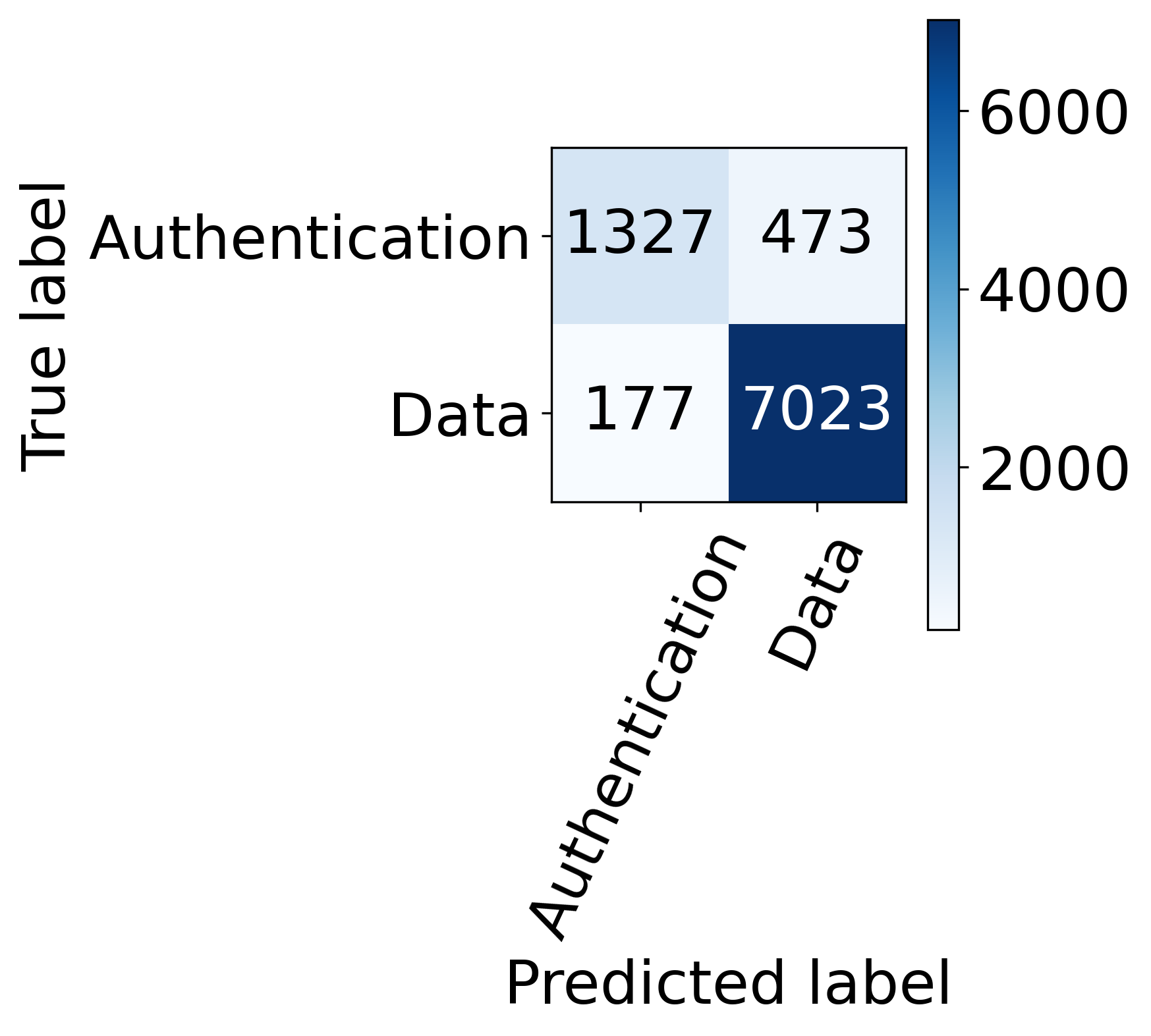
Fig 7 (page 9).
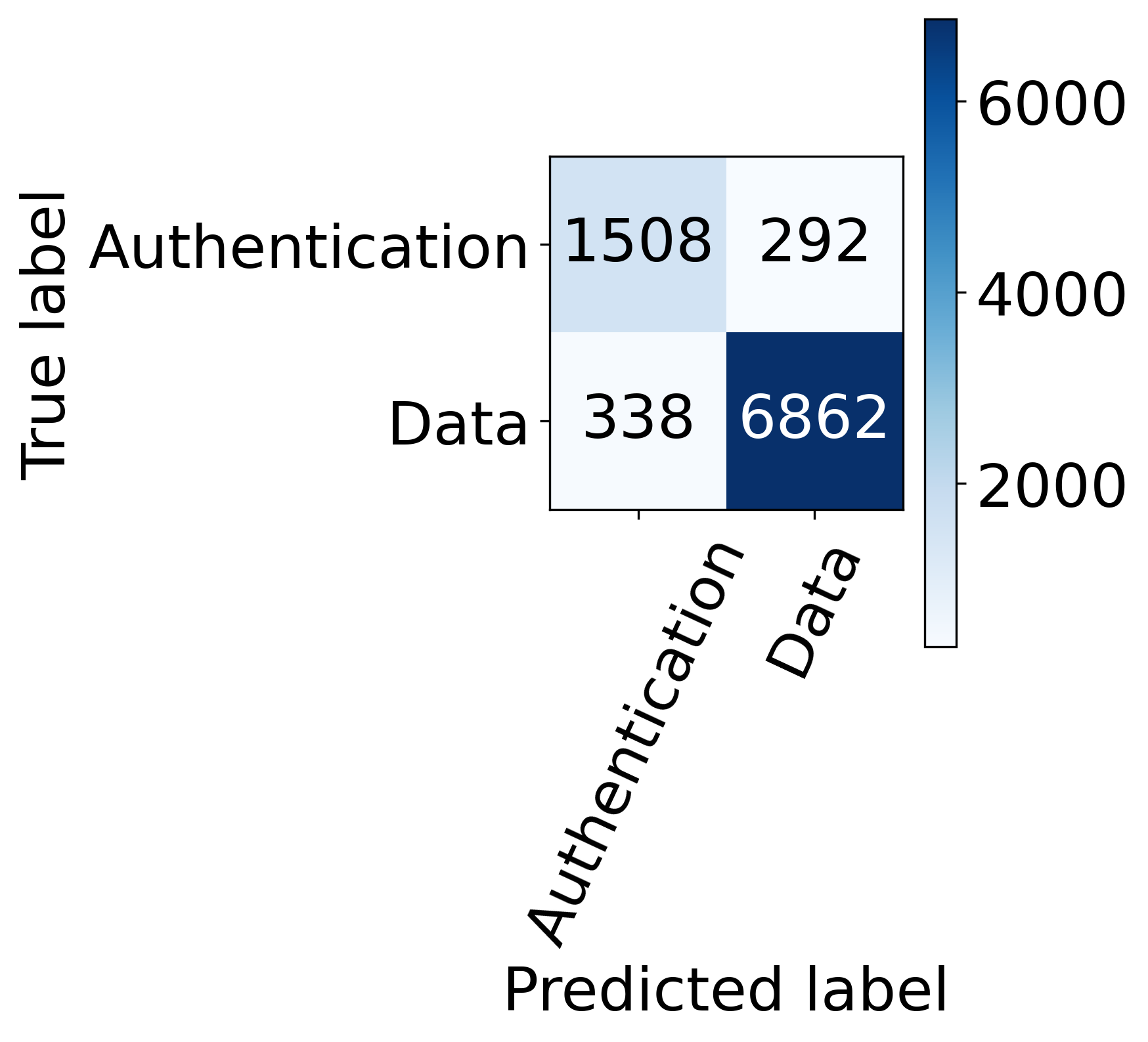
Fig 8 (page 9).
Limitations
- Experiments limited to laboratory quantum optics testbed; real-world deployed quantum networks may exhibit additional noise and complexity.
- No adversarial evaluation beyond passive tapping; active or adaptive attackers not considered.
- Focus restricted to distinguishing two protocol phases (data vs authentication); finer-grained stage inference not evaluated.
- No investigation of countermeasures or protocol designs resilient to side channel leakage.
- Data and code not publicly released, limiting independent replication.
- Limited range of tapping ratios explored; performance at lower physical access levels remains unclear.
Open questions / follow-ons
- Can protocol designs be adapted or randomized to eliminate or reduce physical-layer side channel distinguishability of execution stages?
- How would adaptive or active adversaries who attempt to inject noise or modify signals affect side channel inference and detection capabilities?
- What are the effects of real-world environmental noise and network traffic on the robustness of stage inference models?
- Can these side channel inference techniques extend to more complex quantum protocols with multiple states or finer operational phases?
Why it matters for bot defense
Quantum identity authentication protocols are emerging as critical elements in secure quantum networks, analogous to authentication steps in classical communication but at the quantum layer. This paper reveals a previously overlooked physical-layer side channel vulnerability whereby a passive adversary can infer internal protocol execution stages using side channel signals alone. For bot-defense and CAPTCHA practitioners focused on detecting and mitigating inference attacks, this work highlights that even protocols with strong theoretical security guarantees can leak meta-information through physical signals. It underscores the importance of considering side channel leakage beyond cryptographic assumptions, suggesting that security mechanisms need to be robust against physical-layer information extraction methods. Although the domain is quantum networking, the principle of protocol-stage leakage via side channels is relevant when designing bot-detection schemes that rely on obscurity or indistinguishability of protocol state. Defensive strategies might require randomizing low-level signal behavior or designing protocols that obfuscate physical-layer signatures to mitigate these threats.
Cite
@article{arxiv2607_24639,
  title={ Experimental Side Channel Analysis of Protocol Stages in Quantum Identity Authentication },
  author={ Marwan Elawady and Lance Young and Contessa Wilburn and Blaine Keyton and Carrie Houston and Mohamed Shaban and Muhammad Ismail },
  journal={arXiv preprint arXiv:2607.24639},
  year={ 2026 },
  url={https://arxiv.org/abs/2607.24639}
}