
research note
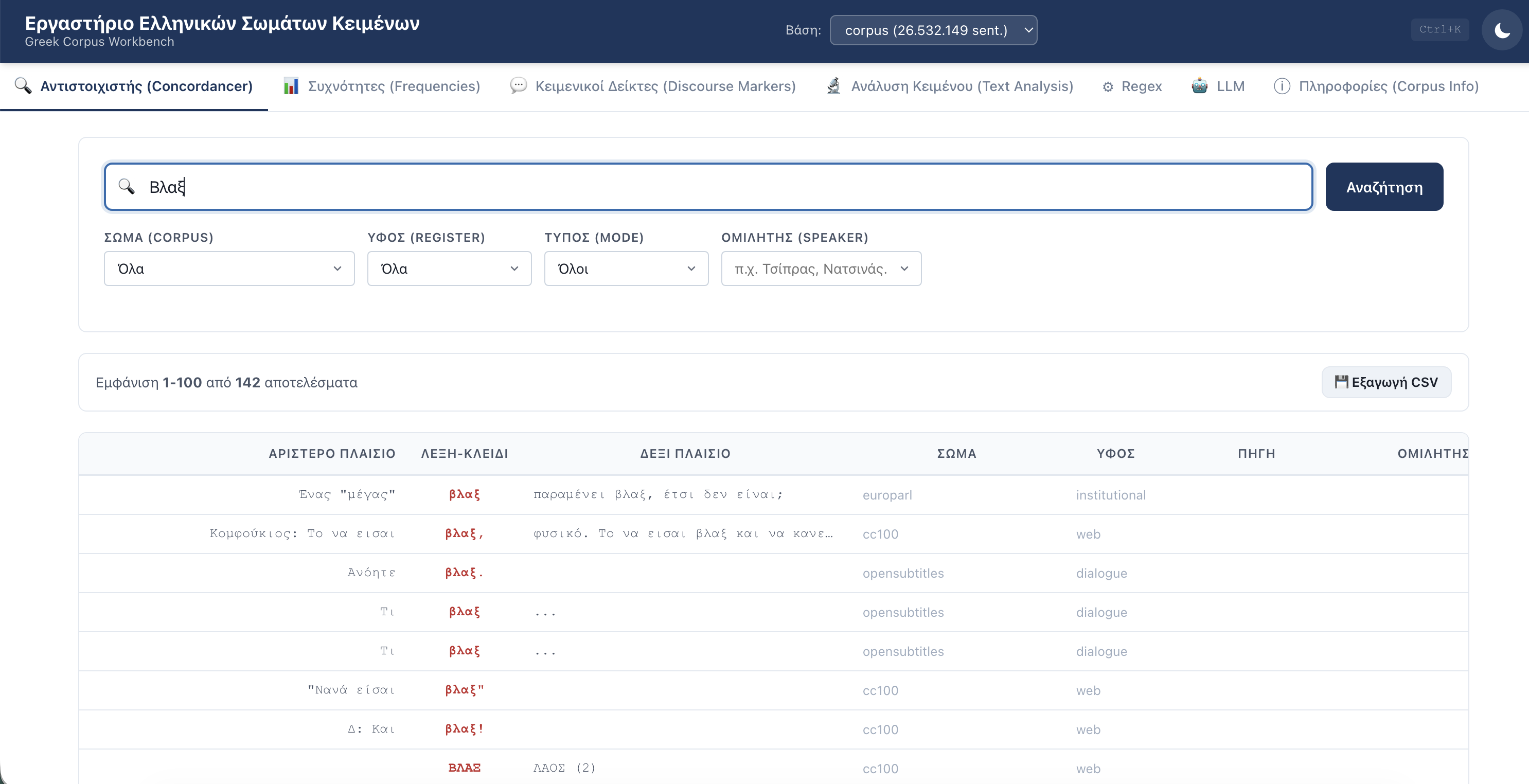
Svarna: An Open Corpus Workbench for Modern Greek
Svarna is an open-source, web-based corpus workbench designed to unify and provide accessible search and analysis tools over modern Greek corpora.
research note
Svarna is an open-source, web-based corpus workbench designed to unify and provide accessible search and analysis tools over modern Greek corpora.
research note
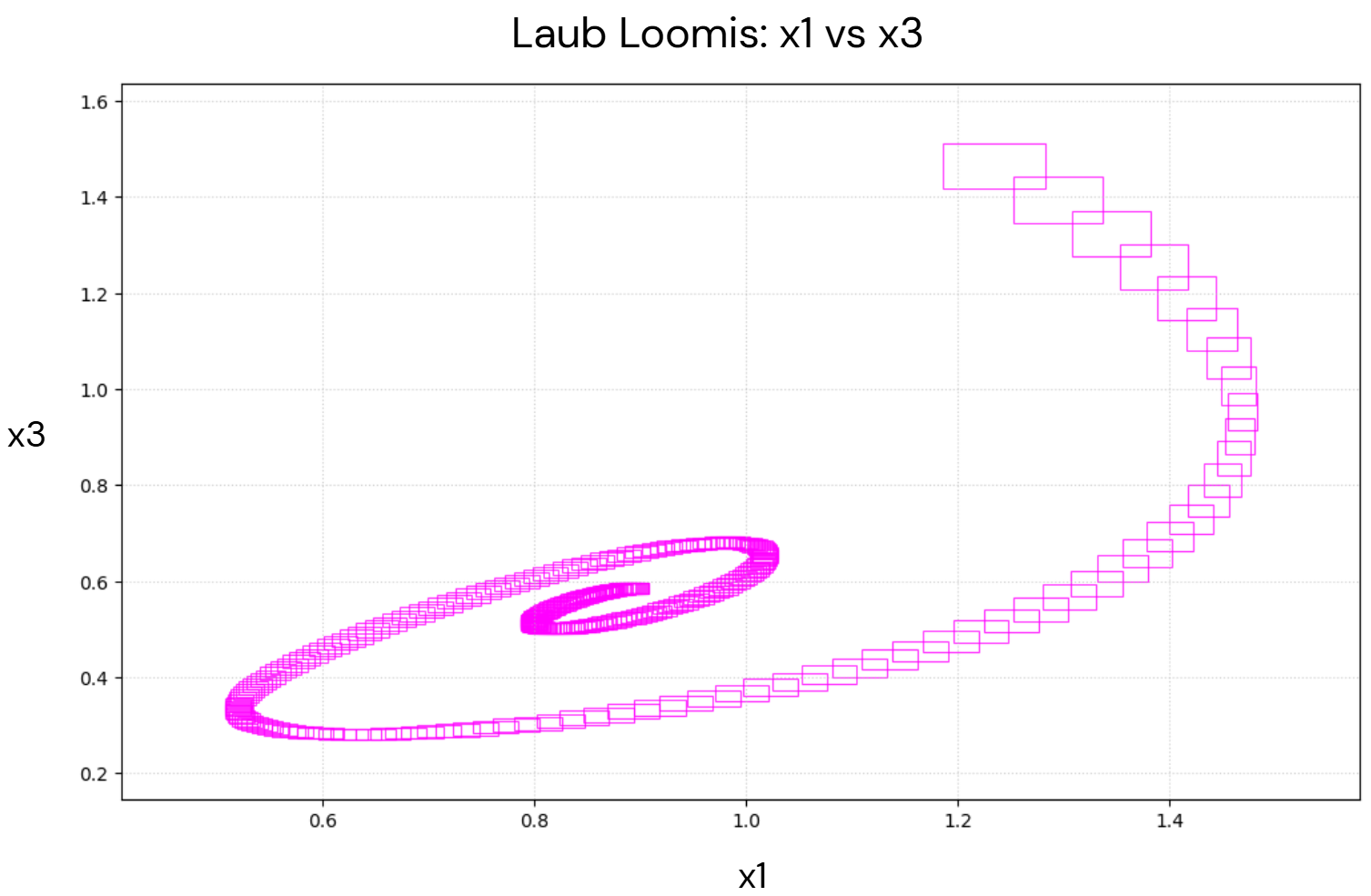
This paper presents TERA, a new Python-native open-source framework for reachability analysis of safety-critical dynamical systems using Taylor Models (TMs).

research note
This work presents the first large-scale, longitudinal, and consent-aware measurement study of Google's Privacy Sandbox deployment on the Web during the.

research note
Theoria addresses the critical problem of verifying AI system reasoning in informal, natural-language domains where formal proof assistants struggle and.
research note
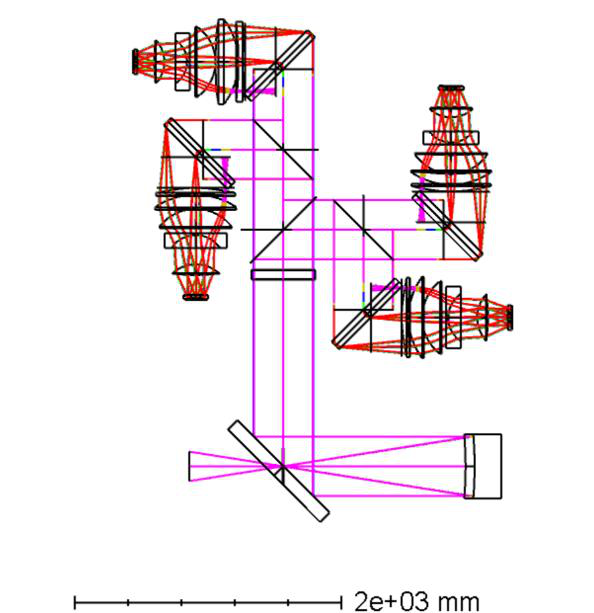
The Wide-field Spectroscopic Telescope (WST) is a planned 12-meter-class spectroscopic facility aiming to conduct large-scale surveys with a.
research note
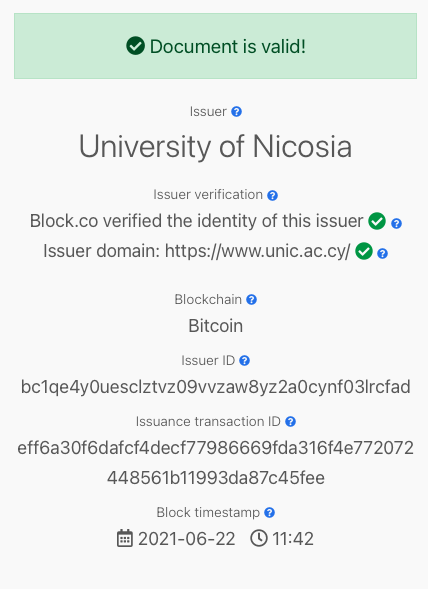
This paper investigates a critical vulnerability in Block.co, a blockchain-based system for certifying digital credentials such as academic certificates.

research note
This paper addresses a critical bottleneck in high-throughput plant phenotyping workflows: the gap between massive imaging data acquisition and slow.
research note
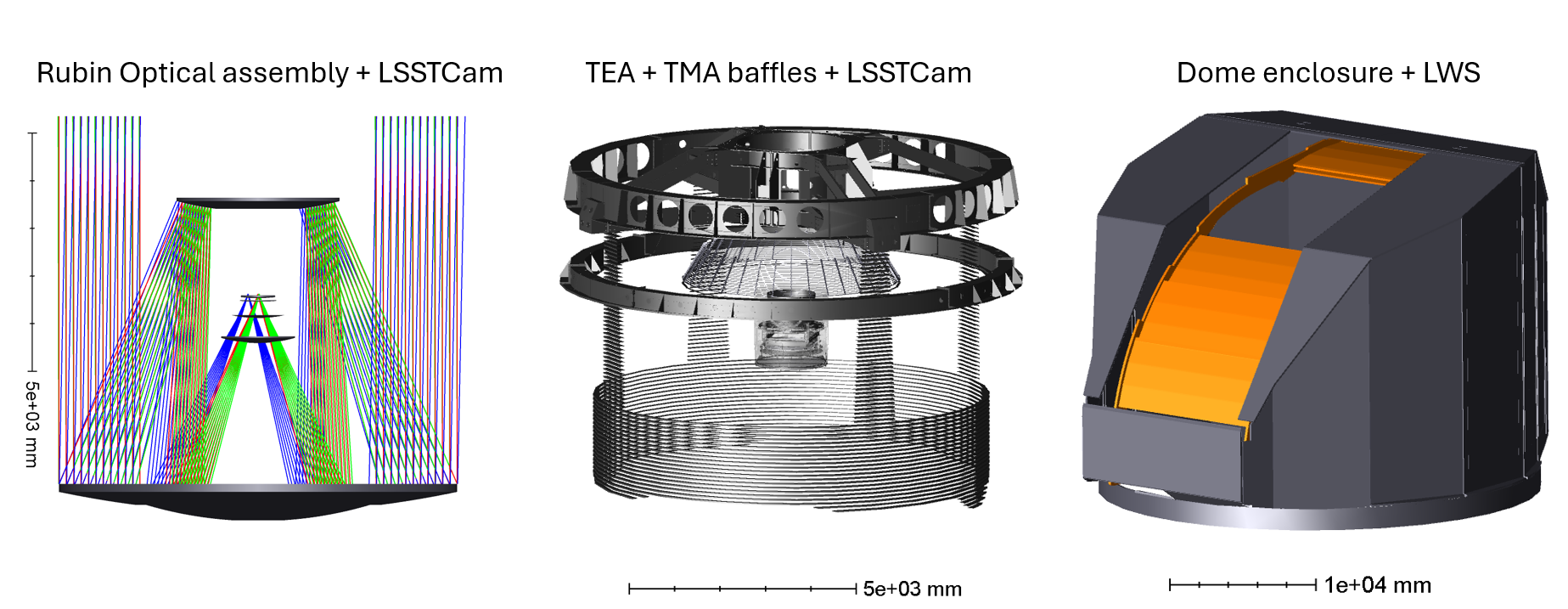
The paper addresses the pervasive challenge of stray and scattered light contamination in wide-field astronomical telescopes by presenting an in-depth.

research note
AnyBokeh addresses the challenging problem of post-capture depth-of-field (DoF) manipulation from a single image taken under arbitrary focus and aperture.
research note
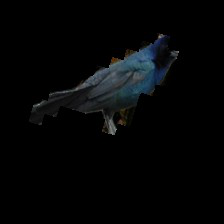
Deep neural network classifiers often rely on spurious correlations embedded in image backgrounds, leading to poor generalization when those correlations.

research note
This paper addresses the efficiency-accuracy tradeoff in chain-of-thought (CoT) reasoning with large language models (LLMs).
research note
This paper addresses a critical gap in data cleaning research: the lack of large, realistic benchmark datasets with ground truth.