
research note
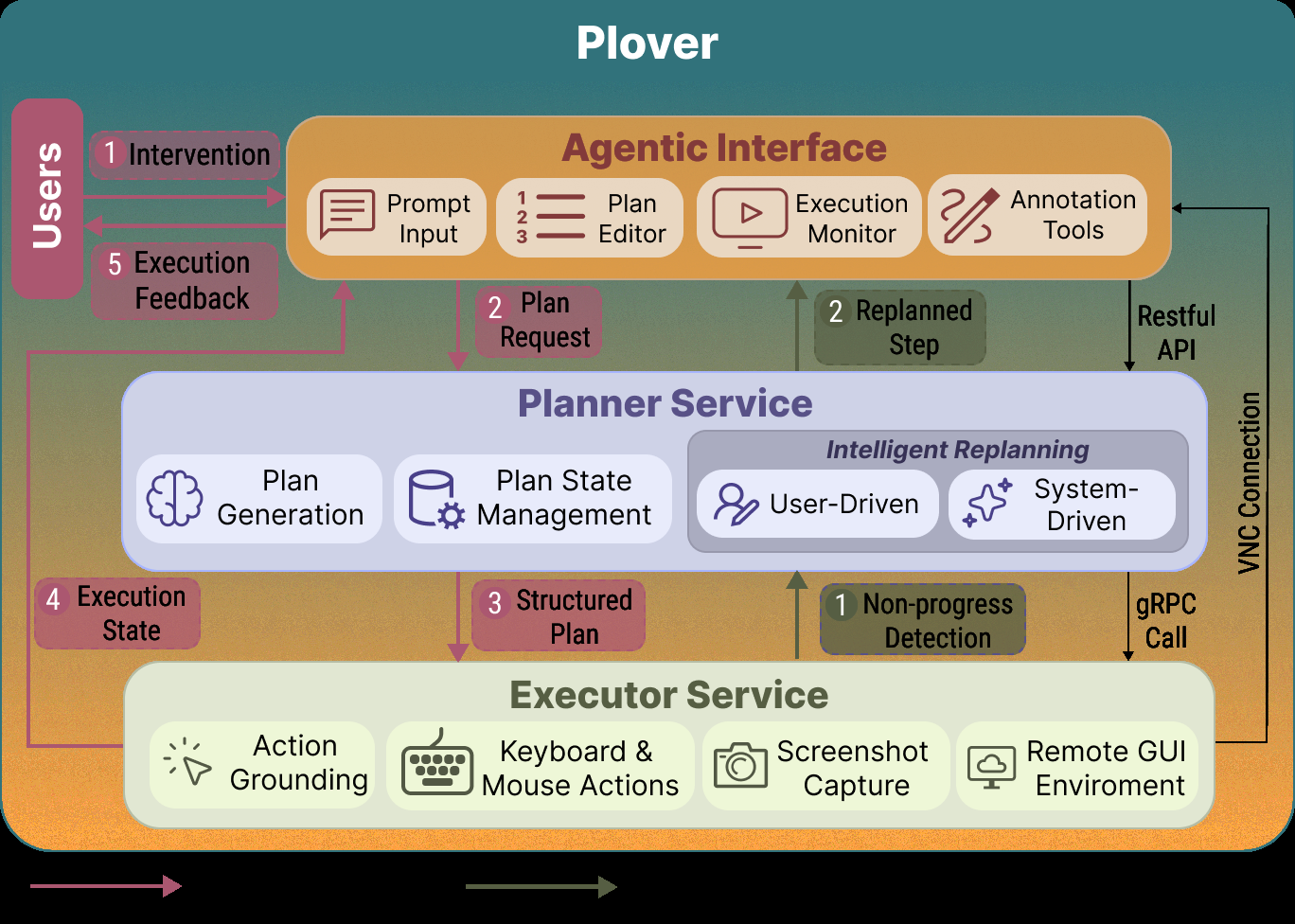
Plover: Steering GUI Agents through Plan-Centric Interaction
Plover addresses the challenges of autonomous GUI agents that operate over dynamic, visually complex interfaces where failures and drifts from user intent.
research note
Plover addresses the challenges of autonomous GUI agents that operate over dynamic, visually complex interfaces where failures and drifts from user intent.

research note
This paper investigates the feasibility and impact of poisoning language model (LM) pretraining data through large-scale third-party content injection on.

research note
This paper addresses the conceptual and technical challenges of formulating relativistic quantum models on noncommutative spacetimes, which are motivated.

research note
RoboTTT addresses the critical limitation of existing robot foundation models that operate on single-step or short visuomotor context by introducing a.
research note
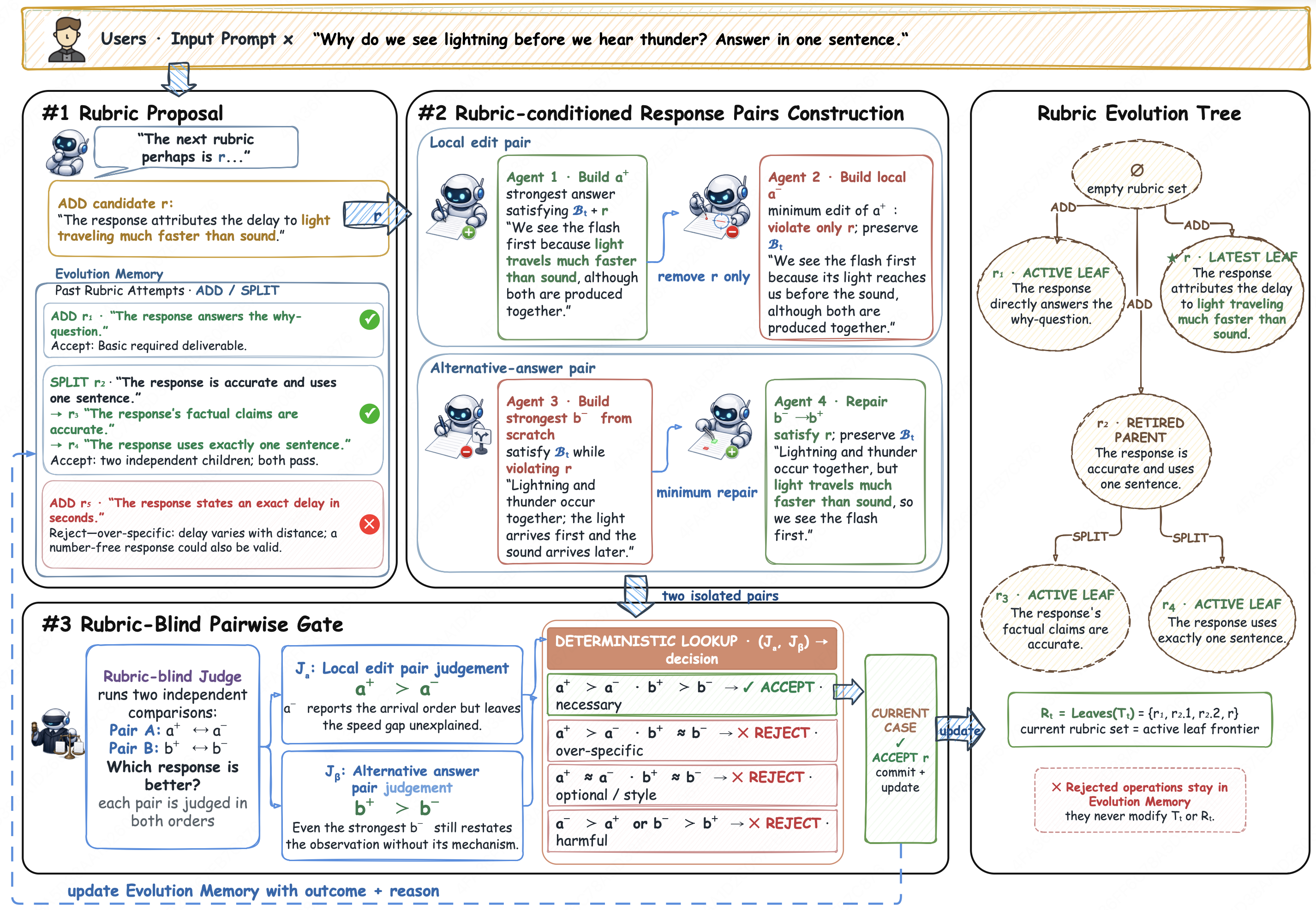
This paper tackles the challenge of generating reliable, query-specific rubrics for evaluating and training large language models (LLMs) without relying.
research note
This paper addresses the challenge of automating scientific figure editing guided by natural-language instructions.

research note
This paper addresses the classical problem of dynamic portfolio optimization for large institutional investors by introducing a Scientific.

research note
This paper addresses the challenge of long-horizon, open-domain information seeking using tool-augmented large language model (LLM) agents.
research note
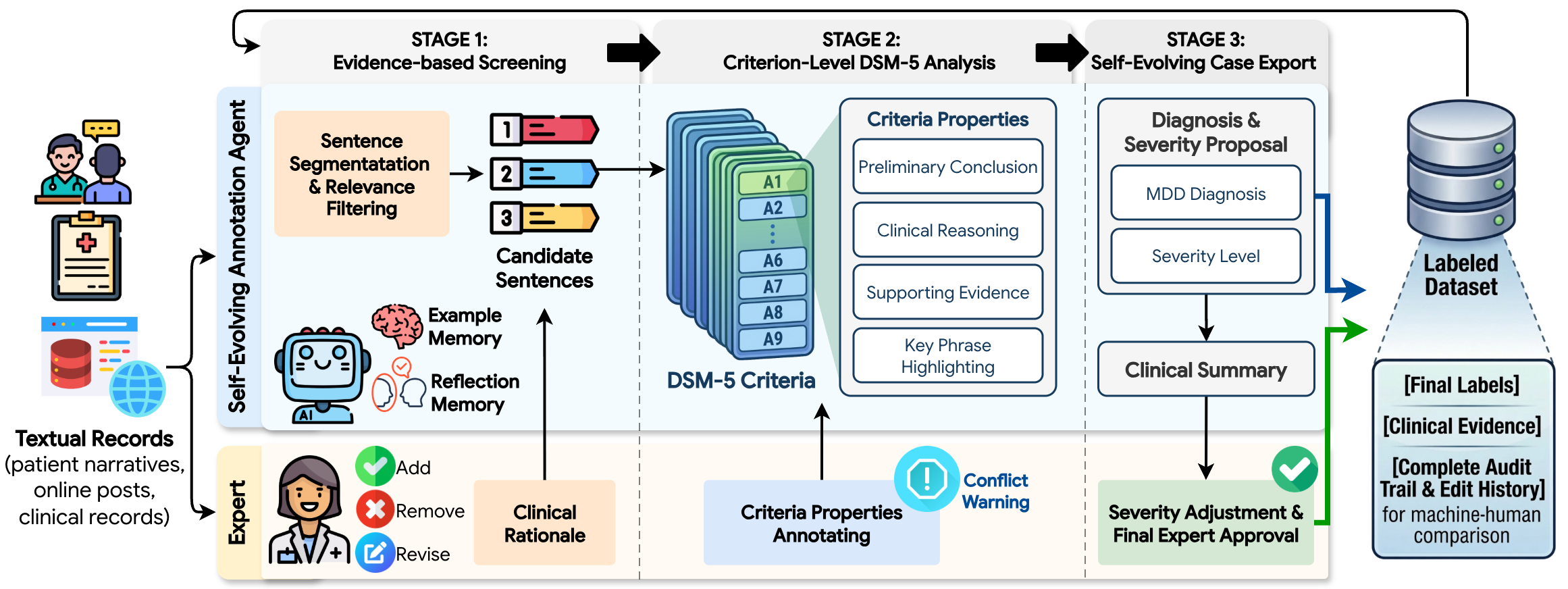
This paper addresses the significant challenge of obtaining high-quality, explainable annotations for depression symptom datasets aligned with DSM-5-TR.
research note
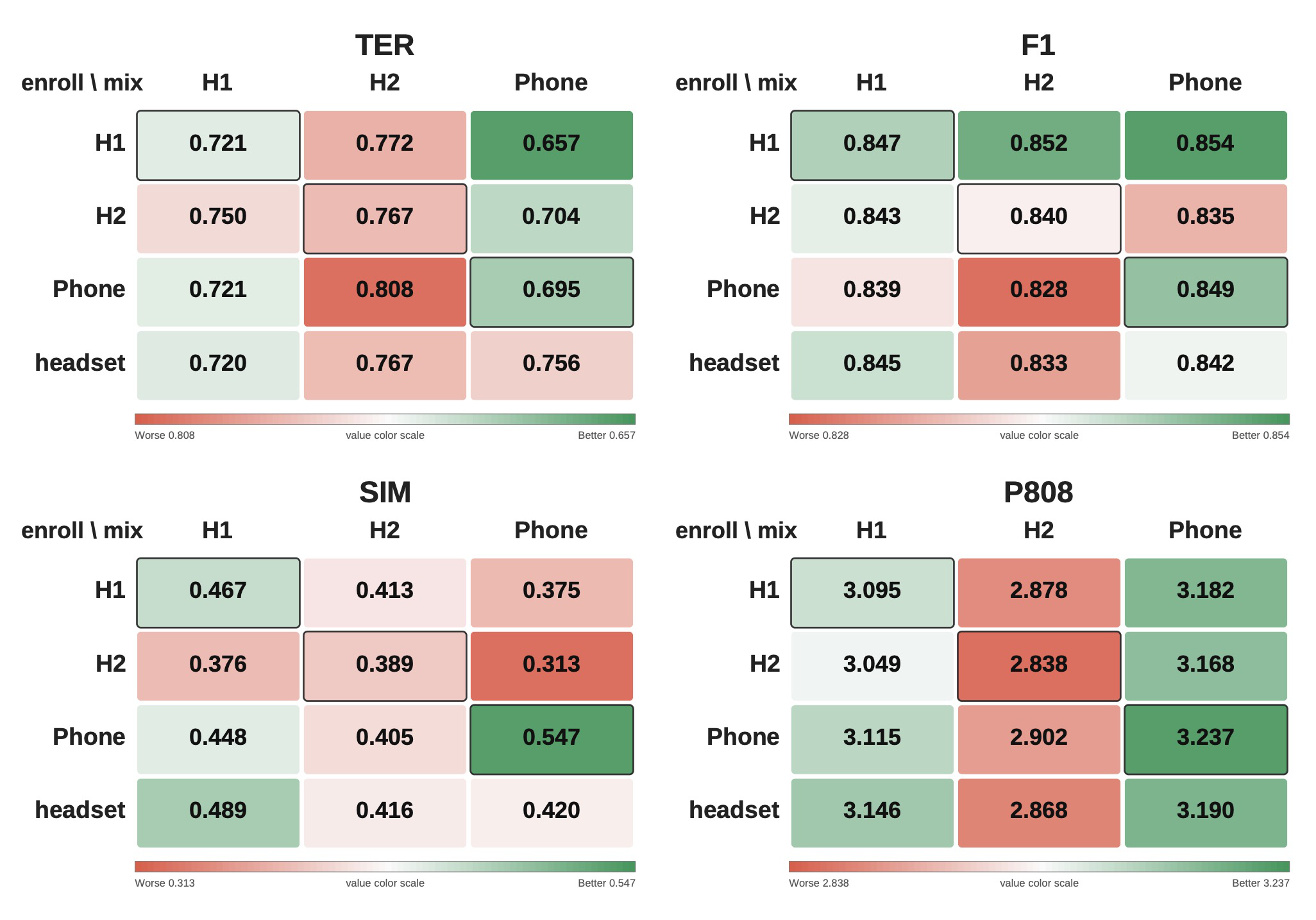
The REAL-TSE Challenge presented at IEEE SLT 2026 addresses the task of target speaker extraction (TSE) in real-world conversational recordings featuring.

research note
This paper addresses the problem of unsupervised visible-infrared person re-identification (USVI-ReID), a challenging cross-modal retrieval task due to.
research note
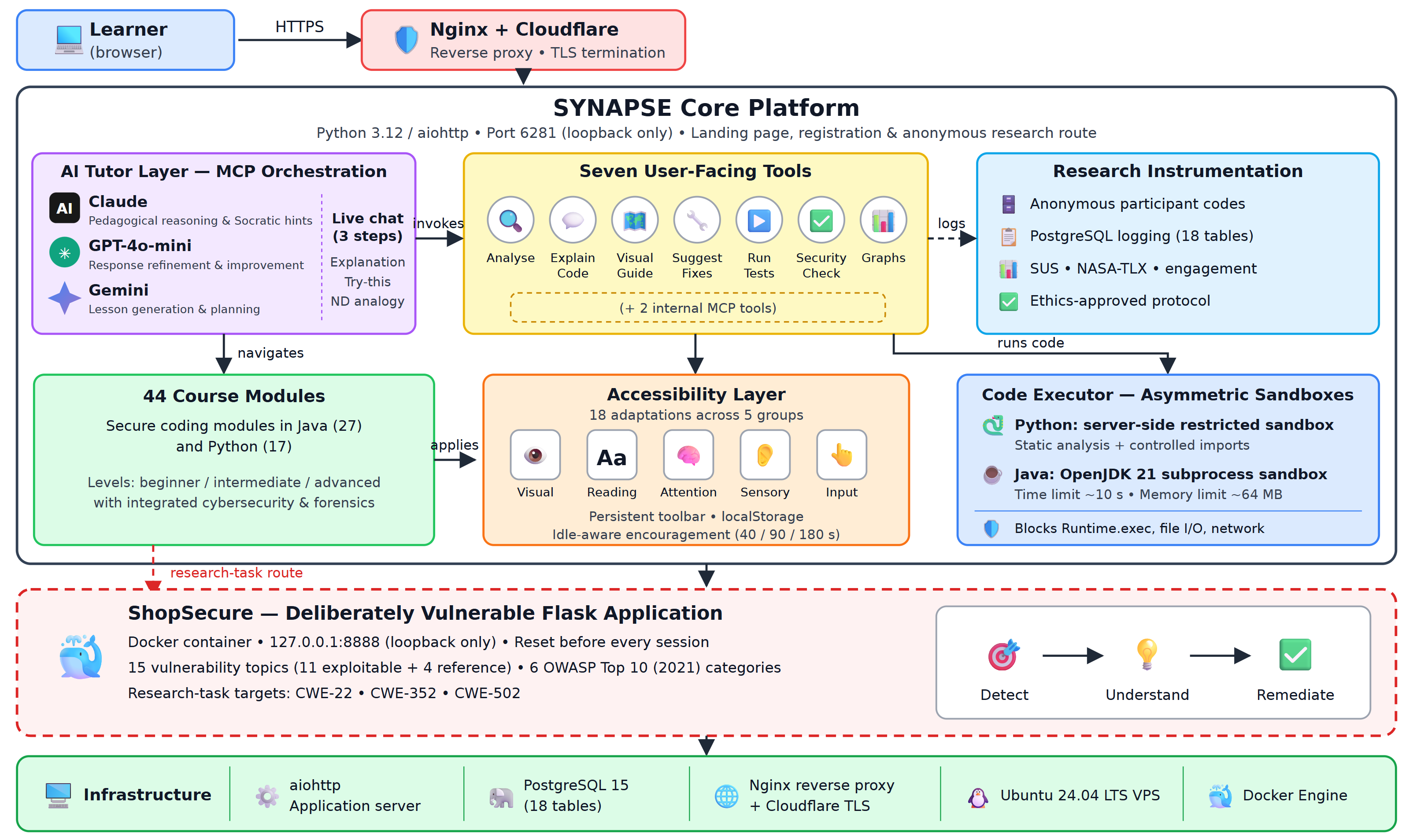
SYNAPSE addresses the underexplored challenge of teaching secure software development as an integrated, adaptive educational experience, focusing on the.