
research note
HTTP REST API Structure Learning
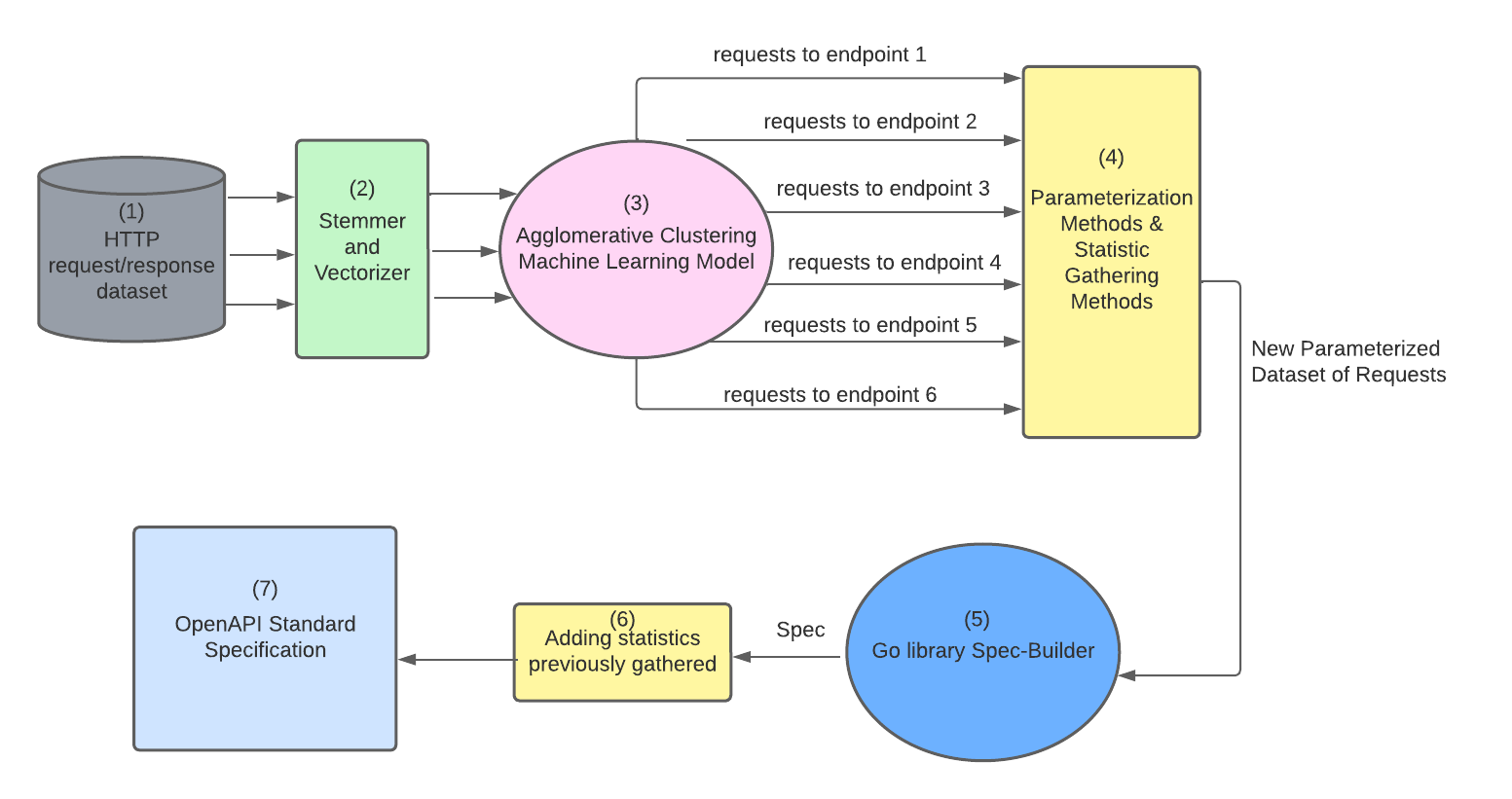
This paper addresses the challenge of securing HTTP REST APIs by learning their structural behavior directly from observed network traffic, without.
research note
This paper addresses the challenge of securing HTTP REST APIs by learning their structural behavior directly from observed network traffic, without.

research note
This paper addresses the problem of unreliable or biased evidence sources impacting the outputs of large language model (LLM)-based retrieval-augmented.

research note
This paper addresses the critical problem of unlearning sensitive memorized data, specifically personally identifiable information (PII), from large.
research note
This paper addresses the problem of selecting the most informative few-shot examples for adapting large language models (LLMs) to specialized domains with.
research note
This paper addresses the challenge of post-training large language models (LLMs) in specialized domains without access to external supervision or.
research note
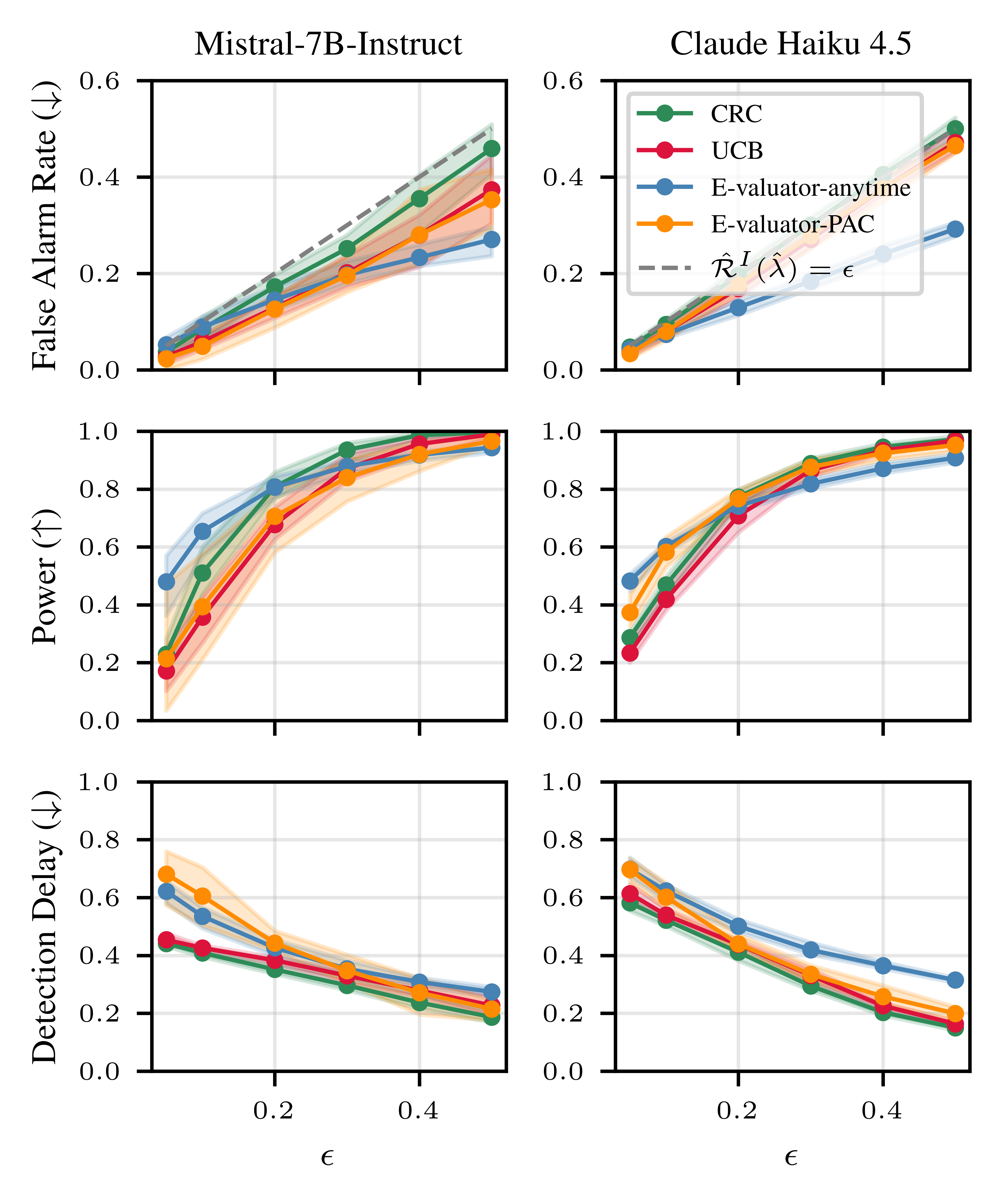
The paper addresses the problem that despite alignment training, large language models (LLMs) remain prone to generating unsafe outputs during deployment.
research note
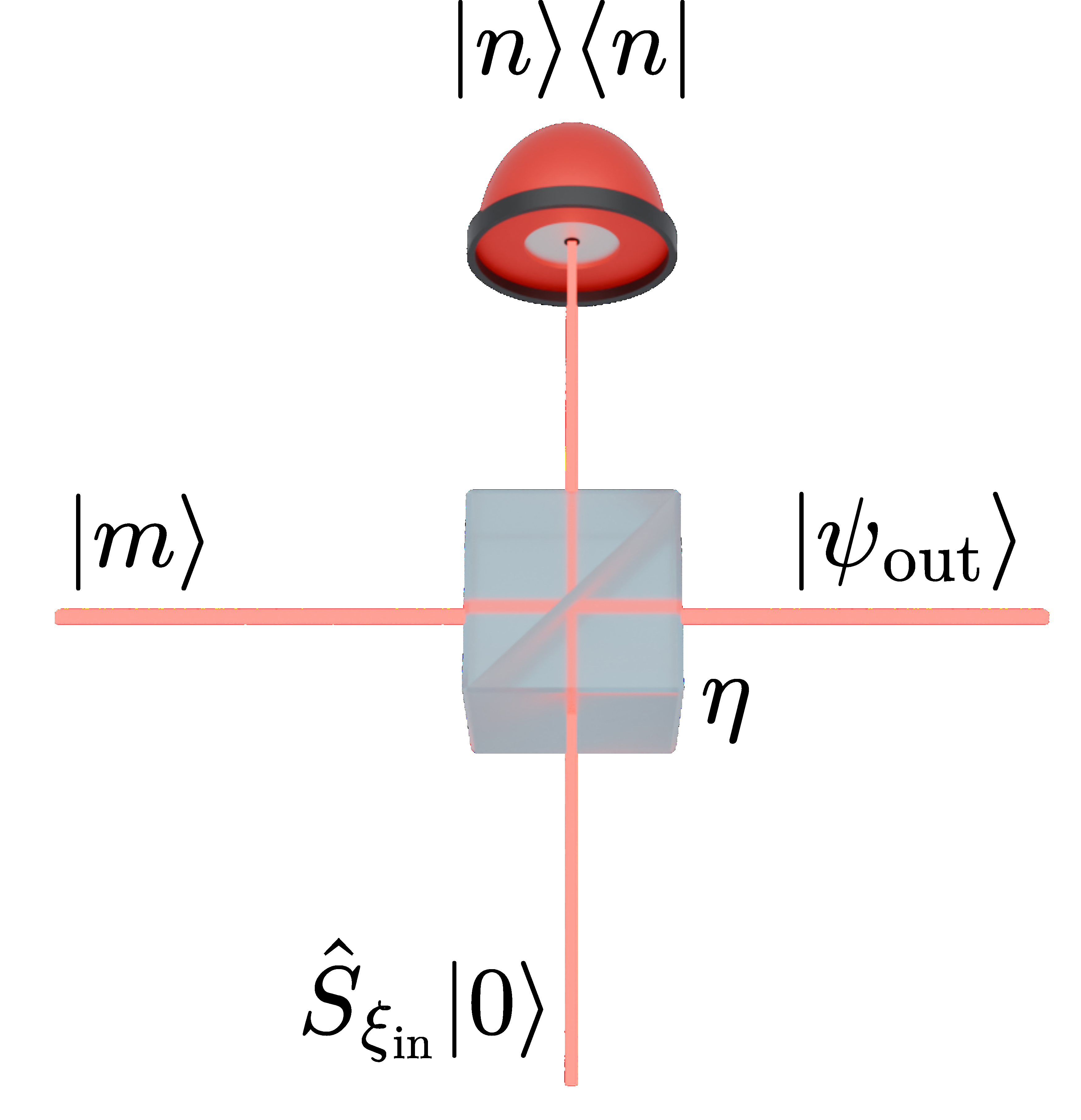
This paper addresses the challenge of efficiently generating non-Gaussian quantum states, particularly squeezed coherent state superpositions (squeezed.
research note
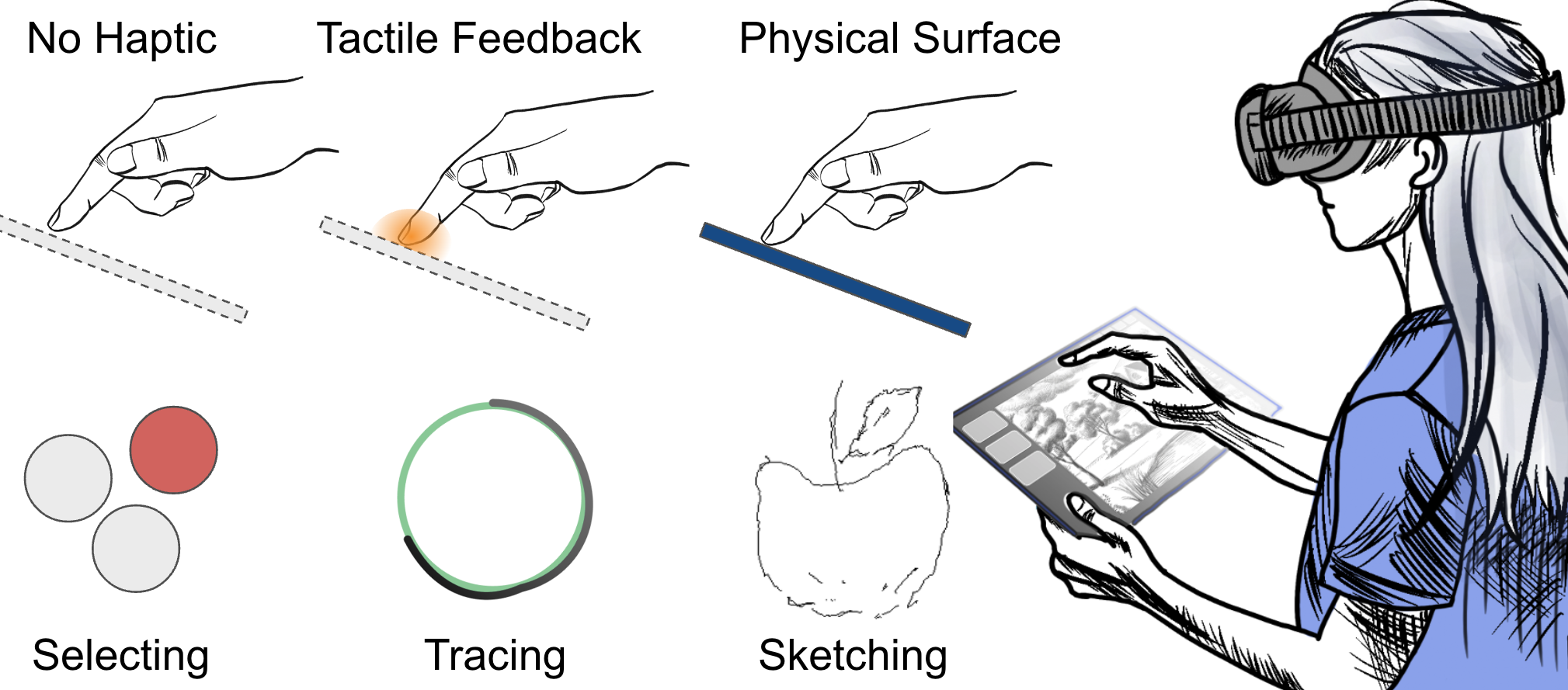
This paper addresses the challenge of achieving precise and efficient touch interactions in virtual reality (VR), where mid-air hand gestures lack tactile.
research note
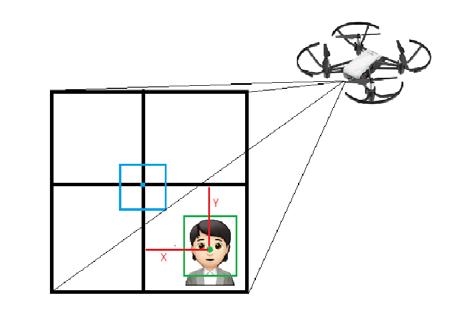
This paper addresses the challenge of deploying advanced real-time visual intelligence on low-cost, resource-constrained drones.
research note
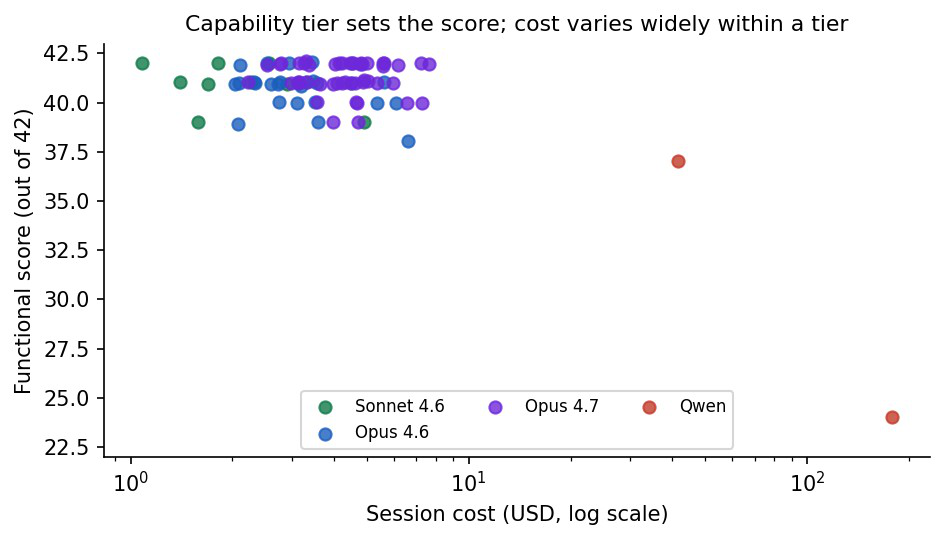
This study investigates what drives first-try reliability in agentic code generation by evaluating 90 independent runs of agents building the same.

research note
This paper addresses the challenging task of speaker recognition in long-form TV dramas, where accurately attributing each spoken utterance to the correct.
research note
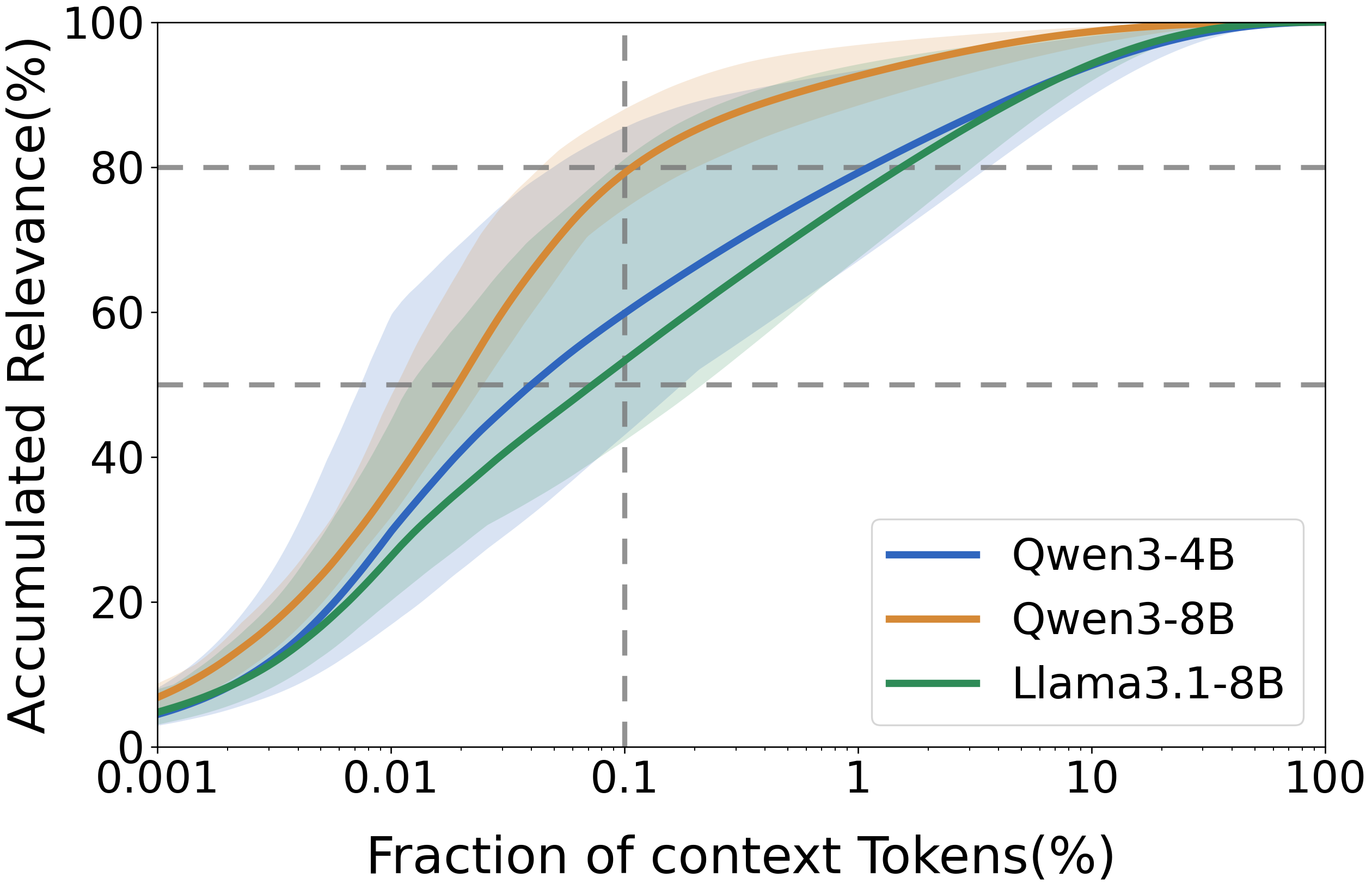
This paper addresses a key challenge in long-context large language model (LLM) use: although models can ingest very long contexts (up to 128K tokens).