
research note
Fault-tolerant quantum algorithms for simulating atomic nuclei
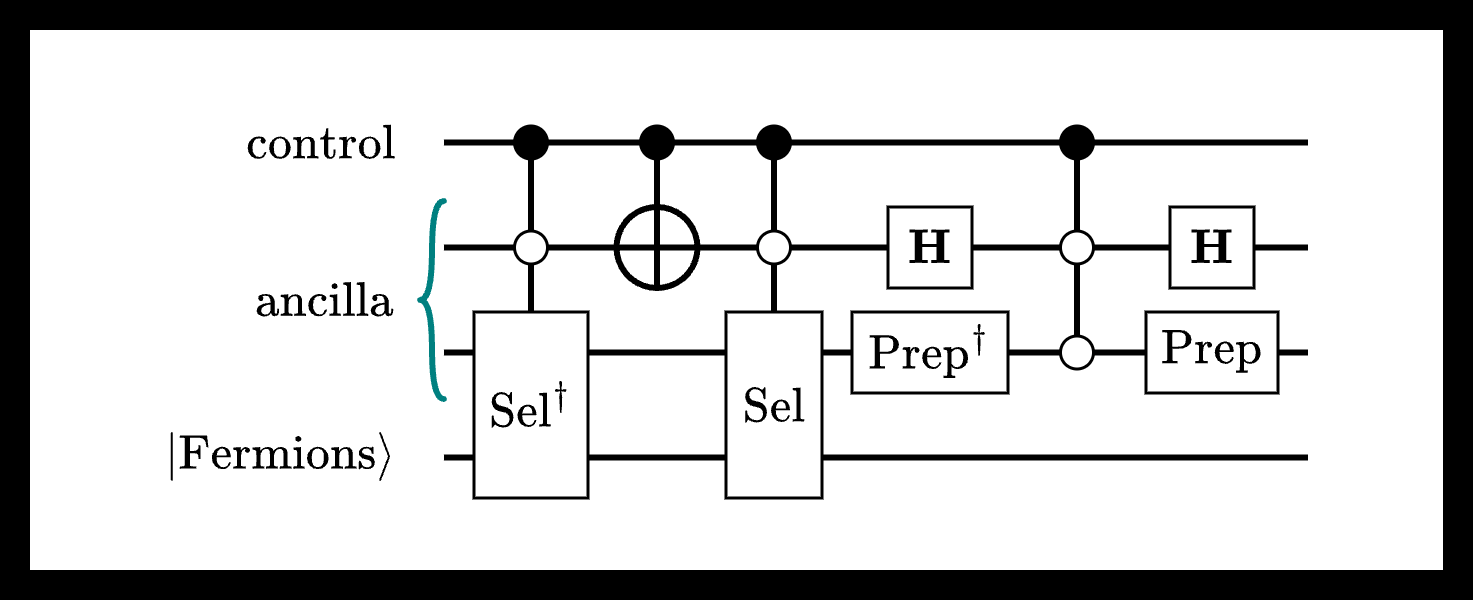
This work addresses the relatively unexplored problem of simulating atomic nuclei on fault-tolerant quantum computers, extending beyond the well-studied.
research note
This work addresses the relatively unexplored problem of simulating atomic nuclei on fault-tolerant quantum computers, extending beyond the well-studied.

research note
This paper addresses the challenge of generating semantically meaningful, executable concurrency tests for stateful Rust library APIs, which expose.
research note
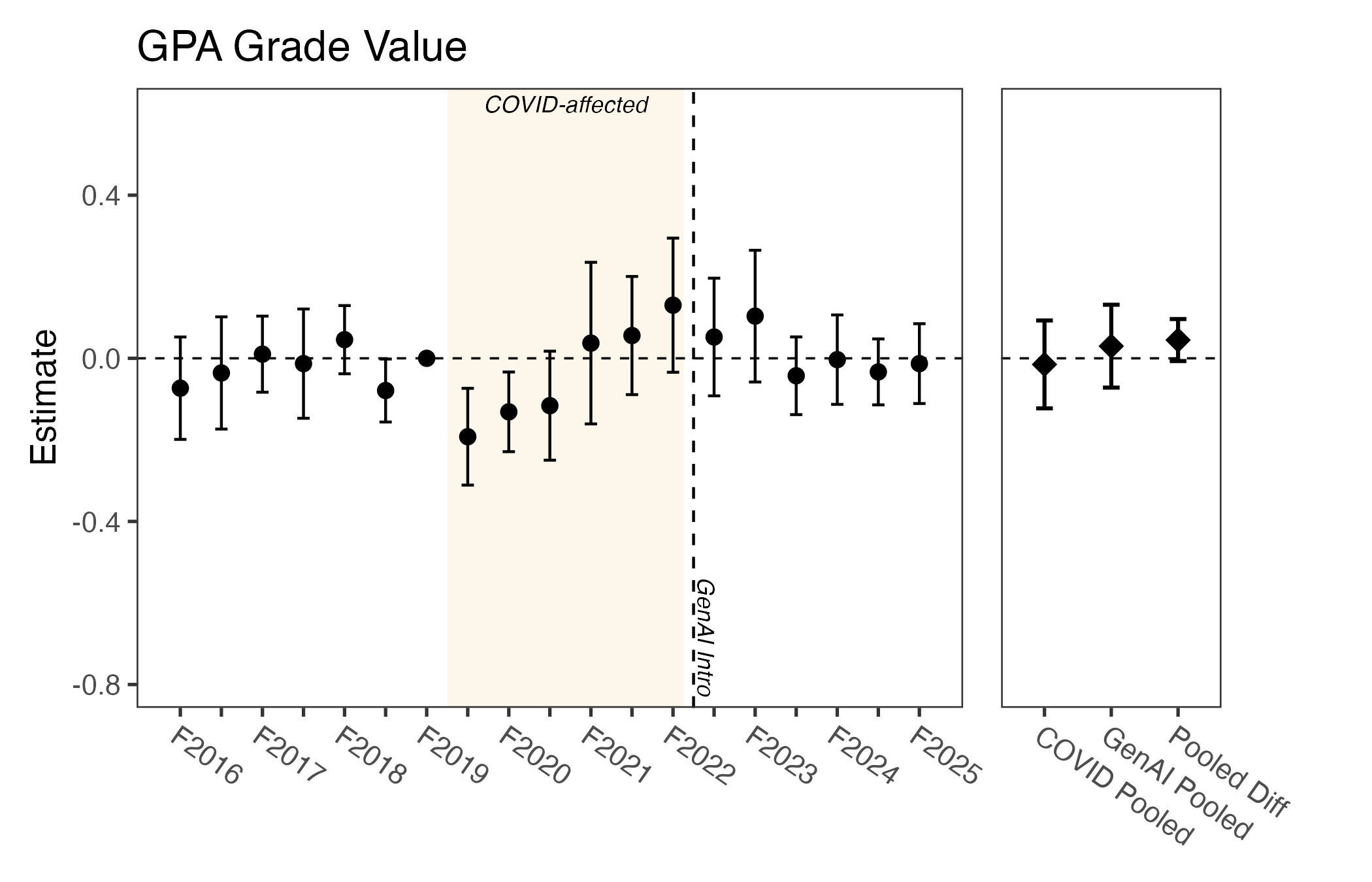
This study rigorously examines the effects of generative AI (GenAI) availability—marked by ChatGPT's public release in late 2022—on student academic.

research note
GraphVid addresses the limitations of existing controllable image-to-video (I2V) generation methods, which often rely on low-level motion cues, trajectory.

research note
GS-Agent addresses the challenging task of generating dynamic, physically realistic 4D worlds from natural language input.

research note
This paper addresses a long-standing open problem in information theory and combinatorics: improving lower bounds for the Shannon capacity of odd cycles.

research note
MedGame addresses the challenge in medical education of transforming static clinical case reports into interactive, decision-centered learning.

research note
This study investigates the distribution and kinematics of neutral atomic hydrogen (H I) on megaparsec scales around the Hickson Compact Group 100 (HCG.
research note
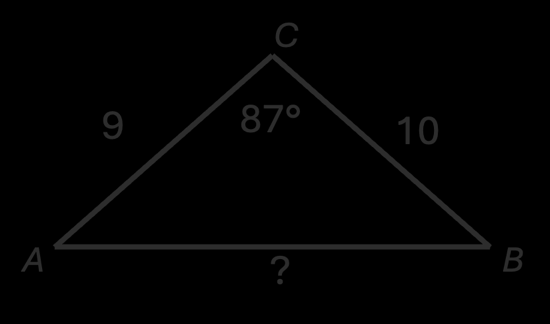
This paper addresses a fundamental challenge in multimodal reasoning with vision-language models (VLMs), focusing on geometry problems that can be.

research note
OpenForgeRL addresses a critical gap in training advanced AI agents that operate through complex inference harnesses—such as Claude Code, Codex, and.

research note
This paper addresses the critical challenge of topological freezing in lattice QCD simulations, a problem that severely limits the efficiency of.
research note
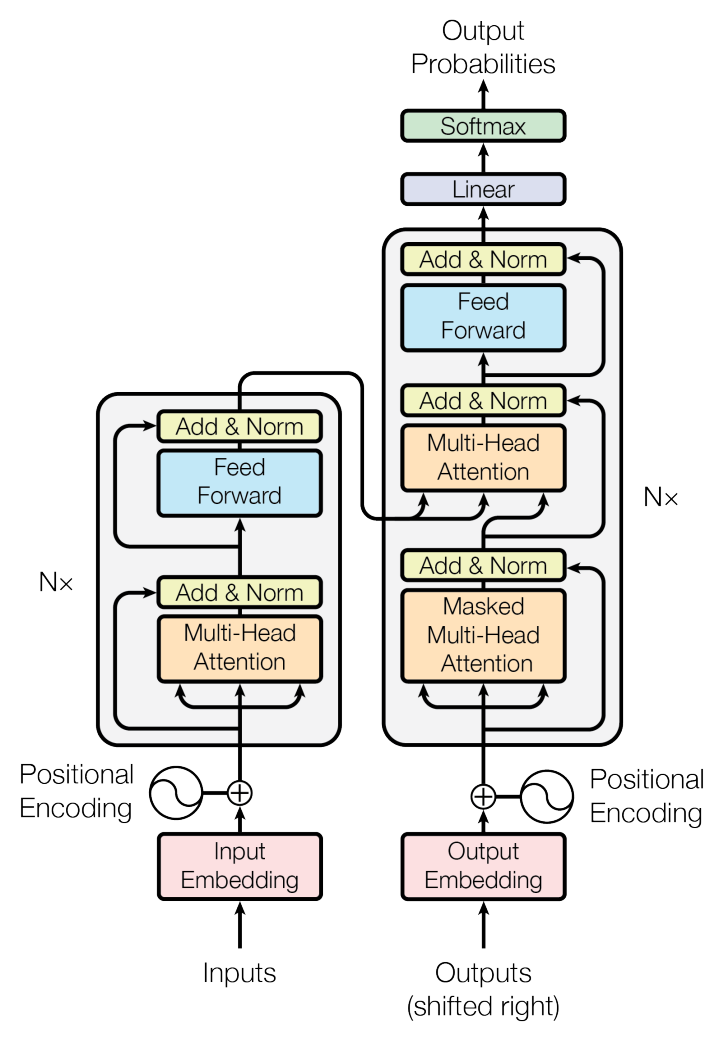
This work tackles the fundamental performance bottleneck of transformer inference caused by extensive data movement between memory and processing units.