
TACT: Taxonomy-Aligned Post-Training for Pedagogically Adaptive English Tutoring
Source: arXiv:2608.03952 · Published 2026-08-04 · By Dongjie Yang, Siyan Lin, Leixian Shen, Rui Sheng, Huamin Qu, Zixin Chen
TL;DR
This paper addresses the challenge of enabling large language models (LLMs) to provide pedagogically adaptive English-as-a-second-language (ESL) tutoring beyond fluent response generation. Drawing on established human tutoring research, the authors propose TACT, a taxonomy-aligned framework that formalizes tutor decision-making via two interconnected taxonomies: a 13-strategy Tutor-Strategy Taxonomy capturing pedagogical functions of tutor responses, and a Student-Move Taxonomy characterizing learner utterances by move type and status. From 260 authentic teacher-student chat lessons, TACTCorpus was constructed with 32,379 detailed annotations, then used to post-train a Qwen3.5-4B LLM. The post-training included supervised fine-tuning followed by taxonomy-grounded Group Relative Policy Optimization (GRPO) to optimize for appropriate pedagogical scaffolding rather than mere imitation of teacher turns. Evaluation on a balanced diagnostic benchmark TACTBench with 78 real tutoring contexts demonstrates a 20.3 percentage point improvement over the backbone model and surpasses proprietary baselines of similar or larger size. A blinded human study with 50 learners further substantiates the model’s stronger guidance, scaffolding, and encouragement performance. The authors release their corpus, benchmark, and model weights to provide an open basis for developing pedagogically-grounded ESL conversational tutors. Thus, the work advances the capacity for compact, adaptive, and interpretable LLM-based tutors that align tutor responses with learner state and instructional needs.
Key findings
- TACTCorpus constructed from 260 authentic ESL lessons containing 32,379 high-quality annotations linking learner moves and tutor strategies.
- Post-training Qwen3.5-4B with taxonomy-aligned GRPO raised TACTBench overall rubric score from 0.629 (backbone) to 0.832 (+20.3%).
- Auxiliary judge flags improved: accept rate increased from 60.3% to 87.2%, leak-or-overhelp fell from 34.6% to 2.6%.
- TACTutor outperformed all evaluated proprietary models on TACTBench despite smaller 4B parameter size (vs e.g. qwen3.7-max and GLM-5.2).
- In a blinded study with 50 participants and 200 diverse tutor-learner conversations, TACTutor scored highest mean learner ratings (5.54/7) in guiding, scaffolding, encouragement, and self-correction.
- TACTutor maintained or improved performance relative to backbone Qwen3.5-4B on multiple external educational benchmarks including math and STEM tutoring datasets.
- Inter-annotator reliability for student move and tutor strategy taxonomies reached substantial agreement (Cohen’s kappa 0.708 to 1.0).
- The taxonomy-guided policy optimization balanced instructional support selection and natural language realization, improving pedagogical decision quality beyond reference imitation.
Threat model
n/a — this work is focused on pedagogically adaptive ESL tutoring rather than adversarial or security threats. The main assumption is access to authentic learner-tutor chat logs and annotations to learn tutor policies.
Methodology — deep read
Threat model & assumptions: The adversary is not explicitly modeled as this is an educational NLP application focused on pedagogic decision quality rather than security. Assumption is that learner dialogue data and annotations accurately reflect authentic ESL tutoring interactions.
Data: The main data source is the Teacher-Student Chatroom Corpus v2 (TSCC v2) comprising 260 one-to-one text-based English tutoring sessions across 2 teachers and 13 learners at varying CEFR proficiency levels (B1–C2). The raw chat is merged per participant turn. Annotation includes 32,379 records of tutor response strategies and student move types/statuses, created by expert annotators with iterative codebook development and double-coding yielding substantial inter-rater reliability. Data is split into 2,702 training examples and 78 manually verified diagnostic testing contexts called TACTBench.
Architecture / algorithm: The backbone is Qwen3.5-4B, an open-source LLM. Training consists of: (a) supervised fine-tuning (SFT) on the annotated corpus with half the inputs including explicit student-move hints, framed as chat history plus learner profile/task level input prompting next teacher turn generation; (b) taxonomy-grounded Group Relative Policy Optimization (GRPO) which generates multiple response candidates per context, passes them through a frozen pedagogical judge scoring responses on 5 rubric dimensions (strategy alignment, agency, accuracy, tone, conciseness) and 3 failure flags; these scores form a composite reward with weighted terms for pedagogical correctness and penalty for leakage or incoherency; policy is updated with a KL divergence constraint to avoid straying too far from the SFT baseline.
Training regime includes parameter-efficient LoRA tuning during SFT, specific hyperparameters for GRPO reward weights (α=0.2, β=0.1, γ=0.3, δ=0.2, λ=µ=1.0) and clipping rewards between -3 and 2. Exact epochs and batch sizes are not specified in the main text but appendices provide training configuration details. Hardware and seed controls are not detailed.
Evaluation protocol: TACTBench diagnostic evaluation uses the 78 strategy-balanced authentic contexts where models generate next teacher-turn responses without access to gold student annotations or tutor strategy labels, simulating deployment. A frozen expert judge scores responses on the 5 rubric dimensions normalized to [0,1]. Baselines include backbone Qwen3.5-4B and multiple proprietary commercial models of higher parameter counts. A blinded human study with 50 ESL learners using Prolific crowdsourcing collects subjective tutor ratings on guiding, scaffolding, encouragement, and learner self-correction support. External generalization is tested on unrelated STEM and math tutoring benchmarks for sanity checks. Auxiliary judge failure rates are reported separately.
Reproducibility: The authors release TACTCorpus, TACTBench, and TACTutor model weights publicly, enabling exact replication and further research. Although some training details are deferred to appendix, the provided resources greatly enhance reproducibility. The pedagogical judge is based on a DeepSeek model but exact code is not specified.
Concrete Example: Given a learner utterance attempting a sentence but containing a spelling error, the student-move taxonomy labels it as an Answer/Attempt with status Problematic/Needs Repair. The model then selects an appropriate pedagogical strategy, such as providing a Hint or Error Flagging rather than a direct correction, preserving learner agency. During GRPO, multiple candidate tutor turns are generated and scored by the frozen judge on how well they realize the intended strategy and support learner reflection versus over-helping. Policy updates prefer responses that balance pedagogical precision, natural tone, and appropriate learner scaffolding in this context. This process iterates to improve the model’s instructional decision-making aligned to authentic tutoring goals.
Technical innovations
- Design of a dual taxonomy (Student-Move and Tutor-Strategy) explicitly linking learner dialogue moves with pedagogical tutor actions, enabling structured annotation and model alignment.
- Construction of TACTCorpus, a richly annotated ESL tutoring dialogue dataset with over 32,000 pedagogy-grounded labels from authentic human tutoring sessions.
- Application of taxonomy-grounded Group Relative Policy Optimization (GRPO) post-training, optimizing tutor policy using a multi-dimensional pedagogical reward rather than simple next-turn imitation.
- Development of TACTBench, a specialized balanced diagnostic benchmark and expert judge rubric assessing both pedagogical decision accuracy and natural tutor response quality.
- Open release of annotated data, diagnostic benchmark, and model weights for reproducible development of pedagogically adaptive ESL tutors.
Datasets
- Teacher-Student Chatroom Corpus v2 (TSCC v2) — 260 one-on-one ESL tutoring sessions — public
- TACTCorpus — 2,702 training examples with 32,379 annotations (Student-Move and Tutor-Strategy) — constructed from TSCC v2
- TACTBench — 78 verified authentic tutoring contexts for diagnostic benchmarking — derived from TSCC v2
Baselines vs proposed
- Qwen3.5-4B baseline: TACTBench overall score = 0.629 vs TACTutor (post-trained) = 0.832 (+20.3%)
- qwen3.7-max: 0.829 vs TACTutor: 0.832 (TACTutor slightly higher overall score despite lower param count)
- GLM-5.2: 0.817 overall vs TACTutor: 0.832
- Human evaluation rating mean: Qwen3.5-4B baseline = 5.15/7 vs TACTutor = 5.54/7 (+0.39)
- External benchmarks MRBench DAMR: baseline 0.743 vs TACTutor 0.880
- TutorBench weighted score: baseline 0.497 vs TACTutor 0.519
Figures from the paper
Figures are reproduced from the source paper for academic discussion. Original copyright: the paper authors. See arXiv:2608.03952.
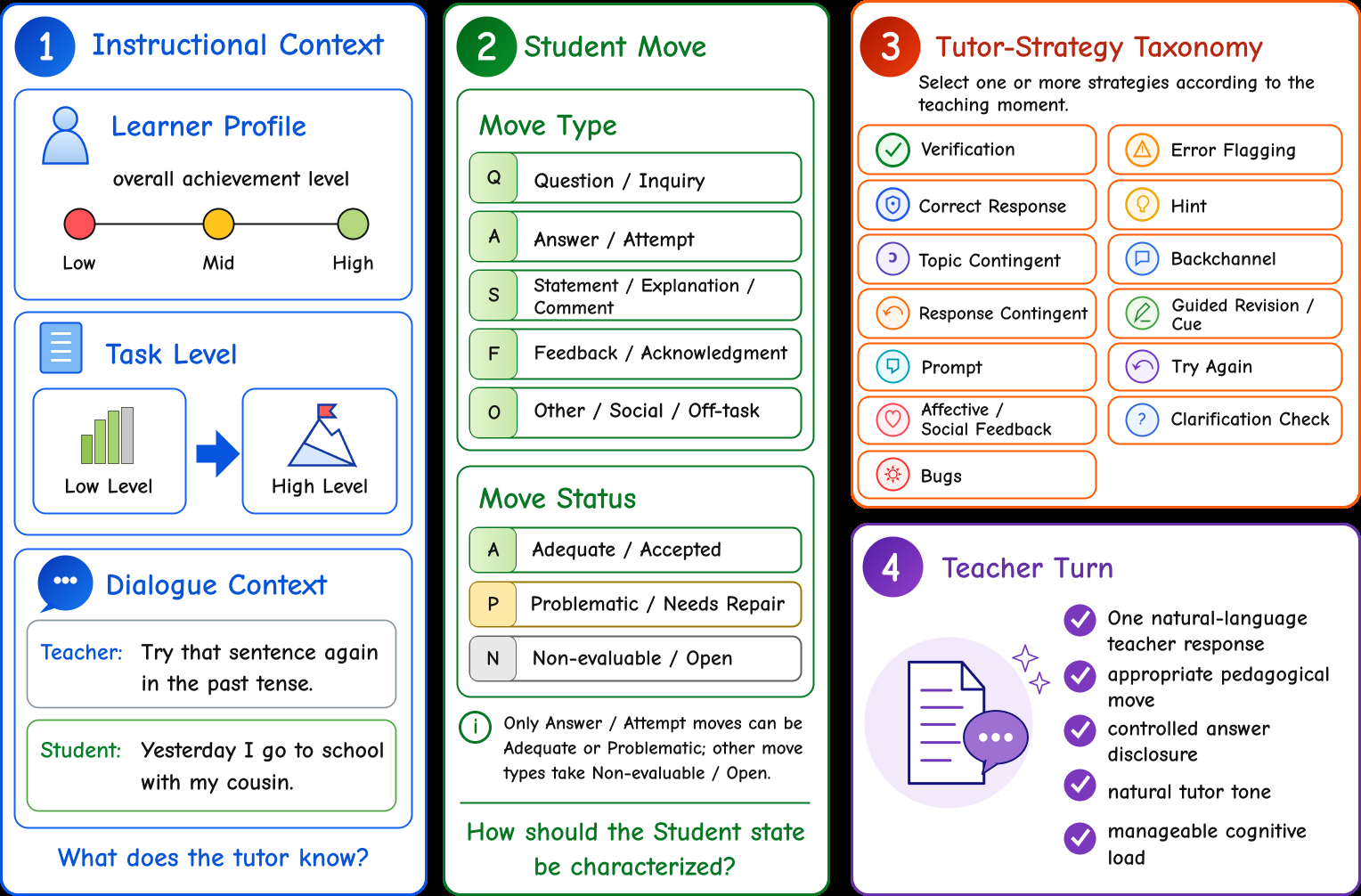
Fig 1: TACT feedback-decision framing for next-turn ESL
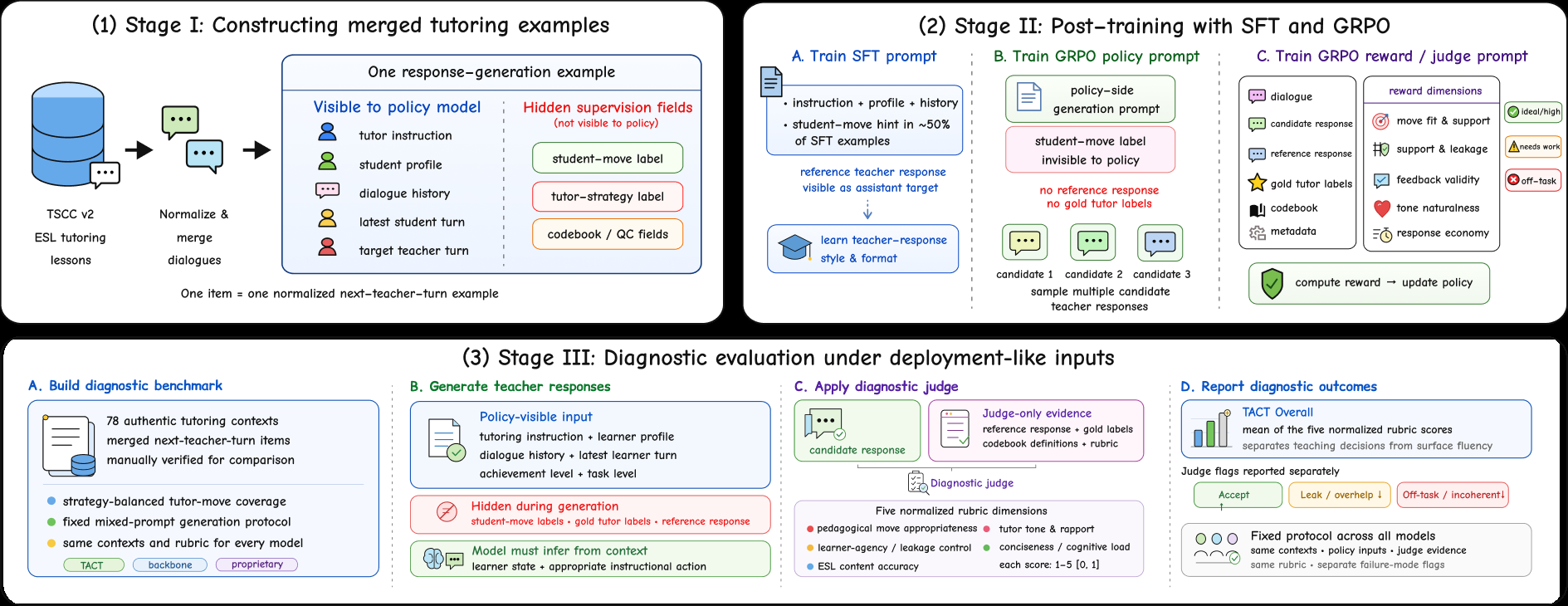
Fig 2: TACT pipeline: Stage I builds TACTCorpus from ESL dialogues; Stage II trains TACTutor with SFT and taxonomy-
Fig 3: An example lesson excerpt from TSCC v2. The corpus stores timestamped, anonymized teacher–student chat turns
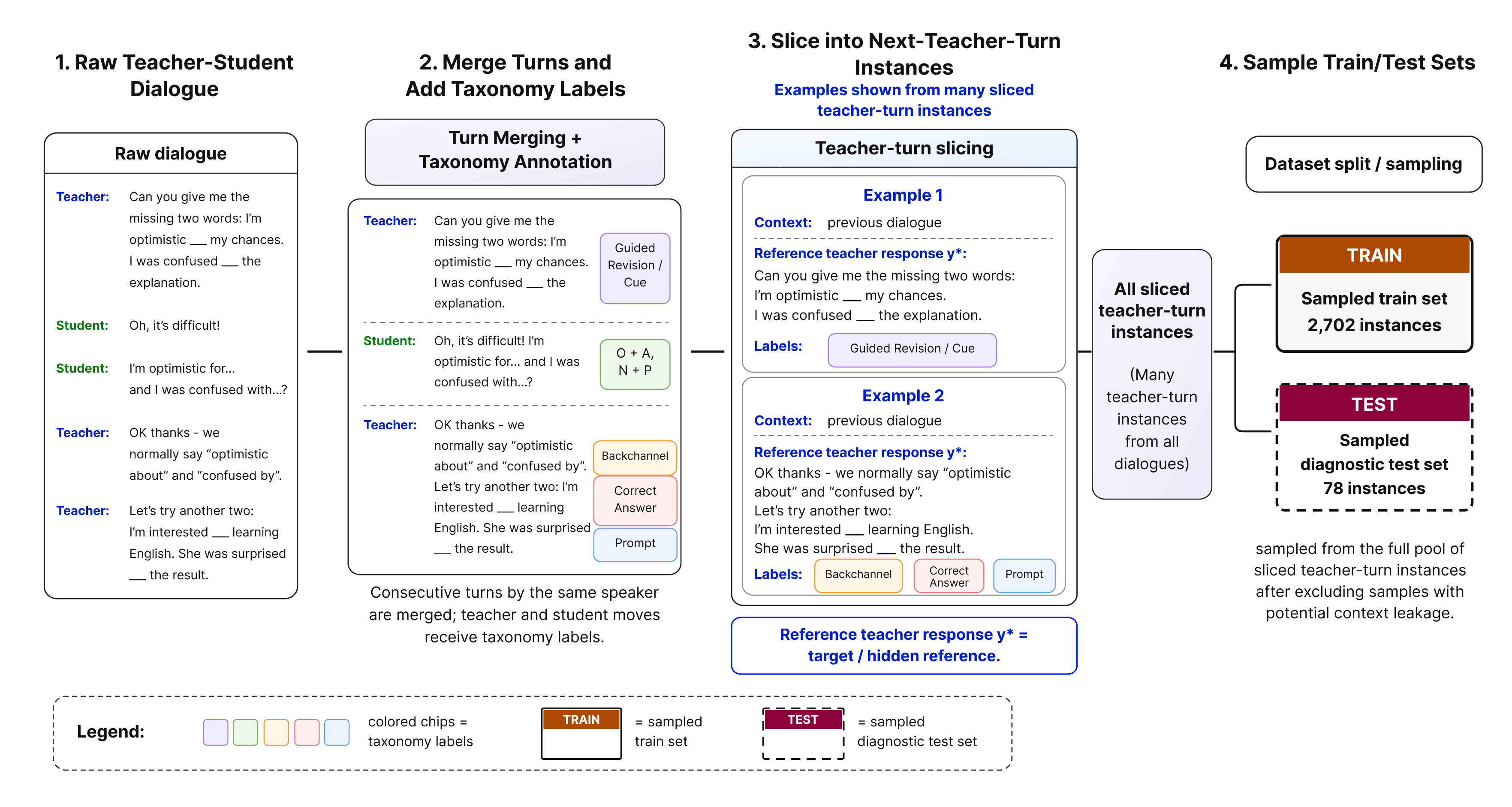
Fig 4: Entry and consent page of the human-evaluation platform.
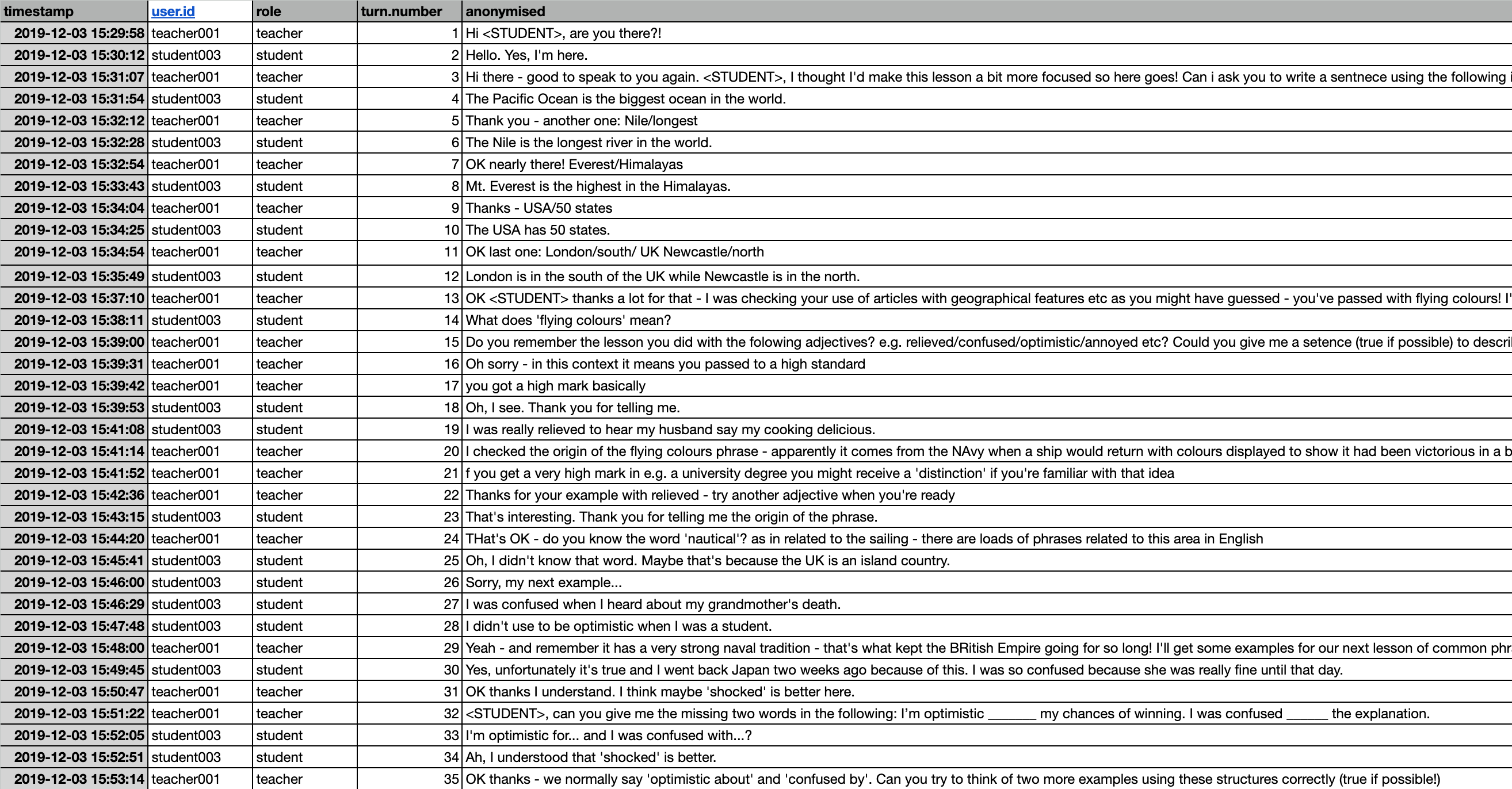
Fig 5: Anonymous tutor conversation interface used in the human-evaluation platform.
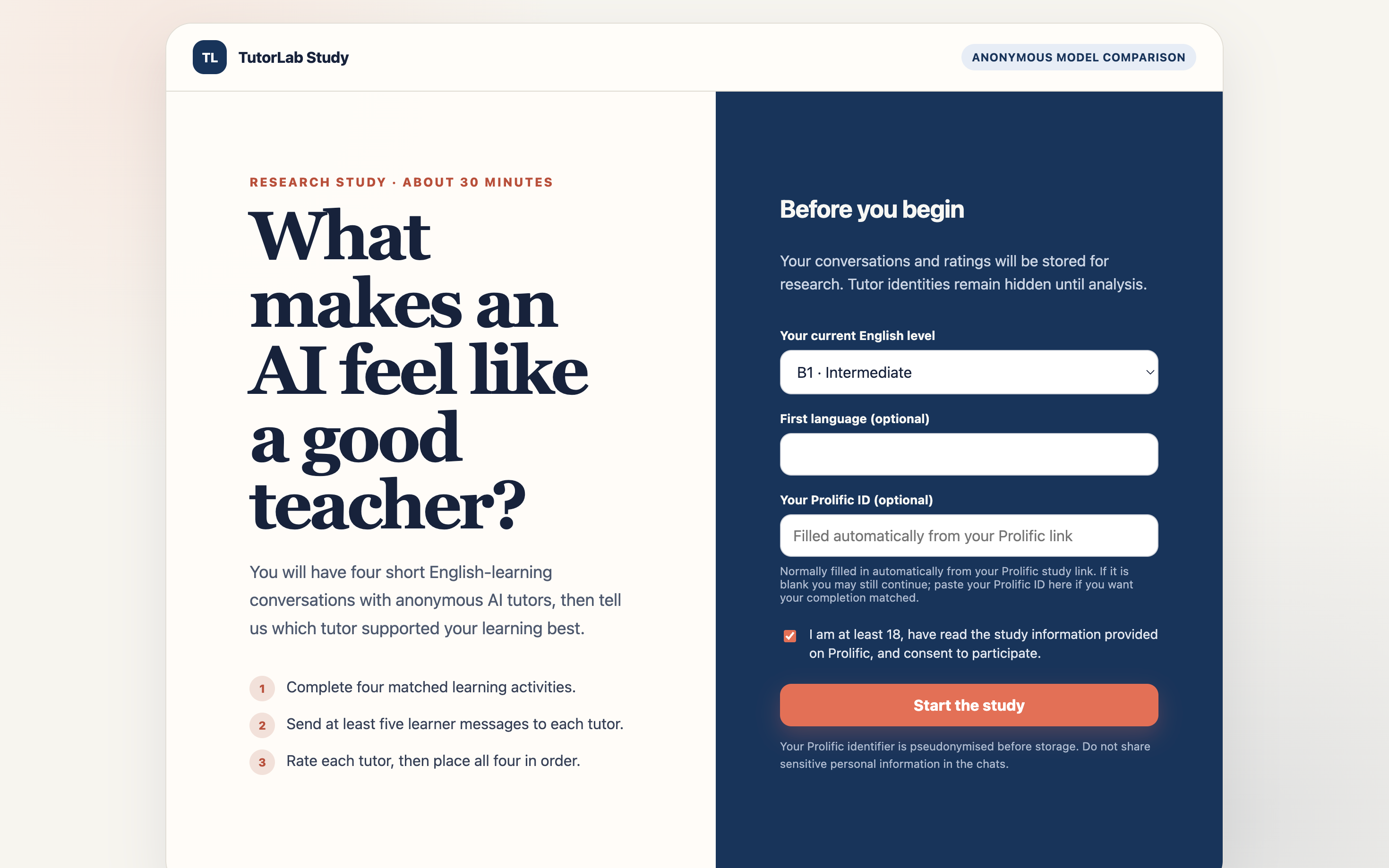
Fig 6 (page 11).
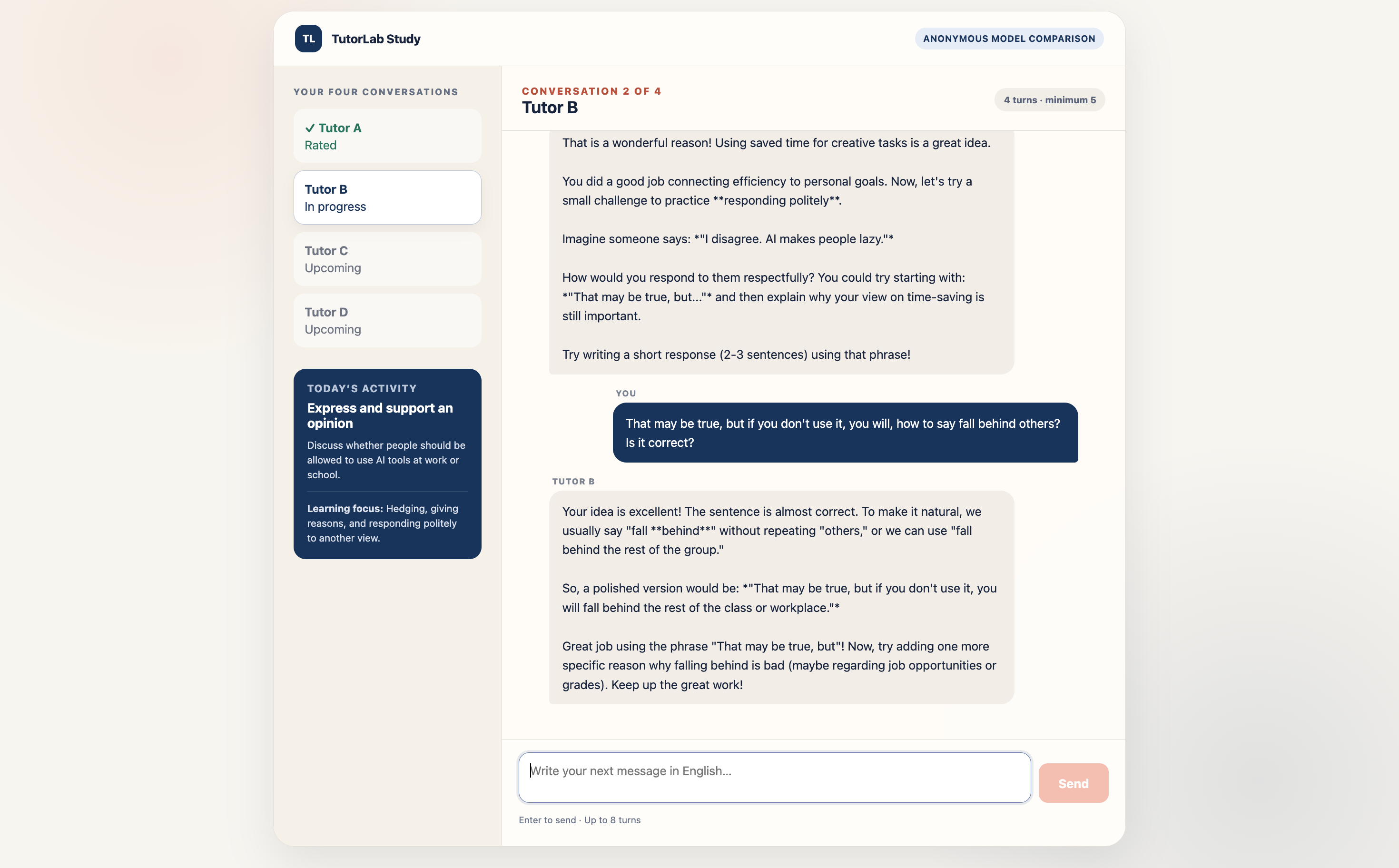
Fig 7 (page 12).
Limitations
- TACTBench and annotations focus on next-turn response quality rather than long-term learner outcomes or motivation.
- The compact taxonomies simplify complex teaching interactions; real teacher feedback blends multiple signals not always separable into discrete labels.
- Evaluation coupling: improvements on TACTBench pedagogy rubric do not guarantee universal teaching quality across domains or contexts.
- Training details such as number of epochs, batch size, hardware setup are under-specified in main text.
- No direct adversarial robustness or privacy evaluation, limiting understanding of vulnerability to manipulation.
- Dependence on handcrafted taxonomy and domain-specific annotation limits immediate transferability to other languages or tutoring subjects.
Open questions / follow-ons
- How do taxonomy-aligned tutoring policies affect long-term learner mastery and retention beyond next-turn feedback?
- Can the taxonomies and training pipeline be extended to other languages, more diverse learner populations, or multi-modal tutoring settings?
- What are the impacts of incorporating learner motivation, affect, and engagement signals into the tutoring policy beyond textual dialogue context?
- How robust is the model to unusual or adversarial learner inputs, and can pedagogical guardrails be strengthened accordingly?
Why it matters for bot defense
Although this work is not directly related to bot-defense or CAPTCHA design, the methodology of taxonomy-guided supervised and reinforcement fine-tuning with human-grounded reward signals could inspire robustness improvements in dialogue-based user-interaction systems. For bot-defense engineers building conversational agents to distinguish human from automated inputs, explicit modeling of interaction types combined with multi-dimensional reward-based training might enhance nuanced behavior detection. The structured annotation and diagnostic benchmark approach also offers a model for auditing complex generation decision systems beyond simple flat classification. Understanding learner-agent interaction dynamics via taxonomies could inform behavioral pattern modeling in other conversational AI applications. However, direct application to security systems requires further domain adaptation and adversary threat modeling.
Cite
@article{arxiv2608_03952,
  title={ TACT: Taxonomy-Aligned Post-Training for Pedagogically Adaptive English Tutoring },
  author={ Dongjie Yang and Siyan Lin and Leixian Shen and Rui Sheng and Huamin Qu and Zixin Chen },
  journal={arXiv preprint arXiv:2608.03952},
  year={ 2026 },
  url={https://arxiv.org/abs/2608.03952}
}