
A New Paradigm for 3D Turbomachinery Design: Generative Diffusion Model Based Framework with Direct Geometry Encoding
Source: arXiv:2607.27093 · Published 2026-07-29 · By Yingfan Geng, Jinhong Wang, Lazaros Papachristodoulou, Sibo Cheng, Teng Cao
TL;DR
This paper addresses the challenge of aerodynamic design in turbomachinery, focusing on centrifugal compressors with complex 3D blade geometries and multi-objective performance targets. Traditional forward surrogate models predict performance from geometry, while inverse design remains difficult due to geometry complexity and parametrisation limitations. The authors propose a new paradigm using a generative diffusion model trained directly on high-dimensional 3D blade coordinate data rather than parametrised representations. By conditioning on design and performance targets (mass flow rate, rotational speed, pressure ratio, efficiency), the model generates 3D blade geometries satisfying these targets.
The novel framework employs a dual diffusion model architecture: a main model generating normalized 3D blade geometry points in cylindrical polar coordinates, and an auxiliary model predicting geometry descriptor vectors for bounding box and blade count. The method enables both fully automatic and manual constrained design generation. Compared to 1D parametrised geometry baselines, the 3D coordinate diffusion model achieves up to 99% solution accuracy and less than 1% unfeasible designs, with verified diversity of generated solutions through statistical distribution comparisons. This coordinate-based diffusion approach demonstrates a flexible, efficient, and accurate inverse design workflow for complex 3D turbomachinery blades, marking a milestone beyond parametrisation limits and traditional forward optimization loops.
Key findings
- The diffusion model achieves up to 99% solution accuracy in generating 3D blade geometries meeting target performance metrics.
- Unfeasible designs produced by the model constitute less than 1% of generated samples, indicating high geometric validity.
- A dual diffusion model architecture allows fully automatic generation by predicting geometry descriptor vectors, or manual input of geometry constraints.
- 3D coordinate-based geometry training demonstrates superior flexibility over 1D parameterised baselines for complex blade shapes.
- The stochastic sampling scheme enables exploration of diverse candidate designs that satisfy primary targets with additional secondary optimization without retraining.
- Dataset consists of approximately 2000 valid 3D compressor blade geometries with simulated aerodynamic performance labels.
- Cylindrical polar coordinate normalization and local scaling effectively handle geometric variance across samples and preserve blade shape features.
- The EDM (Elucidated Diffusion Model) framework with second-order numerical solvers improves sampling efficiency and generation quality.
Threat model
n/a — this work is not a security paper and does not consider adversarial threats or attacks. The adversary model is not specified.
Methodology — deep read
The study proposes an inverse design framework for centrifugal compressors using conditional Elucidated Diffusion Models (EDM) trained directly on 3D blade geometries. The methodology involves several key steps:
Threat Model & Assumptions: The adversary model is not security-focused; rather the assumption is that the diffusion model learns from a curated dataset with known operating conditions (mass flow rate, rotational speed) and performance targets (pressure ratio, efficiency). No explicit adversarial or robustness threats are considered.
Data: The authors generate a dataset of compressor designs by randomly sampling 8 initial design parameters (including radii, blade height, axial length, number of blades, mass flow rate, rotational speed) via Latin Hypercube Sampling across physically realistic ranges. From these parameters, 1D parametrised geometry variables are created, then converted to 3D blade geometries with 16 span-wise profiles and 512 points per profile (3×16×512 point cloud). Aerodynamic performance (pressure ratio PR and isentropic efficiency η) is computed using a validated meanline compressor model at multiple operating points across flow rates (0.07 to 0.12 kg/s) and speeds (70,000 to 90,000 RPM). Approximately 2500 initial samples are generated; after filtering invalid geometries, about 2000 valid 3D samples remain.
Architecture/Algorithm: The main model is a conditional diffusion model trained on normalized 3D blade coordinates represented in cylindrical polar coordinates (x, r, θ) to better capture geometry intrinsic features. Normalization involves local min-max scaling per blade to handle size variation. The denoiser neural network is a UNet with convolutional residual blocks, taking noisy geometry input, conditioning vector (mass flow, speed, PR, η, and geometry descriptor), and noise level to predict clean geometries. The auxiliary model is a separate MLP diffusion model that generates geometry descriptor vectors (bounding box min/max and blade count) conditioned on the operating conditions and performance targets.
Training Regime: The main 3D model is trained for 300 epochs with batch size 32 using the EDM loss, minimizing weighted mean squared error between denoised and ground truth geometries. The auxiliary and 1D parametrised baseline models are MLP-based, trained for 100 epochs with batch size 64. Training hardware and random seeds are not explicitly stated.
Evaluation Protocol: The trained models are evaluated on held-out test data (10% split). Metrics include design accuracy (match between generated geometry performance and targets, up to 99%), percentage of unfeasible designs (<1%), and diversity of generated solutions assessed via statistical distribution comparisons against direct physical parameter samples. The method supports multi-target inverse design exploration without retraining by stochastic diffusion sampling.
Reproducibility: Partial details on dataset generation and model architectures are given, but code and weights are not mentioned as publicly released. Custom in-house blade forming tools and meanline performance models are proprietary.
Example: Given target operating conditions and aerodynamic performance, the auxiliary diffusion model first generates a geometry descriptor vector. This conditions the main diffusion model which produces a normalized denoised 3D blade coordinate tensor. Using local scale parameters from the descriptor, the coordinates are denormalized back to physical space, yielding a full 3D impeller geometry that meets design targets with high accuracy and validity.
Technical innovations
- First turbomachinery inverse design diffusion model trained directly on high-dimensional 3D blade coordinate geometries rather than parametrised representations.
- Dual diffusion architecture combining an auxiliary geometry descriptor generator with a main 3D coordinate diffusion generator enabling flexible manual or automatic design workflows.
- Coordinate normalization in cylindrical polar space with local min-max scaling to preserve geometric and rotational periodic features and mitigate size variance effects.
- Application of Elucidated Diffusion Models with second-order numerical solvers to improve sampling efficiency and diversity in generative turbomachinery design.
Datasets
- Centrifugal compressor geometry and performance dataset — approx. 2000 valid 3D geometries with corresponding CFD-meanline simulated PR and efficiency — proprietary/generated by authors using Latin Hypercube Sampling and meanline model
Baselines vs proposed
- 1D parametrised geometry diffusion model baseline: achieves excellent performance but with less flexibility than 3D coordinate model
- 3D coordinate diffusion model: solution accuracy up to 99% vs. 1D model (not numerically specified), unfeasible designs less than 1%
- Solution diversity: distributions of generated geometries from diffusion model statistically match distribution from direct physical parameter sampling
Figures from the paper
Figures are reproduced from the source paper for academic discussion. Original copyright: the paper authors. See arXiv:2607.27093.
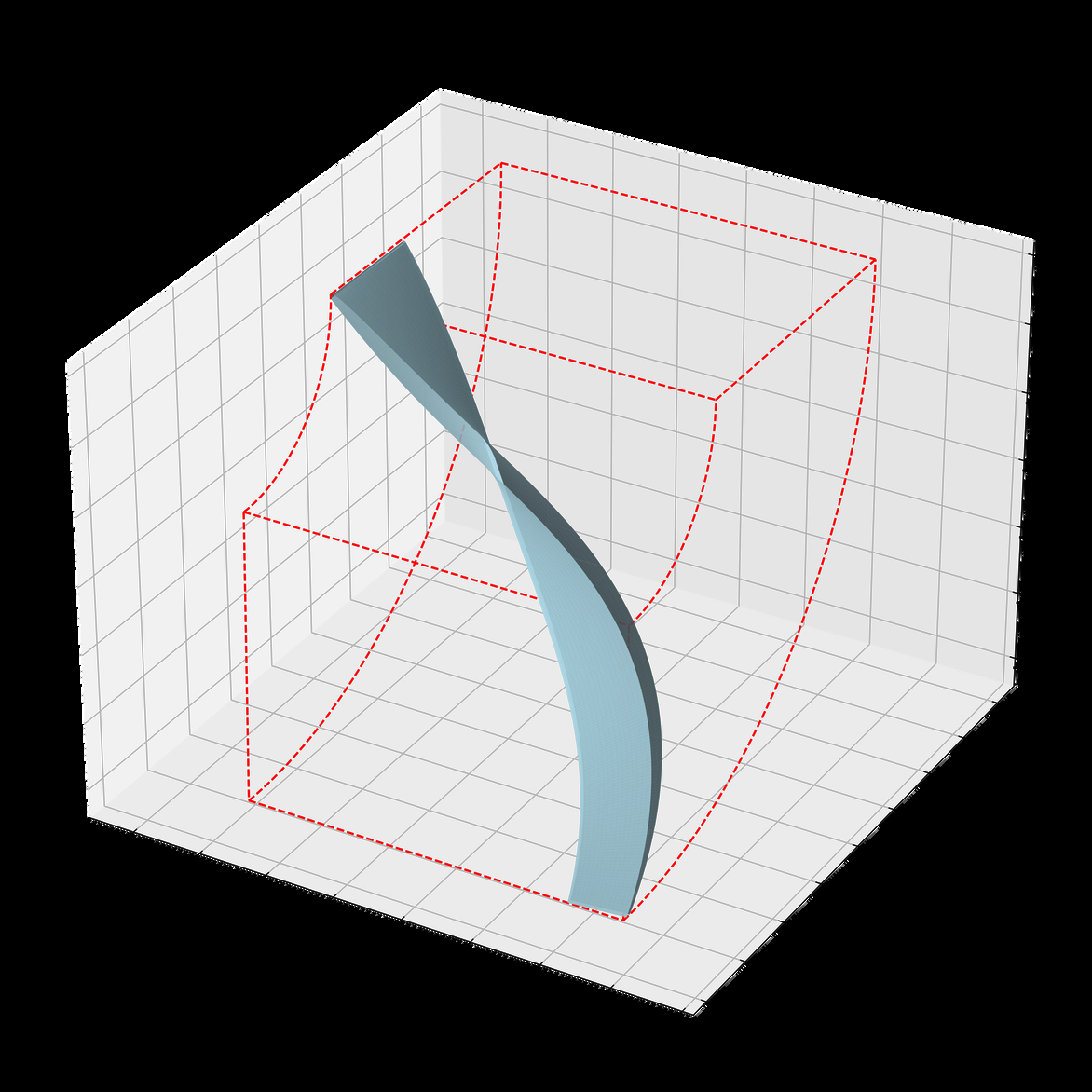
Fig 1: Proposed Centrifugal Compressor Inverse Design Framework with Diffusion Model

Fig 2: Main Impeller Geometry

Fig 3 (page 3).

Fig 4 (page 3).
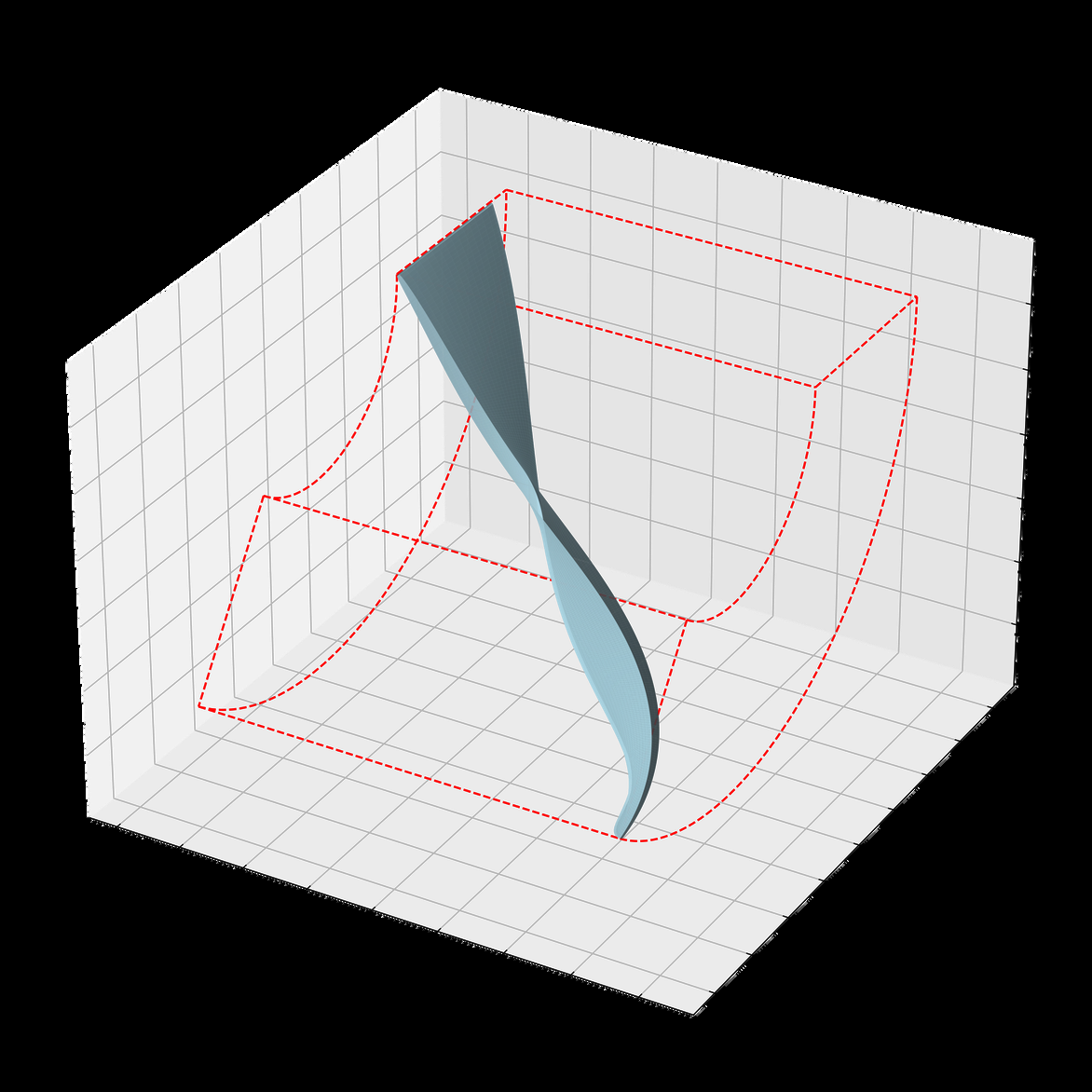
Fig 5 (page 3).
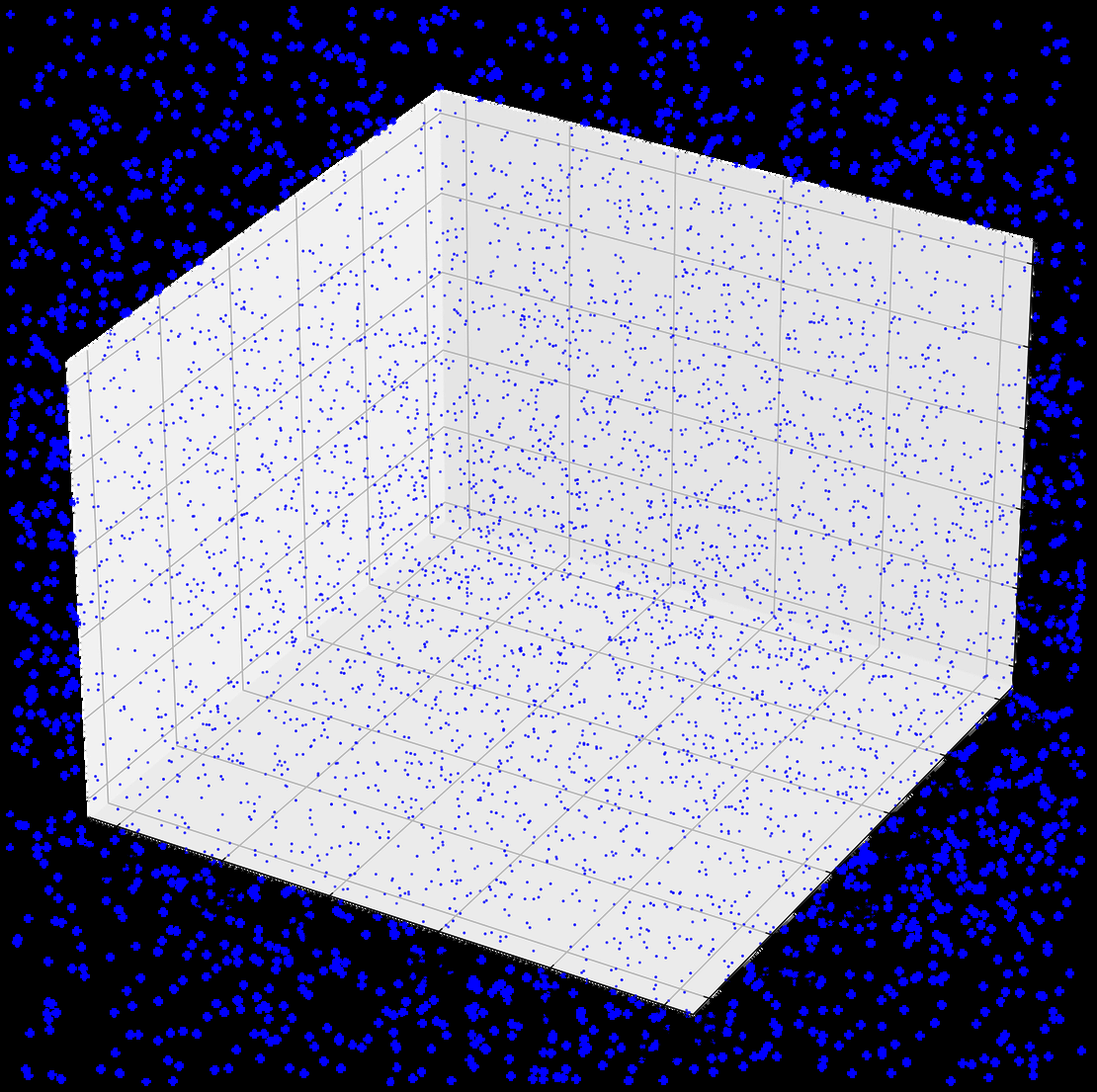
Fig 6 (page 3).
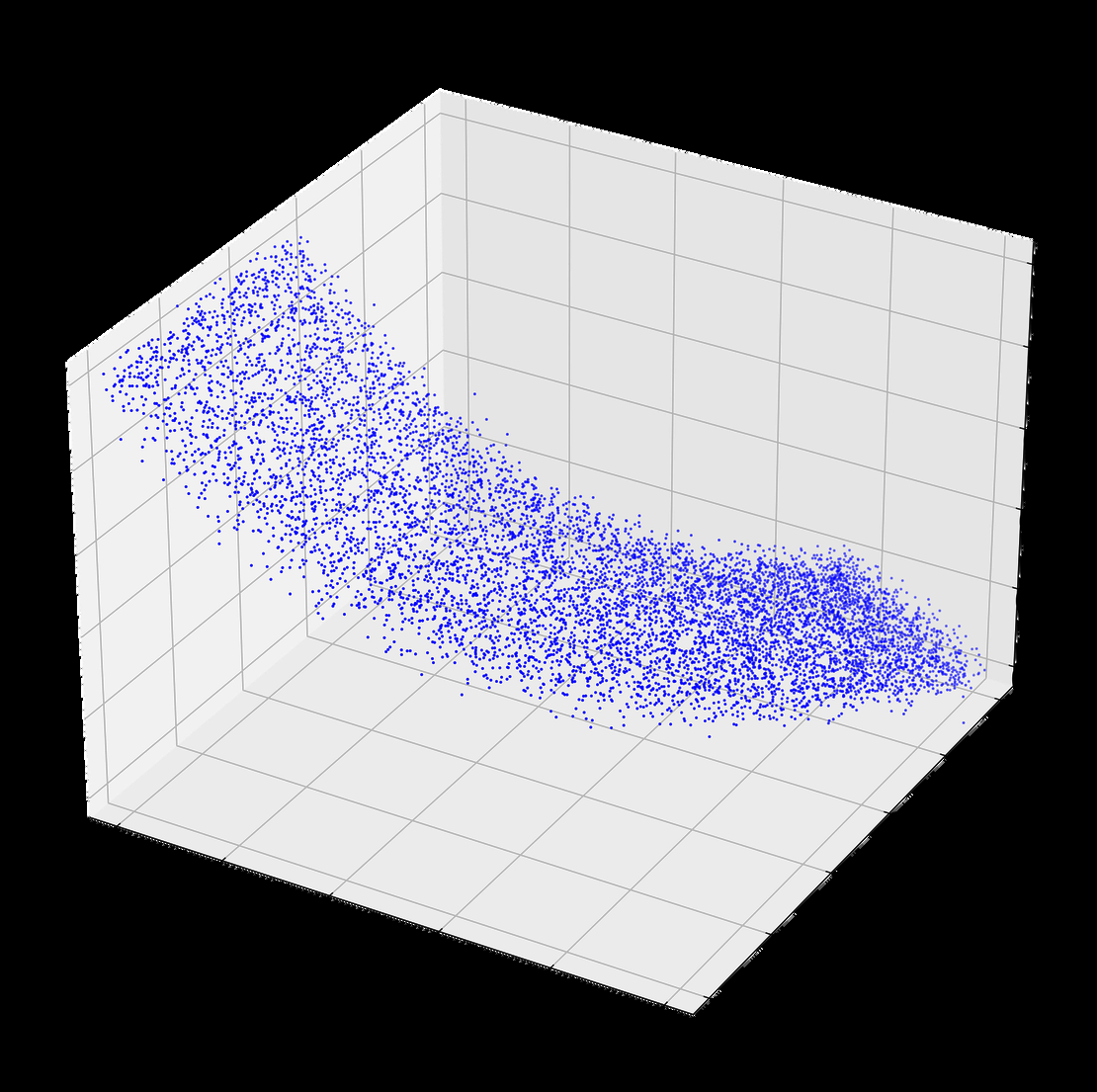
Fig 7 (page 3).
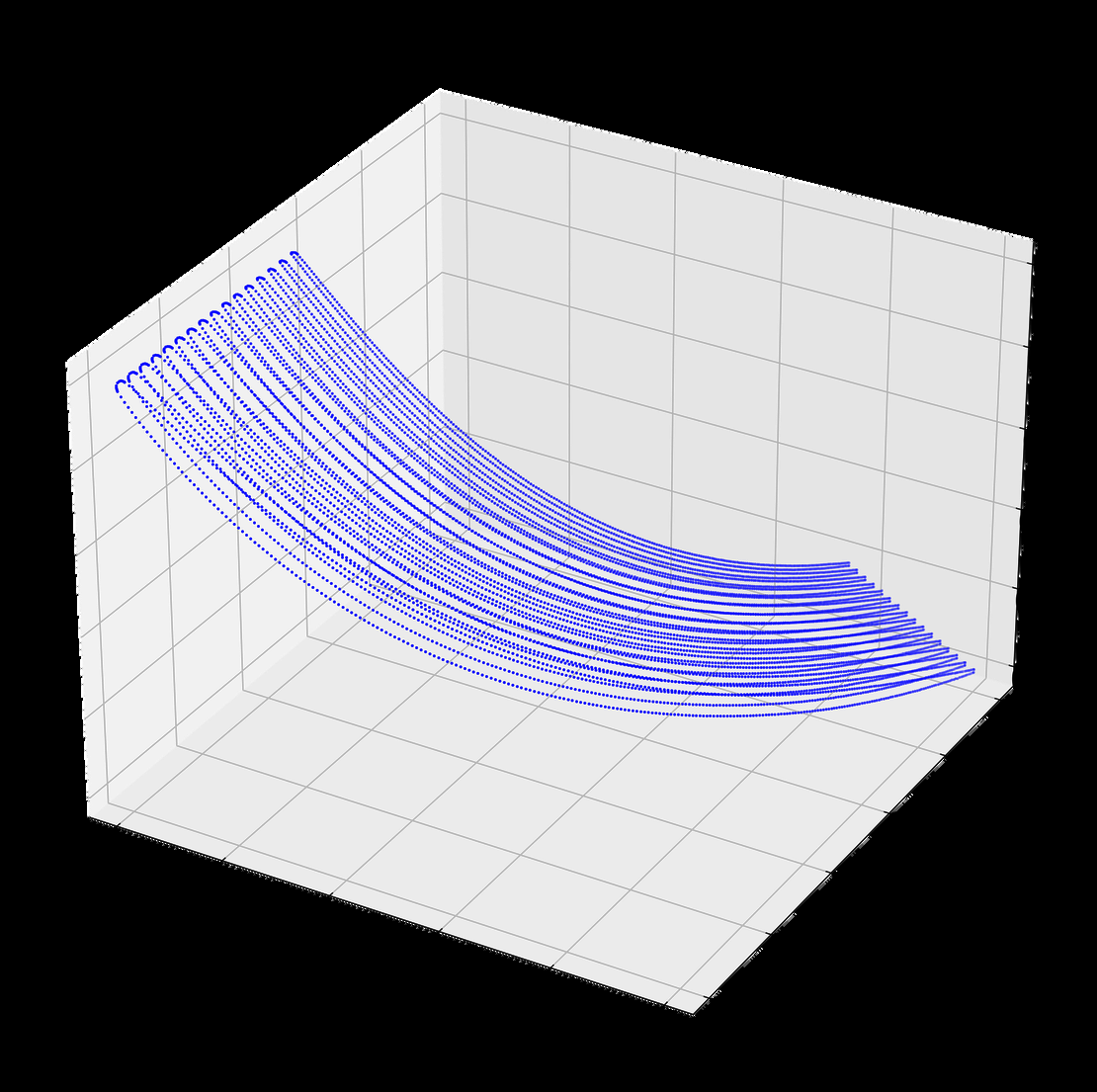
Fig 8 (page 3).
Limitations
- Performance labels rely on a reduced-order meanline model rather than high-fidelity CFD or experimental data, limiting real-world accuracy.
- Dataset size (~2000 valid samples) is modest; larger diverse training sets may improve robustness and generalization.
- No evaluation under realistic operational uncertainties or off-design conditions; the approach assumes ideal gas and standard inlet conditions.
- No explicit adversarial or distribution shift testing to assess model robustness to out-of-distribution inputs.
- Proprietary blade forming tools and meanline performance model limit immediate reproducibility.
- Training details such as hardware, random seeds, and hyperparameter sensitivity are not fully disclosed.
Open questions / follow-ons
- How does the diffusion model perform when trained on high-fidelity CFD or experimental performance data rather than meanline predictions?
- Can the framework generalize across different turbomachinery types (e.g., axial turbines, multi-stage compressors) beyond centrifugal compressors?
- How robust is the model to off-design operating conditions or extreme parameter values outside the training distribution?
- What is the effect of increased dataset size or alternative sampling strategies on inverse design accuracy and diversity?
Why it matters for bot defense
Although not directly related to bots or CAPTCHA, this paper illustrates how diffusion models can be applied to complex inverse design problems involving high-dimensional spatial data. For bot-defense practitioners exploring generative models that produce structured outputs, the coordinate-based direct generation approach demonstrates a shift beyond parameterized embeddings. The demonstrated conditions-to-geometry conditioning in a flexible diffusion sampling framework could inspire analogies in bot-detection tasks involving spatial-temporal or geometric feature synthesis. Additionally, the dual-model architecture separating geometry descriptors and fine-grained geometry generation reveals a modular design useful in complex generative pipelines, potentially informing multi-stage detection or challenge design. The paper also highlights challenges in data normalization and variability management critical when adopting diffusion or generative models in security-related domains. Overall, this work showcases advanced diffusion model capabilities that could motivate new lines of research in bot-defense generative adversarial models or interactive challenge generation, albeit adapted to security-data domains rather than turbomachinery.
Cite
@article{arxiv2607_27093,
  title={ A New Paradigm for 3D Turbomachinery Design: Generative Diffusion Model Based Framework with Direct Geometry Encoding },
  author={ Yingfan Geng and Jinhong Wang and Lazaros Papachristodoulou and Sibo Cheng and Teng Cao },
  journal={arXiv preprint arXiv:2607.27093},
  year={ 2026 },
  url={https://arxiv.org/abs/2607.27093}
}