
Laboratory spectroscopy, theoretical characterization, and astronomical search for syn-propenethial (CH2CHCHS)
Source: arXiv:2607.24656 · Published 2026-07-27 · By Germán Molpeceres, Carlos Cabezas, Marcelino Agúndez, María Mallo, Yasuki Endo, Lucie Kolesniková et al.
TL;DR
This paper presents an extensive laboratory spectroscopic characterization, theoretical quantum chemical calculations, and an astronomical search for the higher-energy syn isomer of propenethial (CH2CHCHS) in the interstellar medium (ISM). Previously, the more stable anti isomer of propenethial was detected in the cold molecular cloud TMC-1, but the syn isomer remained uncharacterized at high accuracy. The authors employ Fourier-transform microwave (FTMW) spectroscopy to measure precise rotational transitions of syn-propenethial, allowing reliable spectral predictions at millimeter wavelengths. Despite these measurements, the syn isomer is not detected in the QUIJOTE line survey of TMC-1, leading to a derived upper limit on its column density that is about one third of the anti isomer's abundance. Through quantum chemical calculations of reaction pathways and isomerization kinetics, the authors demonstrate that (i) the dominant gas-phase formation reaction preferentially produces the anti isomer with ~95% branching ratio over syn due to steric and electronic effects in the transition states and (ii) the syn isomer can convert into the anti form on timescales of ~10^3 years by tunneling-mediated unimolecular isomerization. They conclude that both formation kinetics and interconversion explain the non-detection of syn-propenethial and that its detection in cold or warm interstellar environments is highly challenging. This study highlights how electronic structure and kinetic effects critically shape relative isomer abundances in astrochemical environments.
Key findings
- Laboratory FTMW spectroscopy assigned 34 rotational transitions for syn-propenethial, providing highly accurate rotational and centrifugal distortion constants for the 4–40 GHz region and additional 130 lines in the 144–321 GHz millimeter wave region, enabling precise spectral predictions.
- The upper limit to the syn isomer's column density in TMC-1 is 1.5 × 10^10 cm^-2, less than 0.34 times the anti isomer's measured 4.4 × 10^10 cm^-2 column density, based on non-detection in the QUIJOTE Q band survey (31.0–50.3 GHz).
- Quantum chemical master equation simulations predict a syn-to-anti branching ratio of ~6–7% (anti ~93–94%) from the dominant gas-phase reaction CH2CHCH2 + S → CH2CHCHS + H at temperatures 40–200 K.
- Local energy decomposition analysis shows the activation barrier for syn isomer formation is ~6 kcal mol^-1 higher due to steric repulsion between departing H and neighboring hydrogens, favoring anti formation kinetically.
- Tunneling-mediated unimolecular isomerization calculations estimate syn-to-anti isomerization lifetimes on order 10^3 years in the gas phase, shorter than typical molecular cloud lifetimes, reducing syn abundance further.
- Relative population ratios in laboratory discharge expansions show anti:syn ratios of about 4.5:1 at high temperature (~1100 K) and 83:1 at room temperature, consistent with energetics and kinetics.
- Theoretical electronic structure calculations use high-level CCSD(T)-F12 methods with explicitly correlated basis sets to obtain energies within chemical accuracy (<1 kcal mol^-1) for the reaction pathways.
- The presence of a high isomerization barrier (5.3 kcal mol^-1) suggests syn isomer, if formed, should be kinetically stable, but unimolecular tunneling overturns this expectation at ISM timescales.
Threat model
n/a. This is a molecular astrophysics and astrochemistry study focused on detection and formation mechanisms of interstellar molecules, not a security or adversarial setting.
Methodology — deep read
Threat model & assumptions: The study assumes that the main interstellar environment is the cold dense Taurus Molecular Cloud 1 (TMC-1), and the primary interest is detection of syn-propenethial, a high-energy isomer of the already detected anti-form. The chemical formation processes are dominated by gas phase neutral–neutral reactions, specifically focusing on propenyl radical (C3H5) reacting with atomic sulfur. Alternative channels and ion-molecule reactions are considered secondary and omitted for simplification. The threat here is effectively the chemical and astrophysical processes determining isomer abundance and detectability, not an adversarial threat per se.
Data: Laboratory data consists of rotational line measurements from FTMW spectroscopy (4–40 GHz) using a discharge supersonic jet of diallyl sulfide diluted in argon, producing propenethial isomers with rotational temperatures ~2 K. The mm-wave data (144–179 and 293–321 GHz) were measured with a millimeter wave spectrometer in pyrolysis conditions (~500 ºC). The astronomical data originates from the QUIJOTE line survey of TMC-1, an unbiased, high-sensitivity Q-band (31.0–50.3 GHz) spectral line survey collected with the 40-m Yebes telescope over 1509 hours between Nov 2019 and July 2024.
Architecture / algorithm: The rotational spectrum was analyzed using Watson's A-reduced Hamiltonian for asymmetric rotors with the Spfit program. Theoretical calculations used CCSD(T)-F12 explicitly correlated coupled cluster methods with triple-zeta basis sets to optimize molecular geometries and compute rotational constants and dipole moments for the syn isomer. Quantum reaction kinetics were evaluated by constructing simplified potential energy surfaces using SCS-MP2 geometries with energy refinement by CCSD(T)-F12. Branching ratios were calculated by master equation simulations with RRKM theory, using the MESS code. Unimolecular isomerization rate constants considering tunneling were obtained via small-curvature tunneling canonical variational transition state theory (SCT-CVTST) implemented in Pilgrim software.
Training regime: Not applicable; the study is experimental and computational chemistry-based rather than machine learning.
Evaluation protocol: The spectroscopic assignments were validated by observing isotopologue transitions (34S species) and by cross-validating FTMW and mm-wave spectral fits. The column density upper limit in TMC-1 was derived by LTE radiative transfer modeling with Madex code at an assumed rotational temperature of 9 K and linewidth of 0.6 km/s, matching typical TMC-1 conditions. Branching ratios were evaluated across 40–200 K to reflect ISM temperature ranges, and unimolecular lifetimes were estimated over similar ranges.
Reproducibility: The analysis involves standard quantum chemistry codes (Molpro, Orca), master equation kinetics (MESS), and rate constant software (Pilgrim). The astronomical spectra derive from publicly described QUIJOTE survey data at Yebes 40m. The authors do not explicitly state releasing code or data for direct reproduction but use widely available computational methods and instrument setups. The molecular spectroscopic constants reported enable future observational searches.
Example end-to-end workflow: The syn isomer was generated in a pulsed discharge supersonic jet from diallyl sulfide. Narrowband FTMW spectroscopy measured ground state rotational transitions with ~3 kHz accuracy. The rotational constants obtained allowed prediction of millimeter-wave spectral lines. These predictions were matched against archival millimeter wave spectra measured previously under pyrolysis, assigning 130 lines and deriving improved molecular constants. Using these constants, the authors predicted the strongest transitions within the QUIJOTE survey frequency range and searched the TMC-1 spectra. No spectral lines corresponding to syn-propenethial were detected above 3-sigma noise levels, allowing an upper limit on column density to be derived. Parallel quantum chemical calculations evaluated the formation reaction potential energy surface and reaction kinetics, producing branching ratios strongly favoring anti isomer formation. Calculations of tunneling-mediated isomerization further indicated that any syn formed would convert to anti on ~1000-year timescales. Combining these results explains the non detection and low abundance of the syn isomer in TMC-1.
Technical innovations
- High-precision laboratory FTMW spectroscopy was used to measure for the first time accurate rotational and centrifugal distortion constants for syn-propenethial, enabling reliable astronomical spectral predictions.
- Application of master equation and RRKM theory with high-level CCSD(T)-F12 quantum chemical energies to compute temperature-dependent syn/anti branching ratios for the key gas-phase formation reaction.
- Use of local energy decomposition (LED) analysis at DLPNO-CCSD(T) level to chemically interpret steric and electronic factors differentiating transition states and favoring anti isomer formation.
- Quantification of tunneling-mediated unimolecular isomerization rates with small curvature tunneling canonical variational transition state theory (SCT-CVTST) to estimate syn to anti conversion lifetimes in ISM conditions.
Datasets
- QUIJOTE spectral line survey of TMC-1 — ~1509 hours on-source Q-band (31.0–50.3 GHz) data — Yebes 40m Telescope
- Laboratory FTMW rotational spectra — 4–40 GHz — measured with Balle-Flygare FTMW spectrometer in discharge supersonic jet
- Millimeter wave spectra — 144–179 GHz and 293–321 GHz — Prague semiconductor millimeter wave spectrometer under pyrolysis
Baselines vs proposed
- Anti-propenethial in TMC-1: column density = (4.4 ± 0.4) × 10^10 cm^-2 vs Syn-propenethial: upper limit < 1.5 × 10^10 cm^-2
- Branching ratio from CH2CHCH2 + S reaction at 40 K: anti = 94.1%, syn = 5.9%
- Branching ratio at 200 K: anti = 92.7%, syn = 7.3%
- Laboratory rotational population ratio in discharge jet: anti:syn ~4.5:1; at room temperature (mmw experiments) ~83:1
Figures from the paper
Figures are reproduced from the source paper for academic discussion. Original copyright: the paper authors. See arXiv:2607.24656.
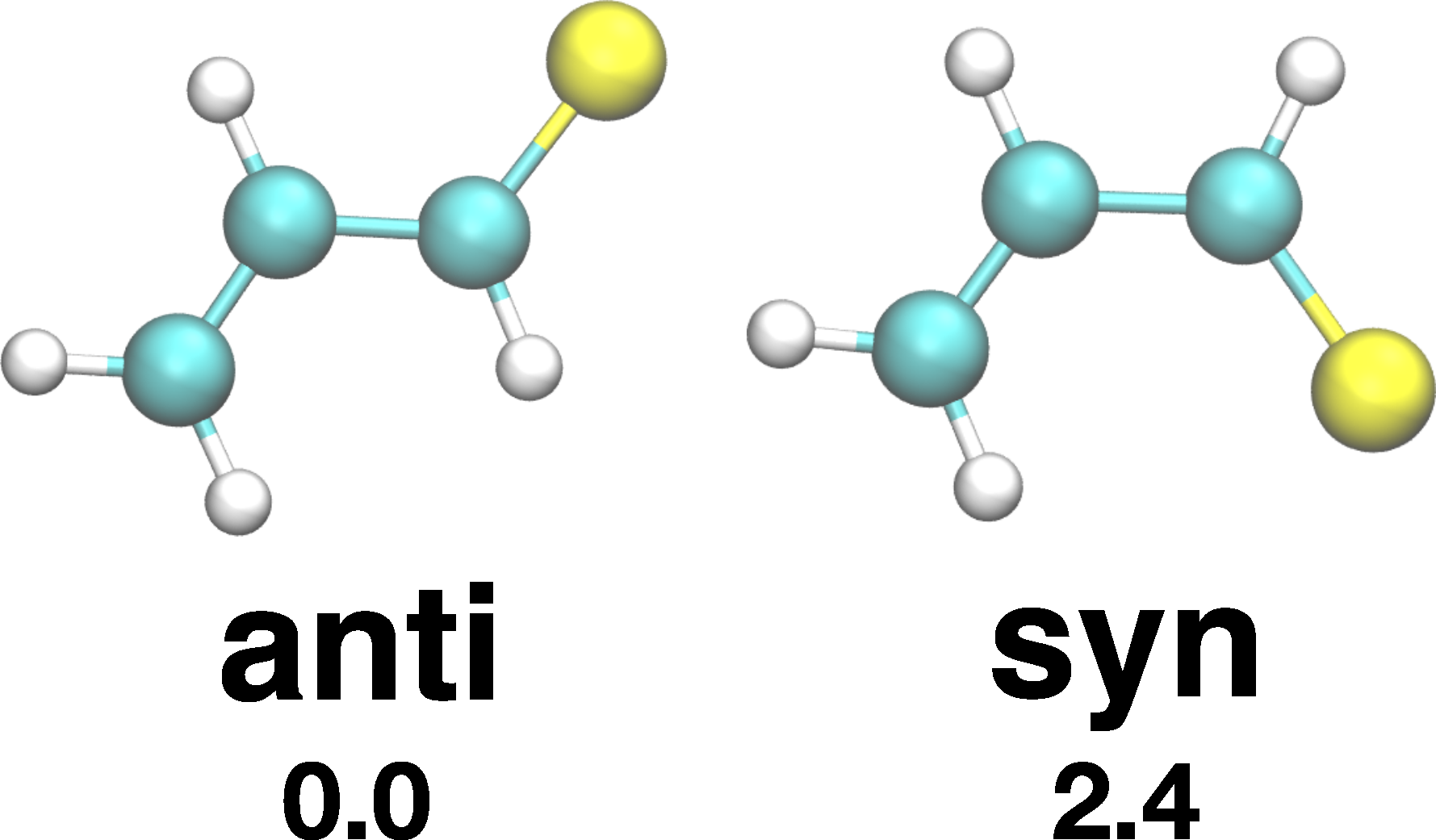
Fig 1: Molecular structure of the two conformational isomers that are con-
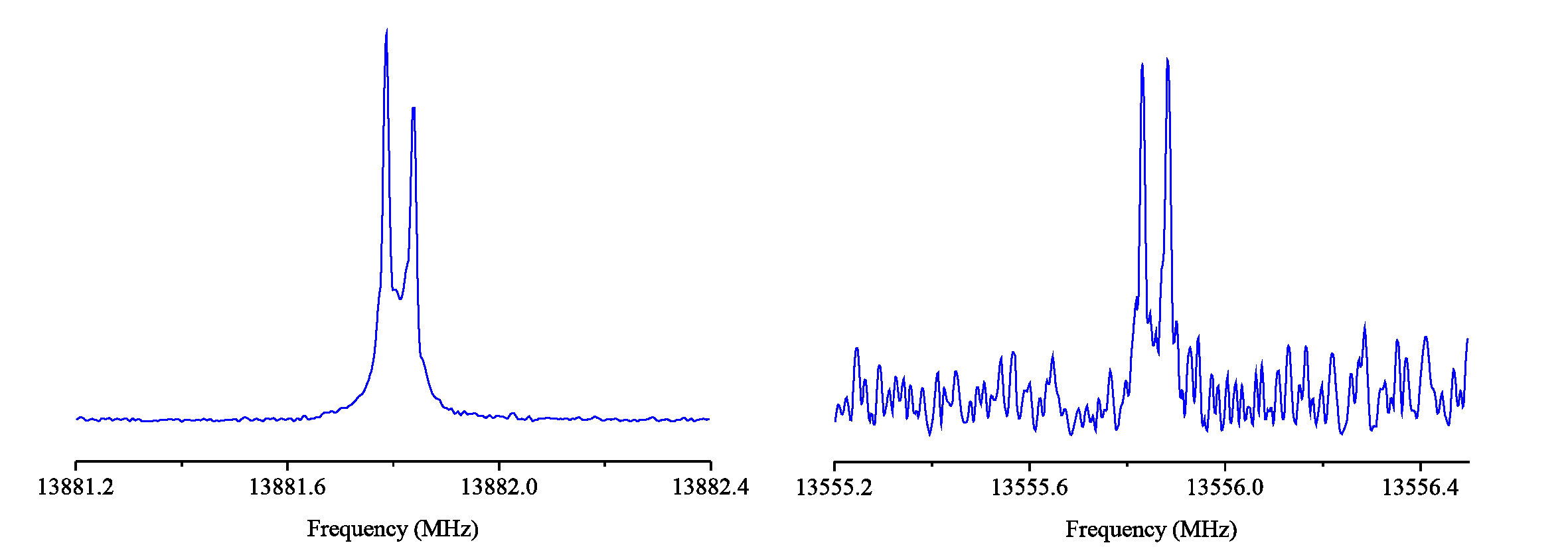
Fig 2: Section of the FTMW spectrum of syn propenethial showing 20,2-10,1 pure rotational transition of the main isotopologue (left) and the same transition
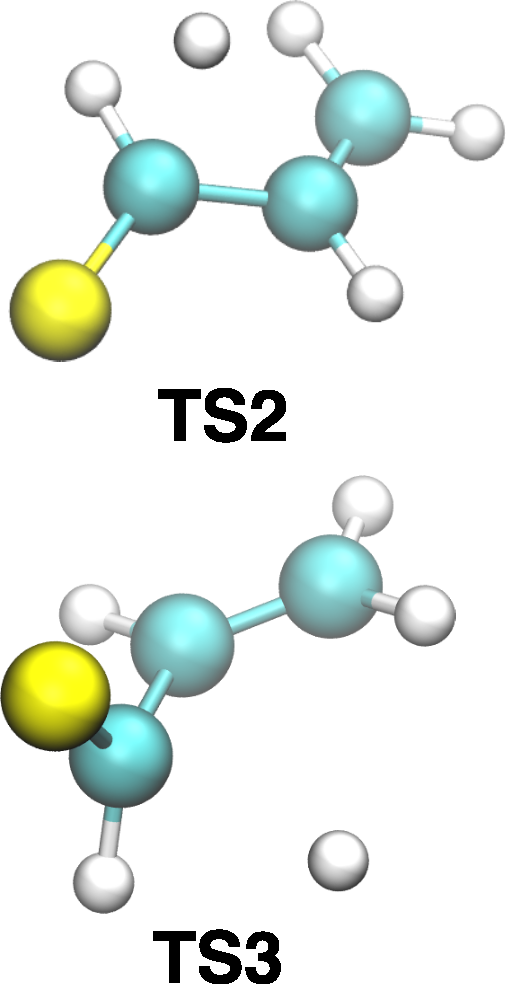
Fig 4: Spectra of TMC-1 in the Q band at the frequencies of the most favorable transitions of syn-CH2CHCHS. Black histograms show the observed spectra
Fig 5: Simplified potential energy diagram for the shortest path in the
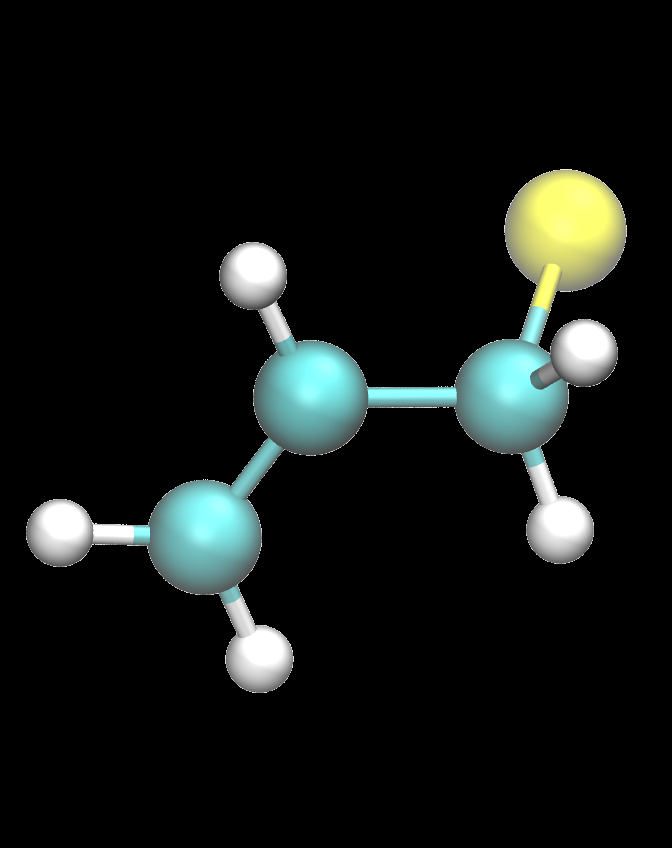
Fig 6: Larger representations of TS2 and TS3, see also Figure 5.
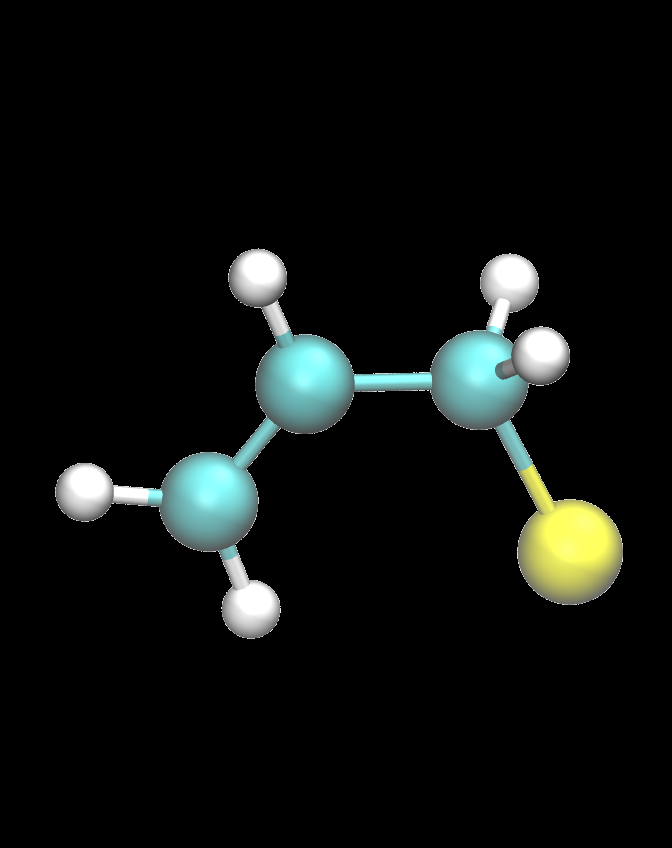
Fig 7: Forward (upper panel) and backward (bottom panel) rate constants
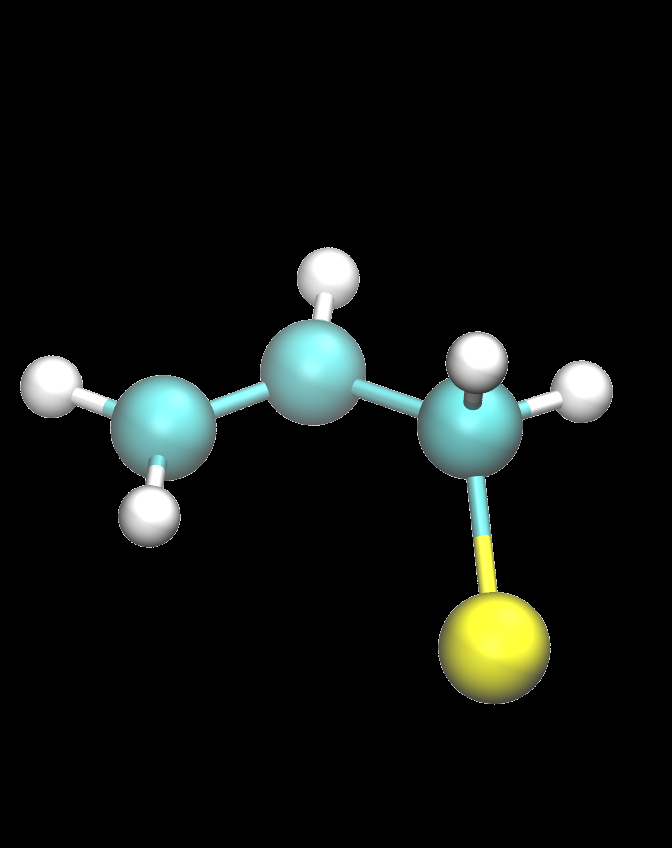
Fig 8: Equilibrium constants, K, defined in the anti→syndirection as a
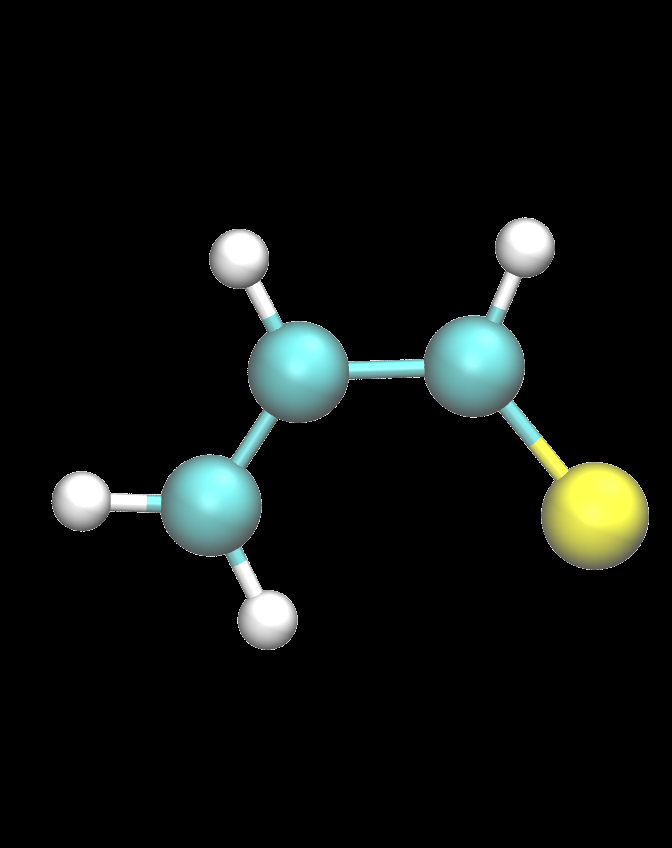
Fig 3: Section of the mmw rotational spectrum of propenethial showing an example of a rotational transition of the syn isomer among the lines of the anti
Limitations
- The simplified kinetic model considers only the CH2CHCH2 + S gas-phase neutral-neutral reaction and neglects alternative ion-molecule and other neutral-neutral formation pathways, which may alter branching ratios.
- The astronomical search assumes local thermodynamic equilibrium (LTE) at a fixed rotational temperature of 9 K, which may not fully capture excitation conditions or line radiative transfer complexities in TMC-1.
- The unimolecular isomerization lifetimes account only for spontaneous tunneling-mediated syn→anti conversion and do not include destruction or other chemical processes affecting overall molecule lifetime.
- The experimental FTMW data covers only transitions with J ≤7 and Ka ≤2, although extended by mmw data, higher rotational states relevant in warmer environments remain less characterized.
- Non-detection upper limits depend on assumptions about source size and linewidth that introduce uncertainties in derived column densities.
- The potential contribution of surface (grain) chemistry to syn-propenethial formation or destruction is not explored in this work.
Open questions / follow-ons
- How significant are alternative formation routes, including ion-molecule reactions or grain surface chemistry, to the abundance of syn-propenethial in diverse interstellar environments?
- Can the kinetics of syn↔anti isomerization be experimentally validated or refined under interstellar-like cryogenic conditions to better constrain chemical models?
- Do other high-energy isomers in sulfur-bearing molecular families exhibit similar formation biases and kinetic instability, and how generalizable are these findings?
- What observational strategies and frequency bands would optimize the search and potential detection of low-abundance syn isomers in warmer or shocked interstellar regions?
Why it matters for bot defense
This paper primarily addresses molecular spectroscopy and astrochemistry rather than bot defense or CAPTCHA related fields. However, the detailed methodology of precise spectral line characterization combined with theoretical modeling to explain non-detection could inspire analogous approaches in security applications that require distinguishing subtle signal differences or rare variants of signals (e.g., subtle user behavior patterns). The work underscores the importance of comprehensive multi-modal analysis—including experimental, observational, and computational components—to confidently interpret the presence or absence of specific features, which can be conceptually relevant when designing robust detection systems. For CAPTCHA engineers, the lesson is that kinetics and formation biases (analogous to user interaction dynamics) strongly influence observable populations, suggesting that understanding underlying generative processes is critical when interpreting detection results or crafting defenses. Beyond that, no direct technical payoff is apparent.
Cite
@article{arxiv2607_24656,
  title={ Laboratory spectroscopy, theoretical characterization, and astronomical search for syn-propenethial (CH2CHCHS) },
  author={ Germán Molpeceres and Carlos Cabezas and Marcelino Agúndez and María Mallo and Yasuki Endo and Lucie Kolesniková and Gisela Esplugues and José Cernicharo },
  journal={arXiv preprint arXiv:2607.24656},
  year={ 2026 },
  url={https://arxiv.org/abs/2607.24656}
}