
Radiopurity material assays and radiation exposure projections for superconducting qubit measurements at SNOLAB
Source: arXiv:2607.16151 · Published 2026-07-17 · By Y. Ahmed, B. Binoy, R. Bunker, D. Chauhan, P. Delsing, R. Germond et al.
TL;DR
This work addresses the challenge that ionizing radiation, including cosmic rays and natural radioactivity, poses to the coherence and reliability of superconducting qubits used in quantum computing. Because radiation events can introduce correlated multi-qubit errors that undermine quantum error correction, understanding and mitigating these effects is critical. To enable controlled experiments, the authors prepare for the first deployment of superconducting qubits underground at SNOLAB’s Cryogenic Underground TEst facility (CUTE), which offers ultra-low radiation levels shielded by 2 km of rock. They perform an extensive radiopurity assay campaign on construction materials for the qubit setup and incorporate the measured contamination data into Geant4 Monte Carlo simulations to project the expected radiation background and energy deposition rates inside the silicon qubit chips and aluminum cavities. The paper further extends simulations using Geant4’s condensed matter physics extension (G4CMP) to model phonon propagation and timing aspects relevant for radiation impact characterization. The results identify dominant isotopic and component contributions to the background, enabling an informed assessment of radiation-induced decoherence risks and guiding material selection and shielding design. This work lays the groundwork for quantitative comparison of qubit coherence measured underground versus surface labs and exploration of mitigation strategies for radiation-induced quantum errors.
Key findings
- The cosmic ray muon flux is suppressed by a factor of 5 × 10^7 at SNOLAB compared to surface levels due to 2 km rock overburden.
- HPGe assays of components reveal that silicon wafers exhibit very low radioactivity, often consistent with upper limits near or below ppt levels for U, Th, K chains.
- Printed circuit boards directly contacting the silicon chip were found to have relatively high activities of 238U (~6 Bq/kg), 232Th (~2.2 Bq/kg), and 40K (~1.4 Bq/kg), significant contributors to background.
- Monte Carlo Geant4 simulations using detailed experimental geometry show that bulk contamination in the silicon chip and PCB dominate the energy deposition rates inside qubit volumes.
- Simulations break down energies deposited by different radionuclides, with 210Pb and its progeny from radon exposure identified as important contributors to low energy background.
- Crystal dynamics simulations with G4CMP quantify phonon energy collection times (tens of microseconds) and reveal how high-energy radiation interaction events can propagate effects to multiple qubits.
- The simulation estimates energy deposition event rates inside silicon chips on the order of several events per day, consistent with ultra-low background expectations at SNOLAB.
- Material combinations such as Amumetal magnetic shields and Al cavities contribute modestly to background; surface contamination and radon progeny build-up are non-negligible.
Threat model
The adversary is natural ionizing radiation arising from cosmic rays and intrinsic radioisotope contamination in materials near the superconducting qubits. This environment causes energy depositions in the quantum device substrates, leading to quasiparticle generation and correlated quantum errors that violate assumptions of standard quantum error correction. The attacker cannot actively manipulate the qubits but the stochastic radiation background imposes a fundamental noise floor. Deep underground location at SNOLAB significantly reduces cosmic-ray muons, but radiogenic backgrounds remain from materials and radon progeny.
Methodology — deep read
The threat model assumes ionizing radiation (alpha, beta, gamma, neutrons) and secondary particles emitted from primordial radioisotopes (238U, 232Th, 40K) present as contaminants in materials, as well as cosmogenic activation products. The adversary is natural radioactivity and cosmic rays that cause energy deposits in qubits leading to decoherence and correlated errors. The model excludes deliberate sabotage or active adversaries.
Radioassays were conducted using multiple high-purity germanium (HPGe) detectors stationed deep underground at SNOLAB. Samples of all main materials for the qubit rig—silicon chips, PCBs, copper mounts, aluminum cavities, cables, screws, adhesives—were screened for radioisotope contamination. Results were reported as activities (mBq/kg) for uranium and thorium decay chains split at 226Ra to account for disequilibrium, and for potassium and other isotopes. Assays were limited by detection sensitivity, especially for 210Pb.
Using Geant4 version 10.7.4 with Shielding physics lists and EM option 4, a detailed simulation geometry was built representing the entire cryostat, lead and water shields, magnetic shields, dilution cooler stages, and the qubit assembly including silicon chips and aluminum 3D cavities. Radioassay results were mapped as homogeneous bulk contamination in volumes or as surface contamination where appropriate. Radioactive decay chains were fully simulated with daughter decays included.
Simulations emitted radioisotope decays from each material volume and tracked all particles and secondaries, recording deposited energy within silicon qubit chips and aluminum cavities. Event grouping clustered energy deposits by timestamp for realistic hit multiplicity analysis. The total simulated decays were normalized to the measured activities and component masses to estimate expected event rates in the QUTEbits setup.
The condensed matter physics extension G4CMP was used to model phonon propagation and collection dynamics inside the silicon substrates to link deposited energies to phonon-induced decoherence events. Simulation examined collection times and spatial extent of phonon signals relevant to how radiation events affect multiple qubits.
Evaluation compared simulated energy deposit spectra with calibration source data. Component-wise background contributions were quantified. Limitations in assay sensitivity, geometric approximations, and unknown surface activity distributions were discussed. Statistical uncertainties arose from MC statistics and assay errors.
The workflow was demonstrated end-to-end by simulating decay chains in a selected PCB and the silicon chip nearby, tracking emitted gamma, beta particles, calculating energy deposit spectra and event rates, and simulating phonon collection delays with G4CMP to inform expected qubit error correlations.
No full code or data release is mentioned, but detailed assay results are published on radiopurity.org and simulation configurations are described in appendices.
Technical innovations
- Integrated extensive ultra-low background radioassay measurements with Geant4 physics-driven radiation transport simulations tailored to superconducting qubit geometries.
- Implemented disequilibrium modeling in uranium decay chains by splitting top and bottom parts at 226Ra for more accurate contamination representation.
- Coupled Geant4 simulations with G4CMP crystal dynamics modules to connect energy depositions to phonon propagation relevant for correlated qubit decoherence.
- Developed a comprehensive Geant4 geometry modeling of the entire CUTE cryogenic and shielding setup incorporating detailed material placements and radioactivity levels.
Datasets
- Radioassay measurements of qubit setup components — ~20 samples from SNOLAB underground counting facilities — public via radiopurity.org
- Monte Carlo simulation data using Geant4 v10.7.4 — internal configurations reflecting CUTE/SNOLAB geometry and contaminate activities — no public release
Baselines vs proposed
- HPGe detector sensitivities for 238U range from 0.02 to 0.17 mBq for sample sizes ranging 8 mL to 1 L, enabling detection of ultra-low activities vs conventional chemical assays.
- Simulated background event rates inside silicon chips are on the order of a few events per day, compared to surface labs with orders of magnitude higher rates (exact surface baseline not simulated here).
- Radiation contribution from bulk silicon contamination is dominated by upper limit values around 12.6 mBq/kg for bottom uranium chain versus significantly higher PCB contamination over 6 Bq/kg.
- Surface contamination due to radon progeny notably increases low energy background, distinguishable from bulk signals in spectral analysis (Fig 19).
Figures from the paper
Figures are reproduced from the source paper for academic discussion. Original copyright: the paper authors. See arXiv:2607.16151.
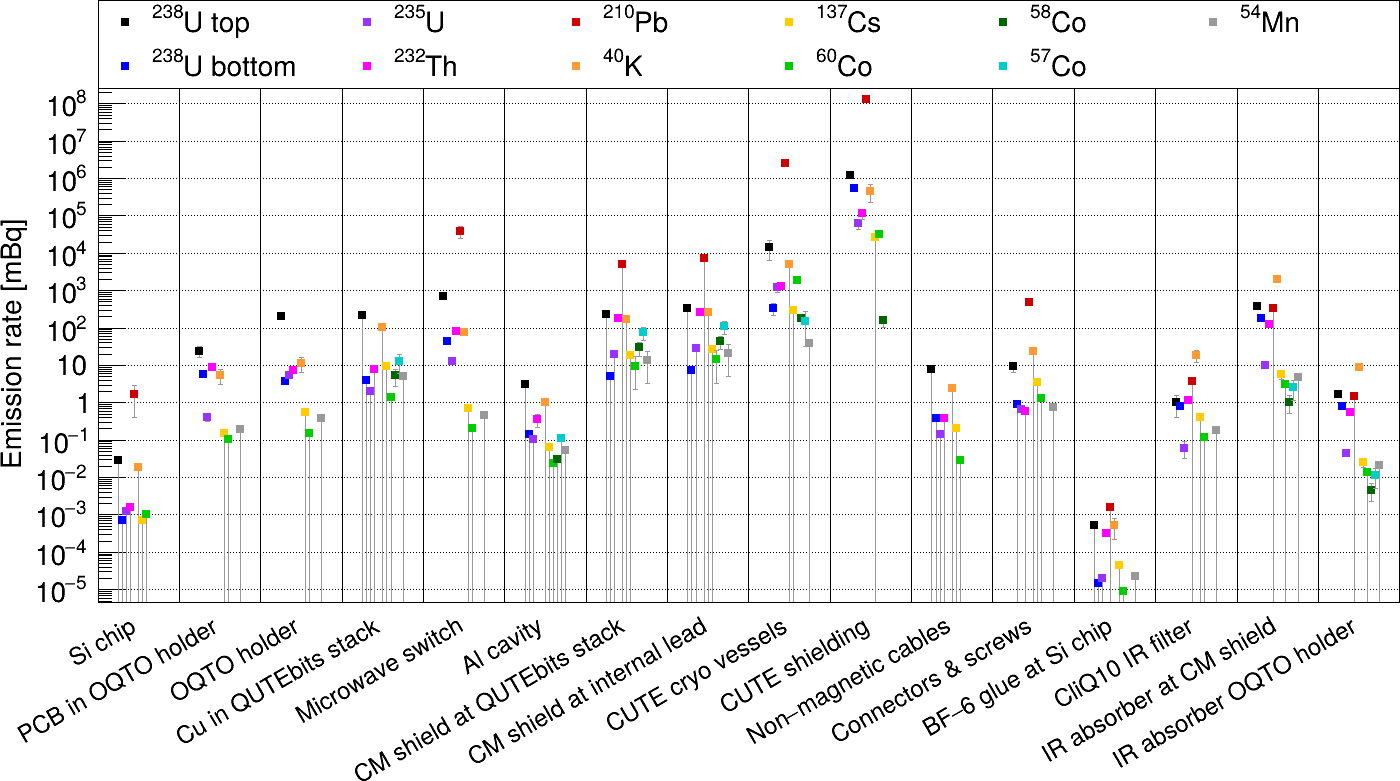
Fig 1: Emission rate of each component for each measured isotope or decay chain. The emission
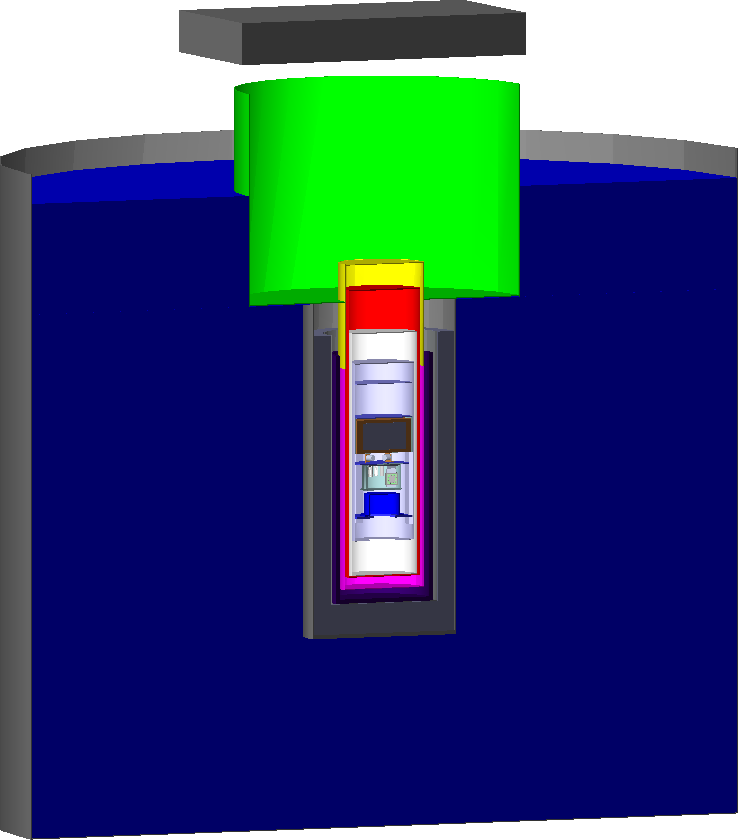
Fig 2: Visualization of the CUTE geometry in Geant4. Left: components from outside to
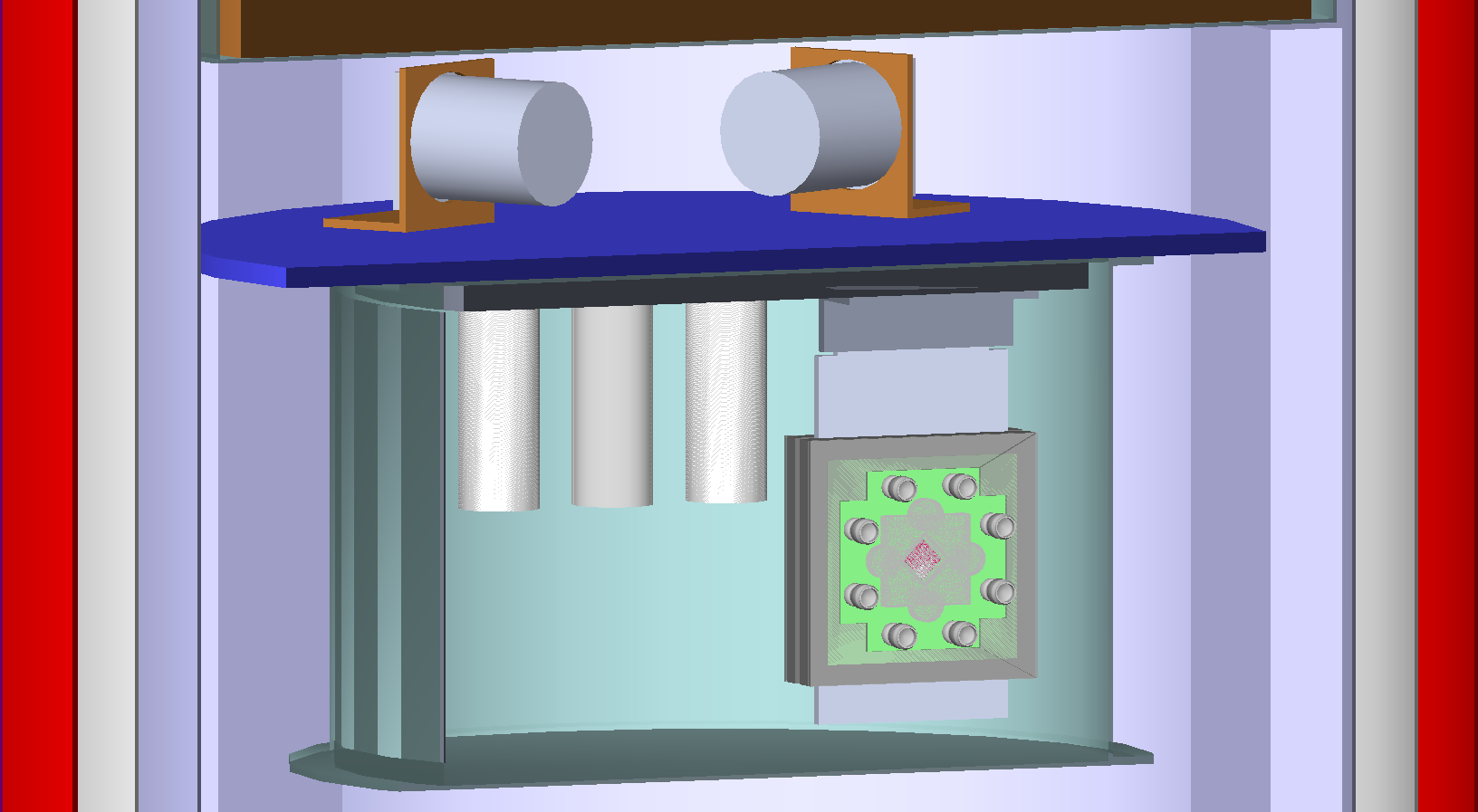
Fig 3 (page 12).
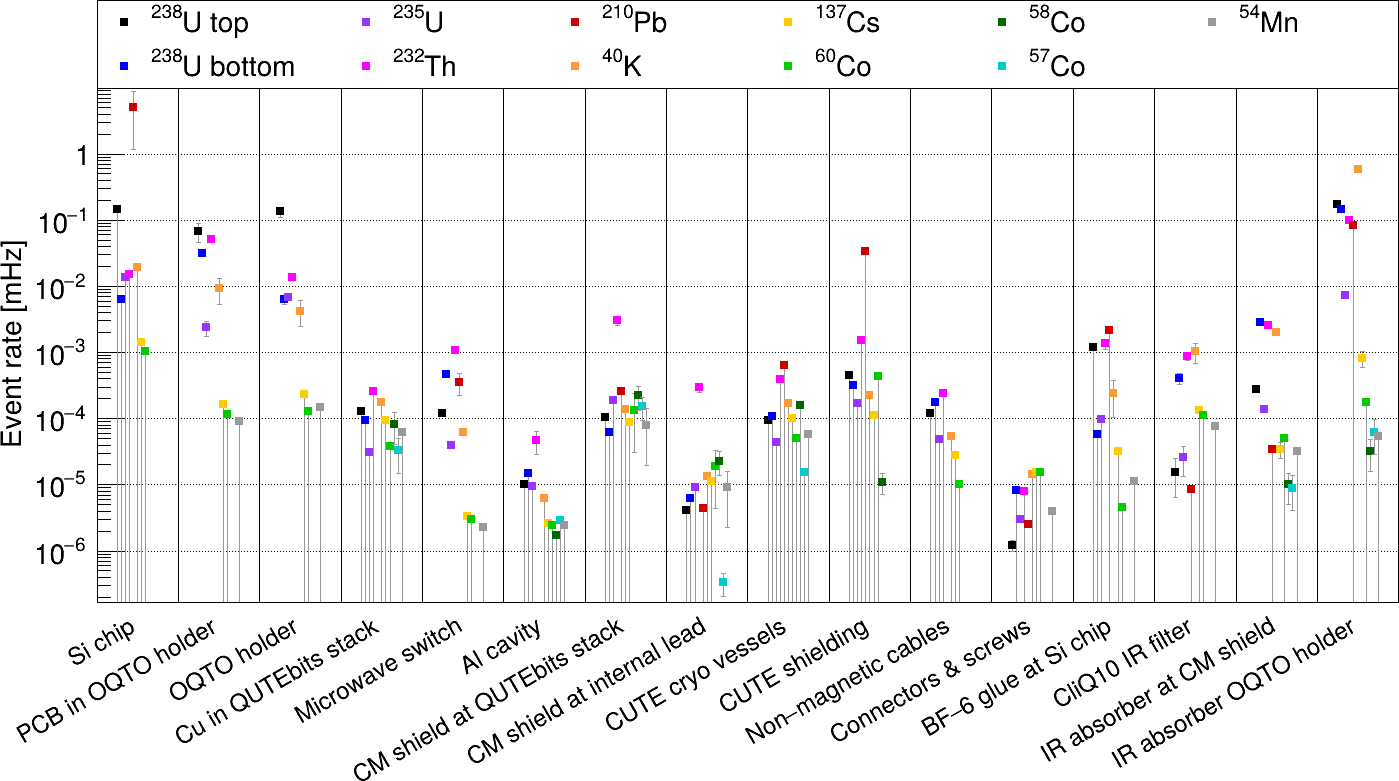
Fig 3: Simulated event rates in one of the Si chips according to the assay results and corre-
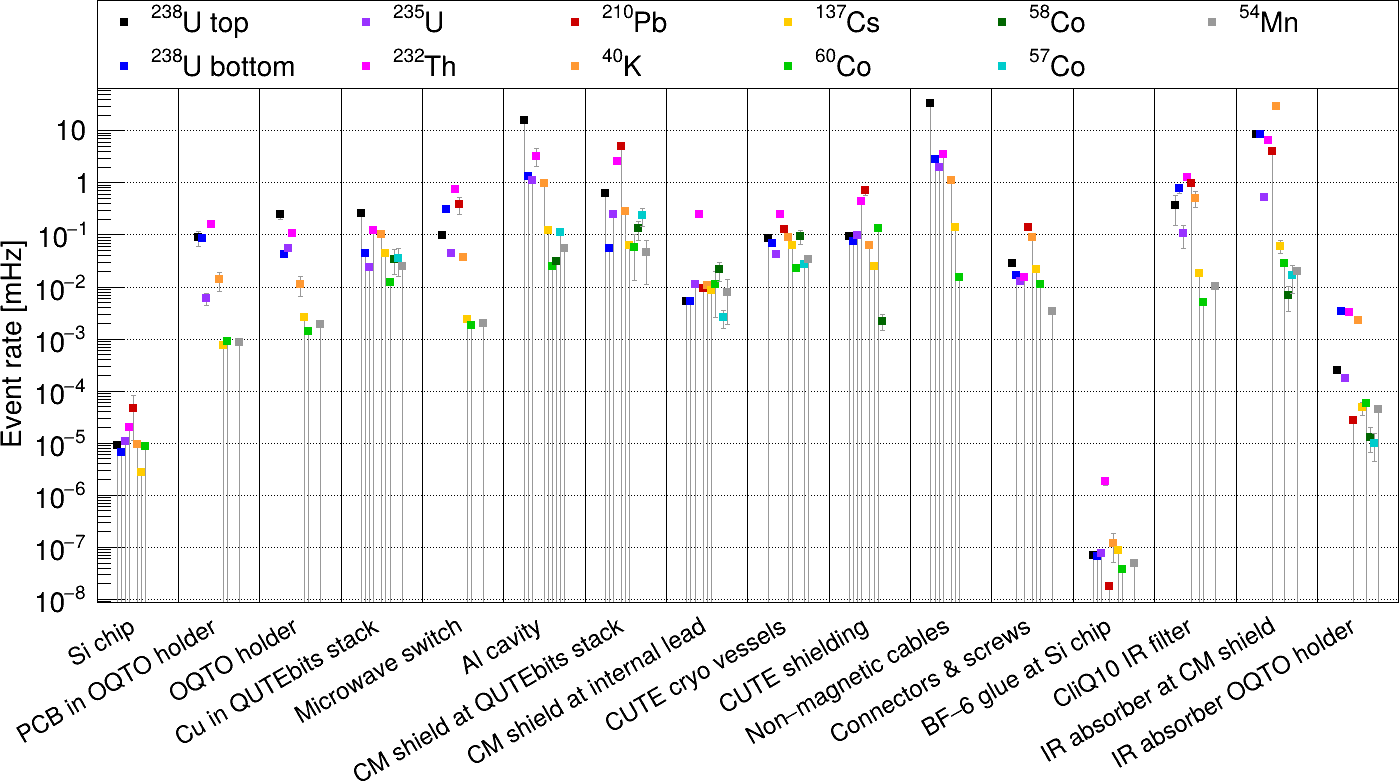
Fig 4: Simulated event rates in one of the Al cavities according to the assay results and
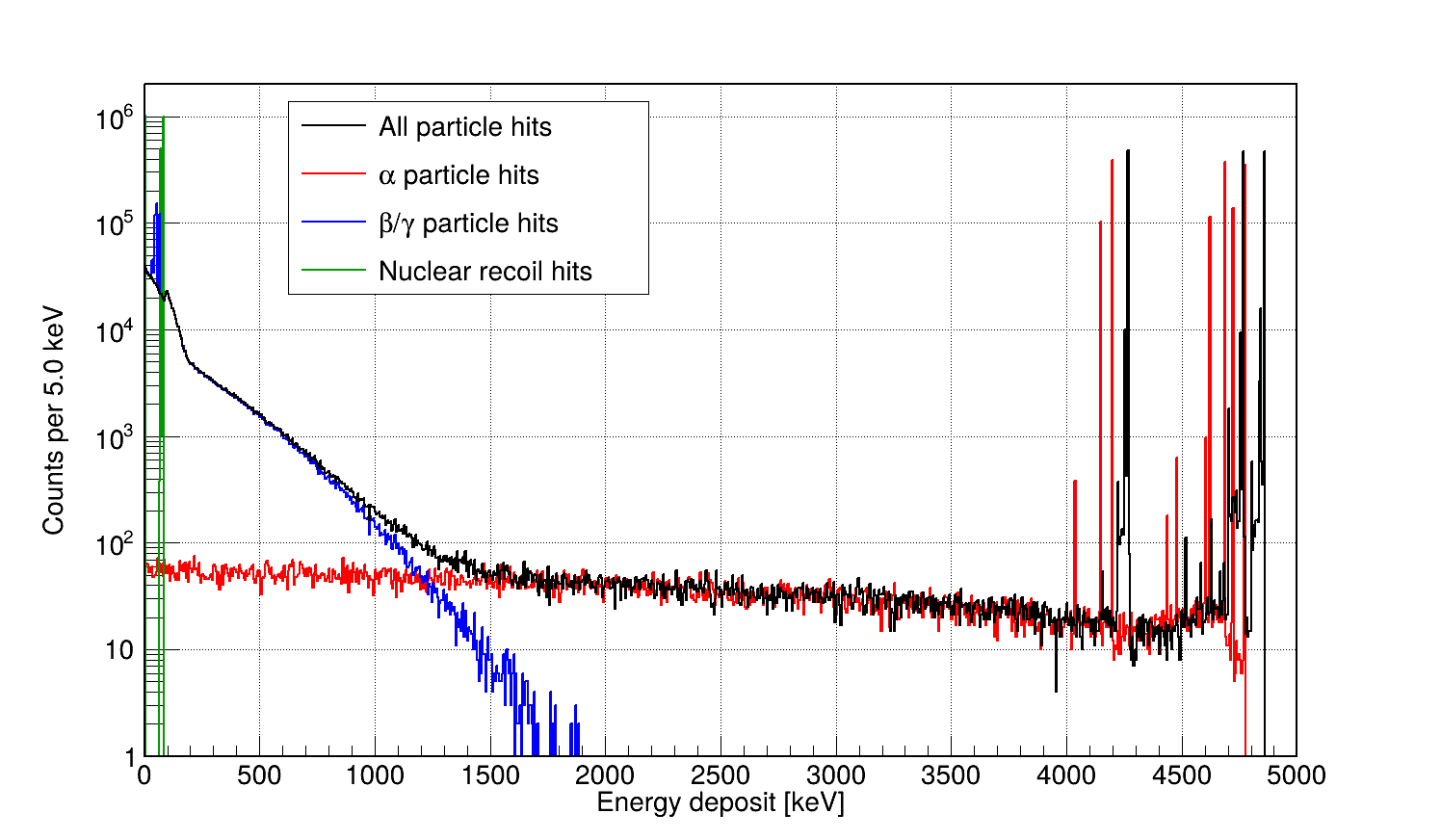
Fig 5: Recorded spectrum of the top part of the 238U decay chain simulated as bulk contamination
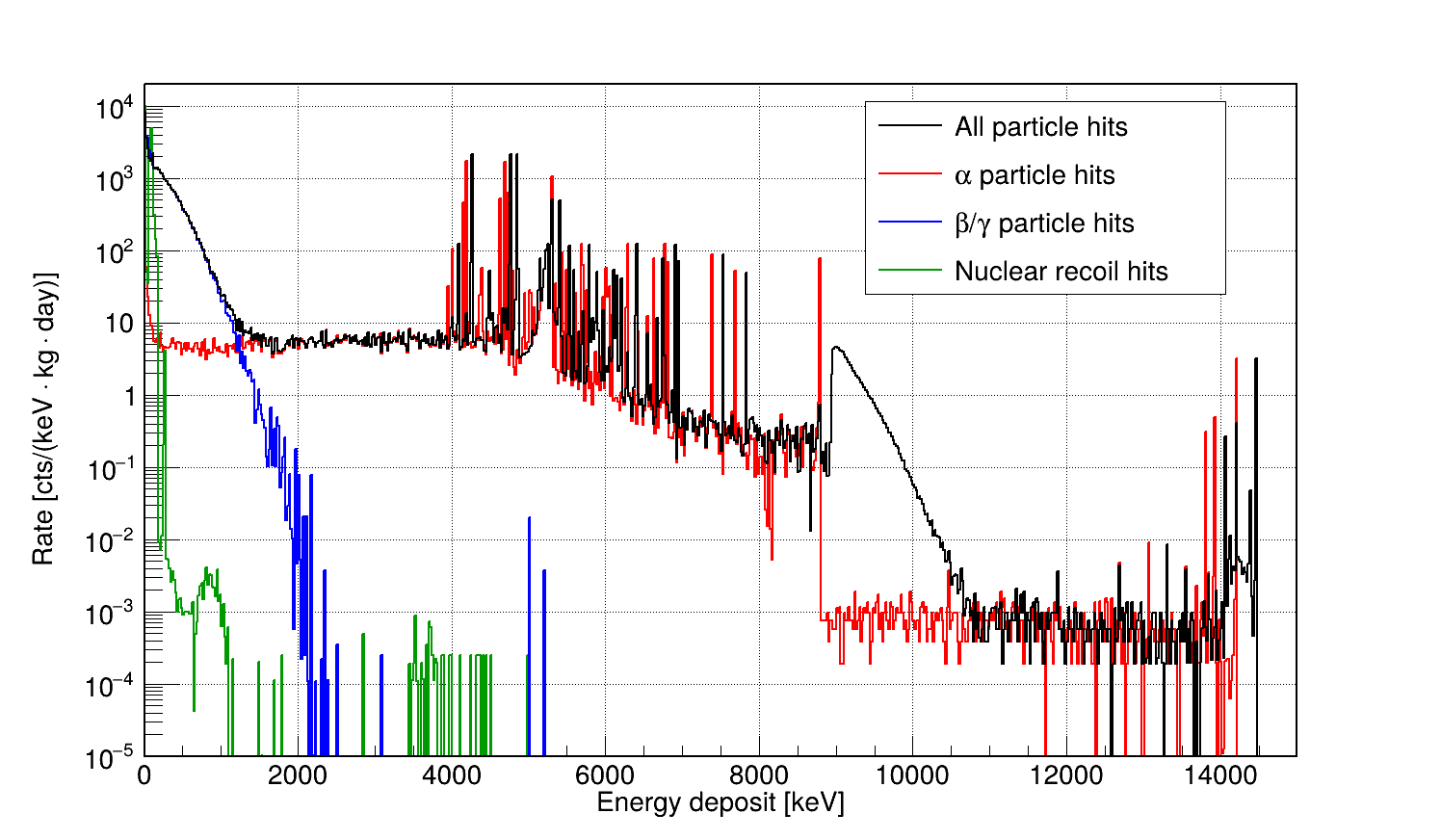
Fig 6: depicts the projected total background spectrum in one of the Si chips for all the
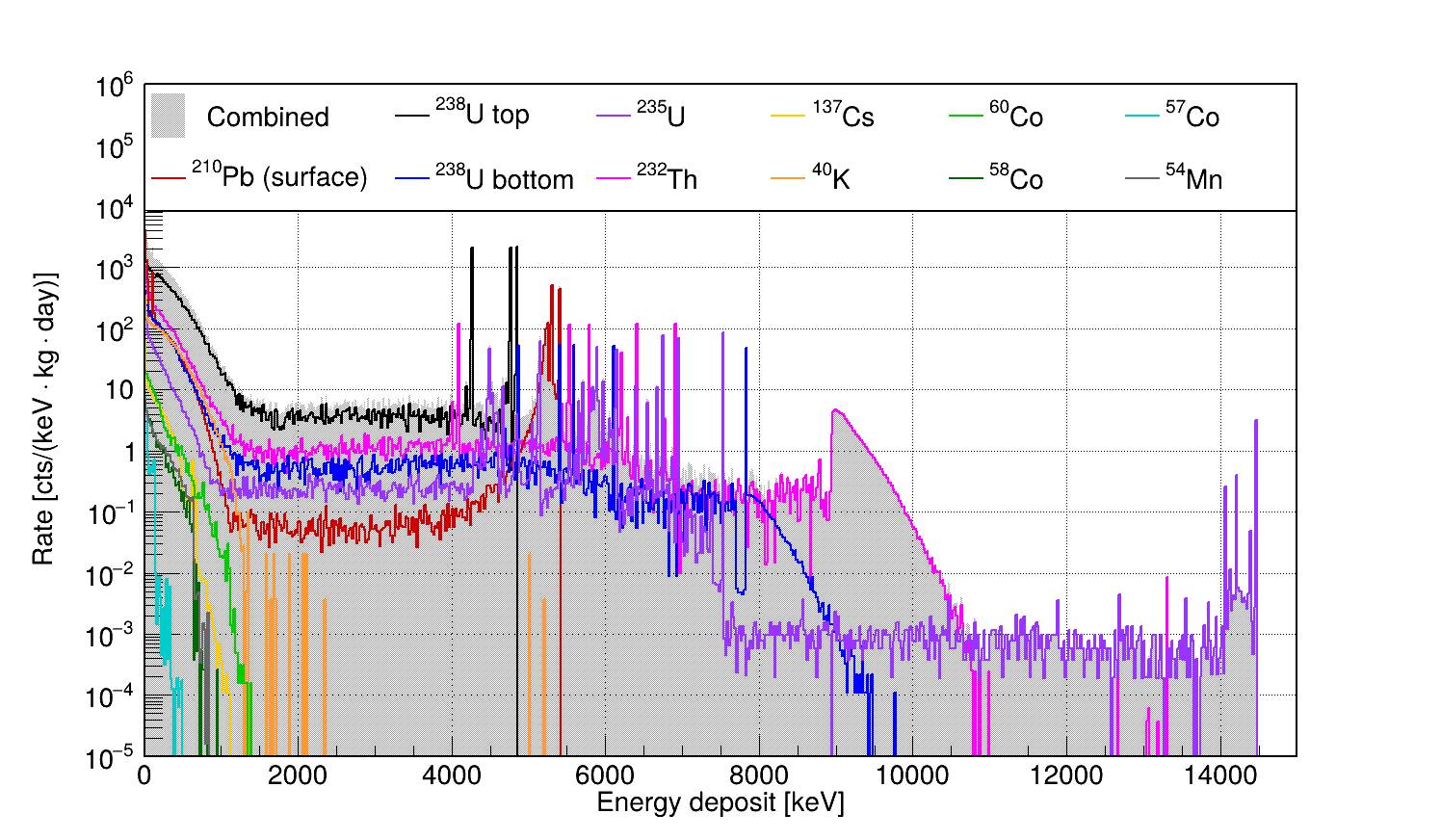
Fig 7: Isotopic composition of the total background projection for one of the Si chips. The total
Limitations
- HPGe detector sensitivity limited especially for 210Pb detection due to low energy gamma absorption, leading to large uncertainties or upper limits for this isotope.
- Assumption of homogeneous bulk contamination may not hold for surface-implanted radon progeny, potentially biasing simulated background spectra.
- Cosmogenic activation contributions approximated only from assay activity rather than full exposure history tracking; actual activation could vary.
- Simulation geometry approximations omit some small components whose radioactive contributions were aggregated or neglected, possibly underestimating background.
- No direct experimental validation of simulated background rates underground with qubit measurements yet; results are predictive estimates.
- G4CMP phonon simulations rely on parameters fit from other measurements; effects of lattice defects or complex device structures remain to be explored.
Open questions / follow-ons
- How do the simulated radiation-induced phonon signals quantitatively map onto multi-qubit error correlations in scaled superconducting quantum processors?
- What specific shielding or material selection strategies most effectively reduce radiation-induced decoherence without compromising device performance or scalability?
- Can in situ measurements of radiation background and quantum error rates at SNOLAB be used to validate and refine the Monte Carlo and crystal dynamics models?
- To what extent do transient environmental factors (e.g., radon concentration variability) impact long-term radiation background stability in underground quantum labs?
Why it matters for bot defense
While this paper does not focus on bot defense or CAPTCHAs, it is highly relevant for practitioners designing quantum computing hardware resilient to environmental noise. The detailed radiopurity assays and simulation methodologies provide a rigorous approach to quantifying and mitigating radiation-induced errors, a significant hardware-level reliability threat to superconducting qubits. For CAPTCHAs and bot-defense systems leveraging quantum technologies, understanding decoherence sources is critical for developing trustworthy hardware. Additionally, the integration of material science, radiation physics, and condensed matter modeling demonstrated here may inspire analogous defense strategies against physical-layer adversaries in other domains.
Cite
@article{arxiv2607_16151,
  title={ Radiopurity material assays and radiation exposure projections for superconducting qubit measurements at SNOLAB },
  author={ Y. Ahmed and B. Binoy and R. Bunker and D. Chauhan and P. Delsing and R. Germond and J. Hall and Z. Hong and A. Iqbal and V. Iyer and A. Klepikova and A. Kubik and S. P. Mantry and A. C. Masuskapoe and C. C. Monk and G. Peng and P. Qin and W. Rau and T. Reynolds and M. Stukel and C. M. Wilson and B. Zatschler and S. Zatschler and A. Zuniga },
  journal={arXiv preprint arXiv:2607.16151},
  year={ 2026 },
  url={https://arxiv.org/abs/2607.16151}
}