
FIERO: Empowering Creative Writing Through Collaborative Game Play
Source: arXiv:2607.11837 · Published 2026-07-13 · By Chu Zhang, XiaoKe Zeng, Jin Zhang, Ruoyu Wen, Vince Siu, Richard William Allen et al.
TL;DR
The paper addresses challenges in collaborative creative writing, particularly the fragmentation of ideas, coordination inefficiency, and individual creative anxiety, which commonly arise in typical synchronous text editing tools. It introduces FIERO, a hybrid multiplayer web-based card game that combines physical card mechanics with a digital interface enhanced by generative AI to scaffold collaborative storytelling. FIERO provides structured, embodied interaction through distinct narrative phases (hero, villain, weapon creation) supported by physical cards as tangible cognitive aids and digital AI functions to facilitate group negotiation, narrative coherence, and creative synthesis.
The authors conducted a controlled experiment with 60 participants comparing FIERO to traditional online collaborative writing platforms. Results show that FIERO significantly improved idea fluency, novelty generation, and intuitive creative stimulation. It also yielded stories with greater plot coherence, character fidelity, and overall quality as measured by subjective questionnaires and content analysis. FIERO’s multimodal interaction and AI augmentation preserve player agency while promoting social engagement and structured creativity. This work demonstrates how combining game-based embodied play with intelligent assistance can effectively empower collaborative creative writing.
Key findings
- FIERO group scored significantly higher on the Creativity Support Index overall compared to traditional collaborative writing (control group) in an N=60 study.
- Compared to control, FIERO enhanced idea fluency and novelty generation metrics during storytelling.
- FIERO produced stories with greater plot coherence and character fidelity based on content analysis.
- Multisensory interaction with physical cards combined with digital visuals increased intuitive stimulation reported by players.
- Players using FIERO experienced higher creative self-efficacy and reduced evaluation apprehension during collaboration.
- The AI decision support system assisted in resolving narrative conflicts without overriding player agency.
- The card-based structure divided the story development into three distinct phases (beginning, confrontation, resolution), improving group negotiation and narrative integration.
- Physical card designs promoted embodied social interaction such as pointing and passing, enhancing shared situational awareness.
Threat model
The adversary is framed conceptually as the cognitive and social barriers to effective collaborative creative writing: fragmentation of ideas, coordination conflicts, and evaluation apprehension. FIERO is designed to mitigate these challenges by scaffolding collaboration and enhancing narrative coherence through structured gameplay and AI assistance. There is no adversarial security threat modeled.
Methodology — deep read
The authors framed the threat model as the challenge of overcoming typical collaborative writing issues—such as fragmented ideas and coordination difficulties—rather than adversarial threat. The adversary in this context is the natural cognitive and social barriers that hamper collaborative creativity.
Data came from a controlled experiment with 60 participants (20 groups of three) assigned to either a FIERO game condition or a traditional collaborative writing control. Participants were tasked with collaboratively creating superhero-themed stories over three structured narrative rounds: hero creation, villain/scene setting, and weapon/climax setting. Control groups used synchronous text editing alone without cards or AI support. Data included subjective questionnaire responses, story content for qualitative analysis, and interaction logs.
FIERO’s architecture combined physical card decks categorized into Character, Location, and Opportunity cards with a digital interface enabling text editing, card image upload/recognition, visual generation of character/villain/weapon images, and AI-powered decision support. The AI module applied generative language models to suggest narrative integrations and resolve conflicts, while polishing text without overriding user input.
Training details of the AI models were not specified, implying use of off-the-shelf generative AI APIs or pretrained models embedded for writing assistance. The digital platform was built as a web-based app supporting synchronous multiplayer editing and image generation.
Evaluation metrics included the Creativity Support Index, measuring subjective creative experience across sub-dimensions; fluency and novelty scoring in ideation; narrative coherence and character fidelity from content coding; and qualitative analysis of group interaction and story quality. Comparative analysis between control and FIERO groups was conducted with statistical tests to verify significance. Examples were illustrated by tracing how teams progressed through the three narrative rounds, leveraging physical cards and digital AI help to converge on cohesive stories.
The authors do not specify releasing code or datasets publicly, so full reproducibility remains unclear. However, detailed design descriptions and game flow diagrams provide sufficient guidance to replicate the FIERO system conceptually. The data supporting efficacy derives from the described user study with 60 participants.
Technical innovations
- Integration of physical card game mechanics with a digital collaborative writing interface augmented by generative AI to scaffold creative storytelling.
- An AI-driven decision support system that aids narrative coherence and resolves conflicts while preserving player agency.
- A three-phase narrative creation framework mirroring classical story arcs (beginning, confrontation, resolution) to structure collaboration.
- Use of physical cards as embodied cognitive scaffolds facilitating social interaction and shared creative reference points.
Datasets
- User study dataset — 60 participants in 20 groups — collected during controlled experiment (not public)
Baselines vs proposed
- Traditional collaborative writing control group: Creativity Support Index overall = lower score; FIERO group: significantly higher score (exact numbers not reported).
- Idea fluency metric: control group < FIERO group (statistical significance reported, exact delta unclear).
- Novelty generation: control group < FIERO group (significant improvement).
- Plot coherence rating: control group < FIERO group based on qualitative content analysis.
Figures from the paper
Figures are reproduced from the source paper for academic discussion. Original copyright: the paper authors. See arXiv:2607.11837.
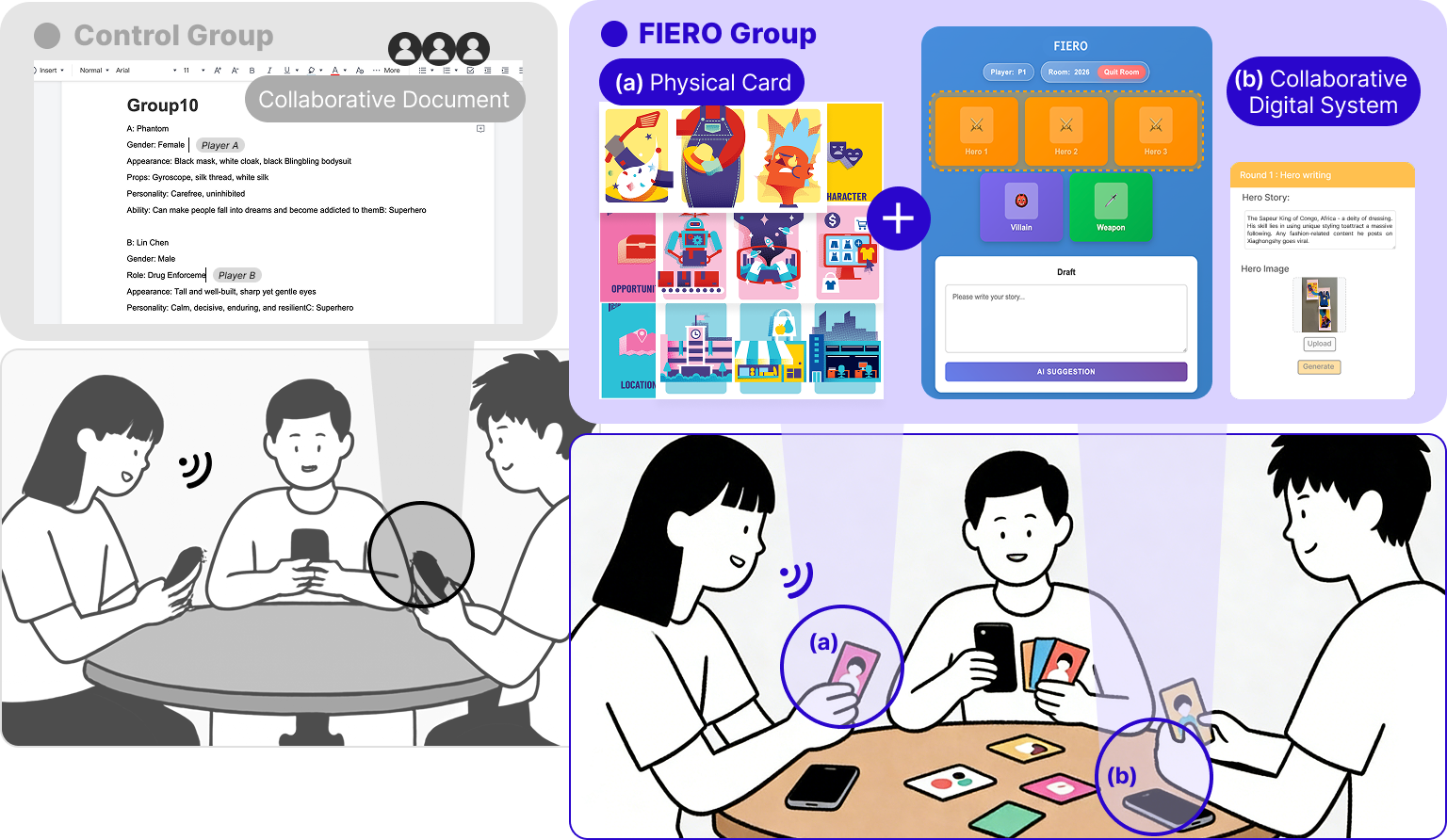
Fig 1: FIERO is a collaborative story creation game that combines card-based mechanics with digital system.
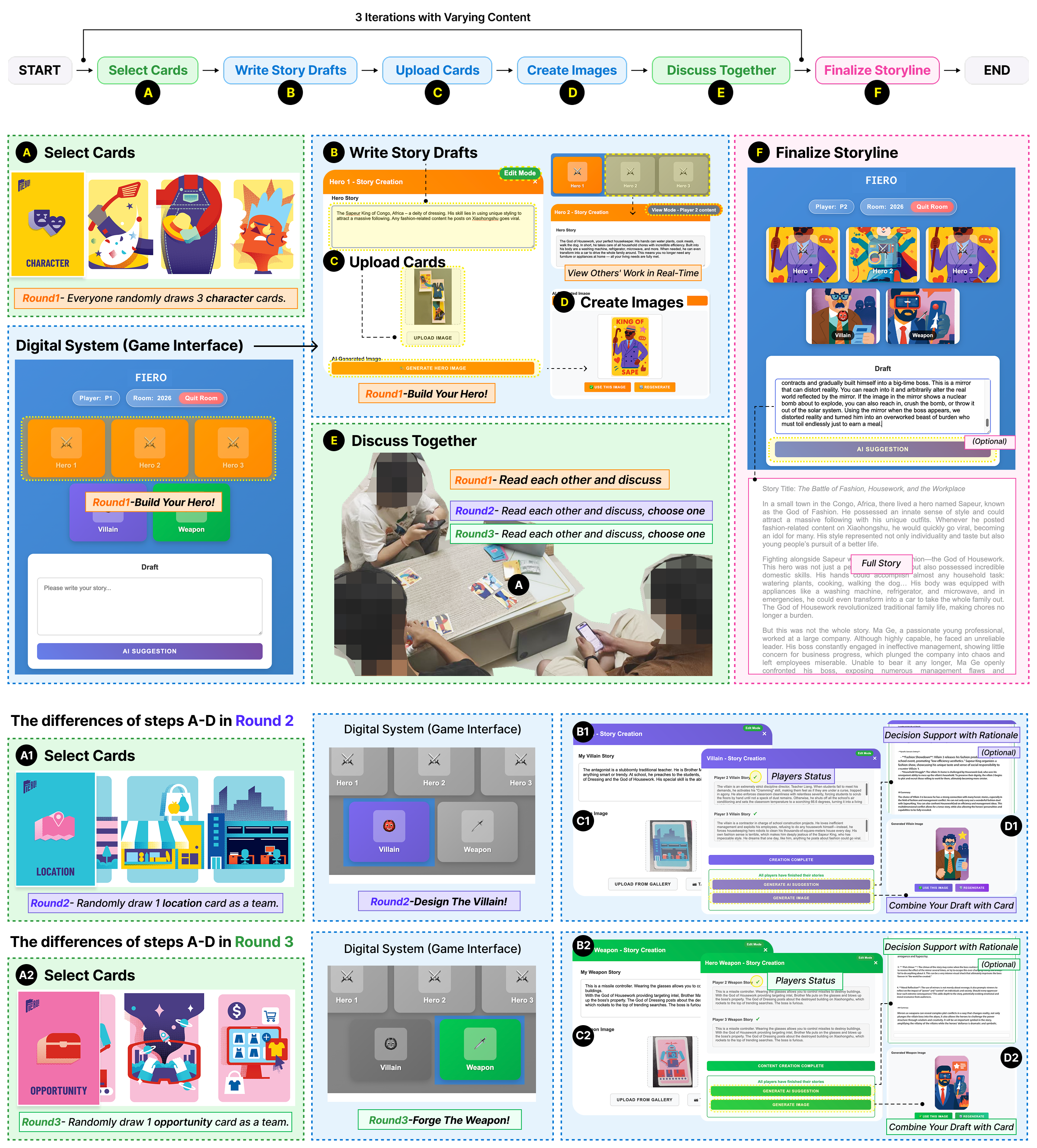
Fig 2: FIERO Game Flow: (A) Players randomly draw physical cards; (B) Based on the cards, they collab-
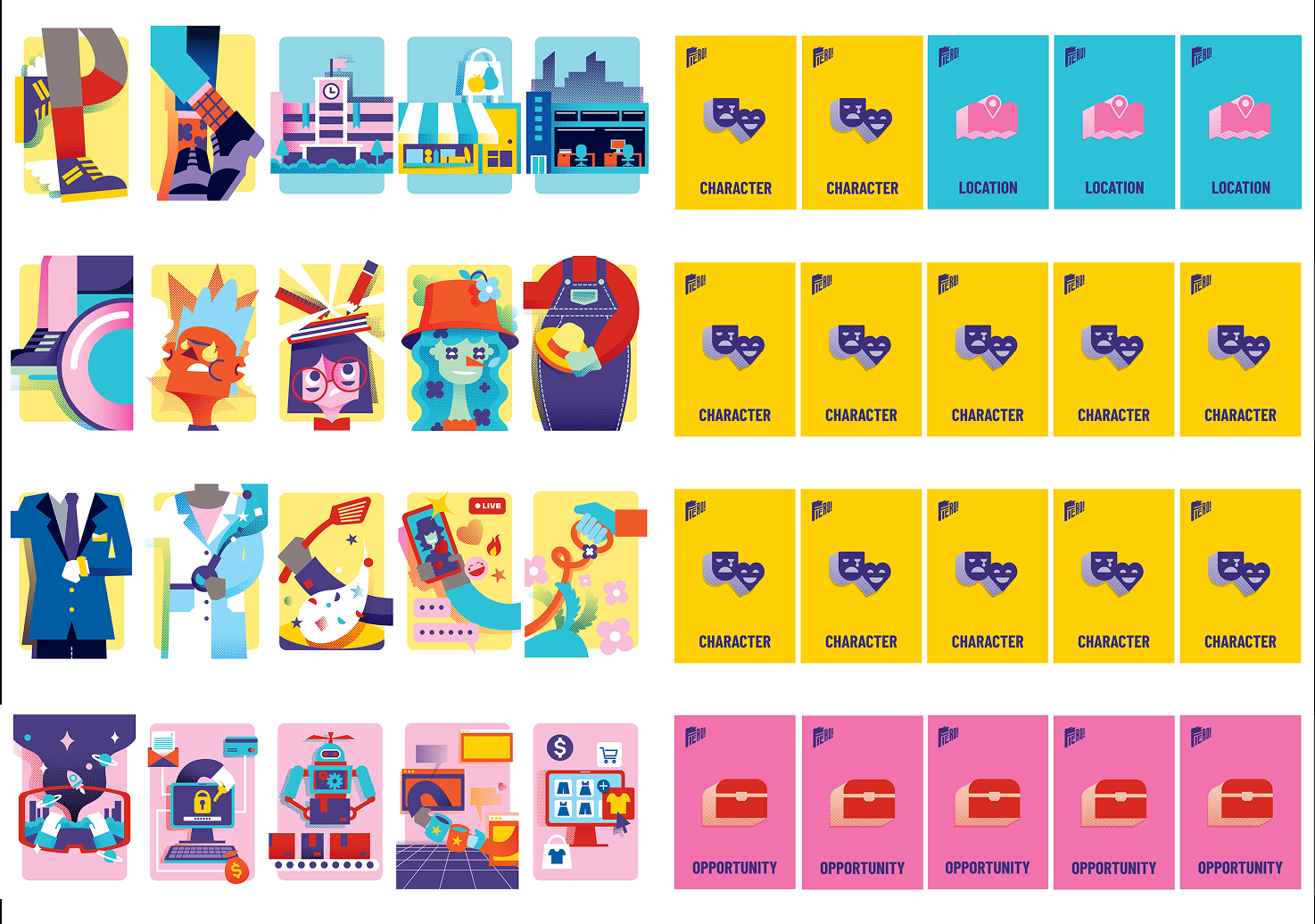
Fig 3: The game includes 20 physical cards in three categories: Character cards (yellow, 12 cards) depicting
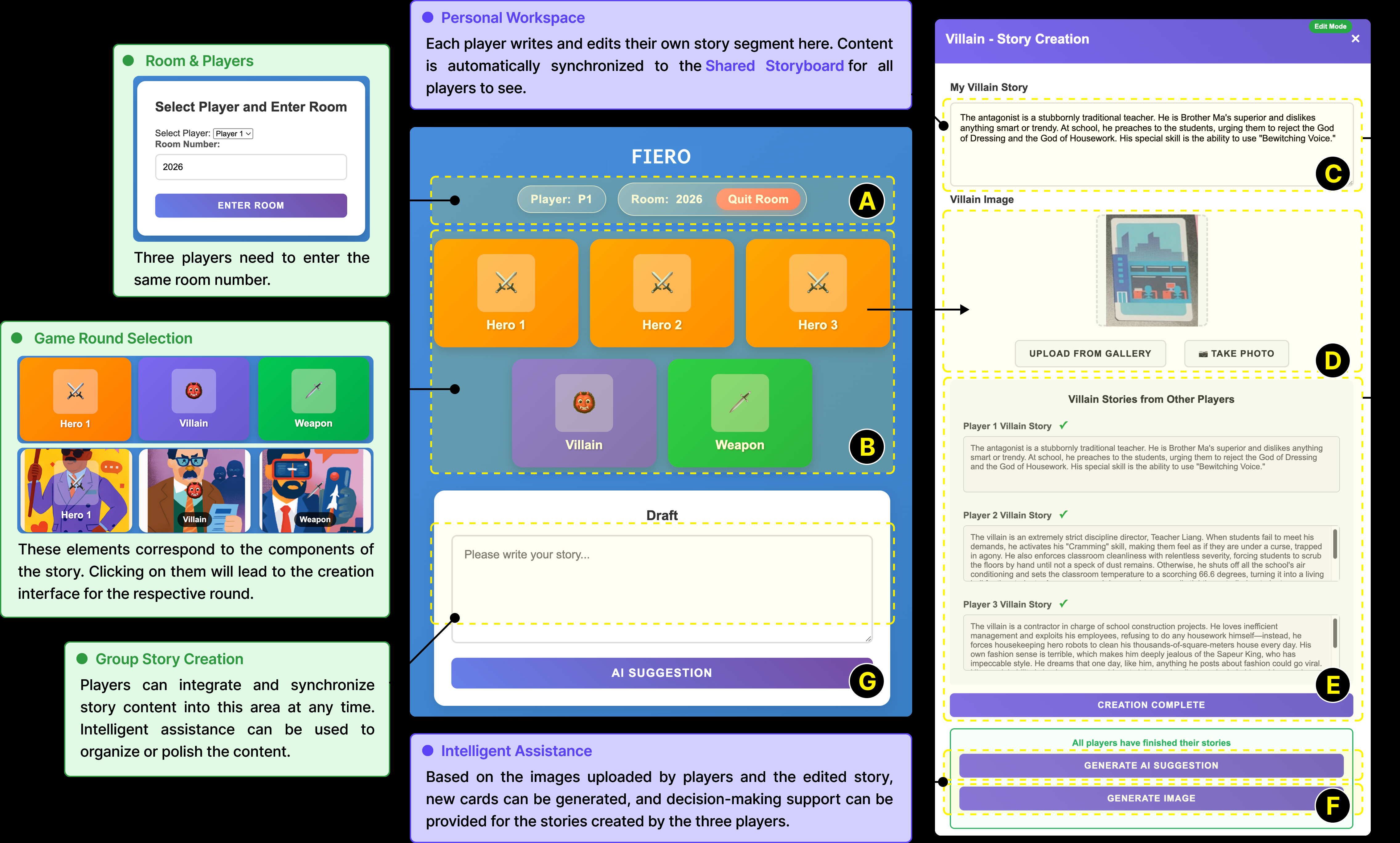
Fig 4: Digital Interface: (A) Players can join a game by selecting the corresponding room number to form a
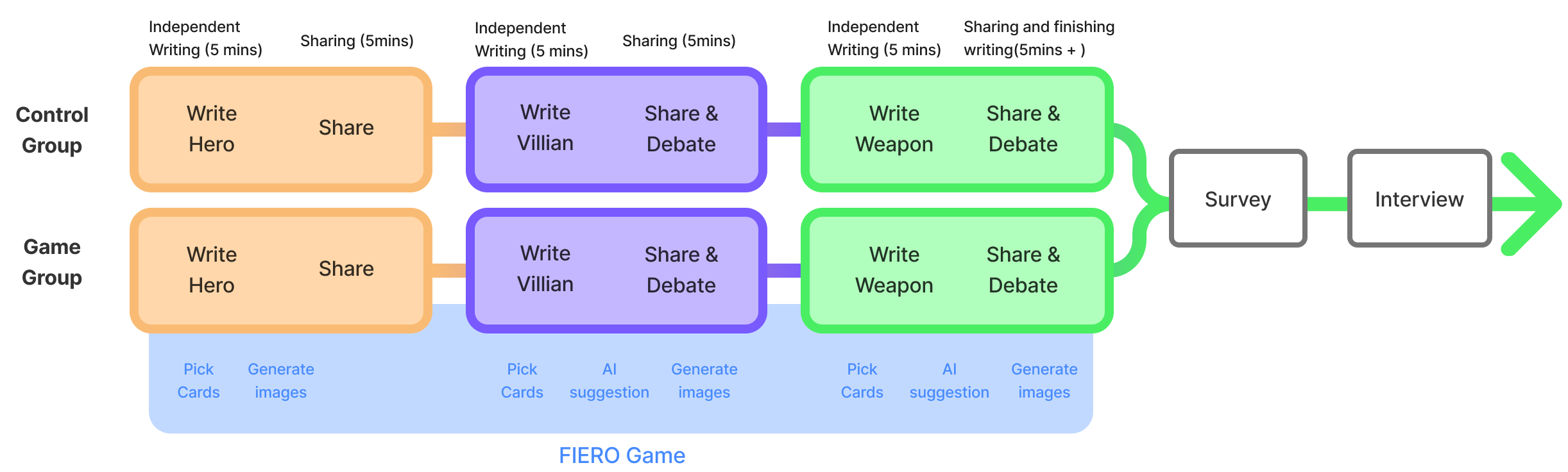
Fig 5: Experimental Procedure for the Control and FIERO Groups.
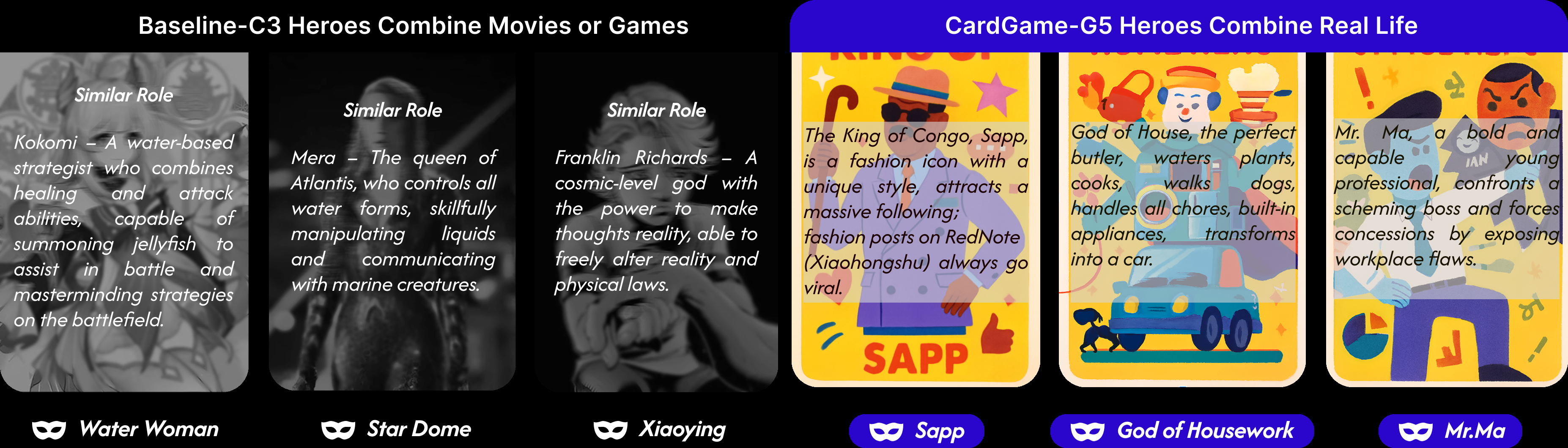
Fig 6: The heroes in the Control group are more closely aligned with existing characters from movies and
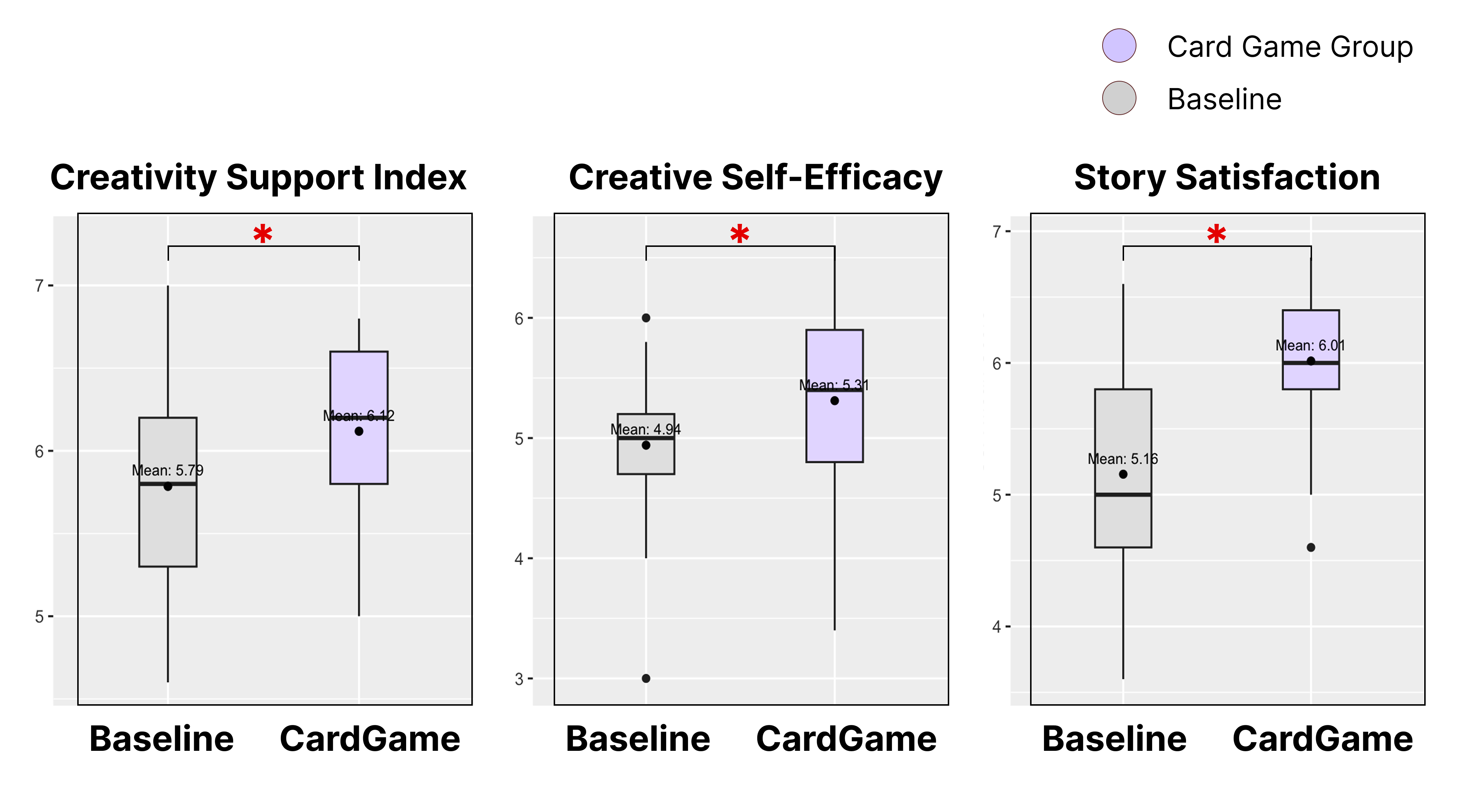
Fig 7: The FIERO group scored significantly higher than the Control group on the Creativity Support Index
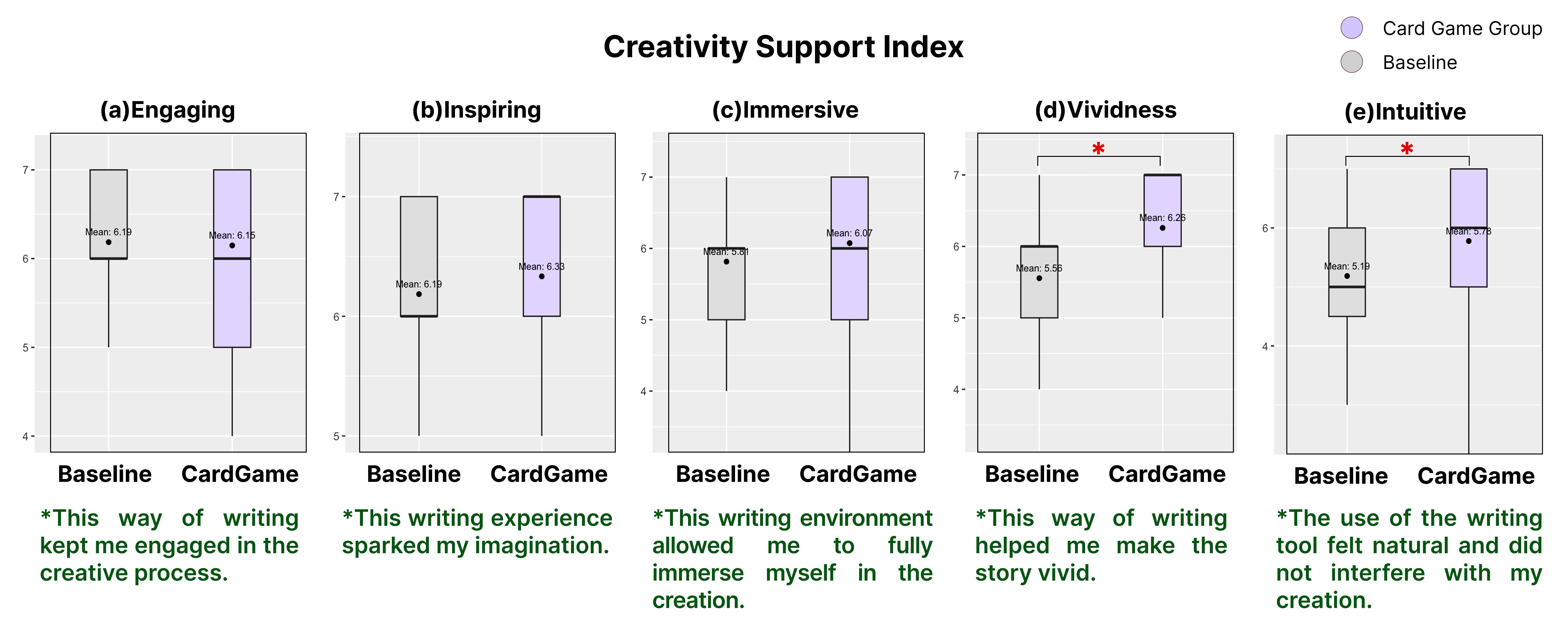
Fig 8: FIERO performs at a comparable level to the Control group in terms of Engaging, Inspiring, and Immer-
Limitations
- No detailed specification or open release of AI model training procedures and datasets limits reproducibility.
- Study population limited to 60 participants; demographic diversity and generalizability not discussed.
- Experiment context confined to superhero story creation; applicability to other genres not evaluated.
- No adversarial or security-focused evaluation since this is a creative collaboration tool.
- Potential learning effects or novelty bias from physical cards and gamification not deeply controlled.
- Long-term effects on collaborative creativity or sustaining engagement beyond single sessions unstudied.
Open questions / follow-ons
- How well does FIERO generalize to other creative writing genres or collaborative tasks beyond superhero narratives?
- What are the long-term effects of using FIERO on team collaboration dynamics and sustained creative productivity?
- How can AI-powered assistance be further optimized to balance guidance and creative autonomy in diverse group settings?
- Would integrating more adaptive or personalized AI interventions improve collaborative writing outcomes?
Why it matters for bot defense
For bot-defense and CAPTCHA practitioners, FIERO’s approach highlights the value of embodied interaction combined with intelligent AI assistance to facilitate cooperative human creativity. While not directly about security, it illustrates how multimodal inputs and AI-mediated negotiation can enhance shared user engagement and decision-making.
In CAPTCHA or bot-defense contexts, analogous principles could guide the design of challenges that foster rich human interaction, reduce automation ease, and improve usability by integrating tangible interfaces and AI-driven dynamic content. FIERO also underscores the importance of preserving user agency even when AI support is involved, an insight valuable when designing security tasks that must balance automation resistance with user experience.
Cite
@article{arxiv2607_11837,
  title={ FIERO: Empowering Creative Writing Through Collaborative Game Play },
  author={ Chu Zhang and XiaoKe Zeng and Jin Zhang and Ruoyu Wen and Vince Siu and Richard William Allen and Ray LC },
  journal={arXiv preprint arXiv:2607.11837},
  year={ 2026 },
  url={https://arxiv.org/abs/2607.11837}
}