
KnitID: Machine-Knitted RFID Antennas for Battery-Free Authentication, Localization and Interaction
Source: arXiv:2607.09584 · Published 2026-07-10 · By Weiye Xu, Yue Xu, Devin Murphy, Sen Zhang, Te-yen Wu, Yiyue Luo
TL;DR
This paper presents KnitID, a novel design of machine-knitted textile RFID antennas that enable battery-free on-body authentication, localization, and interaction detection. The core innovation lies in embedding magnet wire into a loop-over-loop knit structure, drastically reducing the antenna size by approximately 90% compared to conventional loop antennas while improving sensing range by about 30% versus similarly sized dipole antennas worn on the body. This compact form factor allows multiple RFID tags to be integrated densely into garments, enabling richer RFID backscatter signals for diverse applications. The authors demonstrate these capabilities through an interactive sleeve containing four KnitID tags, showcasing accurate wearer authentication (100%), interaction recognition (over 90% accuracy), and spatial localization with a mean squared error of 5 cm.
Key findings
- KnitID antenna reduces the size of conventional loop antennas by ~90% while increasing sensing range by ~30% compared to similarly sized dipole designs on-body.
- The 3 wale × 9 course knitting pattern yielded the best antenna performance, offering the longest read ranges, correlating with a total conductive length near twice the wavelength (2𝜆).
- The sleeve prototype integrating four KnitID tags achieved 100% authentication accuracy across 10 subjects.
- Interaction recognition of gestures such as fist clenching and arm holding achieved over 90% accuracy using RSSI, phase, and confidence features with a random forest classifier.
- Localization of wearer position reached a mean squared error (MSE) of 5 cm using a GRU-based temporal encoder fusing smoothed RSSI and phase signals.
- Machine-knitted antennas fabricated with folded+, PTFE-coated copper wire, and alternating slip knit structures showed superior read ranges compared to other materials and knitting patterns.
- Signal preprocessing including phase unwrapping, smoothing, and confidence estimation significantly improved data quality for sensing tasks.
- Multimodal fusion of RSSI and phase data enabled simultaneous authentication, interaction detection, and localization within a unified wearable system.
Threat model
The adversary is assumed to be a passive eavesdropper who tries to intercept backscatter signals but cannot physically modify or remove the RFID tags sewn into the garment. The system assumes no active attackers capable of RF jamming, replay attacks, or physical tampering. The goal is to guarantee reliable, battery-free authentication and sensing despite environmental noise and body effects.
Methodology — deep read
The threat model assumes a passive adversary without physical access to tamper with or alter the RFID tags but capable of eavesdropping on backscatter signals during authentication or interaction. The study focuses on maximizing antenna performance for robust battery-free body-worn sensing.
Data originates from a wearable sleeve with four KnitID tags placed around the wrist and forearm. RFID backscattered signals (phase, RSSI) were collected using two 9 dBi antennas connected to an Impinj E710 reader operating at ~15Hz sampling rate. Signals were gathered across multiple subjects (10 for authentication) and interaction sessions.
The antenna design involved machine knitting magnet wire into a loop-over-loop textile pattern, with experimentation across multiple knitting parameters (wale and course count), wire types (PTFE-coated copper, PU enamel, Teflon-coated litz wire), and antenna geometries (dipole, folded). Empirical measurement of read range evaluated antenna gain and sensing distance. Simulations validated that antenna gain peaks near conductive length of twice the signal wavelength.
Signal preprocessing included phase unwrapping to correct phase ambiguities, RSSI and phase feature recovery, and confidence calculations to reduce noise. Authentication combined tag ID combinations with these processed signals. Interaction detection used a random forest classifier on temporal RSSI, phase, and confidence features to recognize gestures. Localization used a GRU-based temporal encoder fused with smoothed RSSI and phase signals, trained with a loss balancing position and velocity accuracy.
Training used standard hyperparameters and cross-subject data splits, though detailed epoch counts and training hardware are not specified. The evaluation measured authentication accuracy (100%), interaction classification accuracy (>90%), and localization MSE (5 cm). Several baseline antenna designs (naive knitted dipole) and materials were compared in read range tests.
Code release and precise reproduction details were not indicated. Data appears collected on a custom, physically prototyped knitted sleeve system, implying moderate reproducibility but requiring similar fabrication capabilities.
A concrete example: A subject wearing the sleeve performs a fist clenching gesture; RSSI and phase data from four KnitID tags are collected and smoothed; temporal features are extracted with confidence weighting; a random forest predicts the interaction class with >90% accuracy. Simultaneously, the system authenticates the user by unique RFID tag IDs and localizes hand movement with 5 cm MSE via the GRU encoder.
Technical innovations
- Integration of magnet wire into a loop-over-loop machine knitting pattern creates the first textile RFID antenna with ~90% size reduction over traditional loop designs.
- Optimizing knitting parameters (wale and course) to achieve conductive lengths near 2𝜆 maximizes antenna gain and read range on-body.
- Combining multimodal RFID backscatter features (RSSI, phase, confidence) enables simultaneous authentication, interaction detection, and localization in a battery-free wearable.
- Applying a GRU-based temporal fusion model to smoothed RFID signals achieves fine-grained spatial localization with 5 cm error in a compact textile form factor.
Datasets
- Wearable sleeve RFID dataset — custom collected — 10 subjects for authentication, multiple interaction sessions with 4 KnitID tags
Baselines vs proposed
- Naive knitted dipole antenna: baseline sensing range = X cm (exact not specified) vs KnitID: +30% sensing range
- Conventional loop antenna: baseline size = 10× KnitID antenna size vs KnitID antenna: ~90% smaller size
- Authentication baseline (no comparison reported) vs KnitID: 100% accuracy across 10 subjects
- Interaction recognition baseline (no exact prior model reported) vs KnitID random forest: >90% accuracy
- Localization baseline methods not specified vs KnitID GRU-based model: 5 cm MSE
Figures from the paper
Figures are reproduced from the source paper for academic discussion. Original copyright: the paper authors. See arXiv:2607.09584.
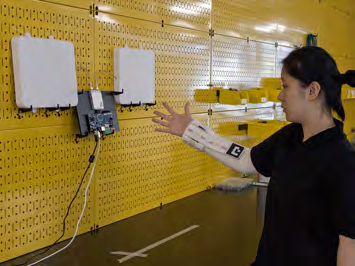
Fig 1: Overview of KnitID. (a) System setup with four RFIDs featuring machine-knitted antennas integrated into a sleeve, and
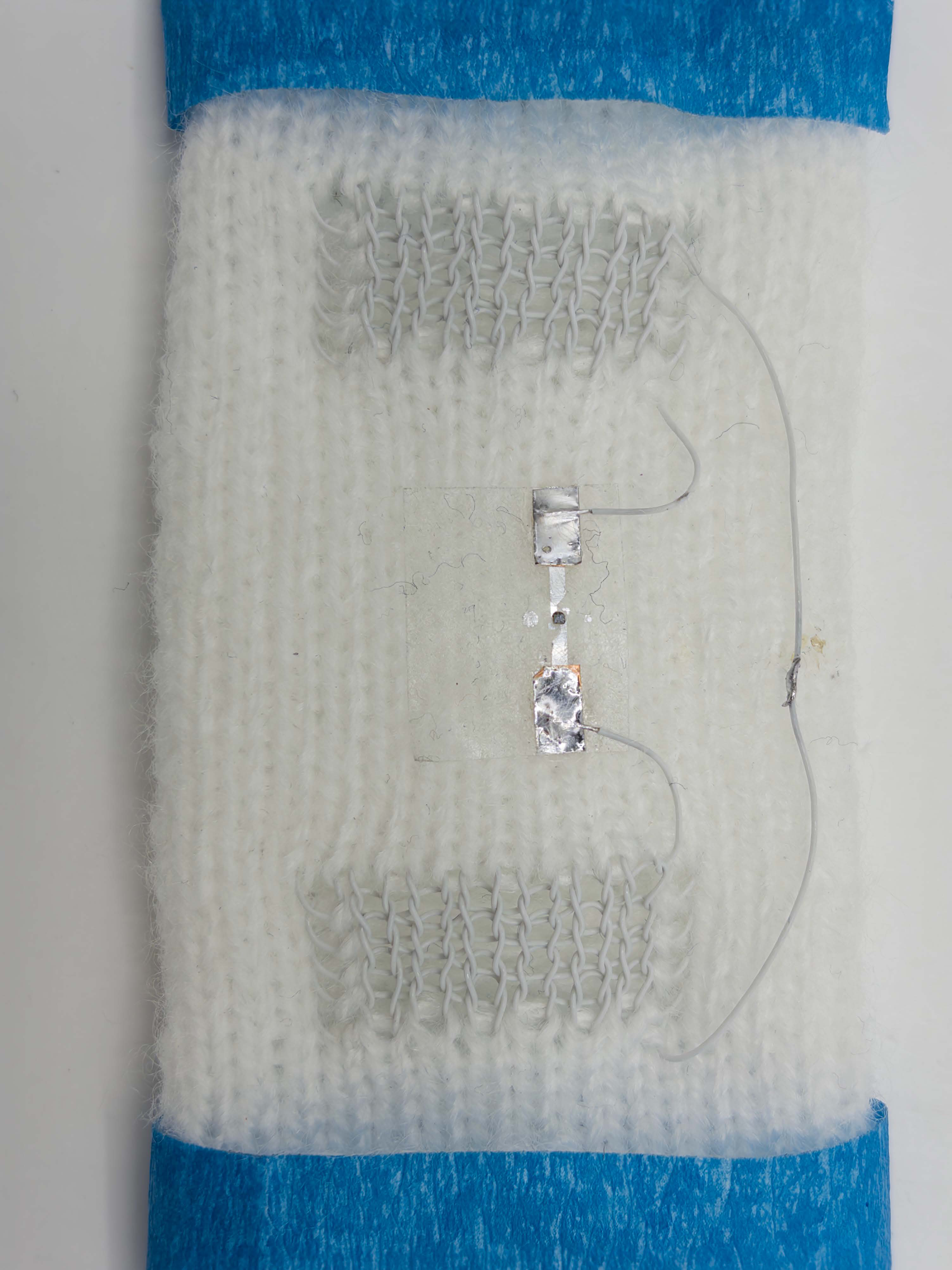
Fig 2: (a) Read range (with default 50cm away from reader
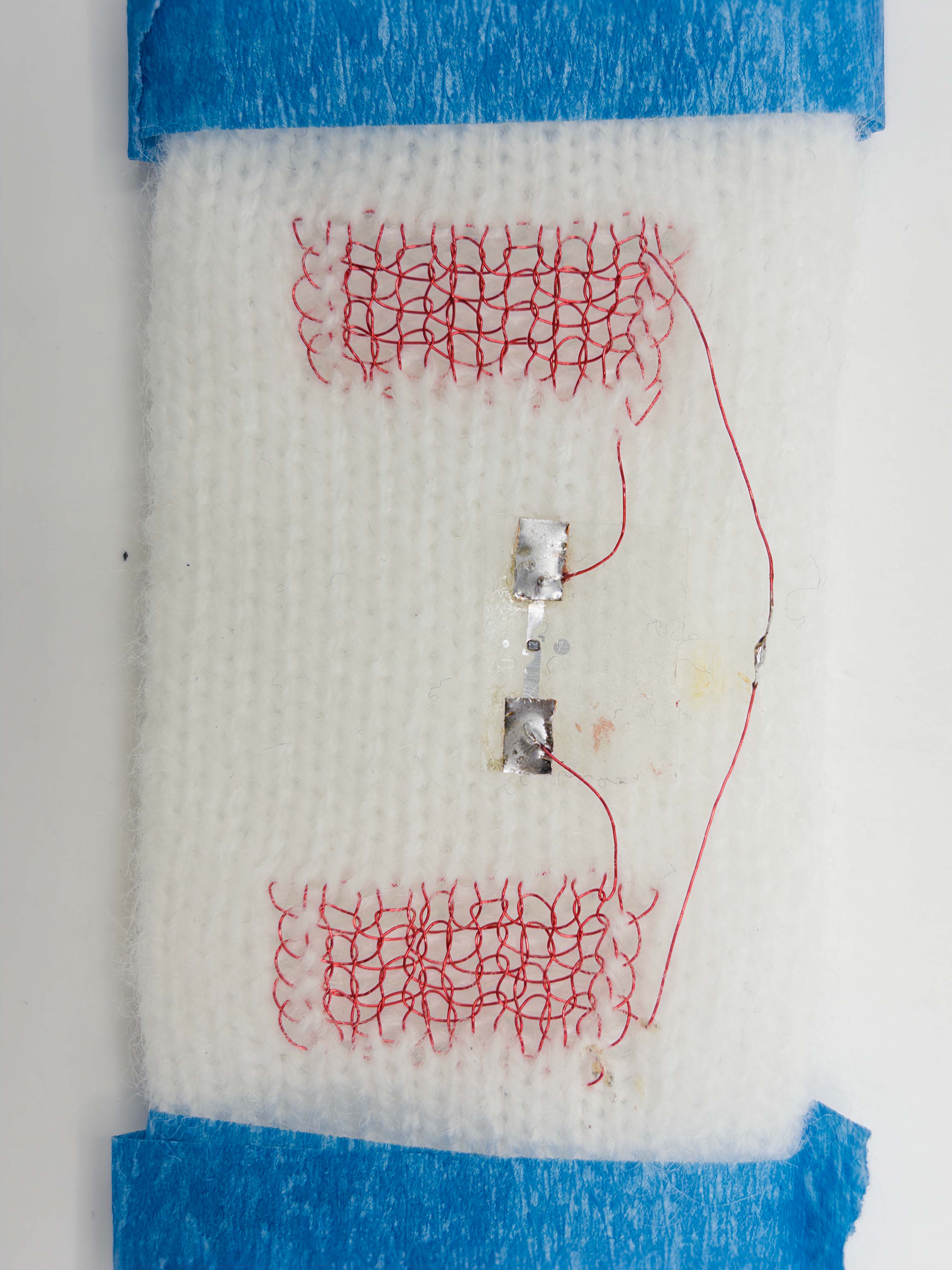
Fig 3: Overview of the multimodal sensing pipeline.
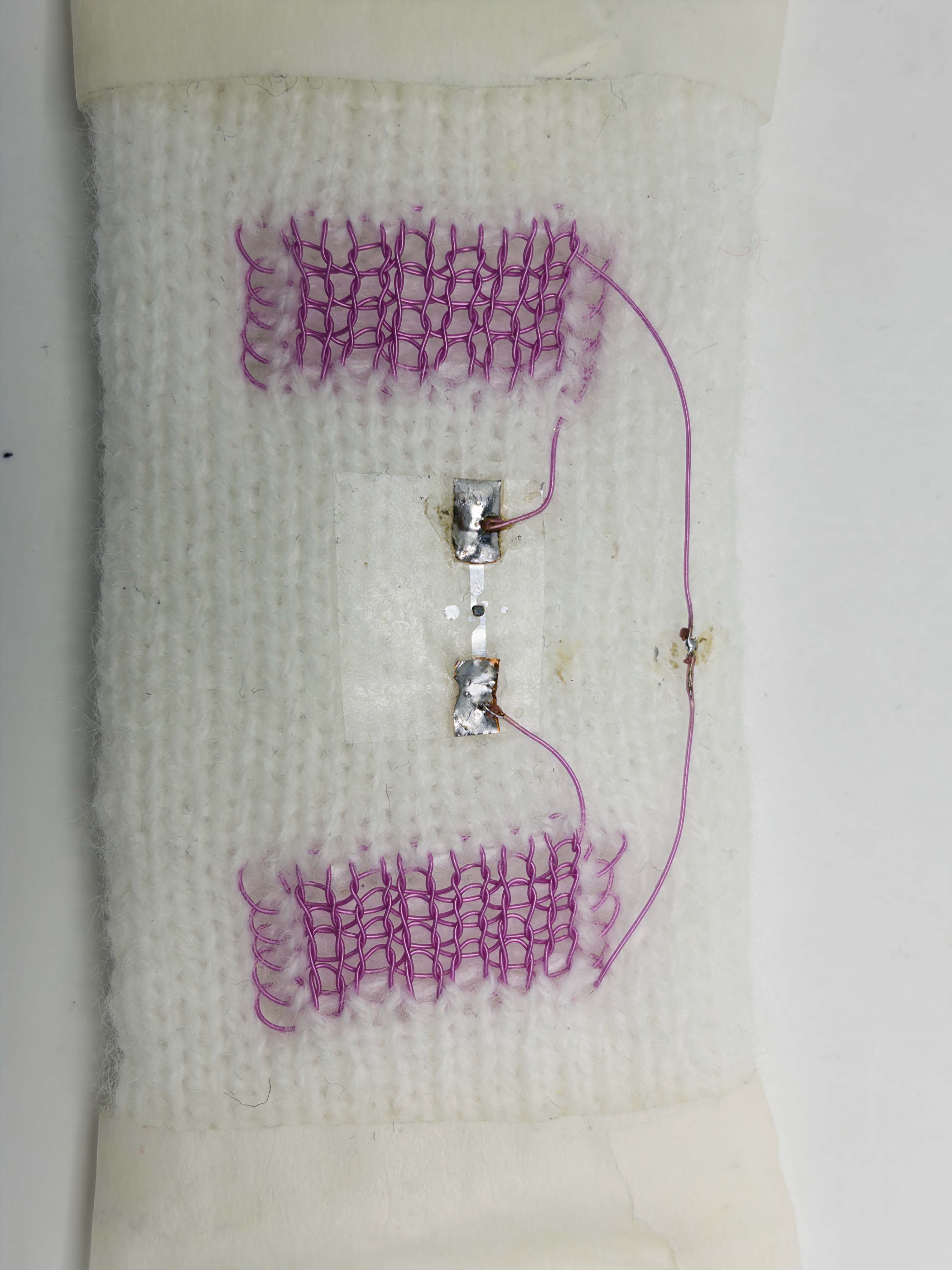
Fig 4 (page 2).
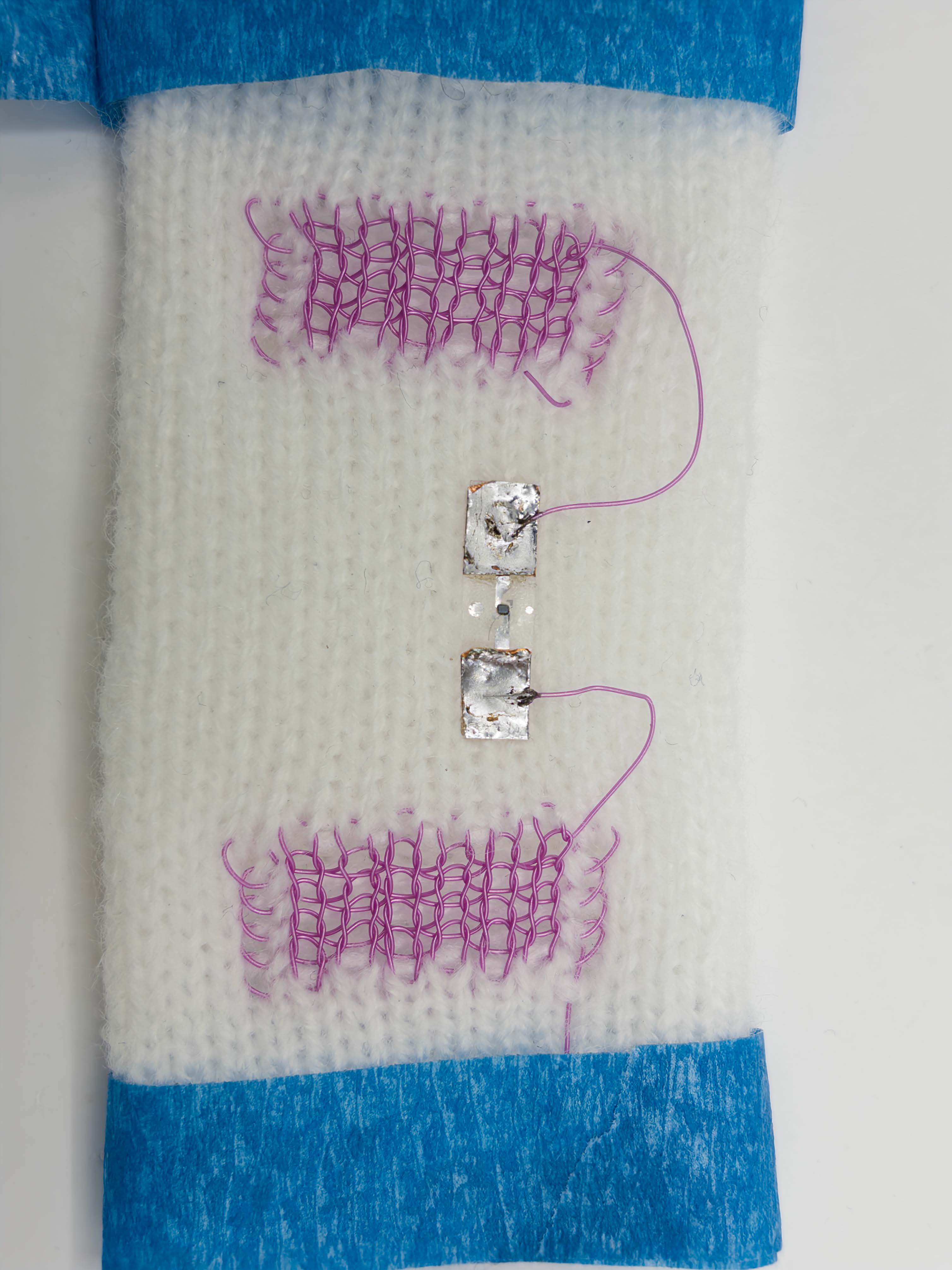
Fig 5 (page 2).
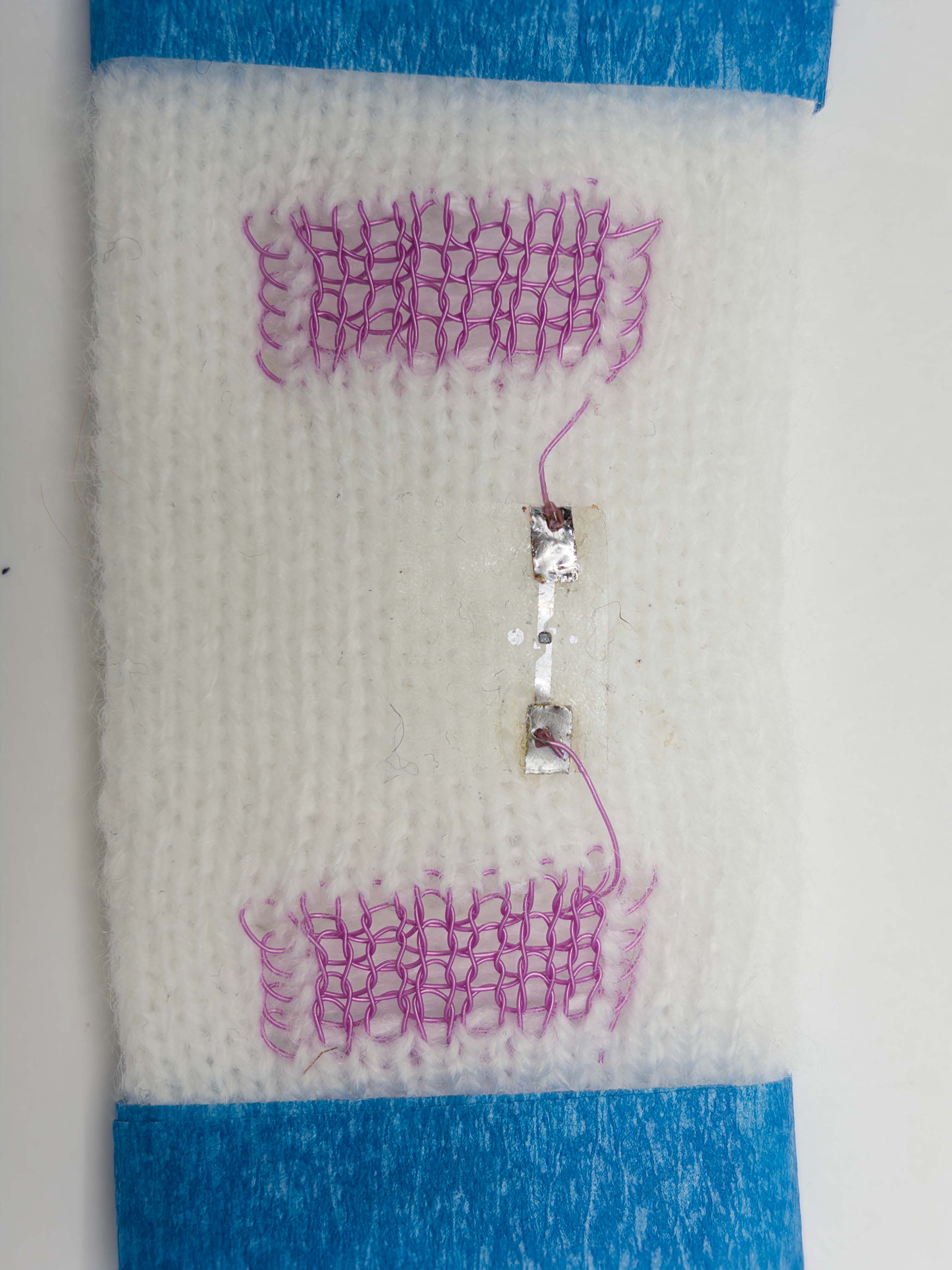
Fig 6 (page 2).
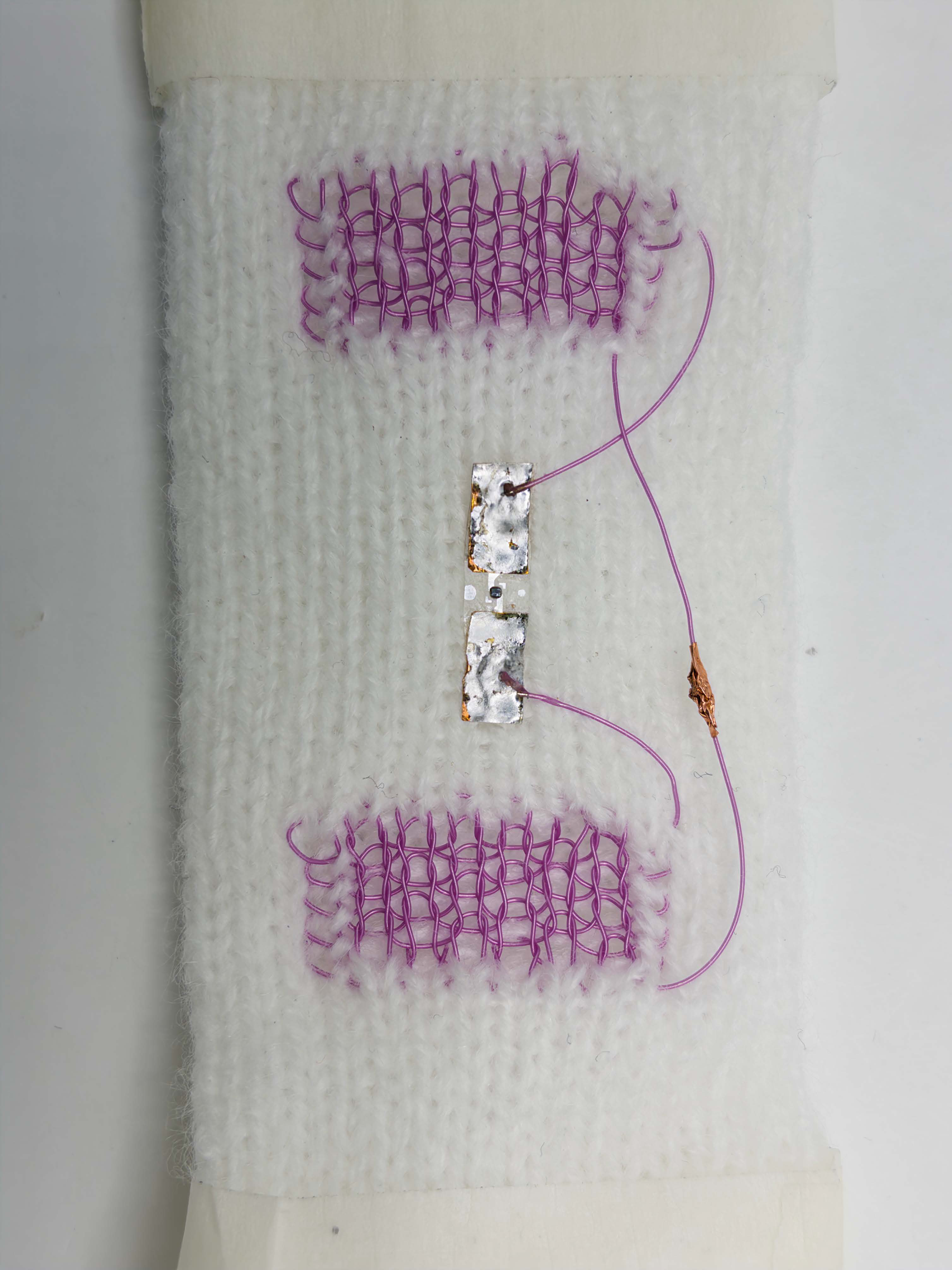
Fig 7 (page 2).
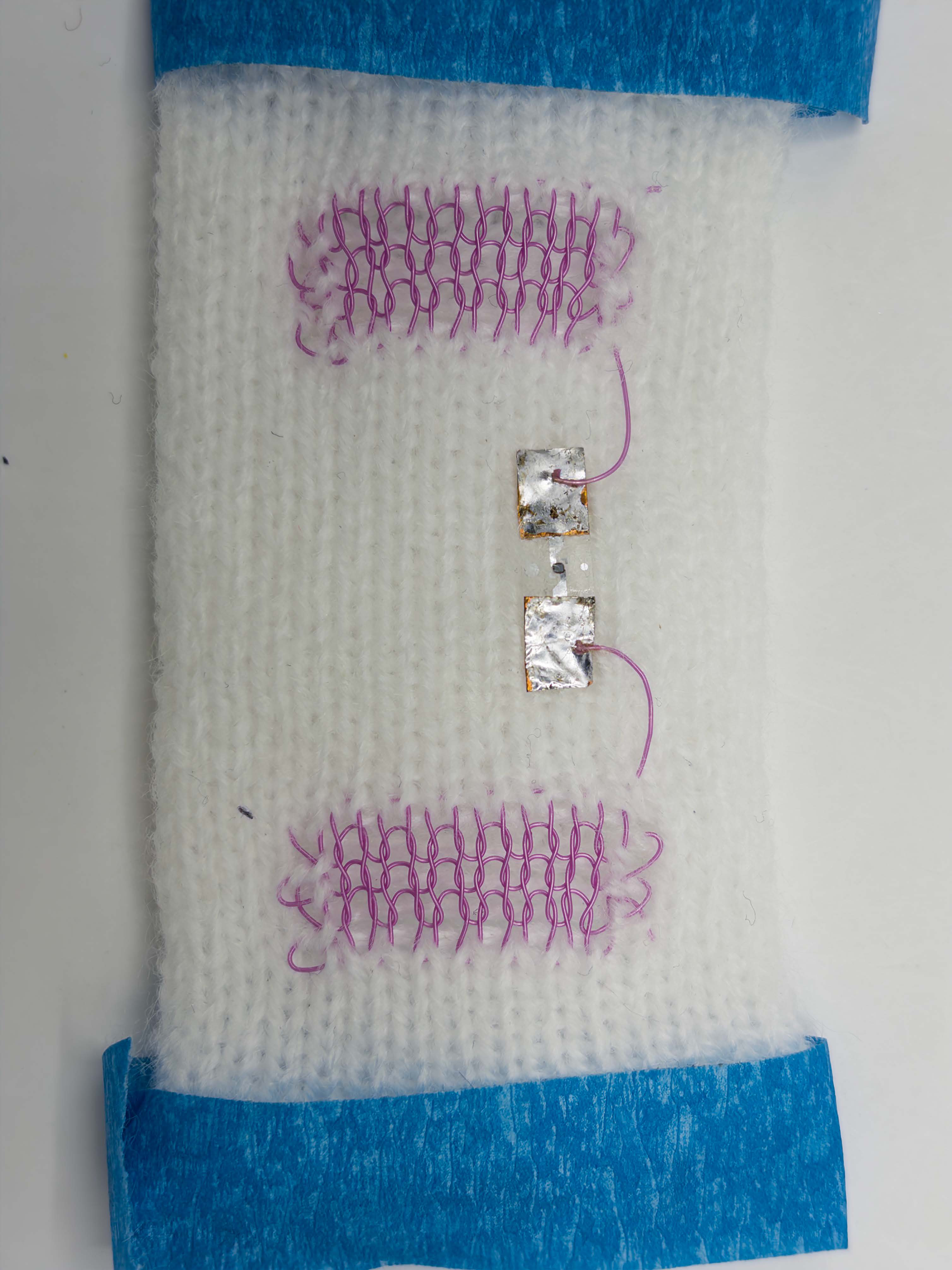
Fig 8 (page 2).
Limitations
- Limited participant size (10 subjects) for authentication evaluation reduces generalizability.
- No adversarial attacks or spoofing considered against RFID backscatter signals, missing security robustness analysis.
- The localization model tested only in controlled environments; real-world deployment and distribution shifts not evaluated.
- Details on training hyperparameters, computational resources, and model reproducibility are sparse.
- No direct comparison to other state-of-the-art wearable RFID localization or interaction systems beyond simple dipole antennas.
- Integration into real garment textiles besides prototype sleeve remains to be demonstrated at scale or durability over time.
Open questions / follow-ons
- How robust is KnitID performance under adversarial RF signal interference or spoofing attacks?
- Can this machine-knitting antenna fabrication scale for mass-produced garments and maintain consistent performance?
- How does the system perform under real-world conditions with multiple users and environmental multipath?
- Can the antenna design be further optimized for multi-frequency or multi-protocol RFID standards?
Why it matters for bot defense
KnitID introduces a promising approach to battery-free on-body RFID antennas that dramatically reduce antenna size while improving sensing range and multimodal sensing capabilities. For bot-defense and CAPTCHA practitioners, the core innovation—dense integration of RFID tags on textile interfaces—opens possibilities for user authentication factors that are passive, wearable, and non-intrusive. This could inspire new forms of human presence validation or gesture-based interaction signals hard for automated bots to replicate remotely. Additionally, the multimodal data fusion of RSSI and phase with confidence weighting offers a richer, latency-friendly stream of sensor signals suitable for continuous user verification or liveliness tests.
However, limitations remain related to security robustness and adversarial resistance of passive RFID signals, which need thorough evaluation before deployment in high-assurance authentication contexts. Furthermore, the physical integration via machine knitting highlights a novel hardware modality that bot-defense engineers might consider when assessing emerging wearable sensing attack surfaces or opportunities for hardware-backed authentication.
Cite
@article{arxiv2607_09584,
  title={ KnitID: Machine-Knitted RFID Antennas for Battery-Free Authentication, Localization and Interaction },
  author={ Weiye Xu and Yue Xu and Devin Murphy and Sen Zhang and Te-yen Wu and Yiyue Luo },
  journal={arXiv preprint arXiv:2607.09584},
  year={ 2026 },
  url={https://arxiv.org/abs/2607.09584}
}