
Short Peptide Tails Modulate DNA Association and Condensation by PAMAM Dendrimers
Source: arXiv:2607.08623 · Published 2026-07-09 · By Corinna Dannert, Pablo M. Blanco, Sebastian P. Pineda, Peter Košovan, Rita S. Dias
TL;DR
This paper investigates how short peptide tails conjugated to generation 2 poly(amidoamine) (PAMAM) dendrimers influence their interaction with DNA, focusing on DNA association and condensation as a function of pH. Combining potentiometric titrations, DNA precipitation assays, and coarse-grained molecular simulations with charge regulation, the authors reveal that unmodified G2 PAMAM dendrimers exhibit strong charge regulation effects near DNA but induce DNA condensation largely independent of pH. In contrast, conjugation of single short peptide tails—particularly histidine-containing peptides—introduces pronounced pH sensitivity in DNA condensation, with efficiency dropping markedly at physiological pH due to peptide neutralization. Simulations of single conjugates reproduce charge modulation and binding trends but do not fully capture the collective multi-conjugate condensation behavior seen experimentally.
The work elucidates molecular-level mechanisms by which peptide composition and charge regulation interplay to modulate DNA condensation, transforming PAMAM dendrimers from pH-insensitive to pH-responsive DNA condensing agents. Histidine-containing peptide conjugates stand out for their strong pH-dependent charge changes across endosomal pH conditions, representing a potential mechanism for enhanced endosomal escape in gene delivery applications. However, this increased responsivity comes at the cost of reduced DNA condensation efficiency at neutral pH, highlighting a trade-off important for therapeutic design.
Key findings
- Unmodified G2 PAMAM dendrimers maintain a net positive charge ≥ +14e across pH 5-7 near DNA, sufficient for DNA condensation largely independent of pH (Fig. 3, 4).
- Short peptides alone (e.g., H4S5, K4S5, E4S1H4) do not induce DNA condensation up to rmol=1200 due to low net charge and charge density (Fig. D.16).
- Conjugation of single peptide tails to G2 PAMAM introduces strong pH dependence in DNA condensation: histidine-containing conjugates (G2-H4S5, G2-E4S1H4) show near-complete condensation at pH 4 that drops sharply above pH 6-7 (Fig. 12, 13).
- Simulations show charge regulation enhances tertiary amine protonation in PAMAM near DNA at low pH, increasing net charge by ~30% upon DNA proximity (Fig. 7, 8).
- Potential of mean force (PMF) for DNA adsorption decreases from −64 kBT at pH 5 to −39 kBT at pH 7 for unmodified G2, reflecting weakened electrostatic attraction at higher pH (Fig. 11).
- G2-K4S5 conjugates retain strong DNA binding across pH 5-7 due to fully protonated lysines (pKa~10.4), yet their DNA condensation efficiency still decreases with pH, suggesting peptide conformation and interactions modulate condensation beyond net charge (Fig. 11, 12).
- Potentiometric titration data differ somewhat from simulations due to phosphate ion binding artifacts in experiments, affecting dendrimer and conjugate charge measurements (Appendix E).
- Single-conjugate simulations capture association trends with DNA but cannot fully replicate experimental condensation, highlighting the importance of cooperative multi-conjugate and many-body effects.
Methodology — deep read
The authors investigate the effect of short peptide conjugation on G2 PAMAM dendrimer interaction with DNA across pH 4-8. The threat model is a biochemical system aiming to understand nucleic acid binding and condensation influenced by pH and charge regulation; there is no explicit adversary. Experimental data include potentiometric titrations to measure ionization states, DNA precipitation assays to quantify DNA condensation, and molecular simulations for mechanistic insight.
Materials include G2 PAMAM dendrimers, three types of custom short peptides (H4S5, K4S5, E4S1H4) each with a terminal cysteine for conjugation, and a 6732 bp plasmid DNA. Peptide sequences vary in amino acid composition to test different charge properties. Buffers of fixed ionic strength (16.9 mM NaCl) and pH 4.3-8.2 were used. Conjugation involved functionalizing dendrimers with sulfo-LC-SPDP linkers followed by reaction with peptides in a 1:1 molar ratio, yielding on average ~1 peptide conjugate per dendrimer.
DNA condensation was assayed by mixing dendrimer or conjugate solutions at variable molar ratios (rmol) with DNA, incubating, centrifuging, then measuring supernatant absorbance at 260 nm to quantify unbound DNA. Potentiometric titrations measured proton uptake/release to determine net charge as a function of pH with comparison to Henderson–Hasselbalch predictions.
Coarse-grained molecular models represented the dendrimer (primary and tertiary amine beads with pKa=9.15 and 6.0), peptides (two-bead per amino acid with assigned pKa for ionizable residues), and double-helical DNA (rigid bead model with negatively charged phosphate groups). Molecular simulations combined Langevin dynamics for conformational sampling with constant-pH Monte Carlo to sample protonation states, capturing charge regulation.
Simulations ran 75,000 cycles (~4000 LD steps + 100 cpH titration attempts each), discarding first 20% as equilibration. Calculated observables include net charge vs distance from DNA, degree of ionization for amine and amino acid groups, and potentials of mean force (PMF) for adsorption energies.
Experimental and simulation data were compared to detect trends and differences. Phosphate ion contamination from buffers complicated experimental titration analyses. The DNA model was fixed in space, neglecting bending, justified by short DNA length relative to persistence length.
Overall, the methodology tightly couples quantitative biophysical experiments with detailed molecular simulation to dissect how peptide composition and pH modulate dendrimer–DNA interactions at molecular and macroscopic condensation levels.
Technical innovations
- Integration of charge-regulated coarse-grained molecular dynamics with constant-pH Monte Carlo titrations to model protonation states of dendrimer and peptide conjugates near DNA.
- Use of single-conjugate and multi-conjugate simulations to differentiate individual binding effects versus collective many-body effects in DNA condensation.
- Systematic experimental comparison of DNA condensation efficiency across pH using short peptide conjugated PAMAM dendrimers with distinct ionizable residues (histidine, lysine, glutamic acid).
- Demonstration that short peptide conjugation can convert pH-insensitive DNA condensation by G2 PAMAM into strongly pH-responsive behavior mediated by charge regulation and peptide composition.
Datasets
- G2 PAMAM dendrimers conjugated with peptides H4S5, K4S5, E4S1H4 — experimental titration and precipitation assay measurements (proprietary lab data).
- Coarse-grained molecular simulation trajectories and outputs modeling PAMAM, peptides, and DNA interactions — generated in-house with ESPResSo v4.2.1.
Baselines vs proposed
- Unmodified G2 PAMAM dendrimers: DNA precipitation assay absorbance at 260 nm remains nearly constant across pH 4.3–8.2 at rmol > 800 vs G2-H4S5 conjugates: >90% DNA condensed at pH 4, dropping to near zero condensation at pH 8 at same rmol (Fig. 12, 13).
- Potential of mean force (PMF) well depth at pH 5: unmodified G2 dendrimer −64 kBT vs G2-H4S5 conjugate −55 kBT vs G2-K4S5 conjugate −70 kBT (Fig. 11).
- Degree of ionization of tertiary amines in G2 PAMAM near DNA at pH 5 increases by up to 30% compared to bulk, enhancing net charge from ~+14e to ~+18e (Fig. 8).
Figures from the paper
Figures are reproduced from the source paper for academic discussion. Original copyright: the paper authors. See arXiv:2607.08623.
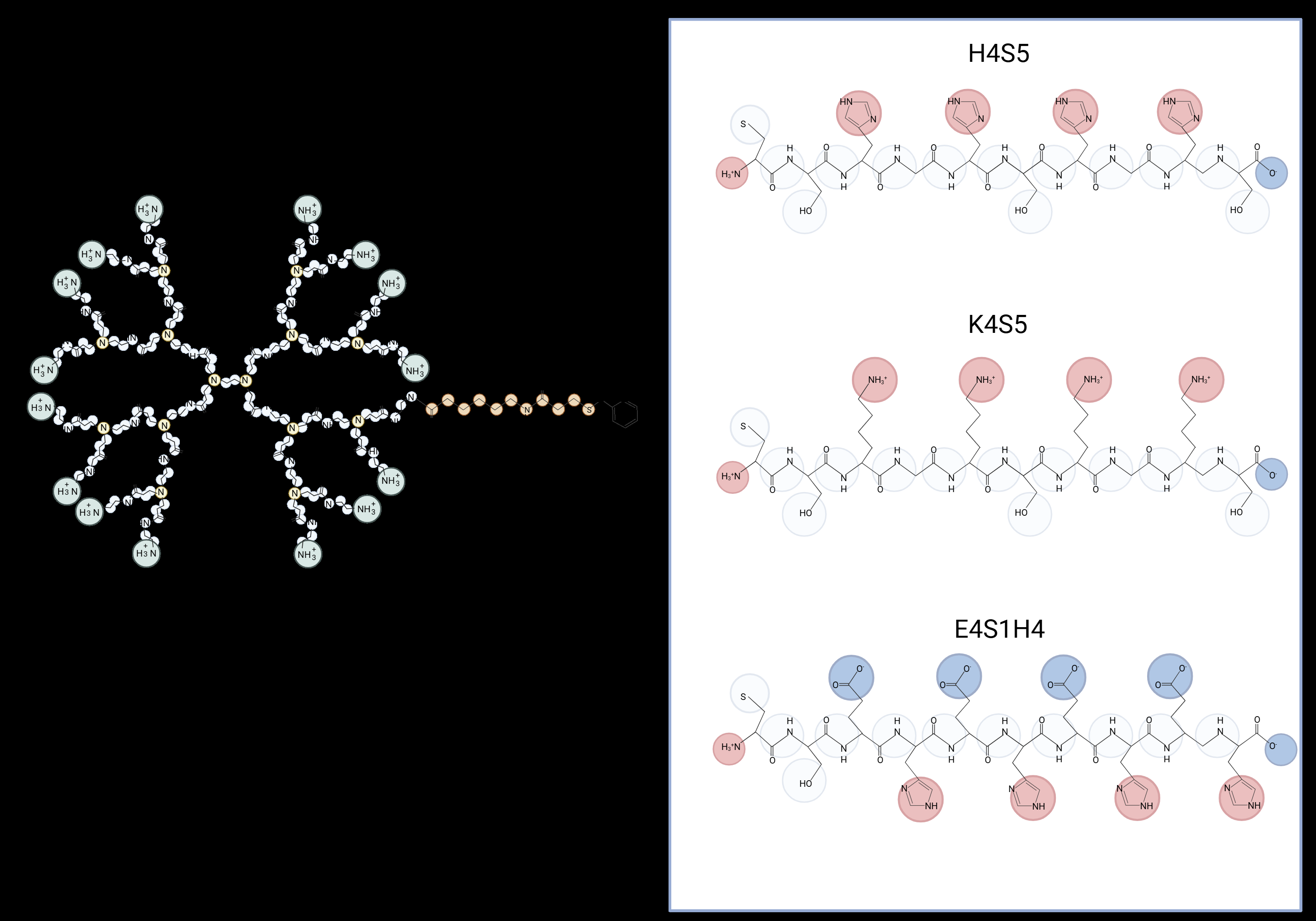
Fig 1: Coarse-grained representation of the G2 PAMAM dendrimer with an attached sulfo-LC-SPDP linker (left) and the peptides
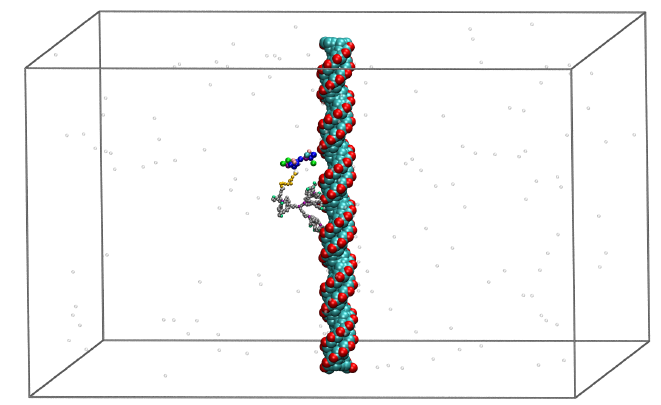
Fig 2: Representative frame from a simulation depicting the
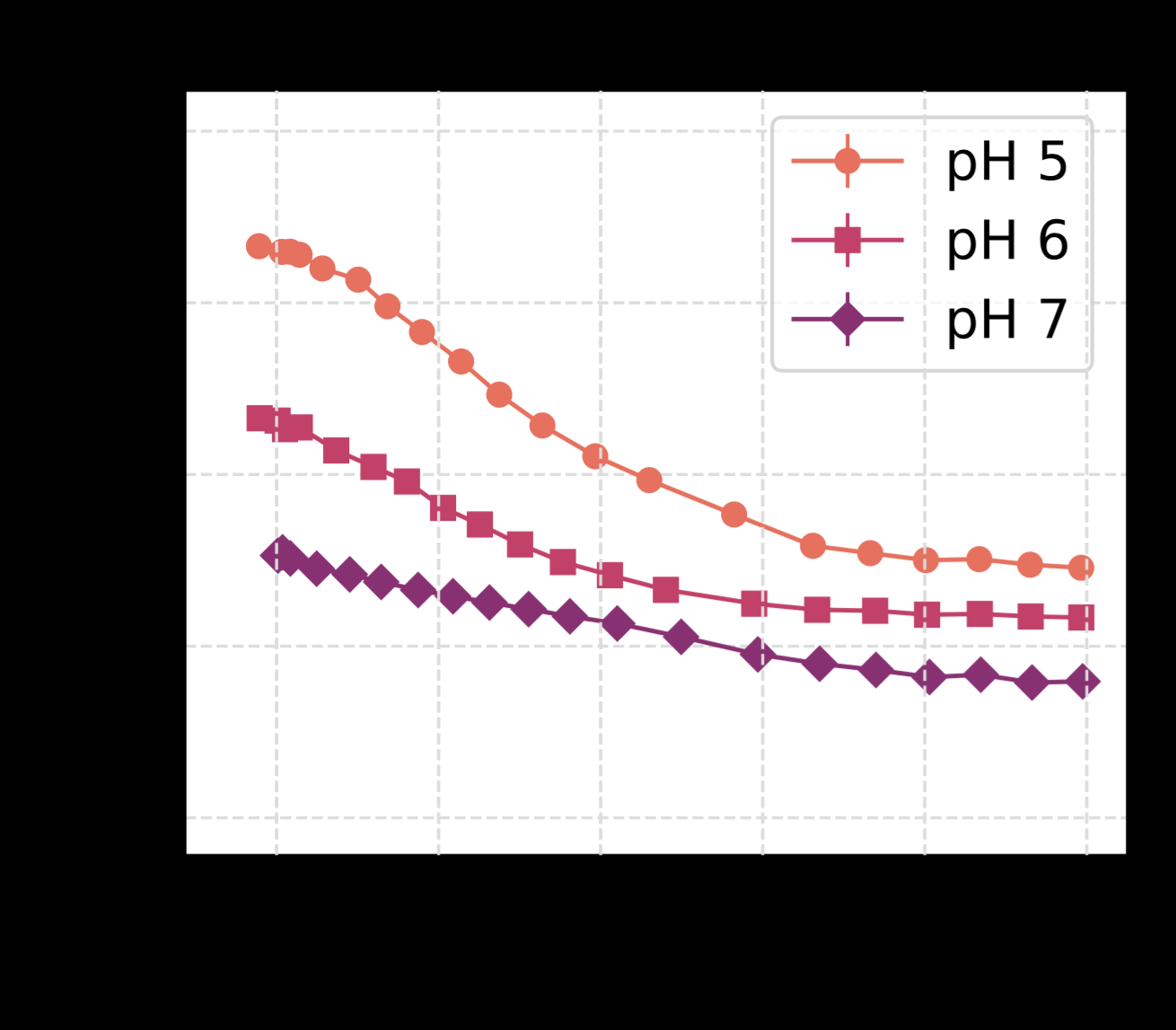
Fig 3: Total charge of dendrimers as a function of distance
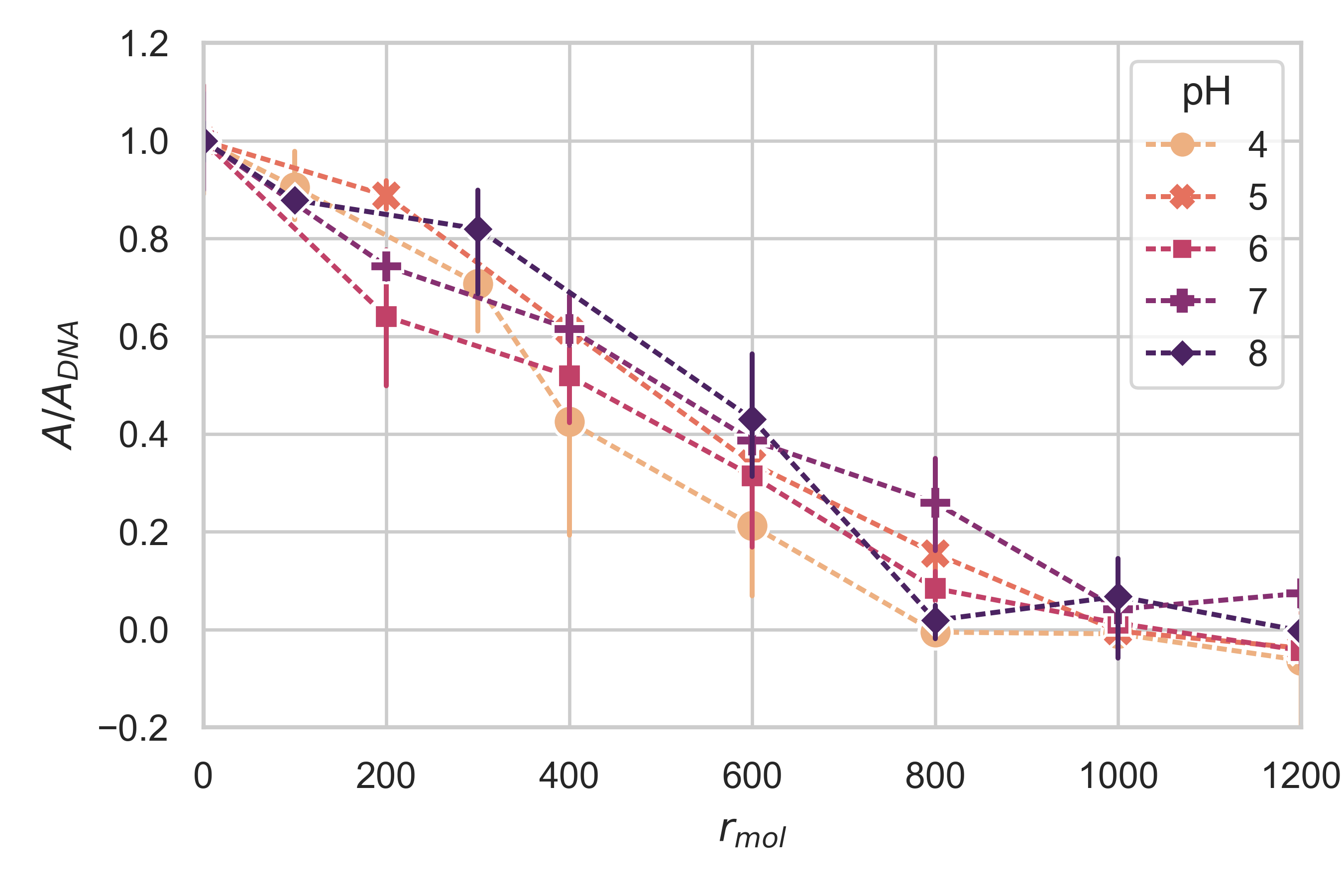
Fig 4: Normalized DNA absorbance from precipitation assay
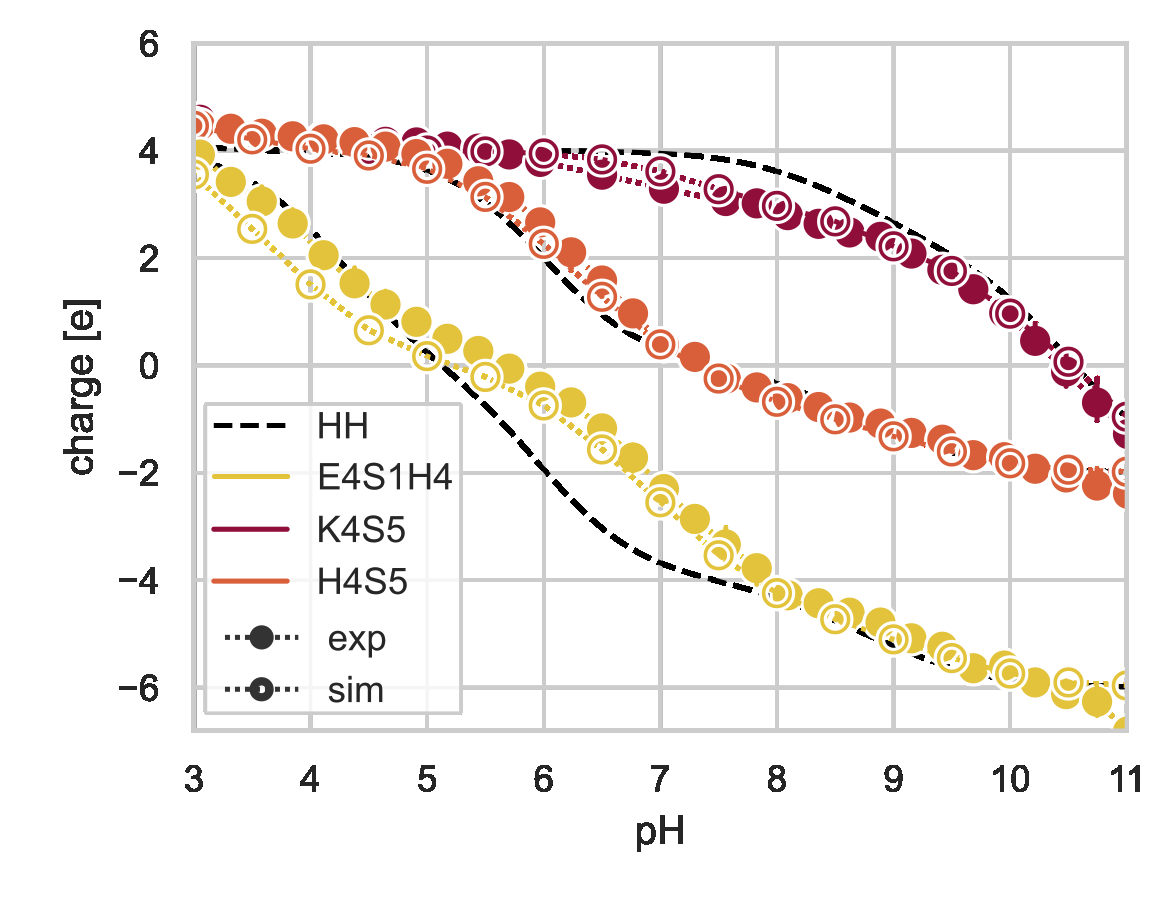
Fig 5: Potentiometric titration of peptides (filled symbols) com-
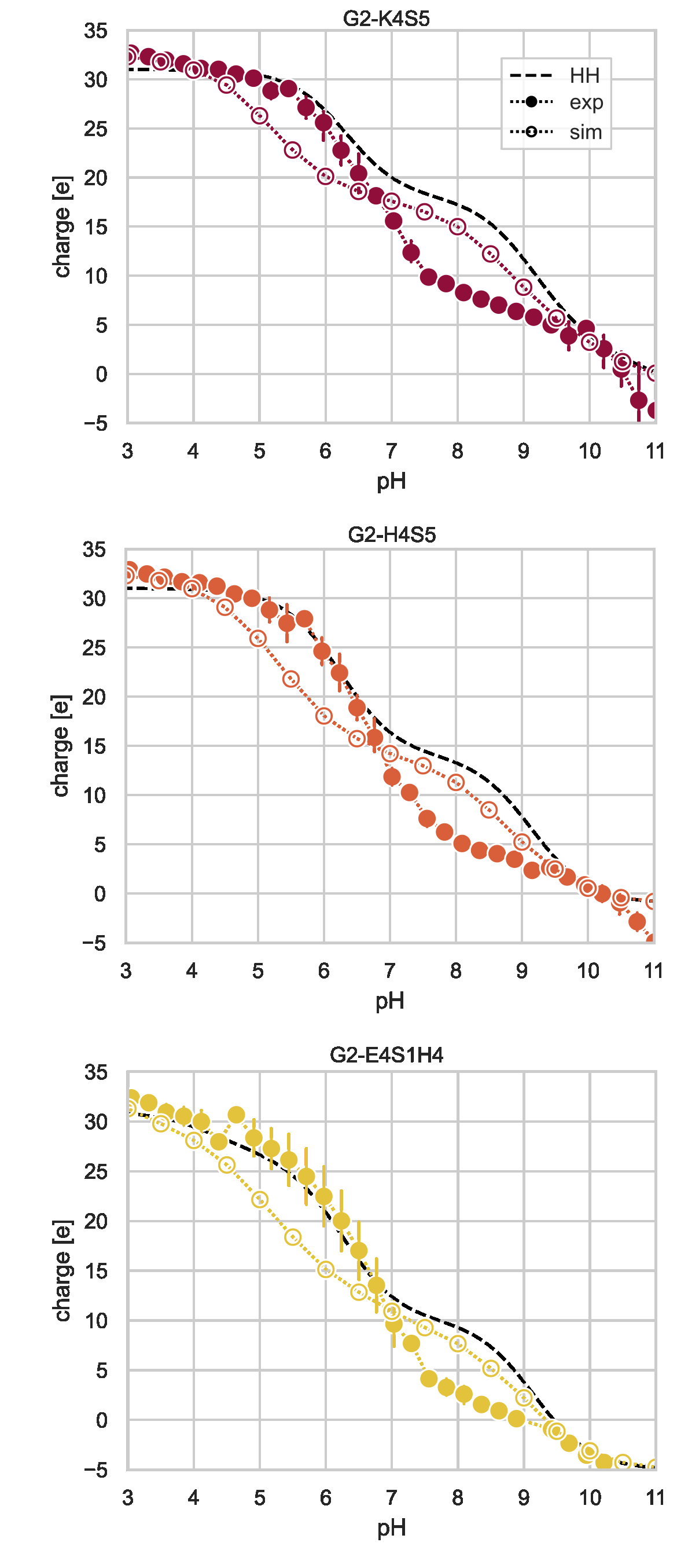
Fig 6: Potentiometric titration of conjugates (filled circles)
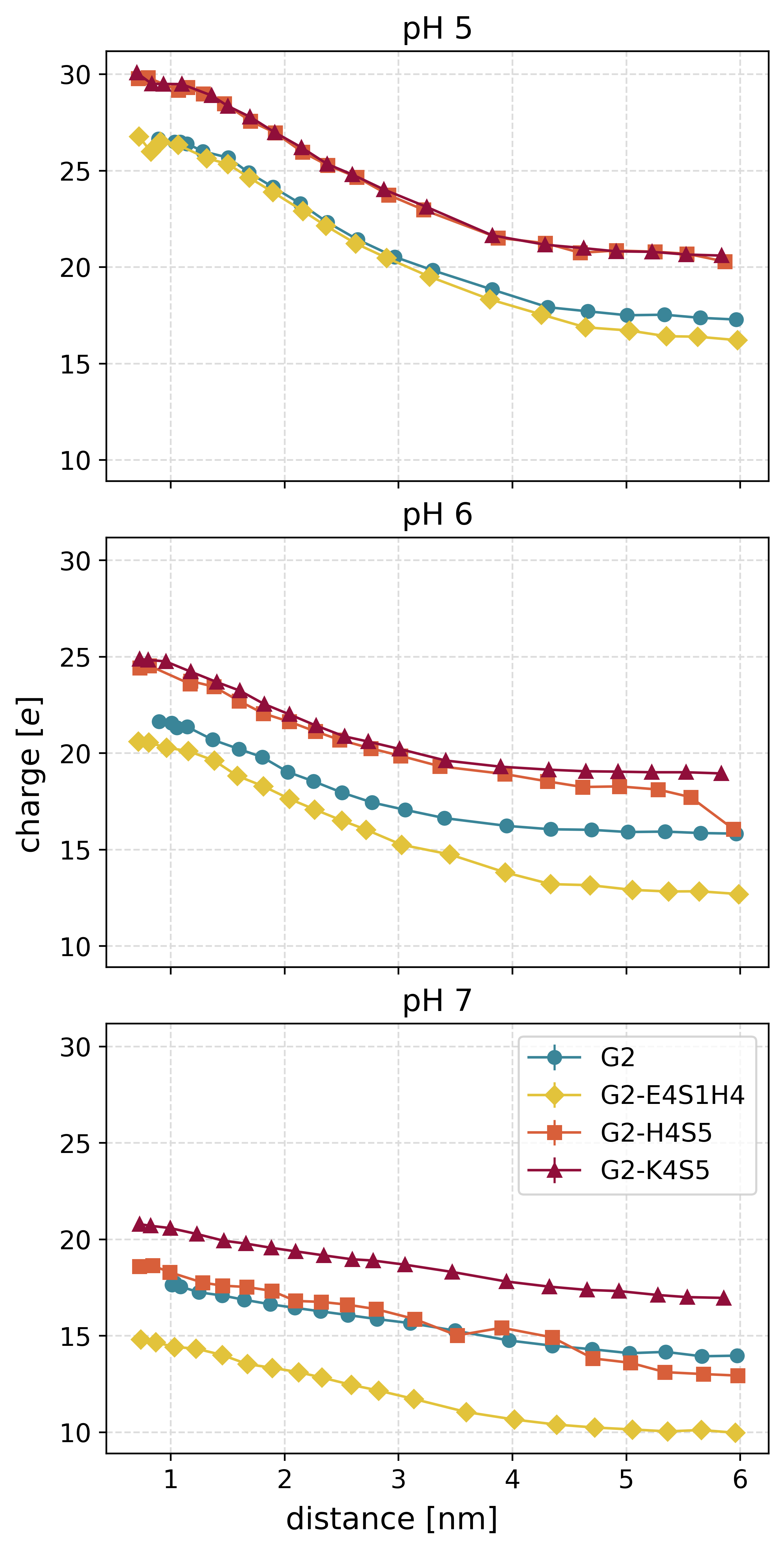
Fig 7: Total charge of dendrimers/conjugates in the simula-
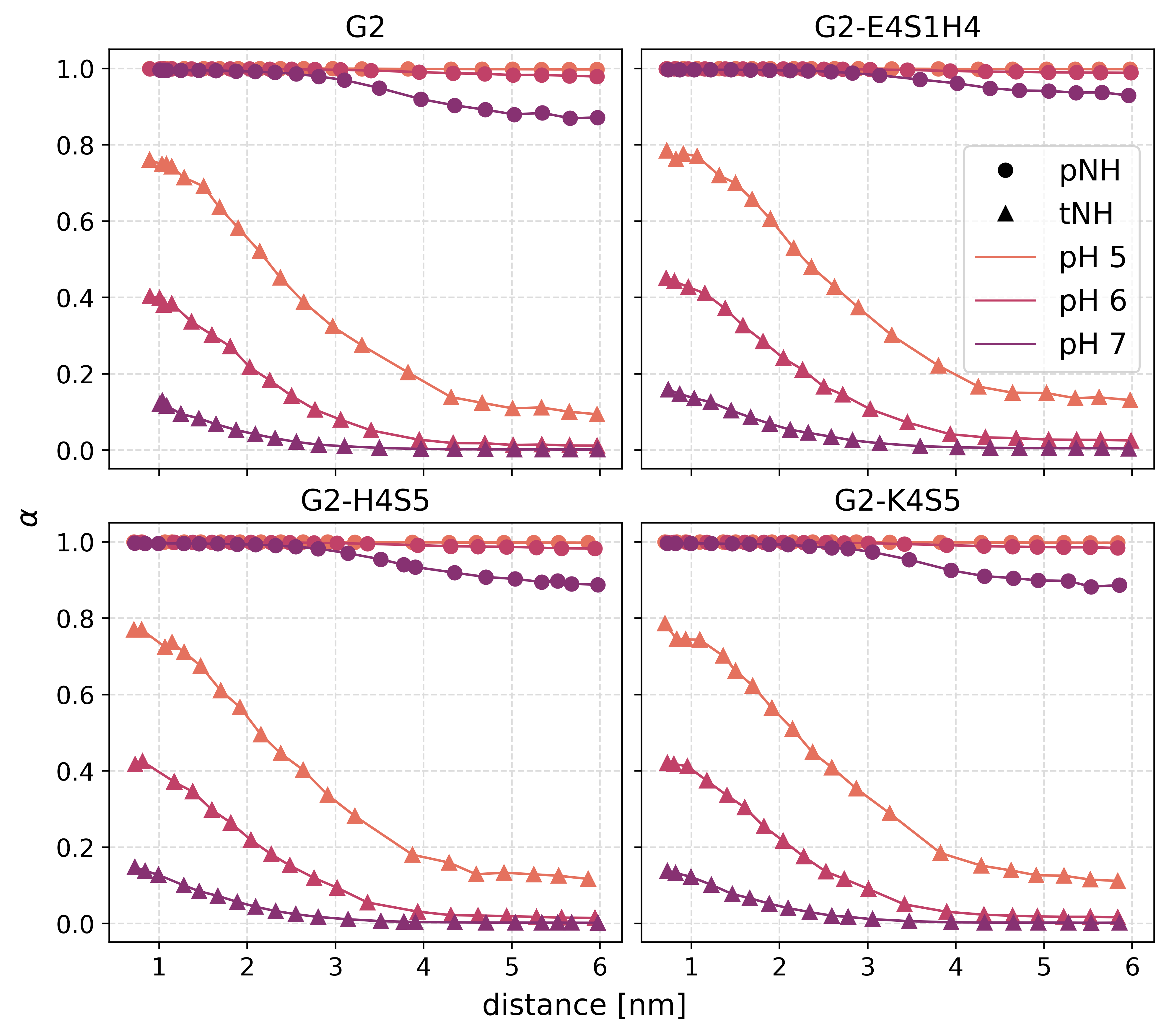
Fig 8: Degree of ionization (α) of the primary (pNH, circles) and
Limitations
- Experiments affected by phosphate ion contamination from buffer, complicating potentiometric titration interpretation and comparison with simulations.
- Simulations assume rigid, fixed DNA model neglecting DNA bending or flexibility which may impact condensation morphology.
- Single-conjugate simulation results do not fully capture experimentally observed multi-conjugate collective condensation behavior.
- Short peptides tested have relatively low charge; effects for longer, multivalent peptide conjugates remain to be fully explored.
- No direct in vivo or cellular transfection/transfection efficiency validation of dendrimer-peptide conjugates was performed.
- The ionic strength and buffer conditions are fixed and may differ from physiological or endosomal environments.
Open questions / follow-ons
- How do multiple peptide conjugates collectively modulate DNA condensation and how does this scale with peptide length or multivalency?
- What are the implications of dendrimer-peptide charge regulation on endosomal escape efficiency in cellular models?
- How do dynamic DNA conformational changes and bending affect PAMAM-peptide induced condensation in more realistic simulation models?
- Can peptide conjugation be optimized to balance DNA condensation strength with desired pH responsiveness for enhanced nucleic acid delivery?
Why it matters for bot defense
While this work is primarily focused on nucleic acid delivery rather than bot defense, the molecular insights into charge regulation and pH-responsive binding modalities could inform design principles for bio-inspired polyelectrolyte systems that respond to environmental conditions. From a bot-defense perspective, the study exemplifies how conjugation of functional groups (here peptides) can modulate interaction selectivity and binding affinity through environmentally sensitive charge changes—concepts potentially applicable to engineering responsive challenge-response protocols or molecular signal transduction. Understanding collective cooperative effects in multi-ligand binding may also inspire new approaches to enhance CAPTCHA robustness by exploiting subtle physicochemical or biochemical response characteristics. Nevertheless, direct application to CAPTCHA or bot detection mechanisms would likely require substantial adaptation beyond the scope here.
Cite
@article{arxiv2607_08623,
  title={ Short Peptide Tails Modulate DNA Association and Condensation by PAMAM Dendrimers },
  author={ Corinna Dannert and Pablo M. Blanco and Sebastian P. Pineda and Peter Košovan and Rita S. Dias },
  journal={arXiv preprint arXiv:2607.08623},
  year={ 2026 },
  url={https://arxiv.org/abs/2607.08623}
}