
Unsupervised Domain Adaptation for Calcification Classification in Mammography Across Multi-Site Datasets
Source: arXiv:2607.06549 · Published 2026-07-07 · By Xuan Liu, Derek L. Nguyen, Emily C. Barre, Jennifer Thomas, Thomas Lynch, Jeffrey R. Marks et al.
TL;DR
This paper addresses the problem of domain shifts in deep learning-based classification of breast calcifications in mammography across multi-site datasets. Such domain shifts arise from variations in scanner vendors, imaging techniques, and protocols, which degrade model generalization when applied to unseen data sources. The authors propose a multi-stage framework combining unsupervised domain adaptation via style transfer (AdaIN and CycleGAN) to generate vendor- and technique-specific training patches without additional annotations, alongside a supervised classification module leveraging Swin Transformer V2 as backbone. The method is trained on the large OPTIMAM dataset and externally validated on EMBED and Duke Calcification Dataset v1. Incorporating style-transferred data significantly improved malignant-versus-benign classification AUC in external validation: e.g., from 0.68 to 0.72 on EMBED, and from 0.68 to 0.73 on Duke, with gains consistent across vendors and imaging types. This demonstrates that unsupervised style transfer domain adaptation can mitigate domain gaps and improve cross-site model robustness for calcification classification in mammography.
The work systematically studies domain shifts affecting vendor hardware and imaging modality differences, comparing seven CNN backbones and a transformer, selecting Swin Transformer V2 for its accuracy and scalability. Two style transfer techniques are applied: AdaIN and CycleGAN, with CycleGAN producing higher-quality style-transferred patches without generating artificial calcification artifacts. The study uses lesion-level annotations in large, curated datasets (n=2994 for OPTIMAM training) with 5-fold cross-validation and entirely held-out external datasets for validation to rigorously evaluate generalization. The proposed framework improves cross-site performance without requiring annotated data from the target domains. These findings fill an important gap in breast CAD literature by addressing generalization for malignant/benign calcifications across vendor and modality variations in diverse clinical datasets.
Key findings
- Swin Transformer V2 achieved the highest AUC (0.81) for calcification classification on the OPTIMAM single-site dataset compared to seven CNN backbones.
- CycleGAN-generated style transfer patches improved external validation AUC from 0.68 to 0.72 on EMBED and from 0.68 to 0.73 on Duke Calcification Dataset v1.
- Within the Duke dataset, CycleGAN domain adaptation increased AUC from 0.70 to 0.75 for GE vendor images and from 0.67 to 0.71 for Hologic vendor images.
- CycleGAN produced clearer calcification boundaries in generated images compared to AdaIN, which introduced artificial lesion-like connections and blurring.
- The class imbalance in OPTIMAM (73% malignant, 27% benign) was addressed by oversampling benign patches to a 1:2 malignant to benign ratio in batches, improving model performance.
- Five-fold cross-validation on OPTIMAM yielded more robust model estimates but requires ensembling or selection for clinical use.
- Style transfer-based domain adaptation generated vendor- and technique-specific patches without requiring additional lesion annotations.
- Direct application of the OPTIMAM-trained baseline model to external datasets resulted in performance degradation (AUC ~0.68), highlighting domain shift impact.
Methodology — deep read
Threat Model & Assumptions: The adversary concept is not directly applicable, but the 'challenge' addressed is domain mismatch between training and testing sites, vendors, and imaging techniques. The method assumes no labeled data available from target domains (unseen datasets) for supervised adaptation, aligning with unsupervised domain adaptation principles.
Data: Three large calcification datasets are used. OPTIMAM (n=2994 cases, 2187 malignant, 807 benign) from the UK with curated lesion-level annotations is the main training and cross-validation set. EMBED (n=125 cases, 35 malignant, 90 benign) and Duke Calcification Dataset v1 (n=788, 247 malignant, 541 benign) serve as fully held-out external test sets. The datasets include images from different vendors (Hologic, GE), imaging techniques (full-field digital mammograms (FFDM), synthetic 2D images from tomosynthesis), and protocols.
Architecture / Algorithm: The framework has two modules:
- Unsupervised domain adaptation module using style transfer techniques, AdaIN and CycleGAN, to translate source-domain annotated calcification patches into target-vendor styles without labeled data. AdaIN aligns channel-wise mean/variance in feature space, augmented with an auxiliary U-Net segmentation branch to preserve lesion content. CycleGAN uses adversarial training with cycle-consistency loss for unpaired image-to-image translation. Generated vendor- and technique-specific patches augment training.
- Supervised classification module: The malignant vs benign classifier uses Swin Transformer V2 as the backbone network due to its strong hierarchical vision transformer architecture and best AUC in single-site experiments.
Training Regime: All lesion patches cropped at 512x512 resolution. OPTIMAM training uses 5-fold cross-validation; each fold trains with annotated patches plus generated patches from domain adaptation module. Adam optimizer with learning rate 0.00005; pretrained ImageNet weights for classification. Batch composition balances malignants and benigns (malignant:benign ratio of 1:2) to mitigate class imbalance. Training performed on four NVIDIA 2080 Ti GPUs.
Evaluation Protocol: Single-site classification performance evaluated on OPTIMAM 5-fold cross-validation via ROC AUC. External evaluation on EMBED and Duke datasets using independent test sets, holding out these domains entirely. Case-level prediction by taking maximum malignancy probability over patches per case. Compared baseline (no domain adaptation) versus adding AdaIN or CycleGAN style-transferred patches. Sensitivity/specificity and AUC reported, with standard deviations.
Reproducibility: Code is implemented in PyTorch 2.4. OPTIMAM is publicly available with permission; EMBED is partially public; Duke dataset is private. Exact code and pre-trained weights release not stated. Domain adaptation uses publicly described AdaIN and CycleGAN architectures with original hyperparameters.
Example end-to-end: An OPTIMAM lesion patch (Hologic FFDM) is input to the cycleGAN generator to produce a synthetic GE-style patch. This generated patch is then combined with the original patches to train the Swin Transformer classifier, which is then tested on held-out EMBED patches, improving AUC from 0.68 to 0.72 compared to training without style transfer augmentation.
Technical innovations
- Integration of unsupervised style transfer methods (AdaIN and CycleGAN) to generate vendor- and technique-specific training patches without labels, addressing domain shifts in mammography calcification classification.
- Use of CycleGAN-based style transfer augmented with lesion segmentation branch to preserve calcification boundary integrity during domain translation.
- Systematic evaluation and comparison of CNN and transformer backbones on a large multi-site calcification classification task, identifying Swin Transformer V2 as optimal.
- Multi-stage framework combining unsupervised domain adaptation with supervised malignancy classification applied across multiple public and private mammography datasets.
Datasets
- OPTIMAM — 2994 calcification cases (2187 malignant, 807 benign) — public dataset from the UK with curated lesion-level annotations
- EMBED — 125 calcification cases (35 malignant, 90 benign) — partial public availability from Emory University
- Duke Calcification Dataset v1 — 788 cases (247 malignant, 541 benign) — private in-house dataset with Hologic and GE vendors, including FFDM and synthetic images
Baselines vs proposed
- OPTIMAM baseline (no adaptation): EMBED AUC = 0.68 ± 0.02 vs CycleGAN adaptation: 0.72 ± 0.03
- OPTIMAM baseline (no adaptation): Duke total AUC = 0.68 ± 0.02 vs CycleGAN adaptation: 0.73 ± 0.01
- OPTIMAM baseline (no adaptation): Duke GE subset AUC = 0.70 ± 0.03 vs CycleGAN adaptation: 0.75 ± 0.02
- OPTIMAM baseline (no adaptation): Duke Hologic subset AUC = 0.67 ± 0.02 vs CycleGAN adaptation: 0.71 ± 0.03
Figures from the paper
Figures are reproduced from the source paper for academic discussion. Original copyright: the paper authors. See arXiv:2607.06549.
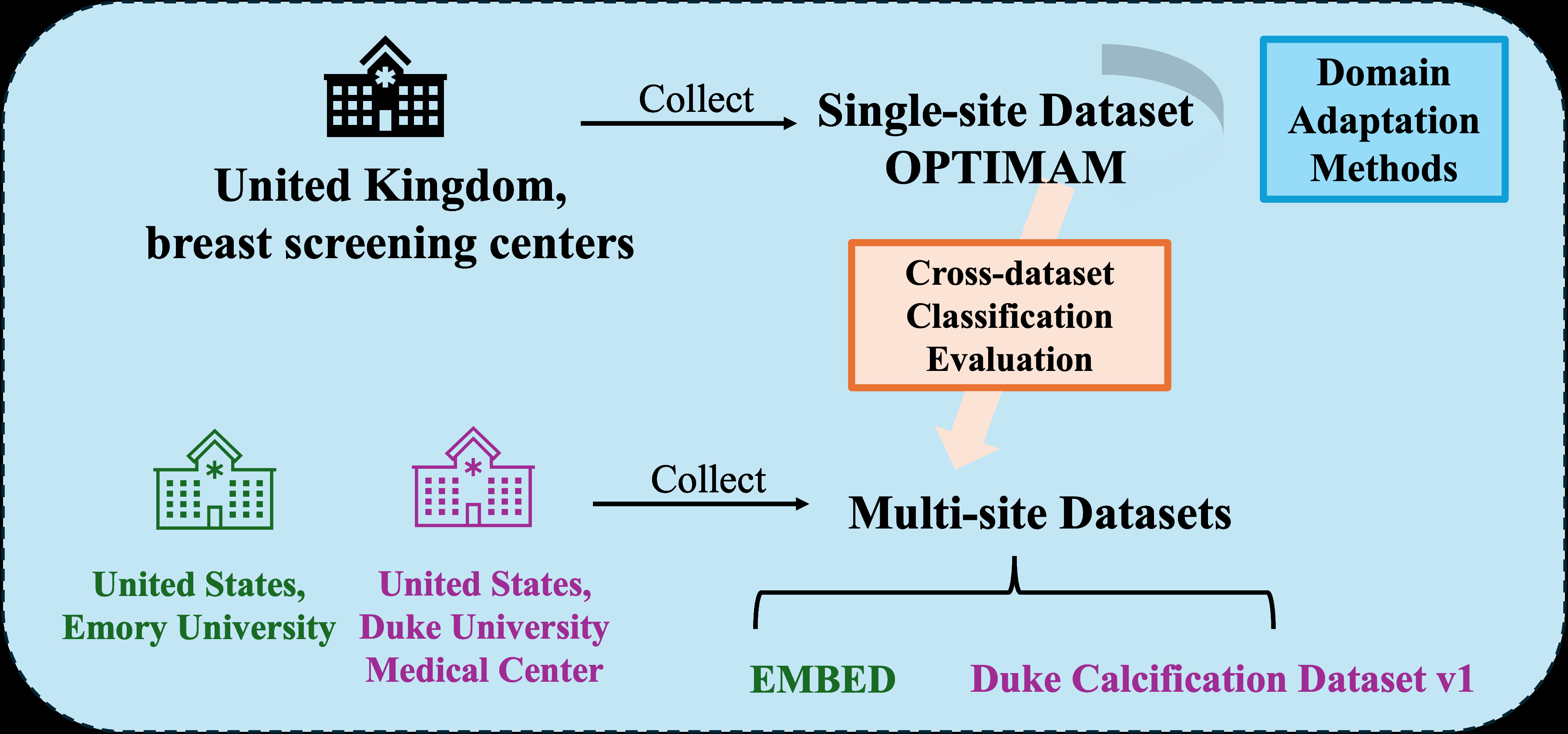
Fig 1: Illustration of single-site and multi-site dataset settings and
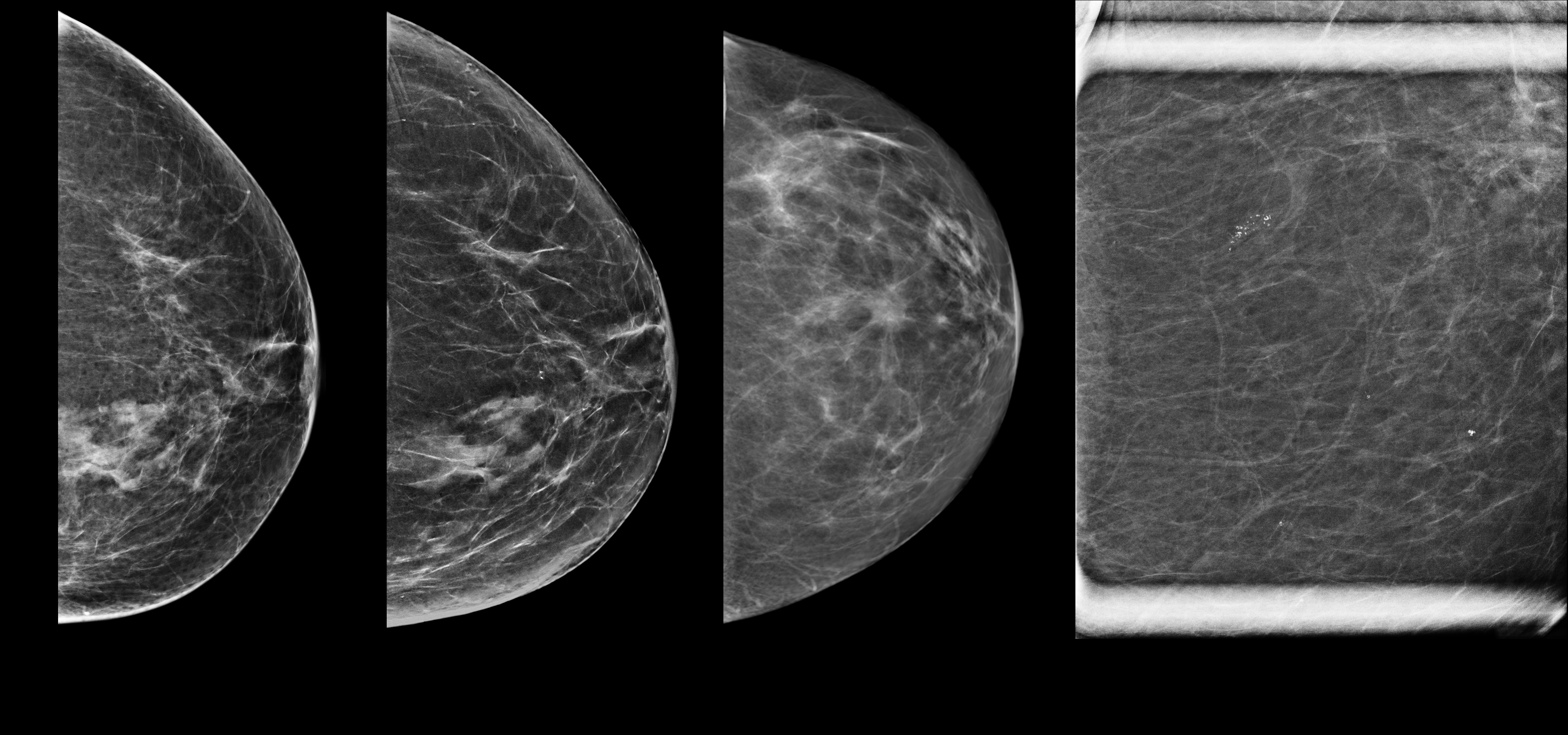
Fig 2: Representative examples of mammograms from different scan-
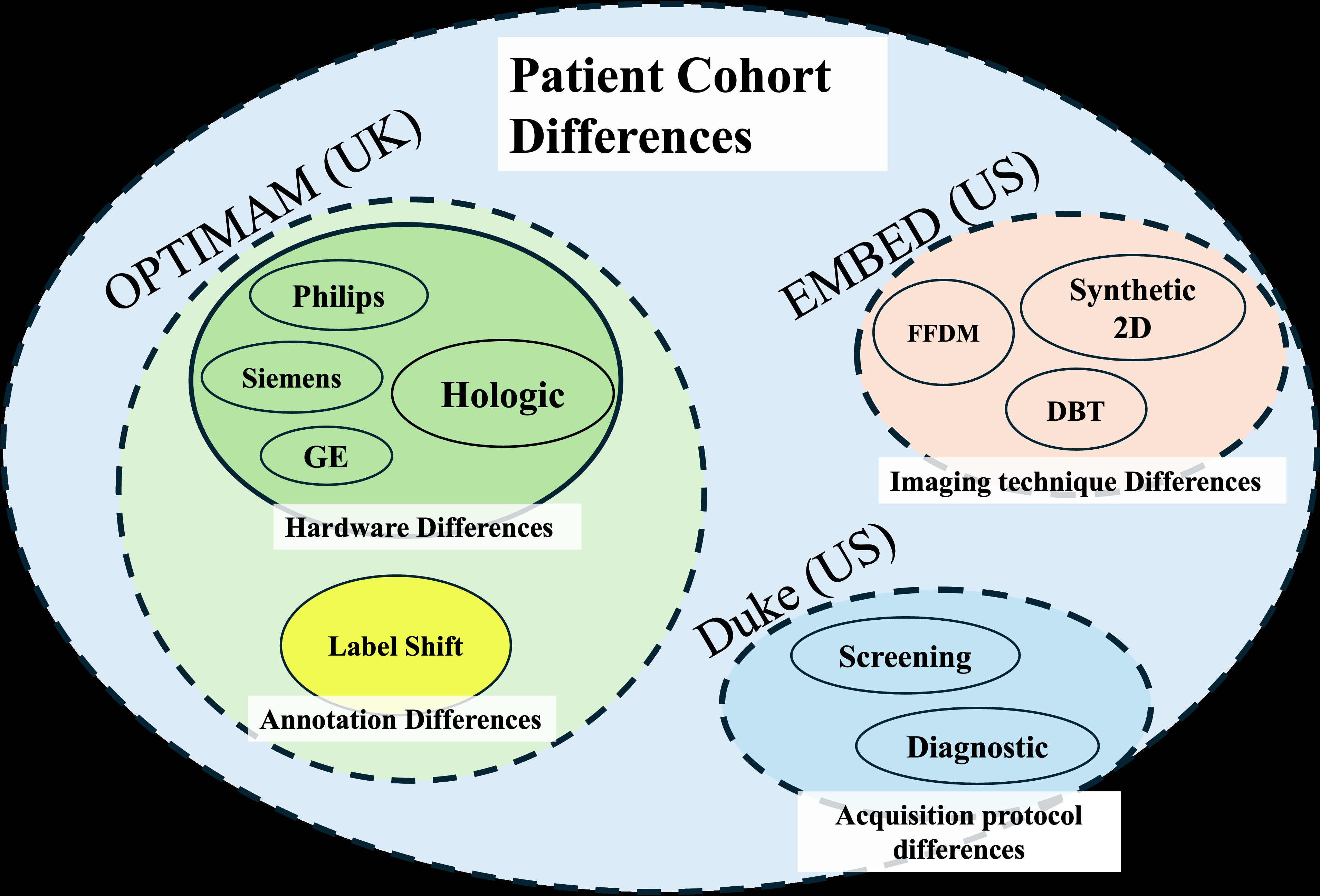
Fig 3: Illustration of domain shifts across multi-site dataset (OPTIMAM,
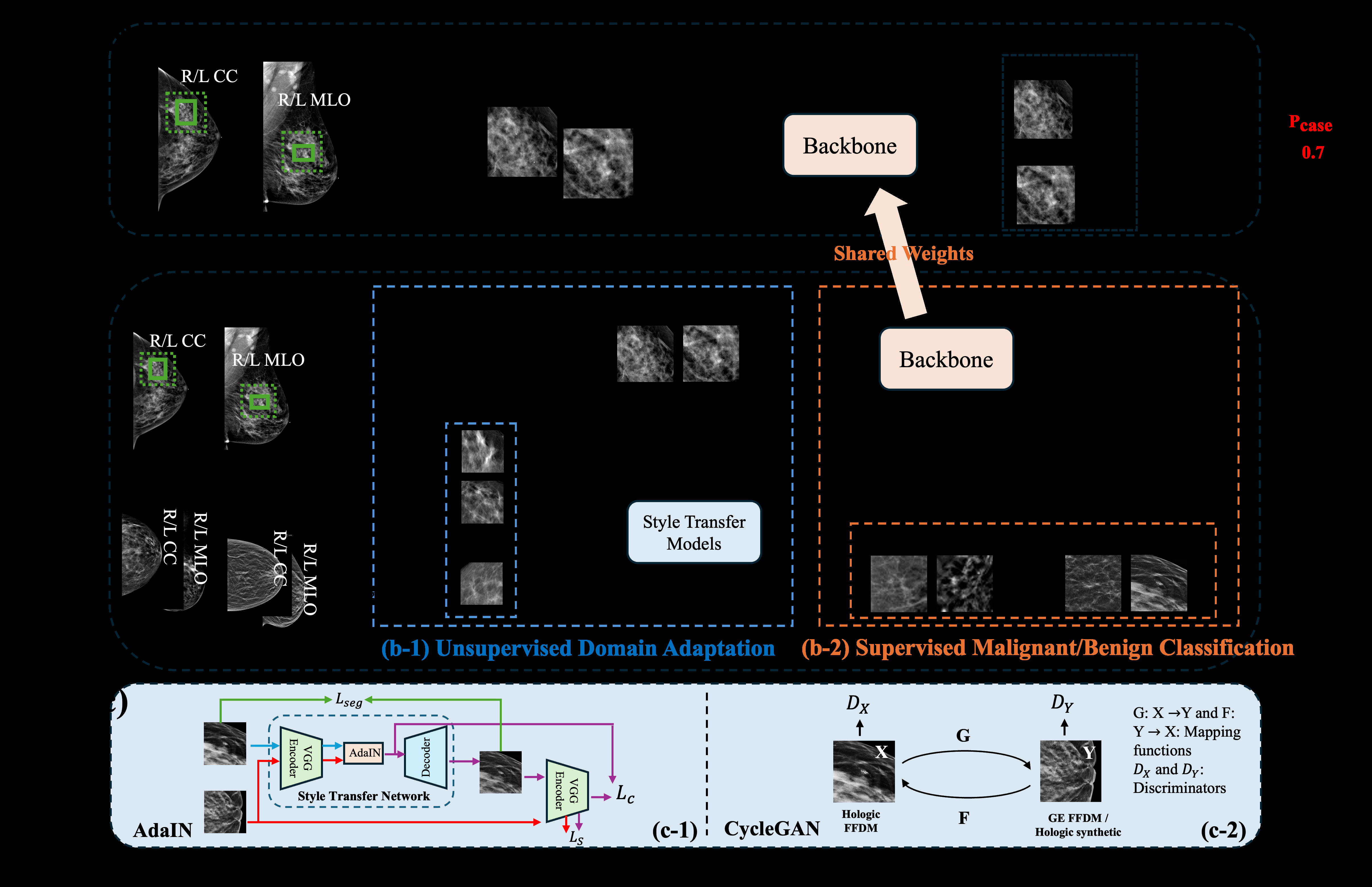
Fig 4: Overall framework of the proposed domain adaptation method for calcification classification. The framework included two pipelines: (a)
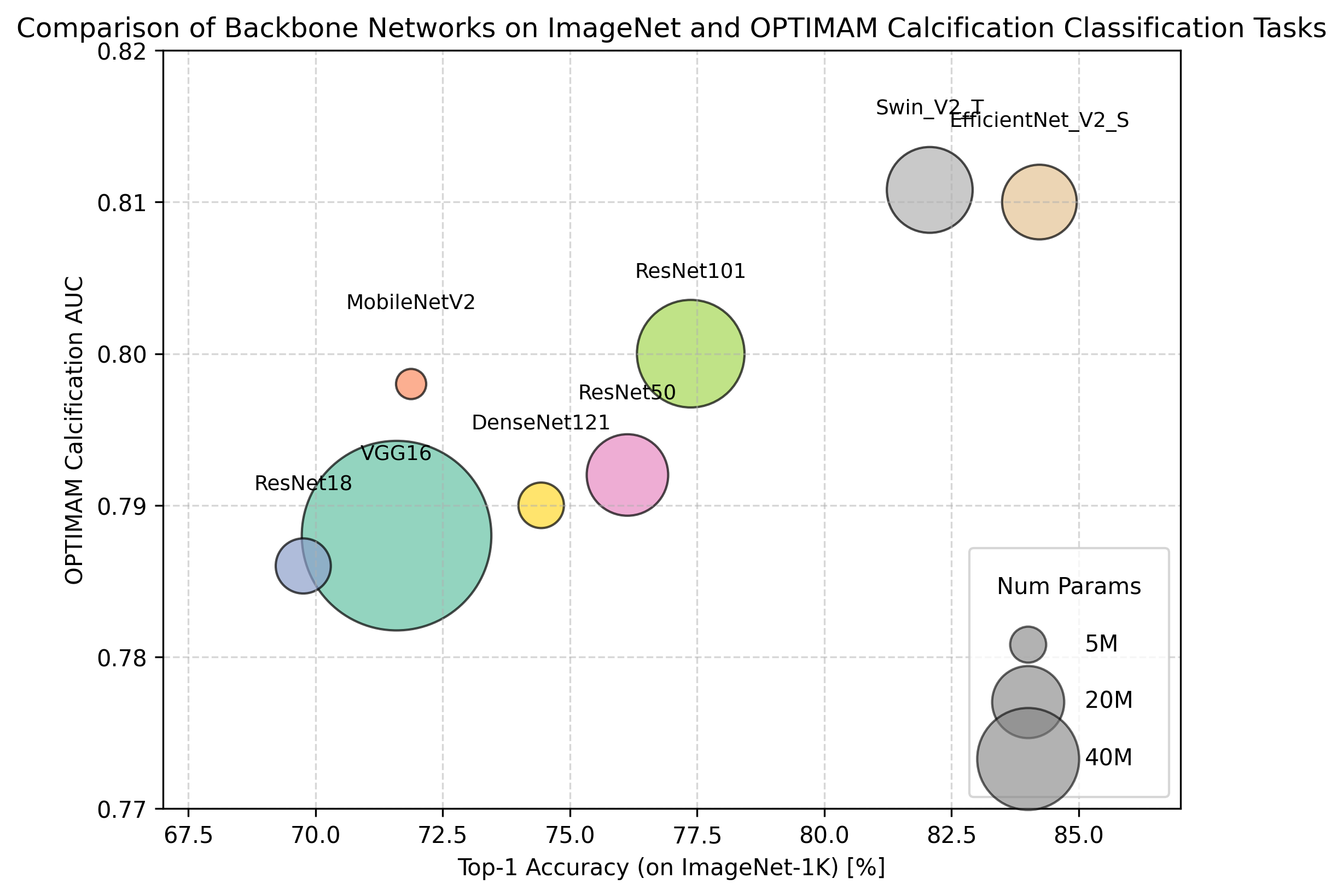
Fig 5: Performance of seven CNN-based backbone networks and a
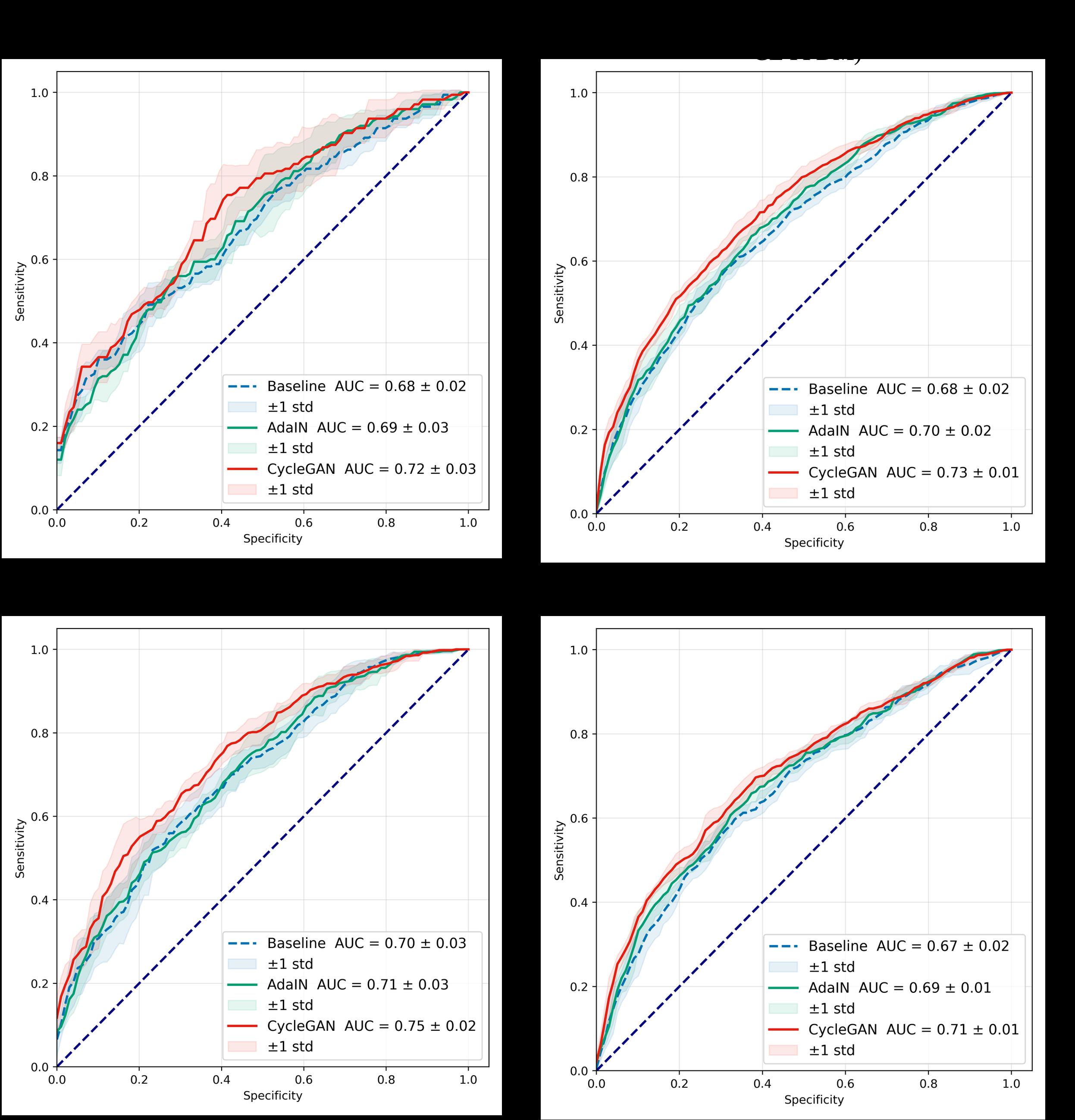
Fig 6: Comparison of OPTIMAM-trained baseline without domain
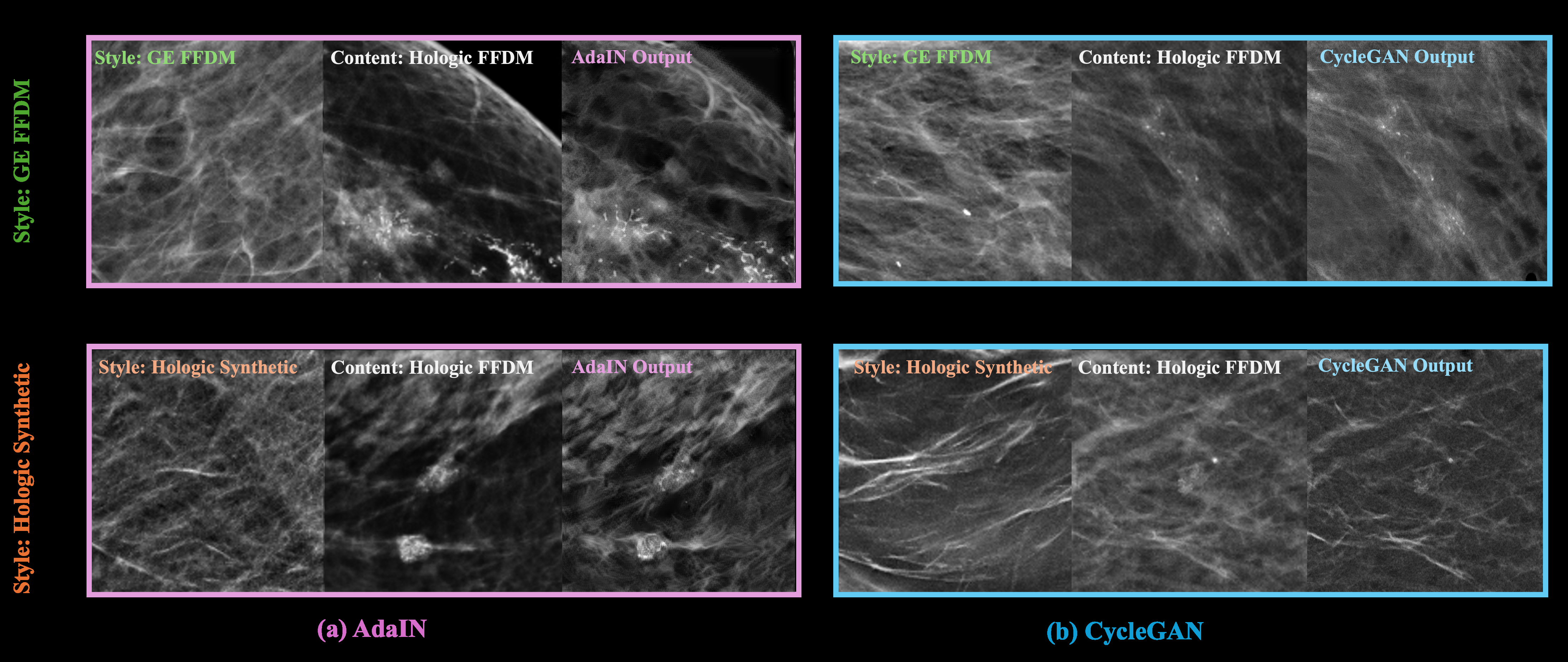
Fig 7: Visual comparison of style transfer results. GE FFDM and Hologic synthetic patches were used as style patches in the first and second
Limitations
- Only AdaIN and CycleGAN style transfer methods were evaluated; these are older methods compared to newer diffusion-based or transformer-based domain adaptation models.
- The single large training dataset (OPTIMAM) still has class imbalance and potential bias; reliance on cross-validation ensembles may limit clinical deployment simplicity.
- No adversarial robustness testing was done; the model's susceptibility to attacks or heavily corrupted inputs remains unknown.
- Distribution shifts beyond vendor and imaging technique (such as patient demographics or scanning protocols) were not directly addressed or ablated.
- Code and model weights release are not explicitly stated, limiting reproducibility for external researchers outside OPTIMAM access.
- Evaluation focused on classification AUC without detailed calibration or uncertainty analysis which would be relevant clinically.
Open questions / follow-ons
- Could newer domain adaptation methods such as diffusion models or transformer-based approaches improve style transfer and classification performance beyond AdaIN and CycleGAN?
- How does domain adaptation impact model calibration and uncertainty estimation for clinical decision support in calcification diagnosis?
- Can domain adaptation methods be combined with semi-supervised or active learning using limited annotated data from target sites to further improve generalization?
- What is the effect of addressing other domain shift sources like patient demographics, acquisition protocols, or annotation differences beyond vendor and imaging technique?
Why it matters for bot defense
For bot-defense and CAPTCHA practitioners, this work highlights the importance of domain adaptation techniques, specifically style transfer-based unsupervised augmentation, to improve cross-domain generalization when labeled data is scarce or unavailable for new environments. Similar domain shifts and vendor-specific variations can occur in CAPTCHA defenses (e.g., differences in browser rendering, device types, or challenge generation methods), and analogous style transfer or image translation methods could help machine learning models better generalize across such heterogeneous input distributions. Additionally, the combination of data augmentation strategies with a strong backbone network (such as transformers) exemplifies an effective pipeline for robust classification under distributional shifts caused by environmental or hardware diversity. While this paper focuses on mammography, the methodology and multi-site evaluation strategy provide insights into systematically quantifying and mitigating domain discrepancies relevant for security ML applications where unseen inputs arise regularly.
Cite
@article{arxiv2607_06549,
  title={ Unsupervised Domain Adaptation for Calcification Classification in Mammography Across Multi-Site Datasets },
  author={ Xuan Liu and Derek L. Nguyen and Emily C. Barre and Jennifer Thomas and Thomas Lynch and Jeffrey R. Marks and E. Shelley Hwang and Marc D. Ryser and Joseph Y. Lo and Lars J. Grimm },
  journal={arXiv preprint arXiv:2607.06549},
  year={ 2026 },
  url={https://arxiv.org/abs/2607.06549}
}