
Kinematic detection of dusty outflows from AGN: PAH kinematics of type 2 quasars with JWST/MIRI spectroscopy
Source: arXiv:2606.28311 · Published 2026-06-26 · By Fergus R. Donnan, Cristina Ramos Almeida, Omaira González Martín, Karin Sandstrom, Anelise Audibert, Marina Bianchin et al.
TL;DR
This paper addresses the challenging problem of measuring the kinematics of dust in active galactic nuclei (AGN), specifically in type 2 quasars at redshift ~0.1. While gas-phase outflows have been extensively studied, direct kinematic measurements of dust, especially via emission features from Polycyclic Aromatic Hydrocarbons (PAHs), remain difficult due to broad and variable spectral profiles. The authors use mid-infrared integral field spectroscopy from JWST/MIRI on five quasars from the QSOFEED sample, applying Principal Component Analysis (PCA) tomography to isolate velocity structures in PAH emission bands. By comparing velocity maps of neutral (11.3 µm) PAHs to ionized gas ([NeV], [NeVI]) and molecular hydrogen (H2) lines, they find kinematic signatures consistent with dusty outflows in three of the five quasars after subtracting rotation-dominated disk kinematics.
This work extends earlier studies on lower luminosity Seyfert galaxies by focusing on higher AGN bolometric luminosities (log Lbol ~45.5-46.0 erg/s) and higher Eddington ratios (λEdd ≳0.1). It provides the first robust kinematic maps of PAH features in luminous type 2 quasars, showing that dusty outflows traced by large neutral PAHs accompany molecular outflows and highly ionized gas components. In contrast, the 6.2 µm PAH feature from ionized PAHs could not be mapped kinematically, consistent with suppression or intrinsic profile variations from AGN effects. The results suggest that dusty outflows traced by PAHs are common in high Eddington ratio AGN and play a role in clearing dust during quasar evolution.
Key findings
- Velocity maps of the 11.3 µm PAH feature were successfully produced for 3/5 type 2 quasars (J1100, J1430, J1509), showing coherent outflow signatures after subtracting disk rotation.
- Outflow position angles of PAH kinematics are distinct from disk rotation axes, indicating non-circular motions likely from dusty winds (e.g., PAH outflow PA=232° in J1509).
- Molecular hydrogen rotational lines (H2 S(1), S(3)) exhibit residuals consistent with outflows spatially aligned near the PAH outflow structures but with slightly different position angles.
- High ionization gas emission lines ([NeV], [NeVI]) primarily trace disk rotation in these luminous QSO2s, unlike in Seyfert galaxies where they more clearly trace outflows; yet increased velocity dispersions indicate turbulent ionized outflows (σ up to 300 km/s).
- The 6.2 µm PAH feature, tracing ionized PAHs, shows no reliable kinematic signal due to intrinsically complex spectral profiles and suppression, consistent with preferential destruction of ionized PAHs in AGN outflows.
- Dusty outflows traced by neutral PAHs appear more common at Eddington ratios λEdd ≳0.1 compared to lower ratios in Seyfert galaxies (earlier work found outflows at λEdd ≲0.03).
- Extinction effects do not significantly bias PAH velocity measurements, as circumnuclear silicate absorption is low (τ9.7 ~ 0.4) outside the nucleus.
- PCA tomography effectively separates velocity components and PSF artifacts, enabling velocity mapping of broad PAH emission features despite their large intrinsic widths.
Methodology — deep read
Threat Model & Assumptions: The study assumes that line-of-sight kinematic features in mid-IR PAH emission can reveal dusty gas motions around the AGN. The main adversary here is the contamination of the signals by AGN continuum, PSF effects, and intrinsic profile complexity of PAH emission. The data is assumed to be free from strong spatially variable extinction that could mimic velocity shifts.
Data: Five optically selected type 2 quasars (QSO2s) at redshift z=0.09-0.12 from the QSOFEED sample were observed with JWST/MIRI MRS spectroscopy (program 3655). These sources have well-characterized disk inclinations and position angles from CO(2-1) ALMA data. The MIRI cubes were pipeline processed (JWST pipeline v1.14.1), with PSF subtraction using MRSPSFisol to remove the bright unresolved continuum to study extended emission. Typical AGN bolometric luminosities are log Lbol=45.5-46 erg/s. Data cubes cover PAH features at 6.2 and 11.3 µm, ionized gas lines ([NeII], [NeV], [NeVI]), and molecular hydrogen lines (H2 S(1), S(3)).
Architecture/Algorithm: The core method is application of Principal Component Analysis (PCA) tomography to local continuum-subtracted subcubes covering each emission feature. After masking emission and fitting local continua on either side, a 3D data cube (spatial x,y and spectral λ) is rearranged into a 2D array (pixels × wavelengths) for PCA. The first principal component corresponds to the rest-frame profile, while a higher component corresponds to velocity information (due to Doppler shifts approximating derivatives of the mean profile). This velocity component is identified by comparing eigenspectra to derivatives of the first PC. Velocity maps are constructed by fitting spectral shifts at each spaxel using the first four PCs. Velocity errors are estimated by bootstrap resampling data within the cube errors 50 times.
Training Regime: Not applicable as PCA is an unsupervised linear decomposition. The method implicitly assumes the emission profile shape remains mostly stable, with velocity shifts producing linear variations.
Evaluation Protocol: Velocity maps are qualitatively and quantitatively compared between PAH features, molecular H2 lines, and ionized gas lines. Disk rotation is modeled using existing CO velocity maps fixing disk inclination and position angle, with rotation curve parametrized by a tanh functional form fit via MCMC sampling (NUMPYRO). Residual velocity maps (observed minus disk rotation) reveal outflow signatures. Position angles of residuals are measured for outflow orientation. Velocity dispersions from Gaussian line fitting of [NeV] lines are mapped to confirm turbulent outflow components. Extinction effects are evaluated via modeling silicate absorption and continuum fits.
Reproducibility: The pipeline used is the JWST pipeline and custom tools MRSPSFisol and SPIRIT (reference implementations on GitHub). PCA tomography methodology relates closely to prior work by Donnan et al. 2024b and 2026. Data cubes and modeling codes appear available or described with parameters, but full open data availability beyond JWST archival data is not explicitly stated. The paper provides sufficient methodological detail to replicate PCA tomography and disk subtraction as an analysis pipeline on similar MIRI MRS data.
Concrete example: For the 11.3 µm PAH feature in J1509, after continuum subtraction and smoothing (σ=1 pixel Gaussian), the data cube was PCA decomposed yielding the velocity signal in component 3. Fitting this velocity component spatially, a velocity map was constructed showing blueshifted and redshifted outflow lobes oriented at ~232° PA after subtracting the disk rotation based on CO disk modeling with fixed inclination (43°) and PA (266°). This velocity structure spatially aligns with residuals in H2 S(1) emission line velocity maps, supporting a dusty molecular outflow. Velocity errors were derived from 50 bootstrap samples of the cube, yielding typical velocity uncertainties sufficient to claim >1σ detection of the velocity features.
Technical innovations
- Adaptation of PCA tomography to extract kinematic velocity maps from broad, intrinsically variable PAH emission features in JWST/MIRI integral field data.
- Joint comparison of PAH velocity maps with molecular (H2 rotational lines) and highly ionized gas ([NeV], [NeVI]) velocity and velocity dispersion maps in luminous type 2 quasars.
- Use of fixed disk orientation parameters from ALMA CO data to subtract rotation-dominated kinematics, revealing residual outflow structures in dust and molecular gas.
- Demonstration that ionized PAH emission (6.2 µm) cannot yield reliable kinematic maps in AGN due to intrinsic profile variations and suppression effects, elucidating the chemical/physical effects of AGN feedback on dust grain populations.
Datasets
- QSOFEED — 5 type 2 quasars at z ≈ 0.1 — JWST/MIRI MRS spectroscopy, ALMA CO(2-1) maps for disk orientation and molecular gas kinematics
Baselines vs proposed
- [NeII] line: velocity map matches disk rotation, used as baseline for rotation subtraction
- [NeV], [NeVI] lines: velocity maps mostly consistent with disk rotation in QSO2s (vs Seyfert galaxies where they trace outflows), velocity dispersion (σ) maps reveal turbulence up to ~300 km/s
- PAH 11.3 µm: velocity maps show outflow signatures after disk subtraction in 3/5 QSO2s with velocities ±150-285 km/s; no velocity map from PAH 6.2 µm due to intrinsic profile issues
- Molecular H2 lines (S(1), S(3)): residual maps after disk subtraction show velocities consistent with outflows at different position angles but spatially correlated with PAH outflows
Figures from the paper
Figures are reproduced from the source paper for academic discussion. Original copyright: the paper authors. See arXiv:2606.28311.
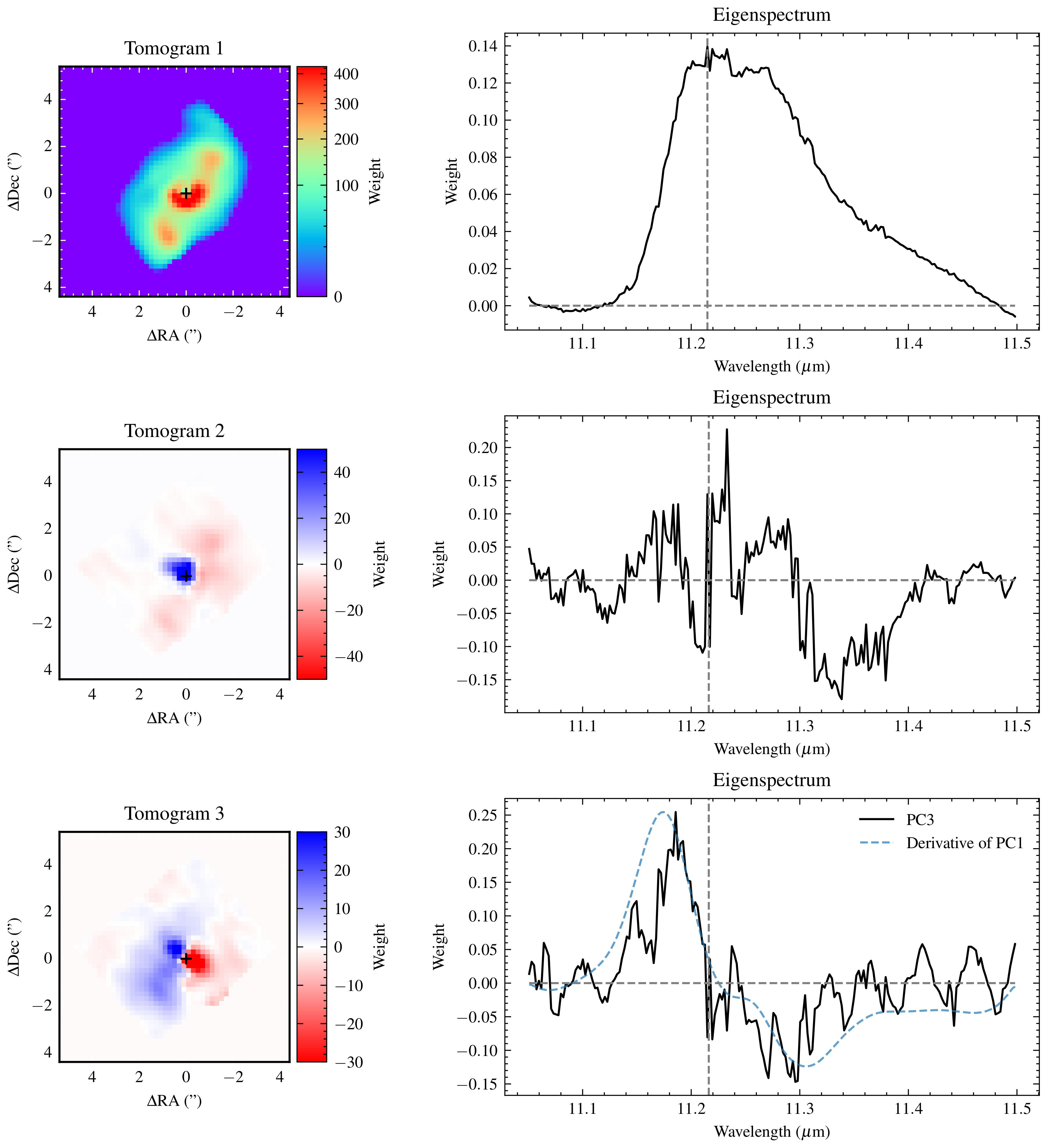
Fig 2: PCA decomposition of the 11.3 PAH feature for J1509.
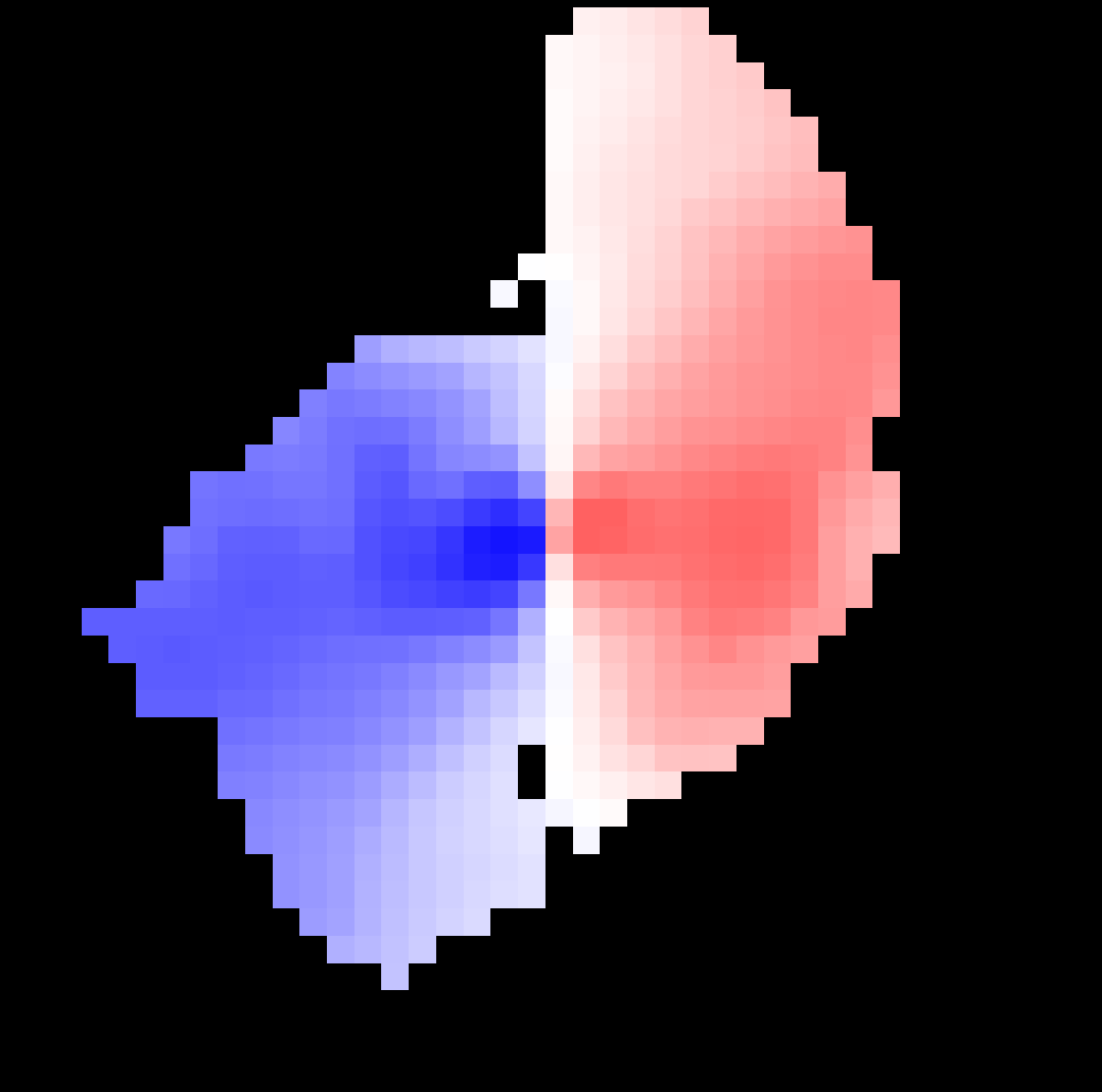
Fig 3: Velocity maps of each spectral feature for each galaxy derived from the PCA decomposition. We only show spaxels where
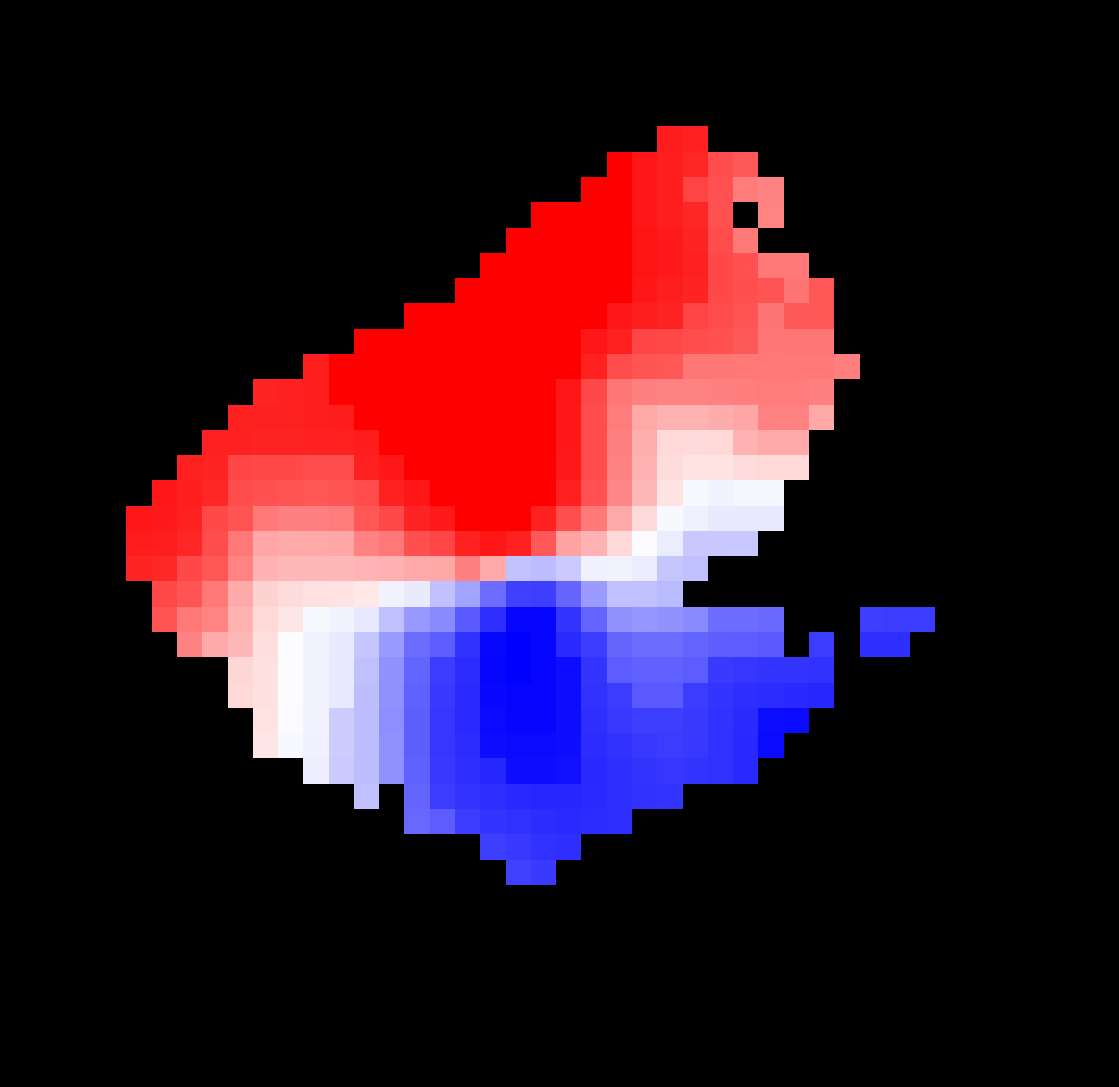
Fig 4: Profiles of the 11.3 µm PAH feature of the rest frame
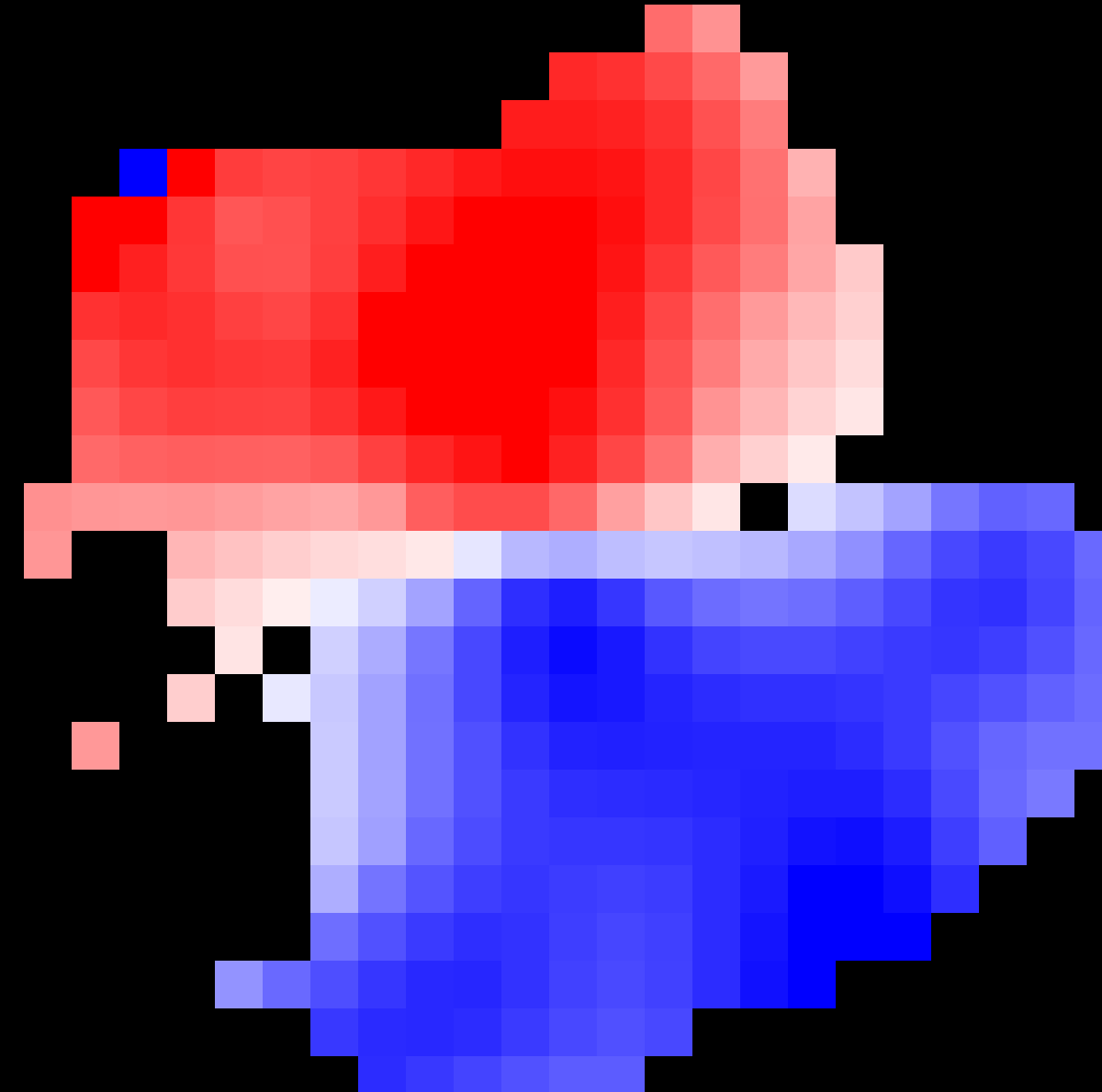
Fig 5: The velocity dispersion, σ, of [NeV] for J1509 and J1430,
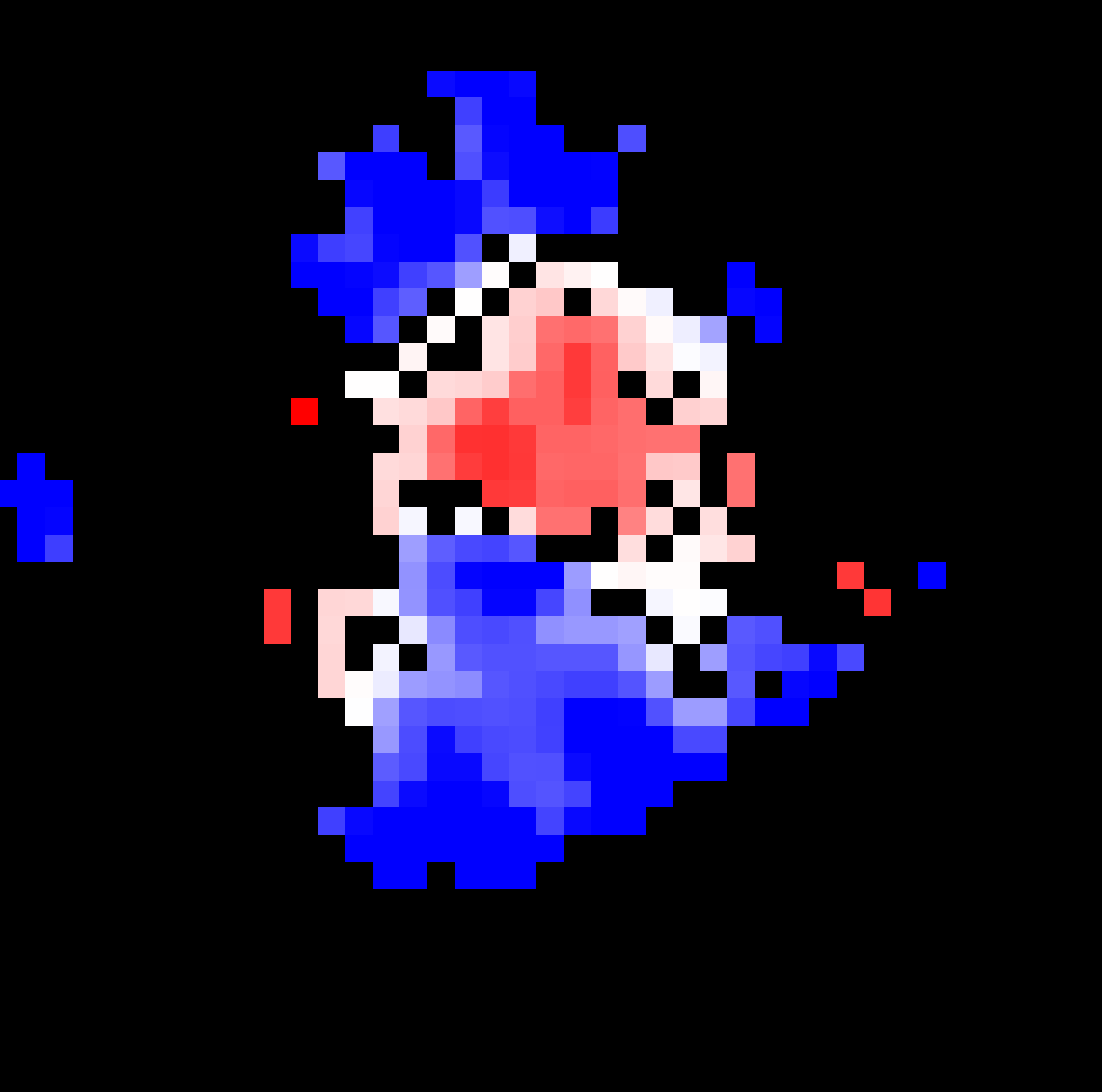
Fig 6: Velocity maps for J1509 after subtracting a disk
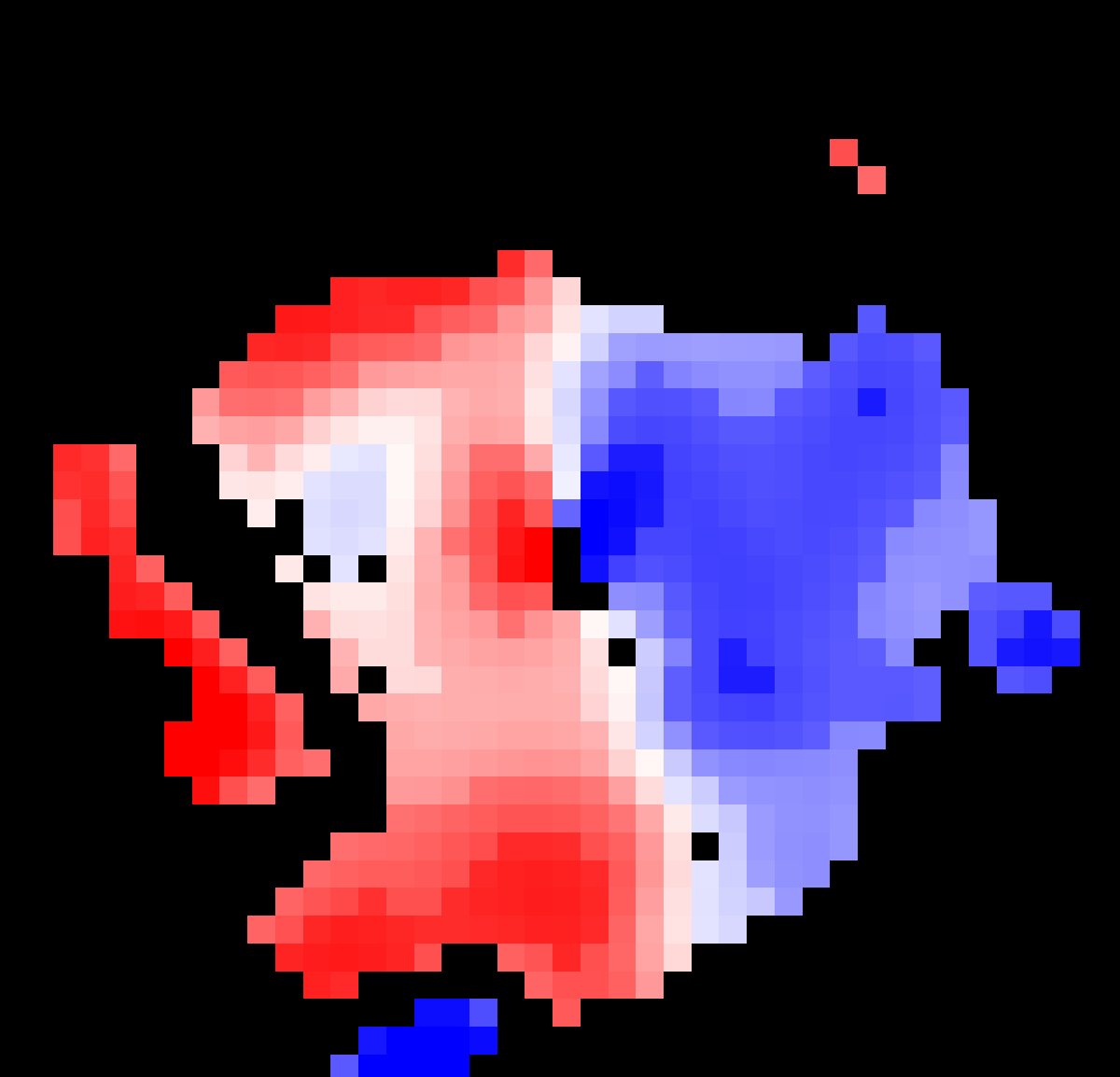
Fig 7: Same as Fig. 6 but for J1430. Here the position angle of
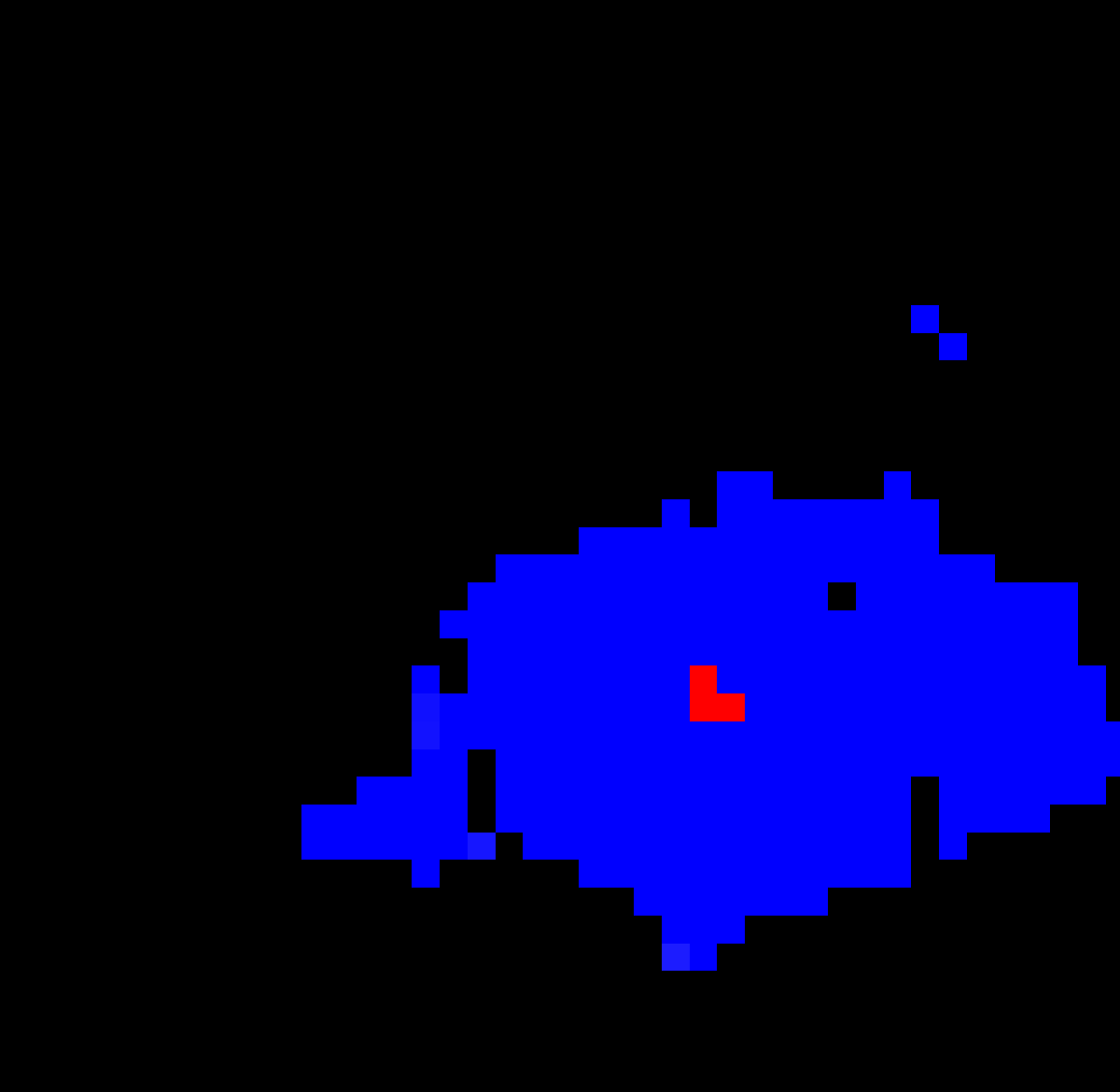
Fig 8: Same as Fig. 6 but for J1100. Here the position angle of

Fig 8 (page 6).
Limitations
- Small sample size (only 5 objects) limits statistical significance and broader generalization.
- Velocity measurements of PAHs rely on PCA tomography and assume approximately stable intrinsic line profiles, which may vary spatially and with excitation conditions.
- Low signal-to-noise prevents reliable velocity mapping of 6.2 µm ionized PAHs, limiting understanding of full dust grain ionization state kinematics.
- Disk parameters (inclination, PA) are fixed from CO data, potentially missing complex multi-component gas kinematics or warped disks.
- No explicit adversarial or systematic error analysis on effects of PSF subtraction residuals or spatially varying extinction on velocity maps beyond qualitative checks.
- Lack of direct measurement of dust mass or outflow rates from PAH kinematics; mainly kinematic signatures are presented.
Open questions / follow-ons
- How do PAH kinematics and dusty outflows scale across a broader range of AGN luminosities and Eddington ratios beyond this sample?
- What physical mechanisms preferentially destroy small and ionised PAHs in AGN outflows, and how does this impact dust grain chemistry and survival?
- Can multi-wavelength observations combine PAH kinematics with dust continuum imaging to constrain dust outflow mass and energetics quantitatively?
- How do dusty outflows traced by PAHs interact with molecular and ionized gas phases dynamically at sub-kiloparsec scales?
Why it matters for bot defense
While this paper primarily addresses astrophysics topics, the methodological contribution of PCA tomography to decompose noisy, complex spectral data to extract subtle velocity signatures is relevant to fields involving signal disentanglement under challenging conditions. Bot-defense engineers working on CAPTCHA might find parallels in unsupervised, component-based separation methods to detect subtle user behavior patterns or to isolate signal components from noisy sensor data. Moreover, the notion of carefully subtracting known baseline (disk kinematics) to reveal anomalous residuals (outflows) resonates with anomaly detection approaches in cybersecurity and bot behavior analysis. However, the domain specificity to spectroscopy and galaxy kinematics limits direct applicability. The attention to controlling for confounding factors (like PSF artifacts, extinction) also underscores best practices in signal preprocessing that CAPTCHA systems could emulate.
Cite
@article{arxiv2606_28311,
  title={ Kinematic detection of dusty outflows from AGN: PAH kinematics of type 2 quasars with JWST/MIRI spectroscopy },
  author={ Fergus R. Donnan and Cristina Ramos Almeida and Omaira González Martín and Karin Sandstrom and Anelise Audibert and Marina Bianchin and Miguel Pereira-Santaella and Ismael García-Bernete },
  journal={arXiv preprint arXiv:2606.28311},
  year={ 2026 },
  url={https://arxiv.org/abs/2606.28311}
}