
NeuraDock Visual Cognitive Load Agent Tutorial: A Quality-Gated Open-Source EEG Workflow for Alpha Dynamics and Real-Time Applications
Source: arXiv:2606.26518 · Published 2026-06-25 · By Zhiyuan Xu, Yueqing Dai, Junling Li, Junwen Luo
TL;DR
This tutorial paper presents NeuraDock Agent, an open-source EEG analysis pipeline focused specifically on alpha-band dynamics for visual cognitive-load estimation. It addresses the gap between offline EEG processing and real-time cognitive-load applications by combining preprocessing, quality control (QC), alpha feature extraction, within-subject rest/task cognitive-load comparison, and a real-time API with an interactive dashboard. The workflow emphasizes quality gating so that only clean EEG data proceeds to downstream analysis, ensuring more credible workload metrics rather than relying directly on raw data. Using a publicly available mini-dataset of 18 EEG recordings, the tutorial validates the pipeline with 10 within-subject rest/task comparisons, observing task-related posterior alpha suppression consistent with prior literature in 7 of 10 cases. The tutorial also demonstrates baseline repeatability, online API latency benchmarks, and integration with a large language model (LLM) to interpret results while highlighting quality risks.
The novelty lies in delivering a fully reproducible, device-tuned end-to-end pipeline that spans offline preprocessing to a real-time API tailored for visual cognitive-load workloads based on posterior alpha rhythms. By open-sourcing the code and data, the approach enhances transparency and practical adoption in research and applied settings such as adaptive UIs, XR, or driver monitoring. Results show that quality gating discards noisy segments resulting in about 65-93% data retention, with task alpha power decreased by up to 50% versus rest in some subjects, providing a conservative yet interpretable workload index. Latency benchmarks indicate the real-time API can compute and serve results with median processing delays under 2 ms locally, enabling near-instantaneous downstream use. The tutorial fills a niche by bridging the gap left by general-purpose EEG toolkits and proprietary real-time SDKs, distilling a cognitive-load-focused workflow with auditability and integrated quality metrics.
Key findings
- NeuraDock Agent processed 18 EEG recordings in the mini-dataset and generated 10 within-subject rest/task visual cognitive-load comparisons.
- 7 of 10 task-minus-rest contrasts showed posterior alpha suppression consistent with visual cognitive load, with task/rest alpha power ratios as low as 0.50 (-0.303 log difference).
- Overall EEG segment retention after quality control ranged from 65.9% (open/closed eyes) to over 90% (rest/task recordings), with warnings noted when retention was low.
- Baseline retest analysis of Rest session 1 vs session 2 for 3 subjects showed initial within-subject repeatability of median posterior log alpha with Pearson r = 0.803 and ICC(C,1) = 0.765.
- Median alpha peak frequency across conditions was approximately 10-11 Hz with slight increases during task.
- Real-time local API median core processing latency was 1.89 ms with 95th percentile latency 2.66 ms; synthetic demo endpoint median latency was 15.15 ms with p95 27.18 ms.
- The LLM interpretation layer summarizes EEG analyses with explicit caution notes on signal quality, quality-controlled data gating, and scientific interpretation boundaries.
- The alpha dynamics workflow excluded alpha analysis windows with under 80% clean retention to maintain data quality standards.
Threat model
The focus is on building a quality-gated EEG processing pipeline against noisy physiological artifacts and data contamination rather than adversarial threat models. The assumed adversary is noise or artifact sources (muscle tension, movement, line noise) that degrade EEG quality and could mislead workload metrics. The system assumes the adversary cannot hijack or spoof hardware streams or raw EEG but aims to mitigate spurious cognitive-load estimates via explicit quality control gating. No malicious attack or data poisoning threat evaluation is included.
Methodology — deep read
Threat Model & Assumptions: The approach assumes EEG recordings from a known 7-channel NeuraDock EEG workstation targeting posterior and parieto-occipital areas relevant for alpha-band visual cognitive load signals. The adversarial or malicious interference scenario is not a focus; rather, the emphasis is on handling noisy or artifact-contaminated EEG data. The system considers that noisy or contaminated EEG can yield misleading alpha workload metrics; thus, quality control gating filters out low-quality segments prior to analysis. User applications relying on real-time workload indexes are expected to gate activations on quality pass thresholds.
Data Provenance: The tutorial runs analyses on a publicly available mini-dataset hosted separately on GitHub containing 18 EEG recordings from multiple subjects performing rest and visual task paradigms. The EEG data use a 7-channel configuration sampled at 250 Hz matching the NeuraDock profile. The dataset also includes mixed-eye open/closed eye recordings and task variant recordings involving chat, game, and music conditions. Data files are plain-text, preprocessed inside the pipeline.
Architecture & Algorithm: The NeuraDock Agent is a modular workflow pipeline implemented in Python, invoked via CLI commands. The pipeline first performs EEG preprocessing and segmentation, combining artifact rejection heuristics (line noise, EMG power, amplitude outliers, bad channel detection) to accept/reject segments. Only retained clean data proceeds to alpha dynamics analysis which extracts alpha-band features (frequency, power, suppression relative to baseline, asymmetry). Visual cognitive-load comparison is done within-subject by comparing rest and task posterior log alpha power. An online mode ingests live data via TCP/IP from the hardware or replay for real-time rolling window analysis with 4-second windows stepping every 1 second. A REST HTTP API serves computed metrics. An LLM explanation module receives summary results and warns about quality risks without accessing raw EEG signals.
Training Regime: The system is not a learned model; rather, it applies deterministic signal processing and QC algorithms. Configuration defaults (e.g., 250 Hz sampling, posterior channel sets, QC thresholds) are calibrated for targeted hardware but can be overridden.
Evaluation Protocol: Evaluation primarily uses descriptive within-subject contrasts (rest vs task conditions) to quantify alpha suppression, reported as log power differences and power ratios. Baseline retests provide a repeatability metric using Pearson correlation and intraclass correlation coefficients. QC outputs report retained fraction of EEG segments and issue warnings. Latency benchmarks measure desktop CPU processing time for local API computations and HTTP serving latency. No cross-subject group comparisons or formal statistical hypothesis testing are performed. Results emphasize transparency, repeatability, and quality flags. The online API is validated on synthetic replay data to test latency independent of wireless hardware.
Reproducibility: The entire NeuraDock Agent pipeline is open source under MIT license at https://github.com/Neuradock/eeg-workstation-agent. The mini-dataset is publicly available at https://github.com/Neuradock/eeg-workstation-data with SHA256-verified example files. The workflow provides automated tests and detailed command-line documentation for replicating each step from installation, preprocessing, alpha analysis, rest/task comparisons, online dashboard start, API integration, to LLM-based report generation. The system supports Windows PowerShell scripting and does not bundle a Docker image yet but uses isolated Python virtual environments for dependency management.
Concrete End-to-End Example: A user clones the NeuraDock Agent repo, installs dependencies, downloads example data, runs EEG preprocessing on the open/closed eye dataset detecting 65.9% retention with some mild muscle artifact warnings, and generates clean EEG and signal quality reports. Next, they run the alpha dynamics workflow on the same data to extract alpha power, peak frequency, and suppression features but note many excluded windows due to QC. A within-subject rest/task comparison on a separate dataset finds slight posterior alpha suppression (log difference -0.024) consistent with workload hypotheses, albeit with quality warnings in the task data. Finally, the user launches the online dashboard and accesses the real-time API status endpoint locally, receiving workload indexes and quality flags that can gate downstream UI adaptivity. This example illustrates transparent, quality-aware visual cognitive-load EEG processing from raw data to live applications.
Technical innovations
- Integration of an explicit quality-gating preprocessor that rejects noisy EEG segments before any workload or alpha feature extraction, ensuring downstream metrics are conservative and credible rather than naive raw data summaries.
- A focused, hardware-tuned 7-channel EEG montage for visual cognitive load estimation based on posterior alpha dynamics calibrated specifically for NeuraDock device geometry.
- Open-source end-to-end pipeline combining offline EEG preprocessing, quality control, alpha analysis, within-subject rest/task cognitive load contrasts, and a real-time local API with web dashboard, enabling practical transition from research scripts to live applications.
- Inclusion of a large language model (LLM) interpretation layer that consumes deterministic results and quality warnings to generate nuanced, scientifically cautious textual explanations highlighting signal risks and interpretive boundaries.
Datasets
- NeuraDock Visual Cognitive-Load Mini-Dataset — 18 recordings — public repository at https://github.com/Neuradock/eeg-workstation-data
Baselines vs proposed
- Open Closed Eye Dataset: segment retention = 65.9%, alpha valid windows = 10/49 due to QC gating
- Rest vs Task within-subject median posterior log Alpha difference = -0.024, Task/Rest Alpha power ratio = 0.946
- Mini-dataset specific contrasts: xzy Game vs Rest Task/Rest Alpha ratio = 0.50; ljw Chat vs Rest ratio = 0.52; ljw Game vs Rest ratio = 0.77
- Baseline retest Pearson r = 0.803 and ICC(C,1) = 0.765 for median posterior log Alpha power
- Local online API median core processing latency = 1.89 ms (p95 = 2.66 ms); synthetic demo median latency = 15.15 ms (p95 = 27.18 ms)
Figures from the paper
Figures are reproduced from the source paper for academic discussion. Original copyright: the paper authors. See arXiv:2606.26518.
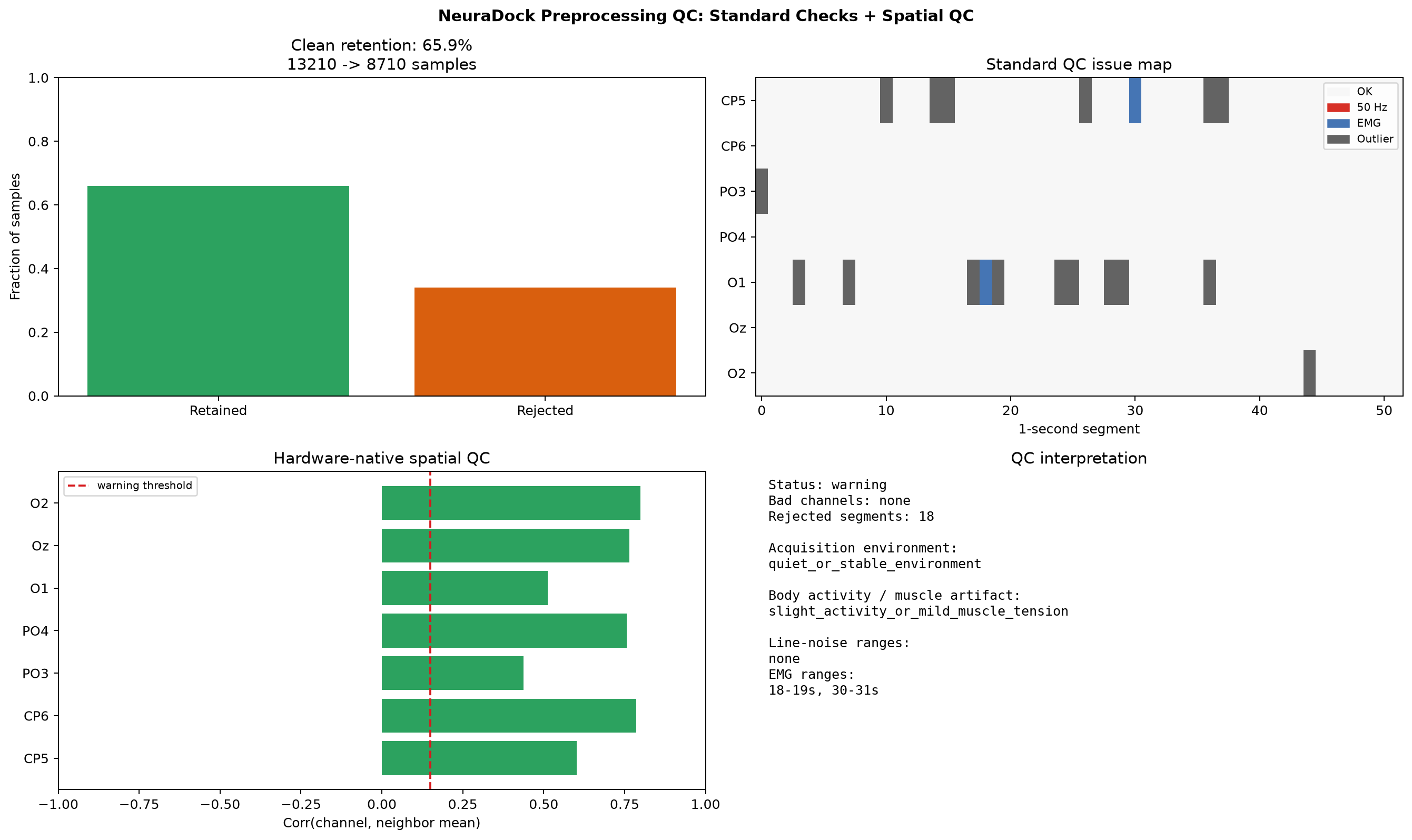
Fig 1: Signal-quality figure from the actual open closed eye2.txt preprocessing run.
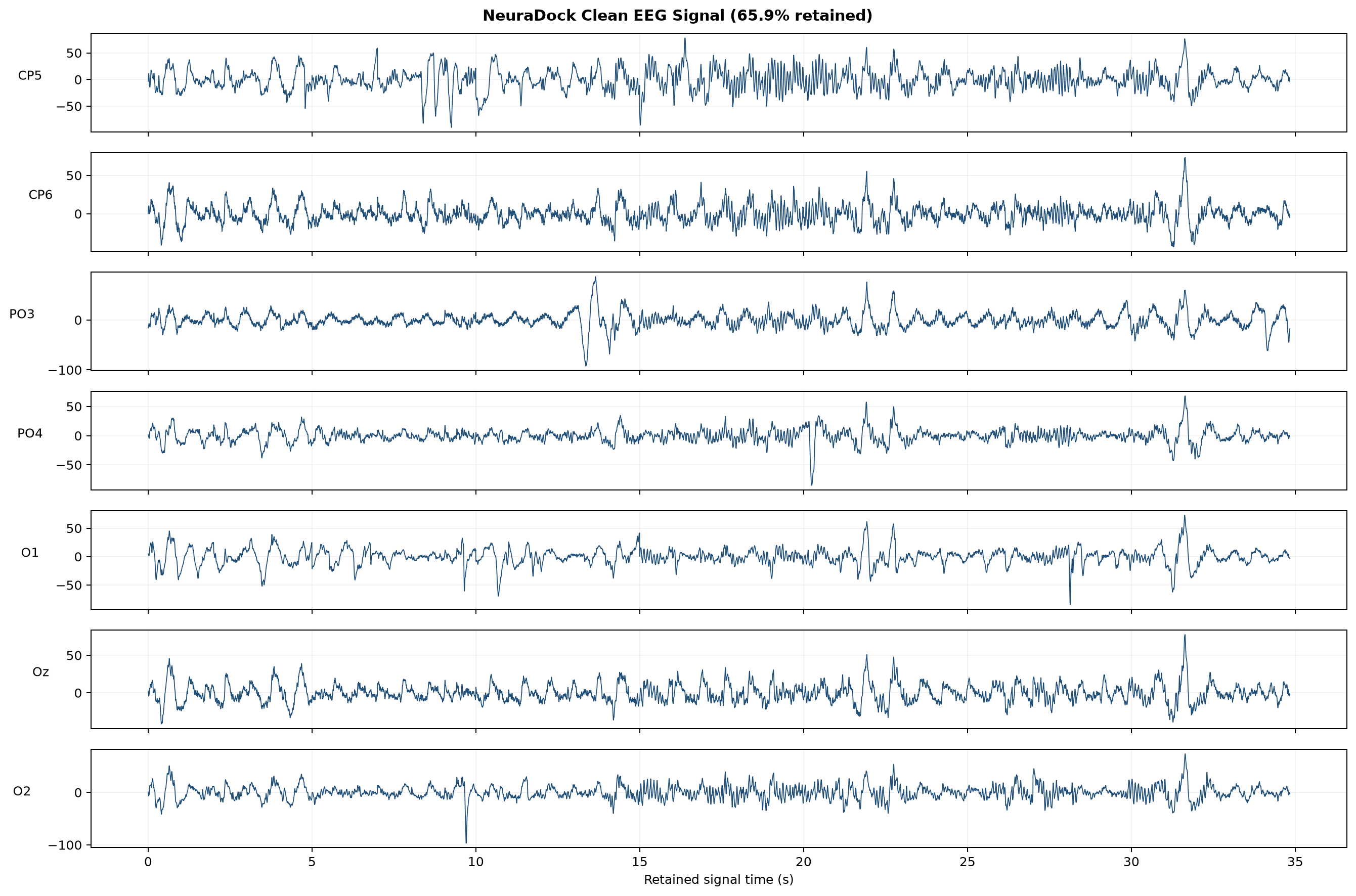
Fig 2: Clean EEG signal after preprocessing and QC gating for open closed eye2.txt. Later
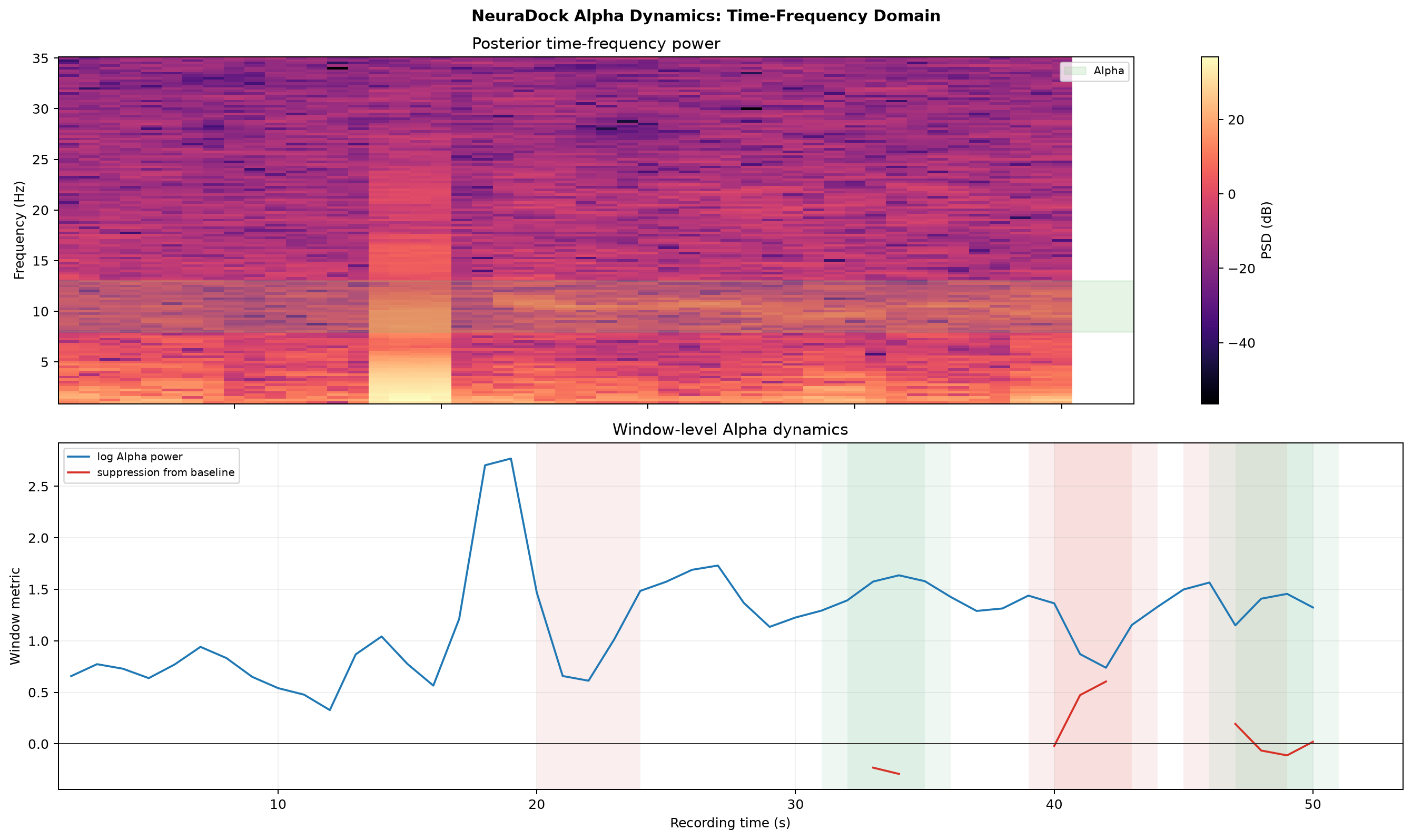
Fig 3: Actual open closed eye2.txt Alpha dynamics time-frequency output. This replaces
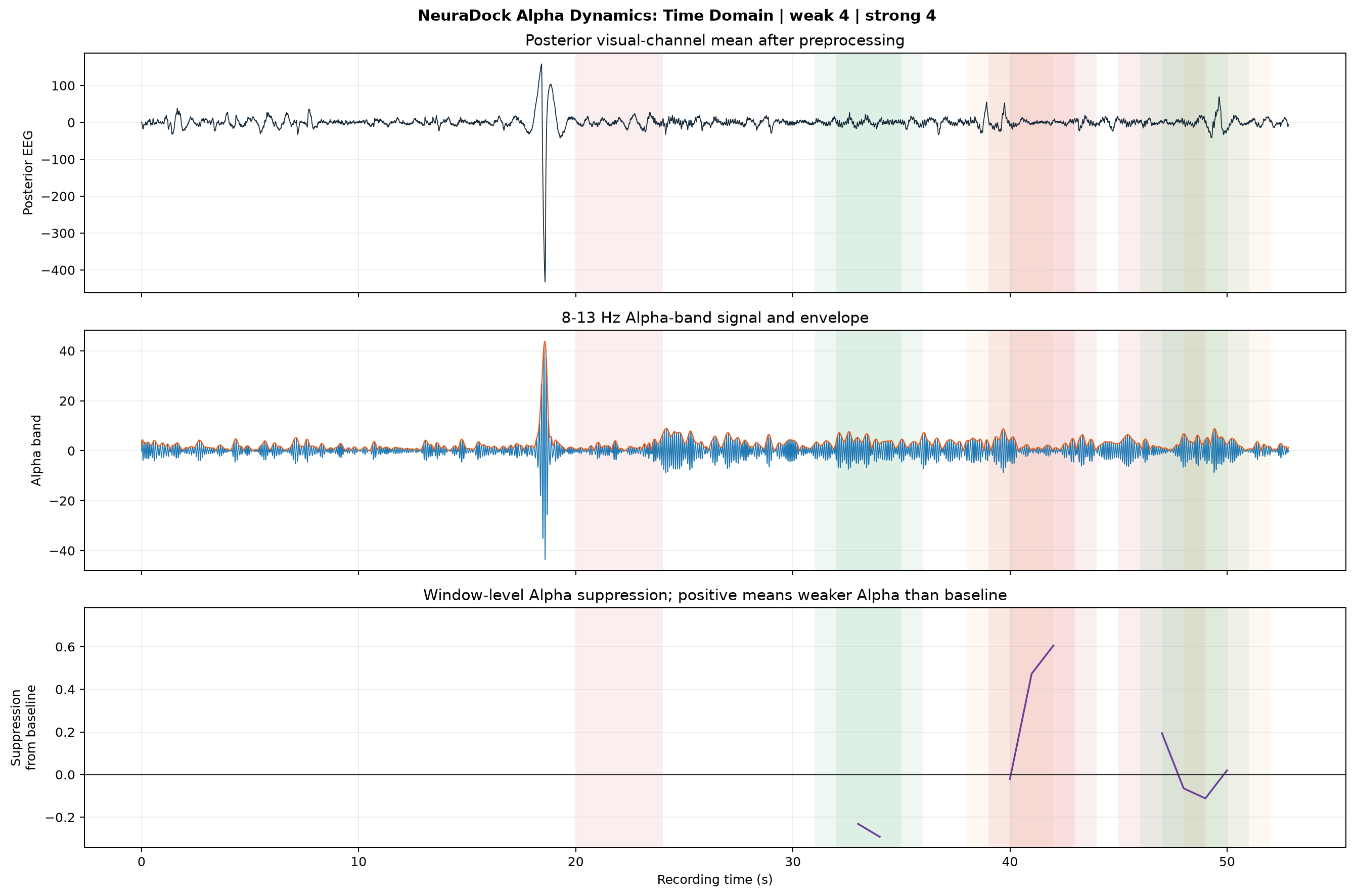
Fig 4: Time-domain and frequency-domain Alpha dynamics figures generated from the same
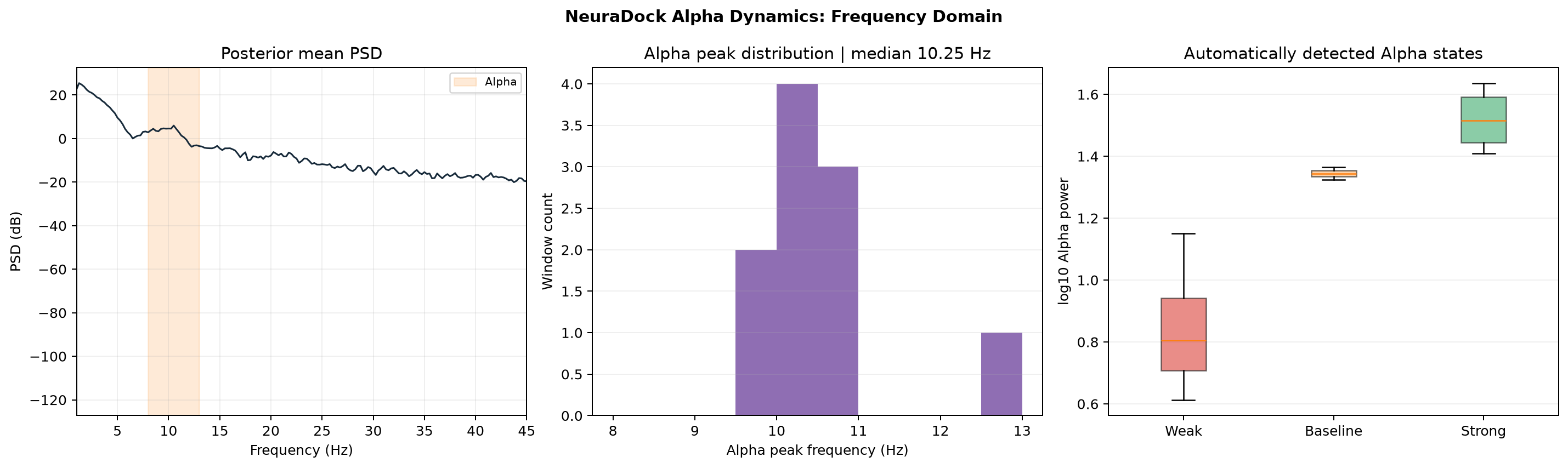
Fig 5: Actual Rest/Task comparison figure from rest S01 1.txt and task S01 1.txt. The
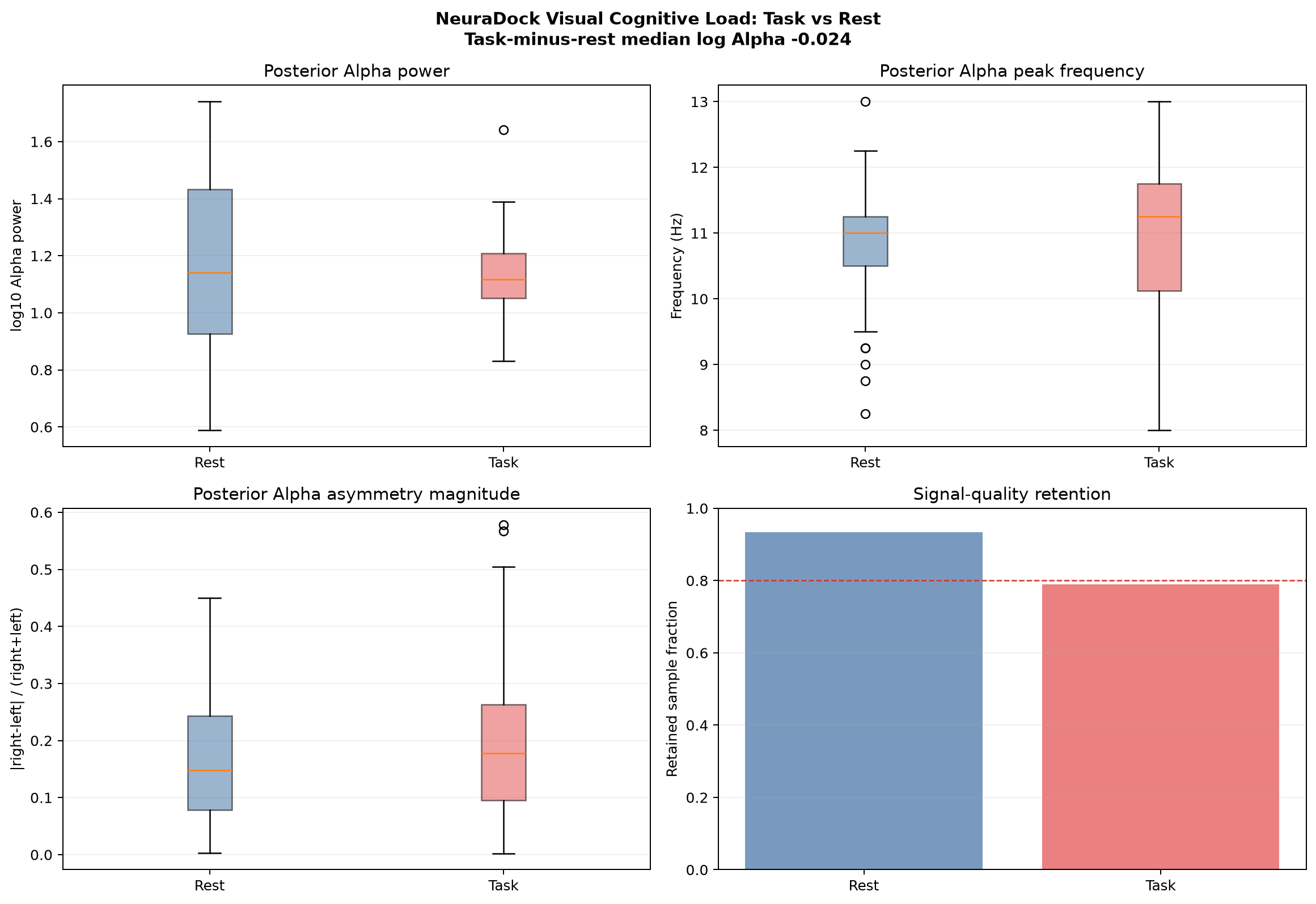
Fig 6: Condition-level visual cognitive-load plots for the Rest and Task recordings. Blank or
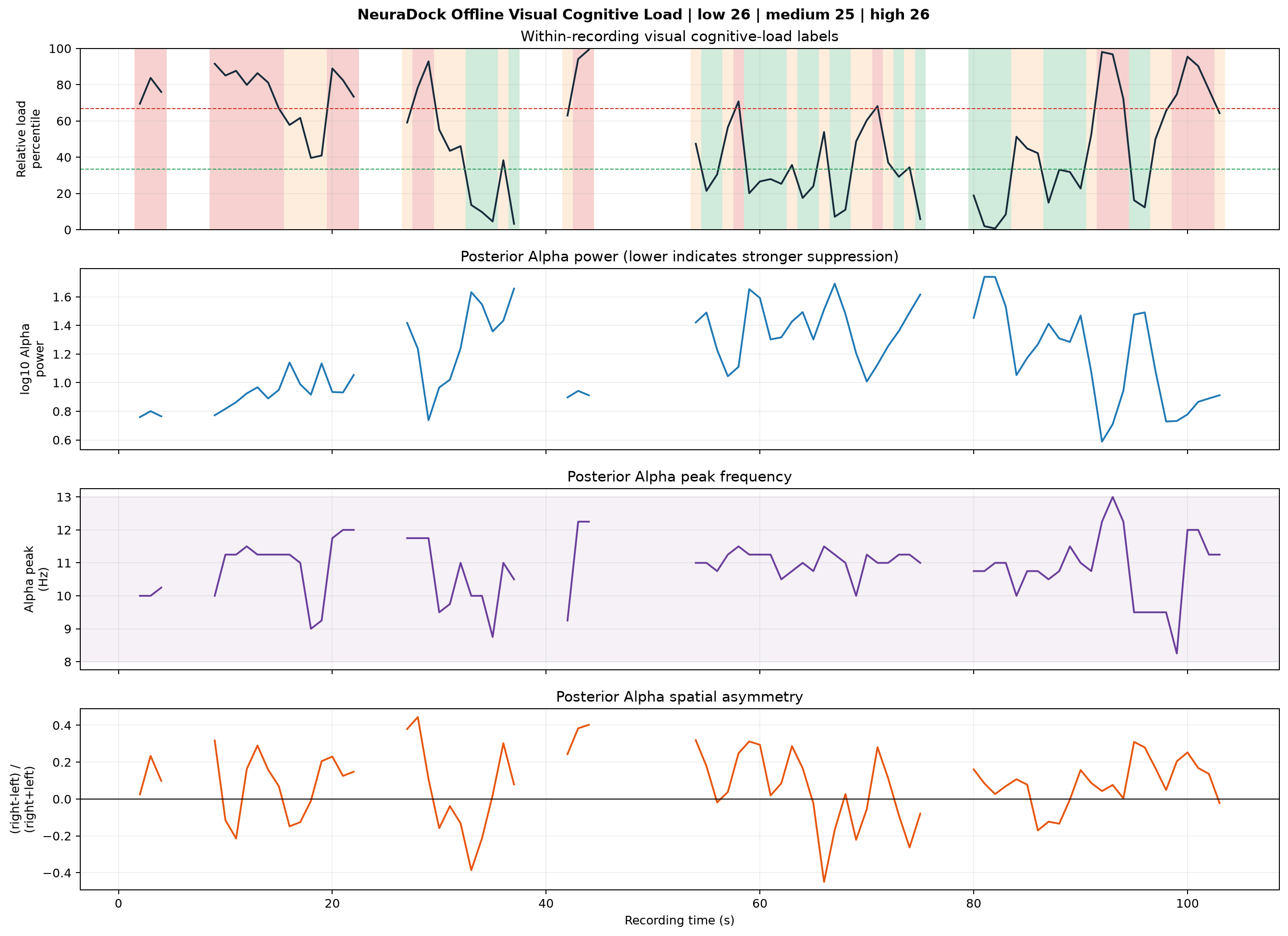
Fig 7: Reference mini-dataset summary assembled from the public quality-gated analysis out-
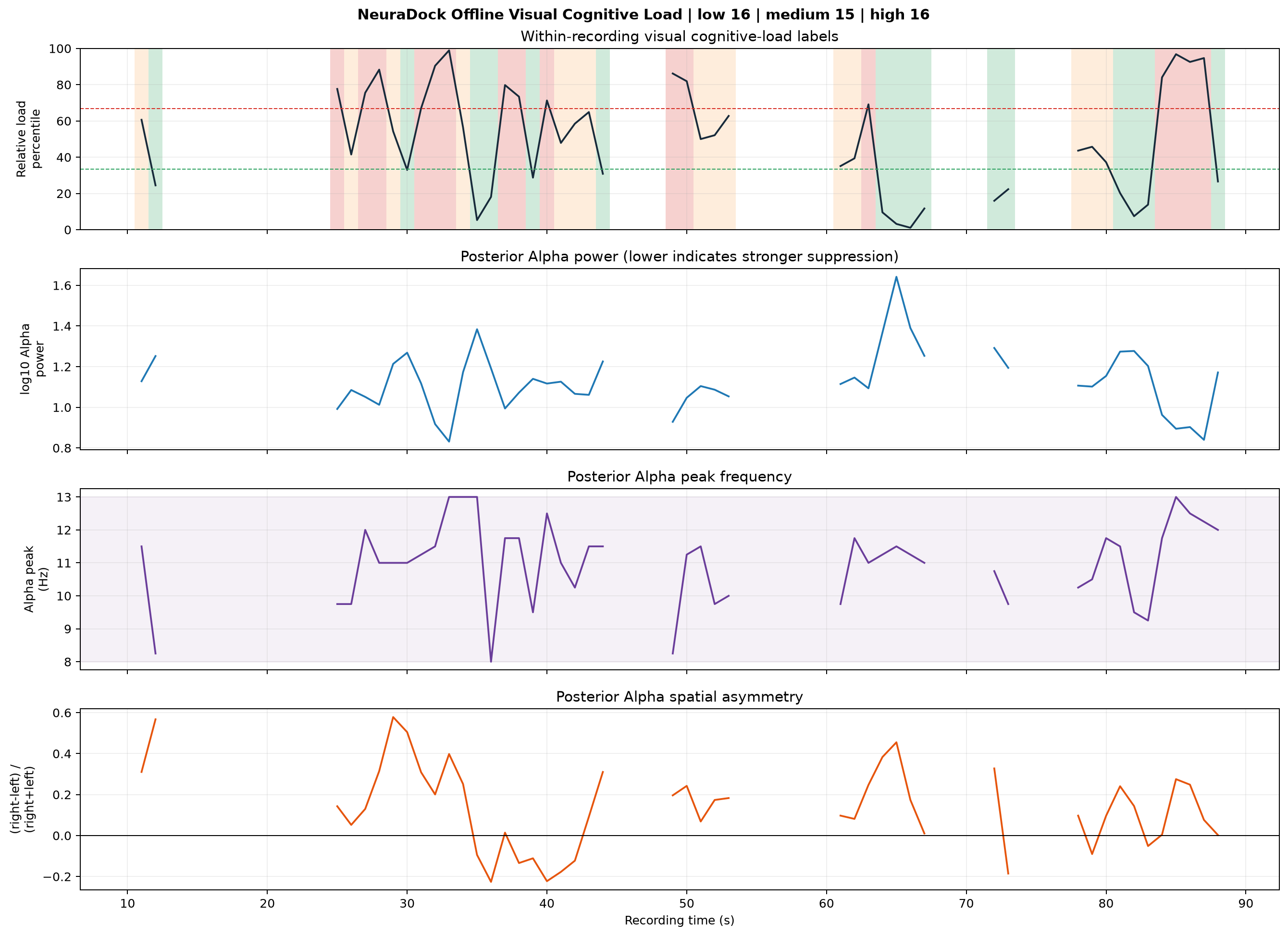
Fig 8 (page 10).
Limitations
- Mini-dataset is small (18 recordings from few subjects) and not suitable for population-level normative or clinical claims.
- No adversarial robustness testing or evaluation against hardware packet loss or wireless interference.
- Current cognitive-load metric relies primarily on posterior alpha dynamics and does not integrate other behavioral, physiological, or multimodal signals such as reaction time or pupilometry.
- Online benchmark latency measured on synthetic replay locally, not on physical hardware streaming over Bluetooth or network.
- LLM interpretation layer does not process raw EEG but only summary statistics, so its insights depend on accuracy of upstream processing and are limited to textual explanation.
- The approach is not validated as a diagnostic tool for attention, fatigue, or medical conditions and is explicitly a research/engineering prototype.
Open questions / follow-ons
- How does NeuraDock Agent’s alpha-based workload metric correlate with behavioral or subjective cognitive load measures in larger controlled validation studies?
- Can the pipeline be extended to integrate multimodal signals like pupil size, reaction time, and subjective scales to improve workload sensitivity and specificity?
- What adaptations are necessary to extend the quality-gated online API model to other EEG hardware with different channel montages and sampling rates?
- Could adversarial robustness evaluations be performed to test pipeline reliability under intentional noise injection or spoofing scenarios common in real-world deployments?
Why it matters for bot defense
For bot-defense and CAPTCHA practitioners, NeuraDock Agent illustrates a rigorous approach to building quality-aware, real-time human cognitive-load assessment tools from physiological signals like EEG. Although visual cognitive load estimation is outside the scope of direct CAPTCHA solving, the underlying principles of streaming quality control, gating downstream inferences on data fidelity, and providing explainable real-time cognitive metrics are directly applicable to biometric anti-bot systems that rely on behavioral or physiological signals.
Such quality-gated pipelines can prevent false triggers or misclassifications caused by noisy signals, thereby improving trust in real-time user verification or workload monitoring. The tutorial also demonstrates how to implement a robust end-to-end system that combines offline validation, resource-efficient computation, live dashboards, and LLM-powered interpretation — a useful blueprint for practitioners aiming to integrate advanced cognitive or physiological measurements into interactive bot-defense or access control workflows.
Cite
@article{arxiv2606_26518,
  title={ NeuraDock Visual Cognitive Load Agent Tutorial: A Quality-Gated Open-Source EEG Workflow for Alpha Dynamics and Real-Time Applications },
  author={ Zhiyuan Xu and Yueqing Dai and Junling Li and Junwen Luo },
  journal={arXiv preprint arXiv:2606.26518},
  year={ 2026 },
  url={https://arxiv.org/abs/2606.26518}
}