
A Methodology for Characterizing Underwater Radiated Noise from Submerged Electric Vehicles in a Coastal Environment: An AUV Test Case
Source: arXiv:2606.24813 · Published 2026-06-23 · By Mark Shipton, Amir Boag, Roee Diamant
TL;DR
This paper addresses the challenge of characterizing underwater radiated noise (URN) from submerged electric vehicles (SEVs) such as autonomous underwater vehicles (AUVs) in complex coastal environments. Unlike large surface vessels, SEVs typically emit tonal, harmonic, and modulated acoustic components related to electric propulsion and motor-control electronics, rather than broadband cavitation noise. Existing standards and methodologies largely focus on surface vessels and neglect the unique spectral, operational, and geometric complexities of SEVs, especially in shallow coastal waters with ambient noise, multipath propagation, and aspect-dependent radiation. The authors present a comprehensive eight-step framework that integrates calibrated acoustic pass-by measurements, synchronized vehicle metadata, ambient-noise characterization, and propagation-aware source estimation to extract and interpret these tonal features. This methodology enables resolving features up to 105 kHz, far extending prior work that was generally limited below 16 kHz.
Demonstrating the approach on a representative A18D AUV in coastal Israeli waters, the authors identify propulsion-related tonal groups around 5.56, 11.1, and 22.2 kHz with harmonic structure up to 105 kHz. Source-related tonal power spectral density (PSD) estimates after propagation correction range from 77 to 120 dB re 1 µPa²/Hz at 1 meter. The methodology systematically addresses critical challenges in coastal settings, such as ambient noise interference, near-field effects, cavitation screening, and operational variability, providing a reproducible, physically interpretable characterization connecting acoustic signatures to vehicle subsystems. This work fills a gap in SEV acoustic metrology and provides a practical path toward consistent passive detection, diagnostics, and environmental impact assessment for electric propulsion underwater vehicles in coastal environments.
Key findings
- Proposed an eight-step measurable methodology for SEV underwater radiated noise characterization integrating calibrated acoustics, ambient noise assessment, synchronized vehicle metadata, propagation-aware source-related estimation, and subsystem-oriented interpretation.
- Drive-related tonal groups identified near 5.56 kHz, 11.1 kHz, and 22.2 kHz in the A18D AUV, with resolved harmonic components extending up to 105 kHz.
- Source-related tonal PSD estimates after propagation correction ranged from 77 to 120 dB re 1 µPa²/Hz at 1 m, demonstrating broad dynamic range and detectability.
- Near-field transition distances and waveguide cutoff frequencies defined to exclude unreliable far-field assumptions below approximately 1.3× wavelength/CPA and 4× water depth frequency limits.
- Cavitation number (σ) used as screening metric to assess cavitation likelihood, with tonal components attributable to motor and control electronics only when σ > 3 (unlikely cavitation).
- Pass-by geometries with single to four hydrophones presented to capture varying observation aspects and address directional variability in SEV acoustic radiation.
- Ambient noise reference and AIS vessel contamination screening essential to identify frequency bands and time intervals where SEV tonal components exceed ambient by >3 dB for robust source attribution.
- Subsystem-oriented spectral interpretation connected tonal and modulation features to motor pole numbers, blade counts, shaft speed, and PWM switching frequencies using synchronized vehicle metadata.
Methodology — deep read
The methodology consists of eight sequential steps divided into a measurement phase and an analysis phase:
Measurement Design: Define the source-receiver geometry for pass-by acoustic measurements, selecting closest-point-of-approach (CPA) distances that avoid the near-field region while maintaining sufficient signal-to-noise ratio (SNR). The near-field boundary is approximated by considering the acoustic wavelength, effective source size (e.g., motor–shaft–propulsor assembly), and Rayleigh distance to ensure propagation corrections remain valid. Multiple calibrated hydrophones may be deployed at various offsets and depths for angular coverage. Vehicle metadata including propulsor diameter, blade count, PWM frequency, shaft speed to RPM relationship, and auxiliary systems are collected.
Cavitation Assessment: Operating conditions are screened for propulsor cavitation using a cavitation number σ calculated from vehicle speed, propulsor diameter, water properties, and depth. A threshold σ > 3 indicates cavitation is unlikely, allowing tonal components to be primarily attributed to motor and control electronics rather than broadband cavitation noise.
Frequency-Band Selection: The analysis frequency band is selected based on wavelength-to-CPA limits and shallow-water waveguide cutoff frequency. The lower frequency bound is set conservatively above these limits (1.3× the larger of wavelength-based and waveguide cutoff frequency). The upper bound is dictated by the recorder bandwidth and the highest PWM harmonic frequency relevant for tonal component interpretation.
Ambient-Noise Assessment: Ambient noise references are taken close in time to SEV pass-by using identical recording setups to identify ambient-limited bands and time intervals. Automated AIS screening excludes periods contaminated by other vessel noise, while acoustic records are inspected for active acoustic transmissions and impulsive events.
Spectral and Time-Frequency Analysis: Calibrated power spectral densities and spectrograms are computed for ambient and SEV passage intervals, with window durations selected to resolve minimum expected sideband spacings. Detected tonal components are classified by stability, Doppler shifts, harmonic structure, modulation sidebands, and speed dependence, with Doppler data used to verify pass geometry.
Subsystem-Oriented Interpretation: Detected tonal features are compared to expected shaft rotation frequency, blade rate harmonics, motor pole-passing frequencies, PWM switching rates, and auxiliary system frequencies derived from vehicle metadata. This enables physically meaningful attribution of acoustic signals to propulsion and control components.
Propagation-Corrected Source-Related Estimation: Using site-appropriate propagation models accounting for shallow-water waveguide effects and geometry uncertainty, received tonal PSD levels are back-propagated to estimate source-related levels (LS,PSD) at 1 m, with quantified uncertainties allowing robustness evaluations.
Angular and Operational Analysis: Multiple passes with varying speeds and receiver aspects are analyzed to identify directional asymmetries, speed dependence of tonal components, and operational trends. Statistical robustness is assessed by comparing variations against estimated uncertainties.
This comprehensive methodology integrates calibrated pass-by measurements under realistic coastal conditions, leverages synchronized vehicle navigation and propulsion metadata, screens for ambient noise and cavitation, and applies physically grounded spectral decomposition and propagation correction to recover detailed, interpretable tonal signatures related to submerged electric vehicle subsystems. The process is demonstrated with an A18D AUV in shallow water near Haifa Bay, Israel, with thorough documentation of geographic, environmental, and operational parameters.
Technical innovations
- Integration of synchronized vehicle metadata (speed, RPM, PWM frequency, motor pole number) with calibrated close-range pass-by acoustics enables subsystem-oriented interpretation of tonal and modulated underwater noise.
- Introduction of a practical near-field transition criterion combining wavelength, effective source size, and Rayleigh distance to avoid non-far-field bias in propagation-corrected source-level estimation.
- Use of a cavitation screening metric (cavitation number σ) to distinguish tonal motor/control signatures from broadband cavitation noise in coastal shallow-water environments.
- Extension of spectral characterization frequency range up to 105 kHz, capturing PWM carrier harmonics and high-frequency tonal components beyond conventional SEV acoustic studies limited below ~16 kHz.
Datasets
- A18D AUV coastal pass-by recordings — multiple passes with two calibrated hydrophones near Haifa Bay, Israel — proprietary experimental dataset
Baselines vs proposed
- No explicit baselines or previous methods quantitatively compared; methodology demonstrates extension of analysis frequency range to 105 kHz vs earlier studies limited to <5–16 kHz (cited refs [7, 14, 20])
- Propagation-corrected source tonal PSD estimates ranged 77–120 dB re 1 µPa²/Hz at 1 m, demonstrating detectability and operational speed dependence
Figures from the paper
Figures are reproduced from the source paper for academic discussion. Original copyright: the paper authors. See arXiv:2606.24813.
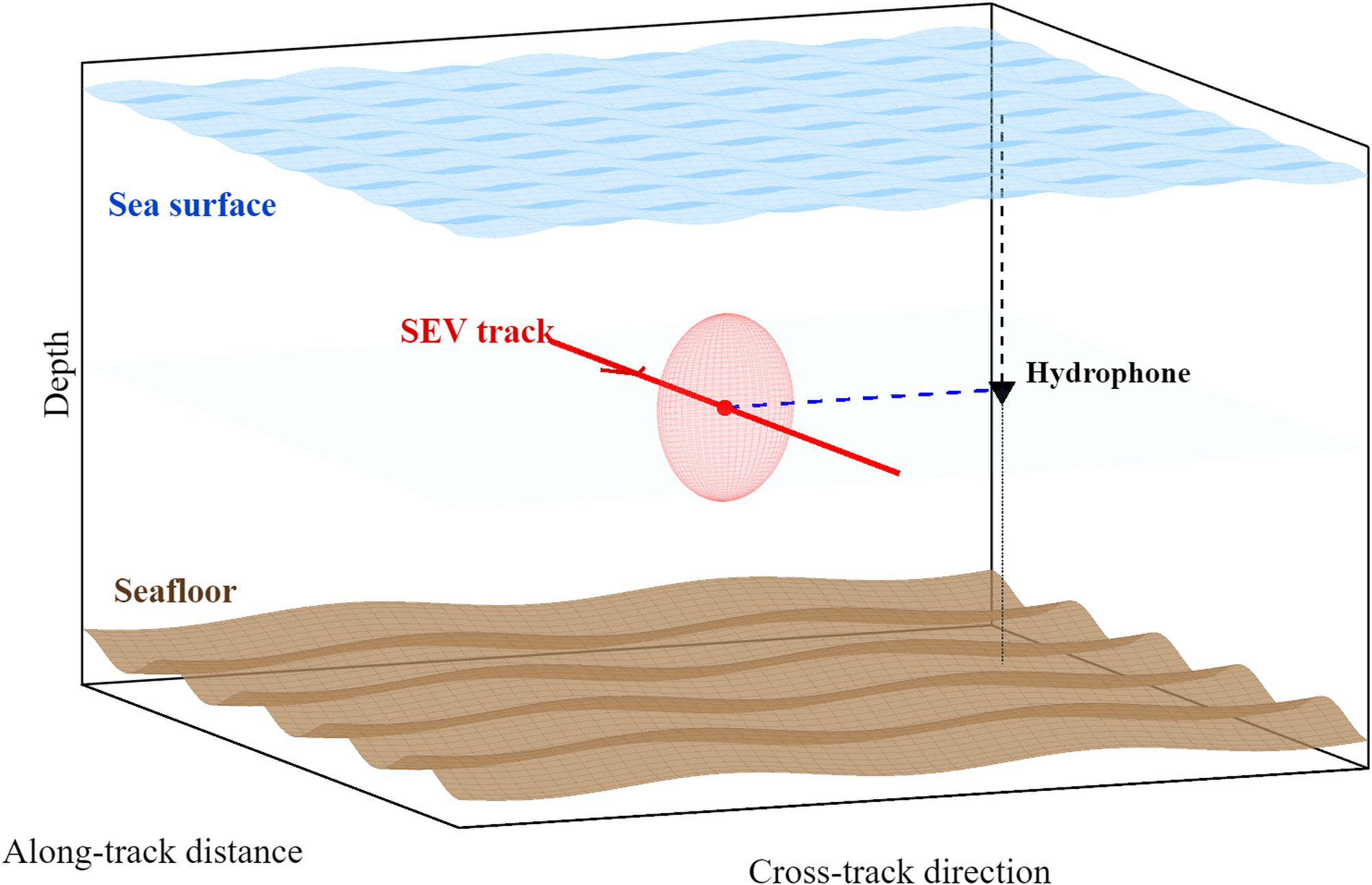
Fig 2: Generic SEV pass-by measurement configurations with increasing geometric cov-
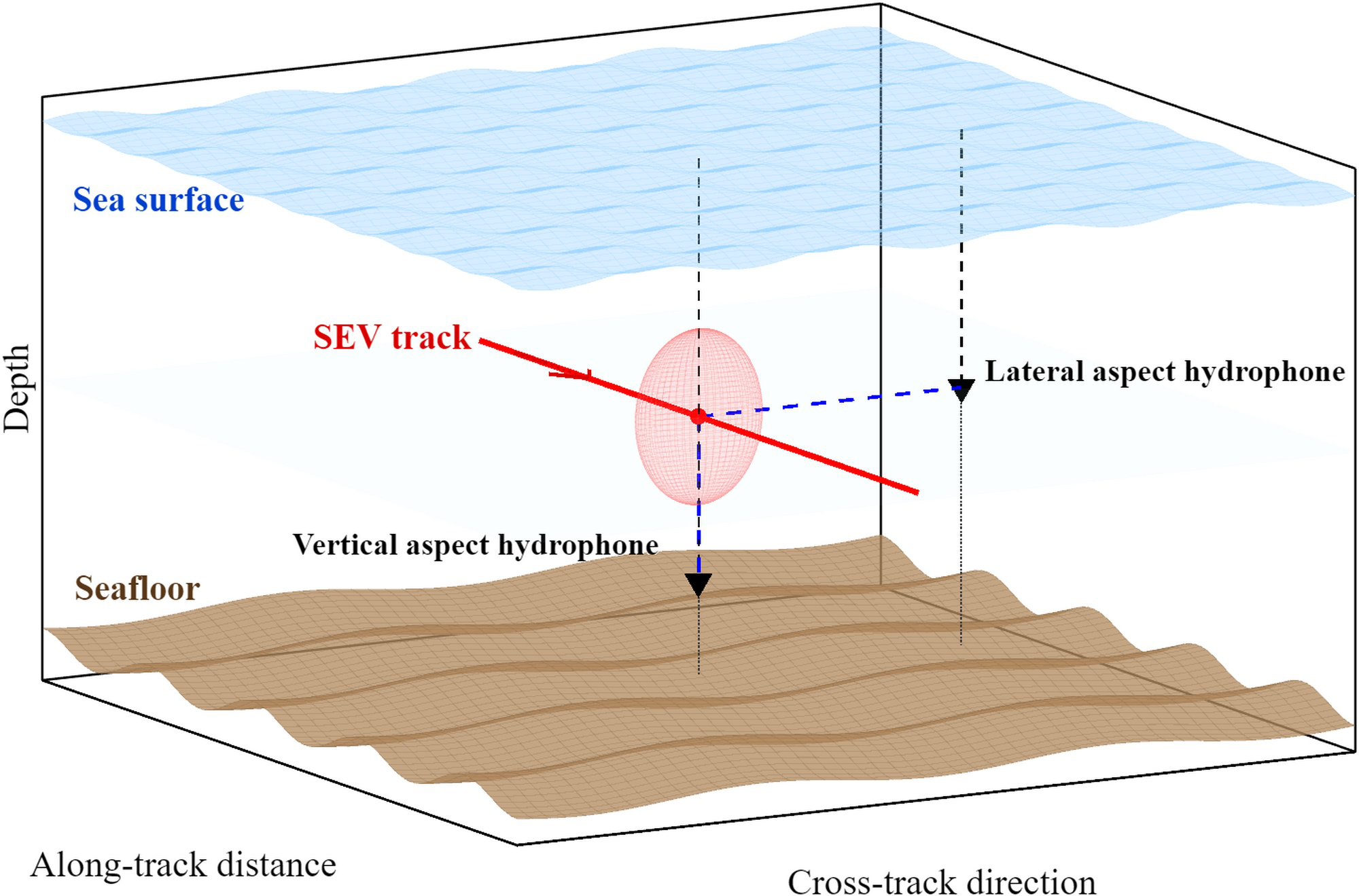
Fig 2 (page 10).
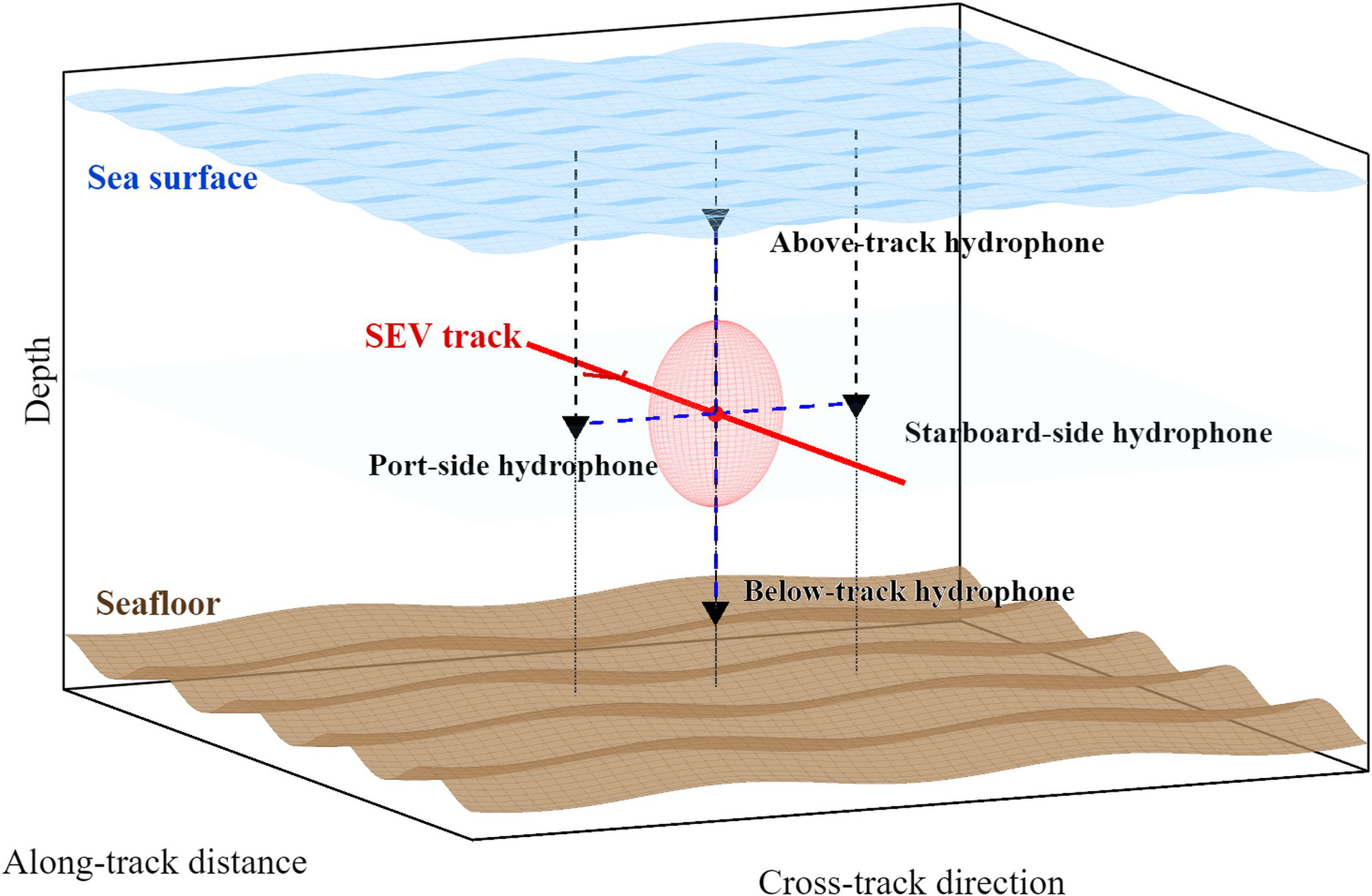
Fig 3 (page 10).
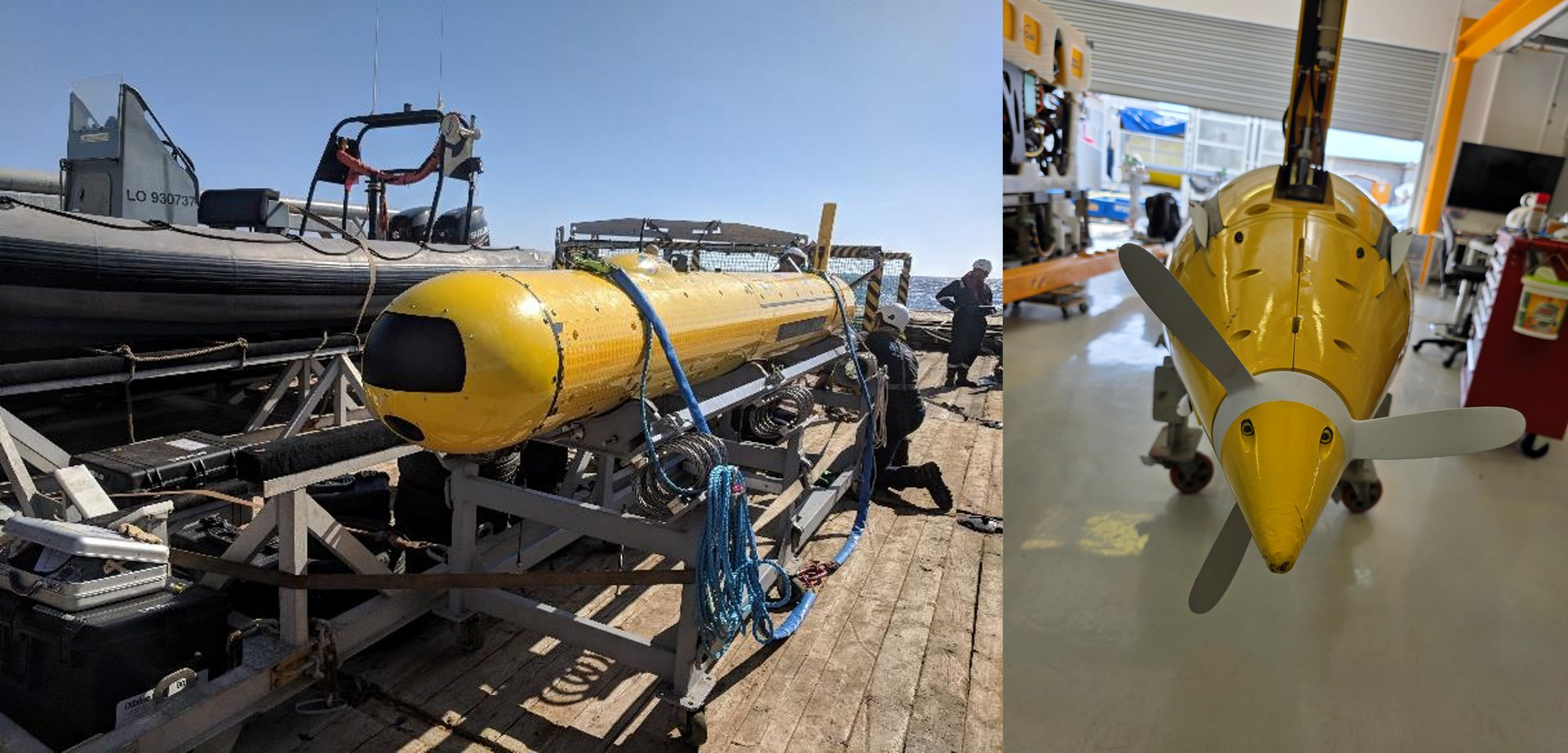
Fig 3: A18D AUV used in the experimental test case, including the three-bladed propeller.
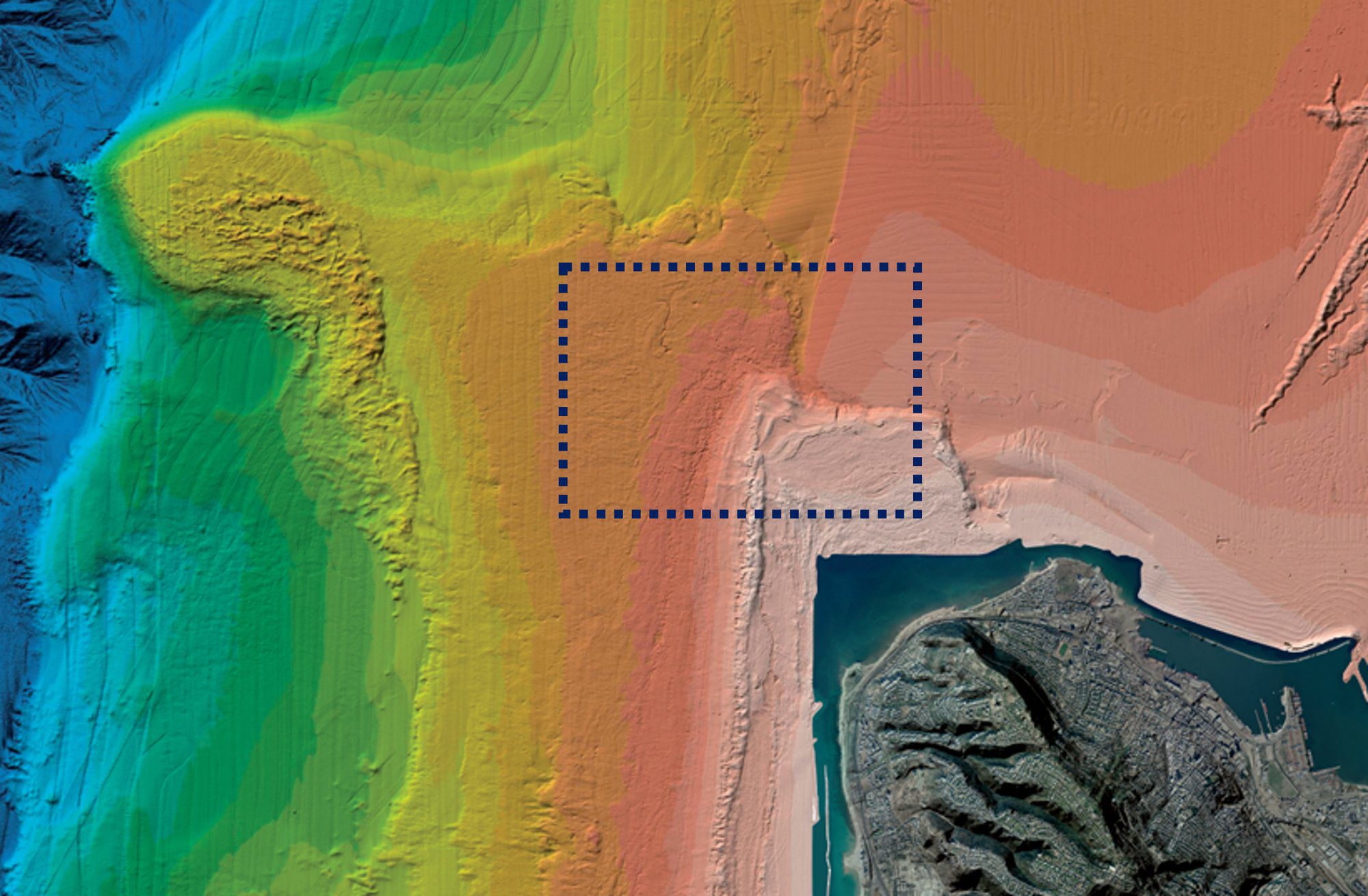
Fig 4: Bathymetric map of the Haifa Bay region, including the survey area approximately
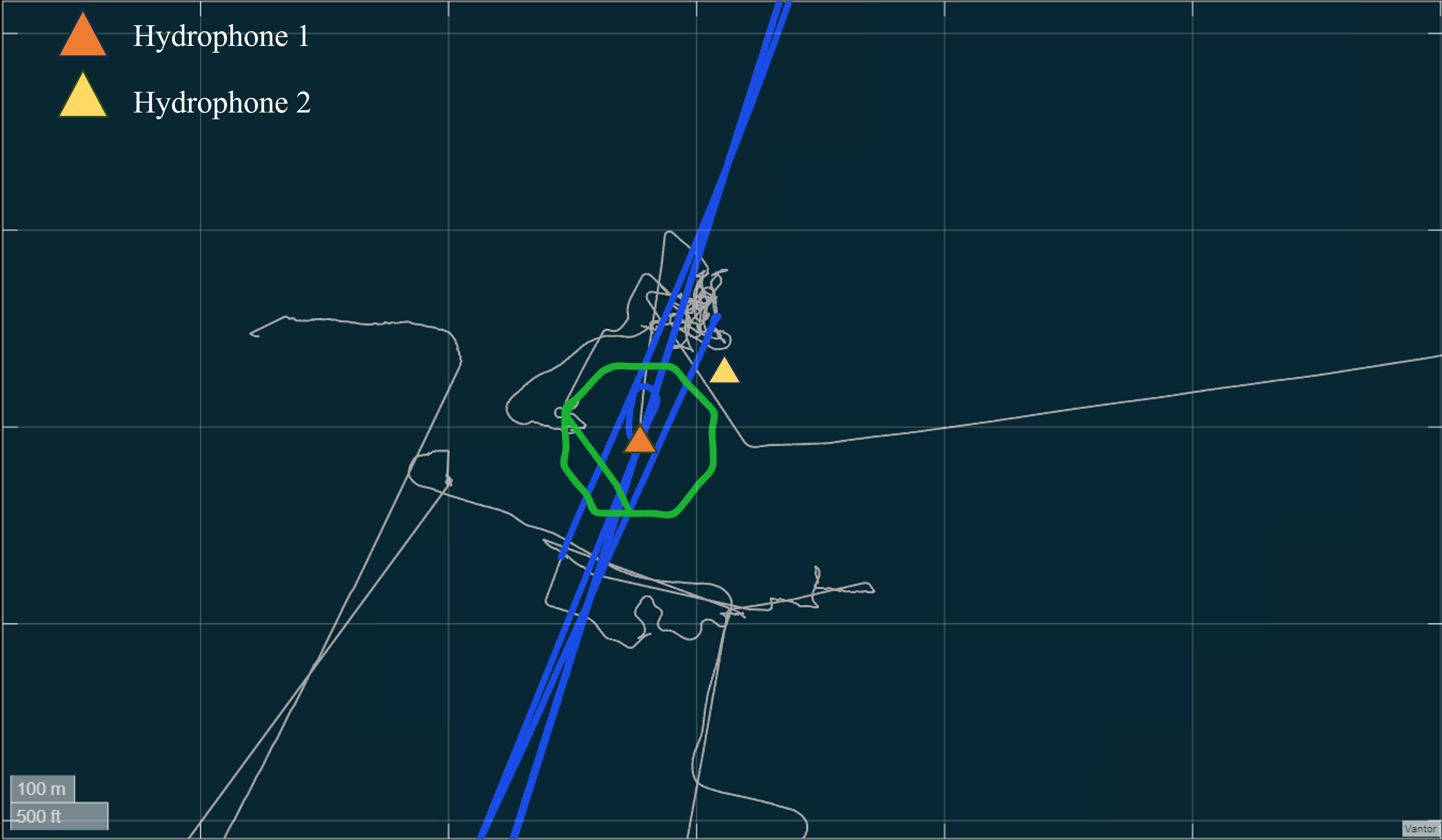
Fig 5: Plan view of the AUV track during the survey, showing HYD1 and HYD2 relative
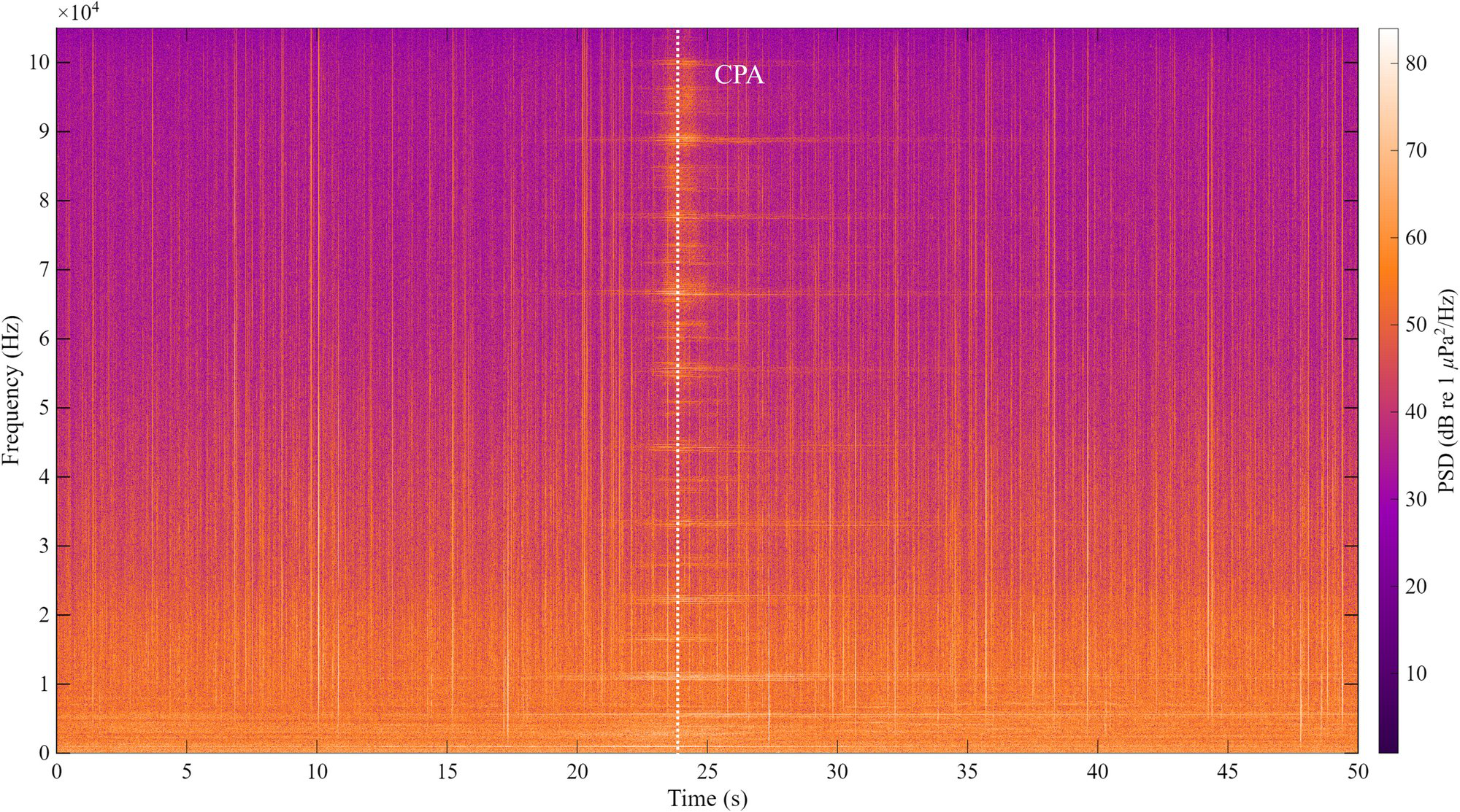
Fig 6: Spectrogram of Passage ID 2 recorded by HYD1 over the analyzed frequency band.
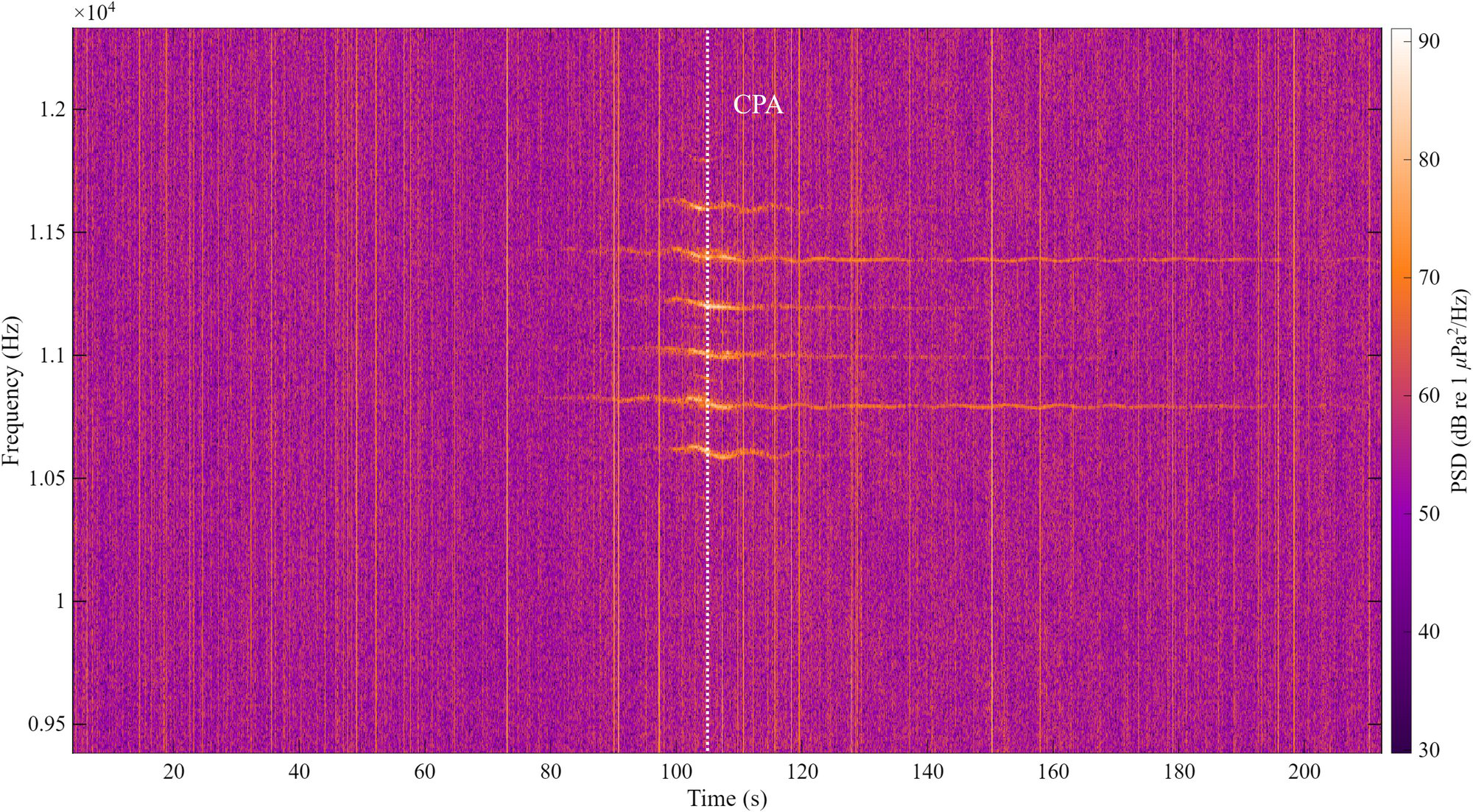
Fig 7: Spectrograms of Passage ID 2 in the four principal tonal regions (256k FFT, Hann
Limitations
- Near-field source-related estimates at high frequencies (> tens kHz) are approximate due to practical constraints on closest approach distance and finite source dimension assumptions.
- Propagation correction uses a shallow-water image-source model dependent on accurate environmental and geometric data; unmodelled complexities or bathymetric variability may introduce errors.
- Methodology requires detailed vehicle metadata (PWM frequency, shaft speed to RPM conversion), which may not always be available for all platforms.
- Ambient noise and vessel interference were screened but inevitable transient contamination or biologically derived impulsive noise could confound spectral attribution in some intervals.
- The demonstration is limited to a single AUV model and coastal environment; generalization to other SEV types, propulsion configurations, or deeper ocean settings may require adaptation of parameters or propagation models.
Open questions / follow-ons
- How do tonal and modulated signatures vary across different SEV platform types, sizes, and propulsion architectures beyond the A18D AUV?
- Can real-time passive detection or classification systems effectively leverage the high-frequency PWM harmonics and subsystem-specific tonal signatures characterized here in complex ambient noise?
- What is the impact of dynamic operational modes and transient propulsion states on the stability and detectability of narrowband SEV acoustic features in shallow and deep water?
- How can model-based propagation corrections be improved or adapted for complex coastal bathymetry and variable water-column conditions to reduce estimation uncertainty?
Why it matters for bot defense
While not directly related to CAPTCHA or traditional bot defense, this paper provides valuable methodology for characterizing narrowband and modulated acoustic signatures in noisy operational environments, analogous to separating signal from noise in detection tasks. The detailed multi-step framework highlights the importance of synchronized metadata, environmental context, and careful propagation correction to reliably identify source-specific features. Bot-defense practitioners working on acoustic or sensor-based detection systems could apply similar principles to improve attribution accuracy and robustness against ambient interference or adversarial noise. Moreover, the rigorous classification of feature types (fixed frequency, Doppler-shifted, modulated) and exclusion of ambiguous intervals parallels steps taken in anti-bot signal processing pipelines to reduce false positives.
Cite
@article{arxiv2606_24813,
  title={ A Methodology for Characterizing Underwater Radiated Noise from Submerged Electric Vehicles in a Coastal Environment: An AUV Test Case },
  author={ Mark Shipton and Amir Boag and Roee Diamant },
  journal={arXiv preprint arXiv:2606.24813},
  year={ 2026 },
  url={https://arxiv.org/abs/2606.24813}
}