
Quantum Cinema: An Interactive Cinematic Exploration of Quantum Computing Hardware via Generative World Models
Source: arXiv:2606.17102 · Published 2026-06-14 · By Aoyu Zhang, Dongping Liu, Luyao Zhang
TL;DR
Quantum Cinema addresses a critical educational gap in quantum computing by making the physical quantum hardware—typically inaccessible due to extreme cryogenic conditions and sealed laboratory environments—visually and interactively explorable in a browser-based, no-install application. The system leverages cutting-edge generative world models to create immersive three-dimensional environments of three leading quantum architectures: trapped-ion, neutral-atom, and superconducting qubits. This cinematic four-act narrative guides users from foundational quantum physics through explanatory videos, immersive 3D exploration of real hardware geometries grounded in AWS Braket data, to comparative radar charts of device metrics. The platform is open source, designed for both educators and AI researchers, and demonstrates novel integration of generative AI with scientific visualization to bridge the “imagination gap” in quantum literacy.
Key findings
- Quantum Cinema is the first platform to simultaneously support circuit-level education, hardware environment visualization, full interactivity, web-based delivery, generative AI content creation, AI-for-quantum-science framing, and no-install accessibility.
- The immersive 3D worlds are AI-generated via World Labs Marble platform using Gaussian splatting, delivering photorealistic navigable environments from text and image prompts.
- Three hardware platforms are represented with real metrics: trapped-ion (20–64 qubits, >1s coherence, 99.8% 2-qubit fidelity), neutral atom (256 qubits, ~seconds coherence, 99.5% fidelity), and superconducting (80 qubits, ~100 µs coherence, 95–99% fidelity), reflecting AWS Braket data.
- The generation refinement pipeline includes literature review, detailed prompt engineering, iterative AI generation, human curation with interactive editors, and web integration, ensuring scientific fidelity in visualizations.
- Quantum Cinema requires no specialized hardware or software beyond a modern browser, contrasting with prior VR-based quantum education tools requiring headsets.
- The four-act narrative design scaffolds learning from Nobel Prize history, architectural videos, immersive exploration, to quantitative radar chart comparison, reinforcing conceptual understanding and enabling evidence-based platform choice.
- Deployment uses a static-first architecture on AWS with no live quantum hardware or databases involved, supporting scalable global access with zero runtime dependencies on proprietary data.
- No adversarial robustness or empirical user evaluation data reported, leaving effectiveness for differing learner groups unquantified.
Methodology — deep read
Threat Model & Assumptions: No explicit adversary is considered as this is an educational visualization tool, not a security system. The goal is to increase accessibility and understanding of quantum hardware, not defend against attacks.
Data: The source data consists of public, curated physical specifications from AWS Braket quantum hardware and published manufacturer teardowns for three architectures (IonQ trapped-ion, QuEra neutral-atom, Rigetti superconducting). Device parameters such as qubit counts, coherence times, fidelities, and physical layouts inform the generative prompt engineering. No proprietary datasets are used.
Architecture / Algorithm: Quantum Cinema is implemented as a single-page web application with Next.js 16 and React 19 using TypeScript. Its core novelty lies in integrating generative world models produced by World Labs Marble platform, which synthesizes interactive 3D environments from natural language prompts and images using Gaussian splatting neural rendering. Key components include four narrative acts—timeline, video showcases, immersive 3D worlds with hotspots, and radar chart comparisons—tied together via React components.
The generative world pipeline: starts with literature review extracting scientific concepts and hardware layouts; then detailed prompt engineering that specifies spatial structures, visual features, and photographic references; followed by submission of prompts to Marble for automated 3D scene generation; iterative human curation using the World Labs Chisel editor refining geometry, lighting, and annotation accuracy; finally embedding the finalized URL streamed from World Labs into the app.
Training Regime: The paper does not specify training of the world model AI itself (it relies on the external Marble platform). Instead, it details the prompt refinement and human-in-the-loop curation process creating scientifically consistent renderings. No explicit epochs, batch sizes or hyperparameters are discussed for generative AI as this is an application built on existing pretrained models.
Evaluation Protocol: Evaluation focuses on qualitative validation of scientific fidelity through expert curation and literature alignment rather than automated metrics or user studies. The system is compared in capability to prior tools in a feature matrix (Table I) but lacks empirical assessment of learning outcomes or user engagement.
Reproducibility: Quantum Cinema's complete source code, documentation, generative world templates, and deployment configuration are openly available on GitHub under the MIT License, with a permanent release archived on Zenodo. Device data sources are public, and no closed datasets are used, enabling community replication and extension. However, the proprietary Marble generative world platform is used as a black-box service for 3D content generation.
Concrete example end-to-end: To create the trapped-ion quantum world, the authors first review scientific literature and AWS Braket data to extract key hardware elements (linear ytterbium ion chain, Paul trap electrodes, Raman lasers). They engineer a detailed text prompt describing the spatial layout and visual features referencing device photos. This prompt is submitted to World Labs Marble, which generates a 3D scene via neural rendering. The scene is iteratively refined by adjusting lighting, camera angles, and material appearance in Chisel. The finalized immersive scene is exported as a world URL and integrated via iframe in the React SPA so users can explore the environment interactively within Quantum Cinema.
Technical innovations
- First application of generative world models to create scientifically grounded, explorable 3D environments of quantum computing hardware.
- Design and deployment of a static-first, serverless web architecture delivering cinematic narrative and interactive 3D exploration without installation or specialized hardware.
- A novel five-step pipeline combining scientific concept extraction, structured prompt engineering, AI synthesis, curated refinement, and seamless frontend integration.
- Four-act narrative design that unifies historical motivation, architectural introduction, immersive exploration, and quantitative comparison within a single web experience.
Datasets
- AWS Braket quantum hardware specifications — device parameters for IonQ trapped-ion, QuEra neutral-atom, Rigetti superconducting processors — public manufacturer data
Baselines vs proposed
- Quirk circuit simulator: supports quantum circuits and interaction but offers no hardware visualization vs Quantum Cinema: includes full hardware 3D exploration and generative AI content.
- IBM Quantum Experience: provides cloud execution and circuits but lacks generative world models for hardware visualization vs Quantum Cinema: integrates generative 3D worlds and interactive radar comparisons.
- QuantumEyes and VENUS: immersive and 2D visualizations of quantum states but require setups or lack full web interactivity vs Quantum Cinema: browser-based, immersive, no-install platform with generative AI.
- Virtual Lab and Intuit: web-based quantum learning tools limited to optical circuits or AR analogies vs Quantum Cinema: cinematic four-act hardware narrative with realistic 3D quantum worlds.
Figures from the paper
Figures are reproduced from the source paper for academic discussion. Original copyright: the paper authors. See arXiv:2606.17102.
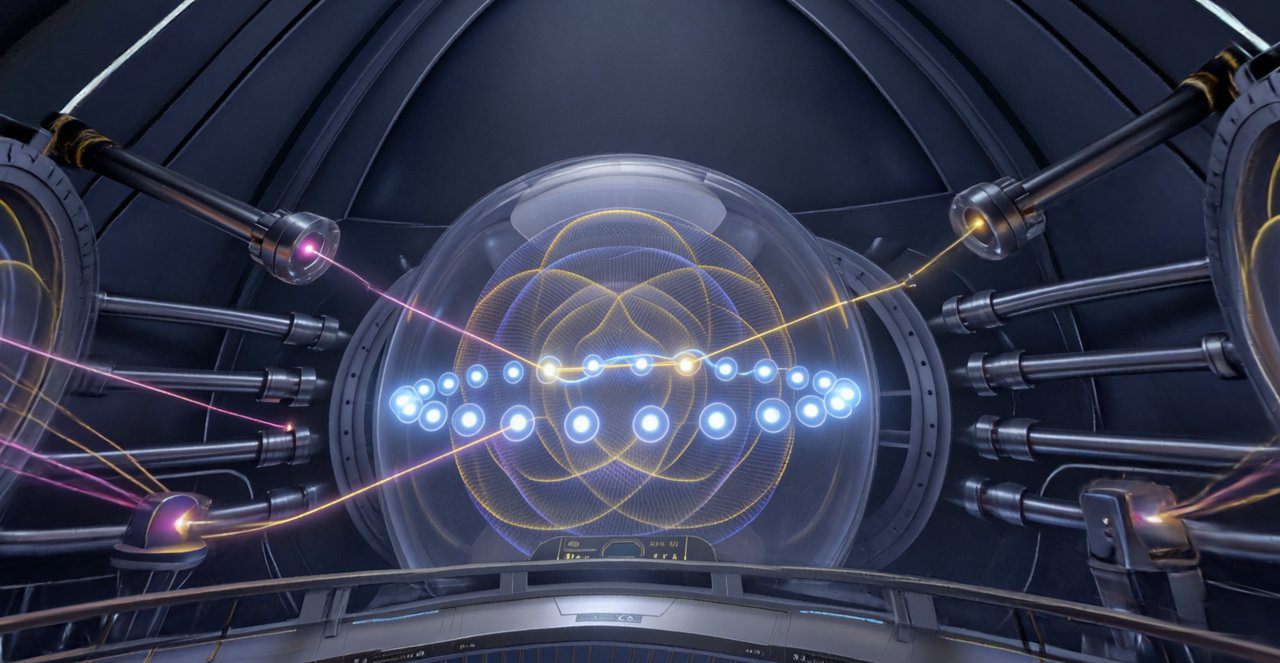
Fig 1: The three generative world models of Quantum Cinema, each showing five navigable views. Top: trapped-ion (teal)—
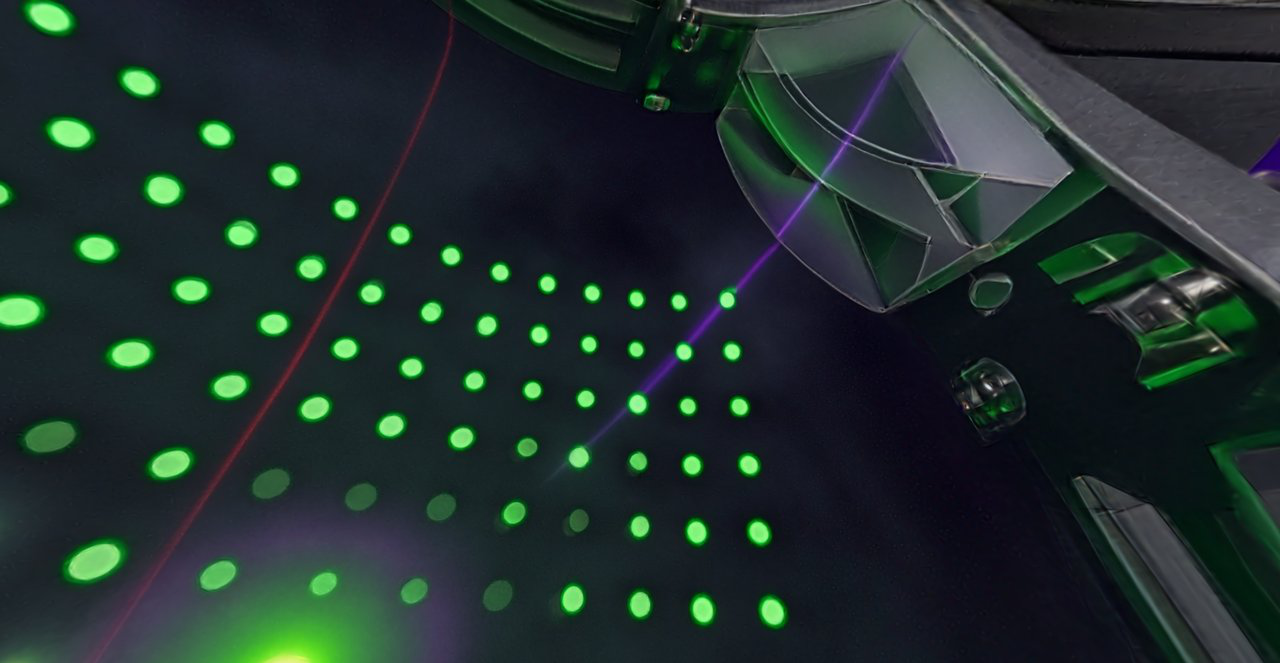
Fig 2 (page 2).
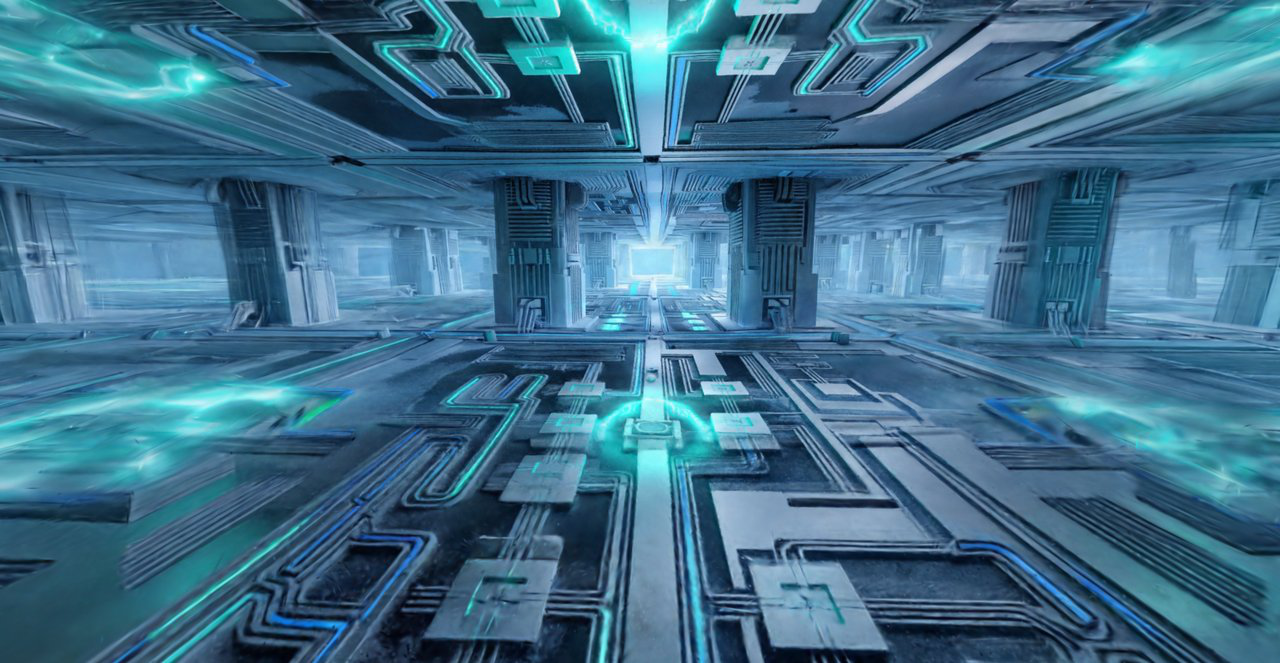
Fig 3 (page 2).
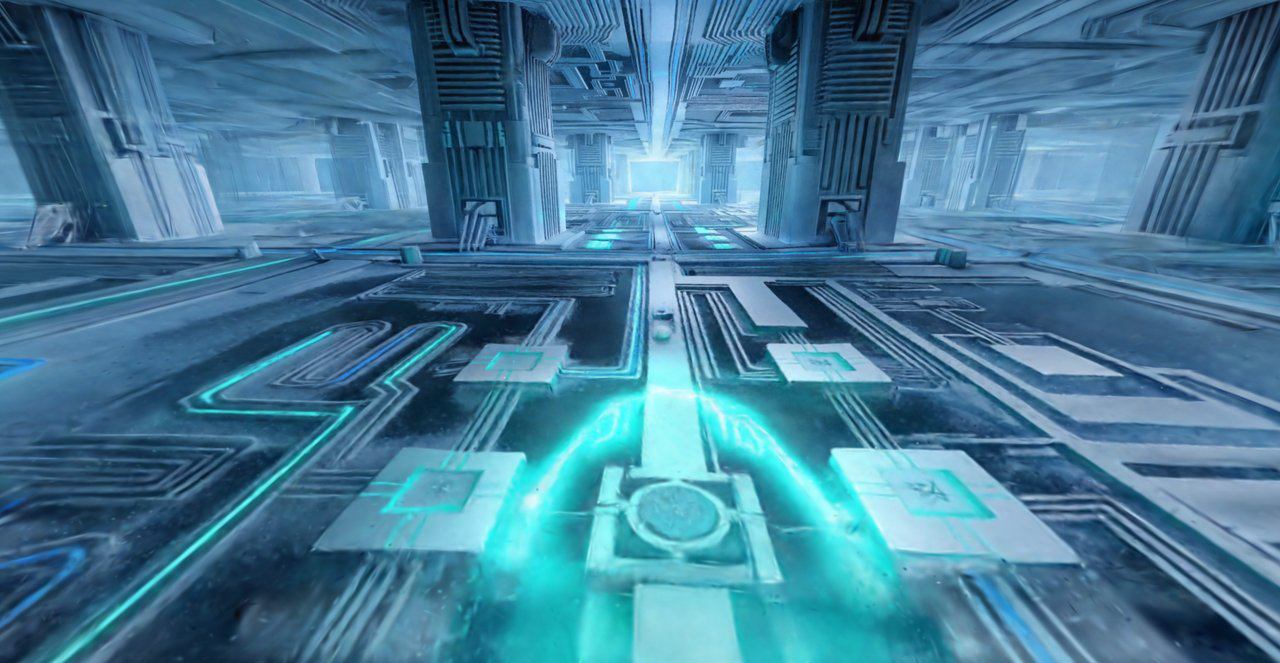
Fig 4 (page 2).
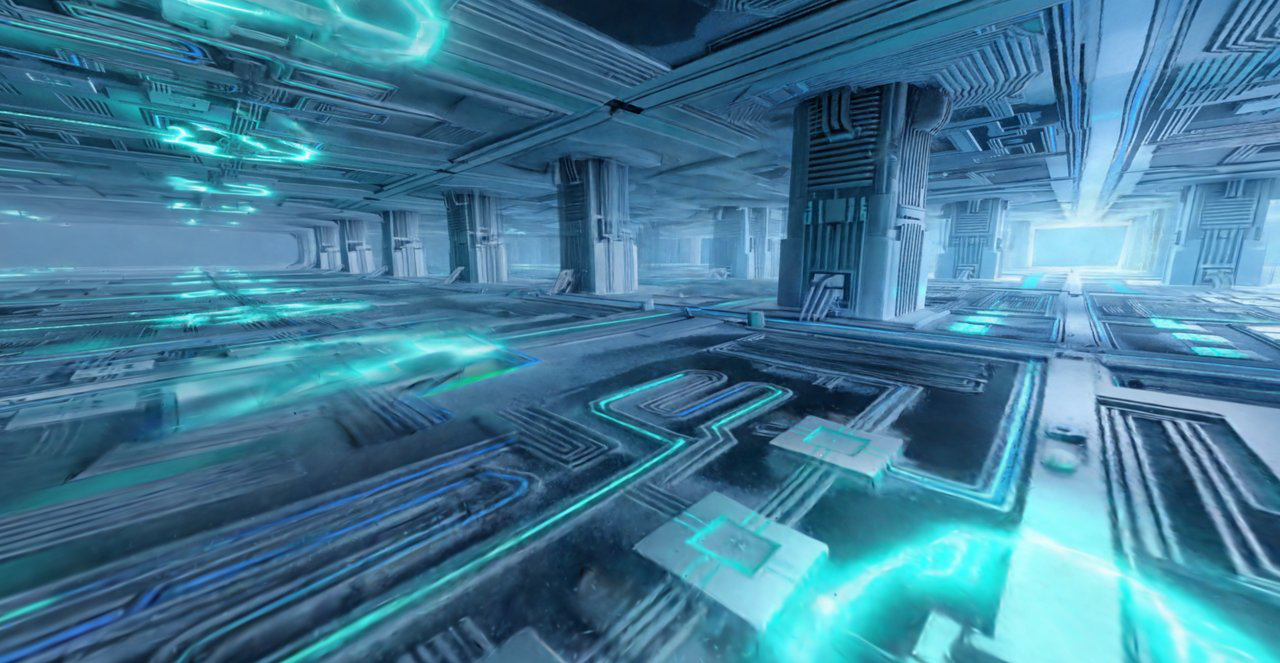
Fig 5 (page 2).
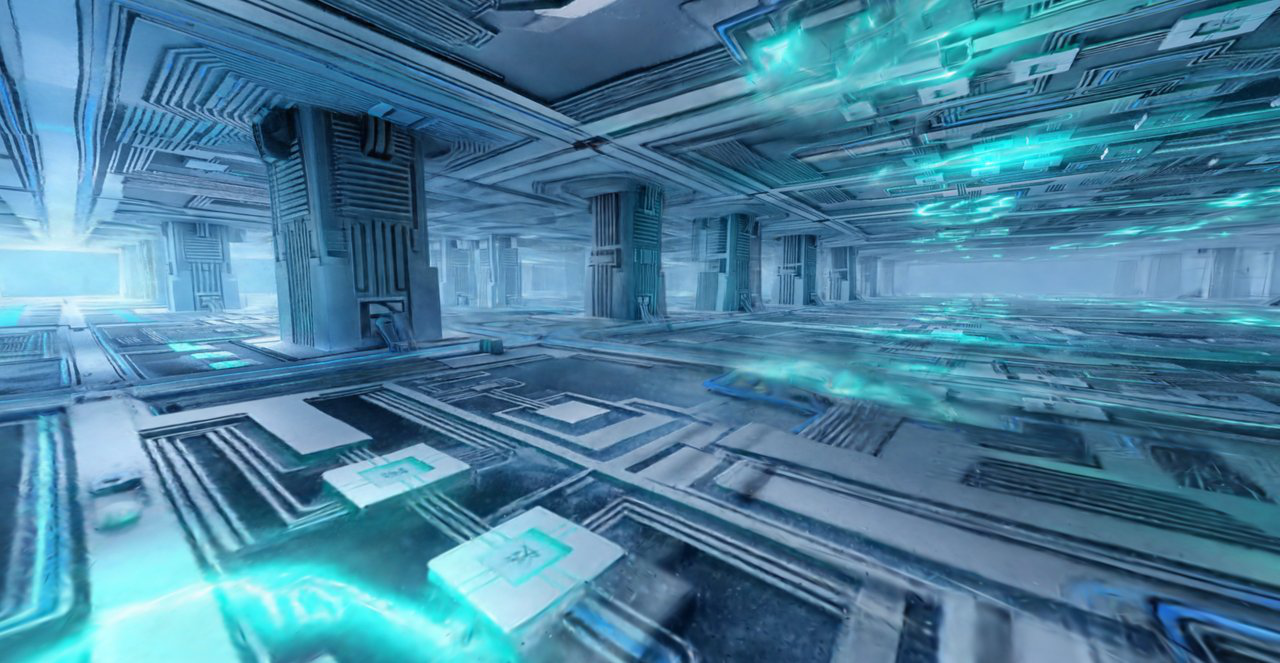
Fig 6 (page 2).
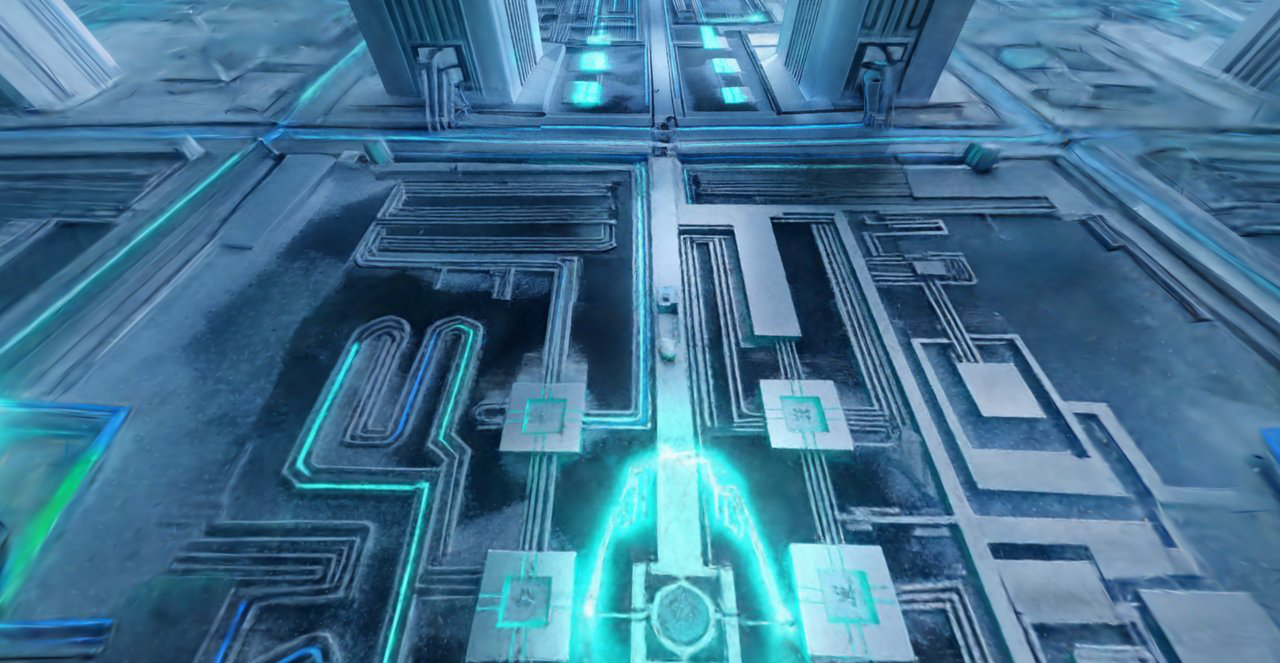
Fig 7 (page 2).
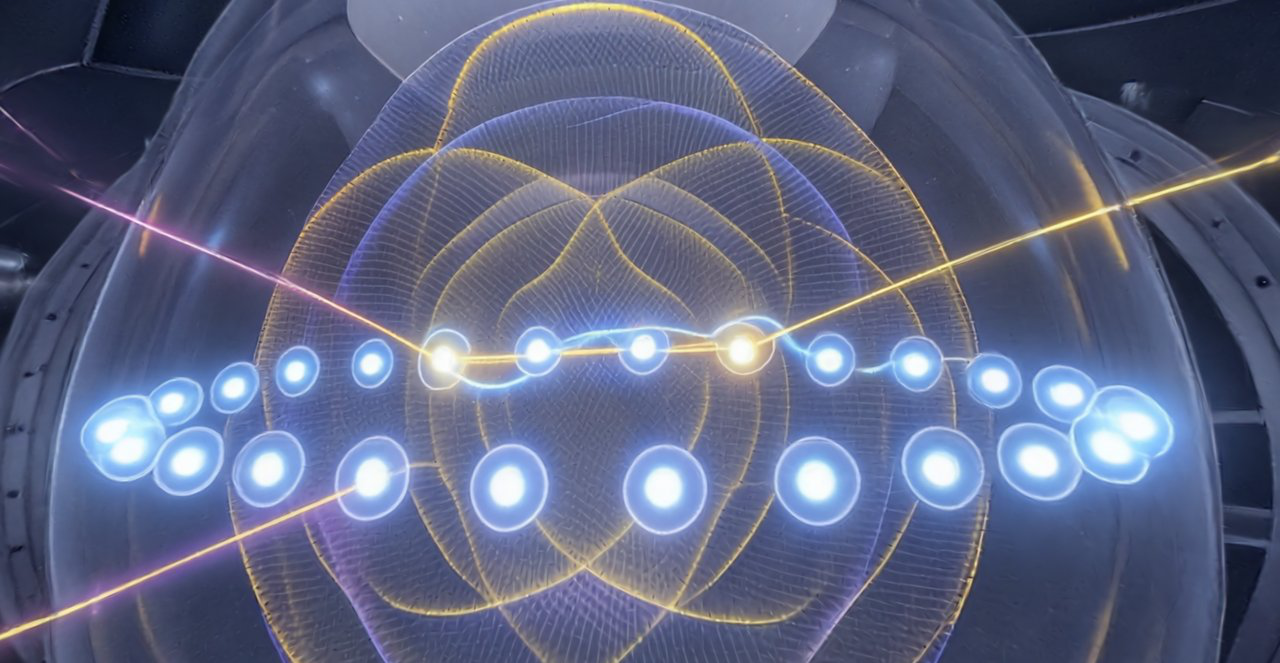
Fig 8 (page 2).
Limitations
- The generative worlds are AI-synthesized, not physics simulations, so visualizations prioritize scientific fidelity but may lack full physical accuracy or dynamic realism.
- No formal user study or quantitative assessment of learning efficacy has been conducted to validate educational impact.
- The platform does not integrate live quantum hardware or real-time quantum data, relying on static published device specifications.
- Dependence on World Labs' proprietary Marble platform may limit reproducibility and extension if API or service terms change.
- Current coverage limited to three quantum architectures; further modalities and hardware variants remain to be incorporated.
- No adversarial robustness or security evaluation, which is outside scope but relevant for cautious deployment in educational contexts.
Open questions / follow-ons
- How effective is the cinematic generative world approach for improving quantum literacy compared to traditional visualizations or VR-based tools?
- Can generative world models be extended to simulate dynamic quantum processes or real-time hardware behavior rather than static environments?
- How might more diverse quantum architectures or emerging quantum devices be incorporated into generative visualizations?
- What are the limits and best practices of prompt engineering to ensure scientific accuracy and pedagogical value in AI-generated scientific worlds?
Why it matters for bot defense
Quantum Cinema exemplifies how generative AI can bridge complex, invisible hardware systems and public understanding using immersive 3D worlds within a fully web-based platform. Bot-defense and CAPTCHA practitioners can draw inspiration from its static-first, scalable cloud architecture that streams AI-generated interactive content without runtime dependencies on live service or proprietary data—an approach enhancing accessibility and reducing attack surface. Additionally, its multi-modal narrative design—combining video, interactive exploration, and quantitative comparison—models effective user engagement strategies that might be adapted for human verification or educational challenges in CAPTCHA systems. While not directly security-oriented, the work highlights the potential of generative AI to create rich, explorable environments that clarify otherwise opaque technological layers, relevant when designing human-facing defenses requiring intuitive interaction.
Cite
@article{arxiv2606_17102,
  title={ Quantum Cinema: An Interactive Cinematic Exploration of Quantum Computing Hardware via Generative World Models },
  author={ Aoyu Zhang and Dongping Liu and Luyao Zhang },
  journal={arXiv preprint arXiv:2606.17102},
  year={ 2026 },
  url={https://arxiv.org/abs/2606.17102}
}