
A coupled finite element formulation for chemo-mechano-thermodynamical contact and its application to bonding and debonding
Source: arXiv:2606.12375 · Published 2026-06-10 · By Roger A. Sauer
TL;DR
This paper addresses the complex problem of modeling contact between two deformable bodies where chemical bonding and thermal effects interact with mechanical contact under large deformations. Building upon a contact theory by Sauer et al. (2022), the work presents a monolithic finite element formulation coupling six fields: deformation and temperature of each body, an interfacial bonding state, and interfacial temperature. The formulation explicitly incorporates the chemo-mechano-thermodynamical interactions governing evolution of bonding and debonding, including effects such as pressure- and temperature-dependent bonding, exothermic/endothermic reactions, thermal expansion and hardening, and simultaneous bonding and debonding. Several elementary material models based on quadratic contact potentials are proposed for the bonding state, extending previous thermo-mechanical and chemo-mechanical contact models. The framework uses both classical and isogeometric shape functions with implicit time integration and full consistent linearization, solved via Newton-Raphson iteration. Challenging 3D numerical examples demonstrate convergence and physical plausibility, including osseointegration and pressure-dependent exothermic bonding. The work advances prior modeling approaches by enabling fully coupled, reversible chemo-mechano-thermal contact with a unifying finite element implementation.
Key findings
- The finite element model couples six fields: deformation (x1, x2), temperature (T1, T2), interfacial bonding state (ϕ), and interfacial temperature (Tc), governed by six coupled PDEs/ODEs (equilibrium, heat equations, bonding evolution, interfacial heat).
- The bonding variable ϕ ranges from 0 (debonded) to 1 (fully bonded) and evolves according to a reaction rate ODE Eq. (7), where reaction rate cr depends on contact pressure and gap (e.g. Eq. 39 for osseointegration).
- The chemo-mechano-thermal contact potential model (Eq. 13) includes mechanical penalty contact energy, chemical bond and debond surface energy densities, and thermal contact heat capacity, enabling simultaneous bonding and debonding.
- Mechanical contact traction tc and chemical potential Mc are fully linearized with respect to gap ge, bonding ϕ, and Tc to facilitate monolithic Newton-Raphson solution (Eqs. 20-24).
- The bonding ODE can be solved analytically at each contact point when reaction rate is fixed (Appendix B), enabling efficient local update of ϕ in some cases (e.g. osseointegration).
- Examples demonstrate the model’s ability to capture pressure- and temperature-dependent bonding, exothermic heat release during bonding, thermal expansion effects, and simultaneous bonding/debonding processes.
- The monolithic finite element implementation supports classical Lagrange and isogeometric NURBS shape functions, enhancing geometric flexibility.
- Local condensation of the bonding variable ϕ is possible when bonding sites are treated as material points, reducing global system size.
Methodology — deep read
Threat model & assumptions: The paper does not explicitly define an adversarial threat model, as it addresses mechanical and thermo-chemical contact mechanics rather than security, but assumes bodies contact mechanically and chemically, with heat generation and dissipation, under large deformation. No frictional sliding is considered in presented formulations. The bonding state ϕ evolves reversibly and is coupled to mechanical and thermal contact states.
Data: The work is theoretical and numerical, not data-driven. No datasets are used. Numerical examples simulate contact of deformable bodies under defined mechanical, thermal, and chemical parameters with specified geometry, material properties, bonding energies, and initial conditions.
Architecture / algorithm: The core model couples six fields governed by balance equations: deformation fields x1, x2 satisfying mechanical equilibrium (I, III); temperature fields T1, T2 satisfying heat conduction equations (II, IV); bonding state ϕ with evolution ODE (V); and interfacial temperature Tc with energy balance (VI). The coupling is realized via a quadratic chemo-mechano-thermodynamical contact potential Ψc(ge,ϕ,Tc) (Eq. 13) comprising mechanical penalty terms, chemical bonding and debonding potentials, and thermal contact heat capacity. Contact traction tc, chemical potential Mc, and entropy Sc are derived from Ψc via variational derivatives (Eqs. 20-22). Two gap vector definitions for sticking (elastic gap) and frictionless contact (normal gap to master surface) are used (Eq. 17). The bonding reaction rate Rc is modeled simply as proportional to chemical potential Mc, modulated by a reaction rate coefficient cr which may depend on contact state (Eq. 6, 39). The thermal contact heat fluxes qc_k are proportional to temperature differences with heat transfer coefficients hk (Eq. 8).
Training regime: N/A, but computational solution is iterative: The nonlinear finite element system is solved monolithically via Newton-Raphson iterations requiring full consistent linearization of all coupled contributions (Eqs. 23-24, Appendix A). Spatial discretization uses classical or isogeometric finite elements with shape functions interpolating displacements, temperature, and bonding state on elements and interfaces (Eqs. 40-48). Temporal integration is implicit and stable, supporting large deformation and transient thermo-chemical effects.
Evaluation protocol: Several challenging 3D numerical examples are presented demonstrating one-way chemo-mechano coupling (e.g. osseointegration), two-way coupling with pressure-dependent bonding, and thermal bonding with exothermic reactions. Convergence and robustness of monolithic scheme are shown. Physically meaningful results on bonding evolution, contact tractions, and temperature fields validate the coupled modeling approach. No formal statistical tests or benchmarks exist since this is a modeling/simulation paper.
Reproducibility: Source code is not explicitly released. The mathematical formulation is thoroughly documented, including full linearization and implementation details in Appendices. Numerical example parameters are provided. The approach builds on prior work by Sauer et al. (2022). It is unclear if code or datasets are publicly available.
Detailed example: The osseointegration model (Sec. 5.1) uses a mechano-sensitive reaction rate function cr(ge) that depends on gap and contact pressure (Eq. 39). This allows one-way coupling where bonding evolves independently affecting only chemical state. At each integration point on the contact surface, Eq. (7) is solved analytically or numerically to update ϕ over time, then used to compute bonding potential and contact traction. The finite element system including mechanical deformation and thermal equations is solved monolithically with the updated contact fields, demonstrating capture of bonding progression and thermal effects between bone and implant.
Overall, the methodology rigorously integrates chemo-mechano-thermal processes into contact finite elements with carefully derived interaction potentials and solution schemes, validated by representative computational experiments.
Technical innovations
- Development of a monolithic finite element formulation coupling six fields (two mechanical, two thermal, one bonding, one interfacial temperature) for large deformation chemo-mechano-thermal contact.
- Introduction of a quadratic chemo-mechano-thermodynamical contact potential enabling simultaneous bonding and debonding with pressure-, gap-, and temperature-dependent reaction rates.
- Full consistent linearization of the coupled finite element equations including bonding state evolution facilitating robust Newton-Raphson solution for strongly coupled multiphysics contact problems.
- Proposal of a mechano-sensitive reaction rate model for bonding evolution tailored to osseointegration applications, allowing efficient local ODE solutions for the bonding field.
- Use of local static condensation to eliminate bonding variables treated as internal material point variables, reducing global system size and computational effort.
Baselines vs proposed
- Classical thermo-mechanical contact models without bonding: modeled as special cases with bonding potential terms set to zero.
- Raous et al. (1999) chemo-mechanical debonding model: bonding variable monotonically increasing (irreversible debonding) vs. proposed model allowing reversible bonding and debonding.
- Xu and Needleman (1993) cohesive zone model extended with chemical field: previous models lack interfacial heat due to bonding reactions, while the proposed model includes exothermic bonding heat explicitly.
- Osseointegration numerical benchmark (Mathieu et al., 2012): proposed mechano-sensitive bonding reaction model reproduces expected bonding dependence on contact pressure and gap, improving upon models without chemo-thermal coupling.
Figures from the paper
Figures are reproduced from the source paper for academic discussion. Original copyright: the paper authors. See arXiv:2606.12375.
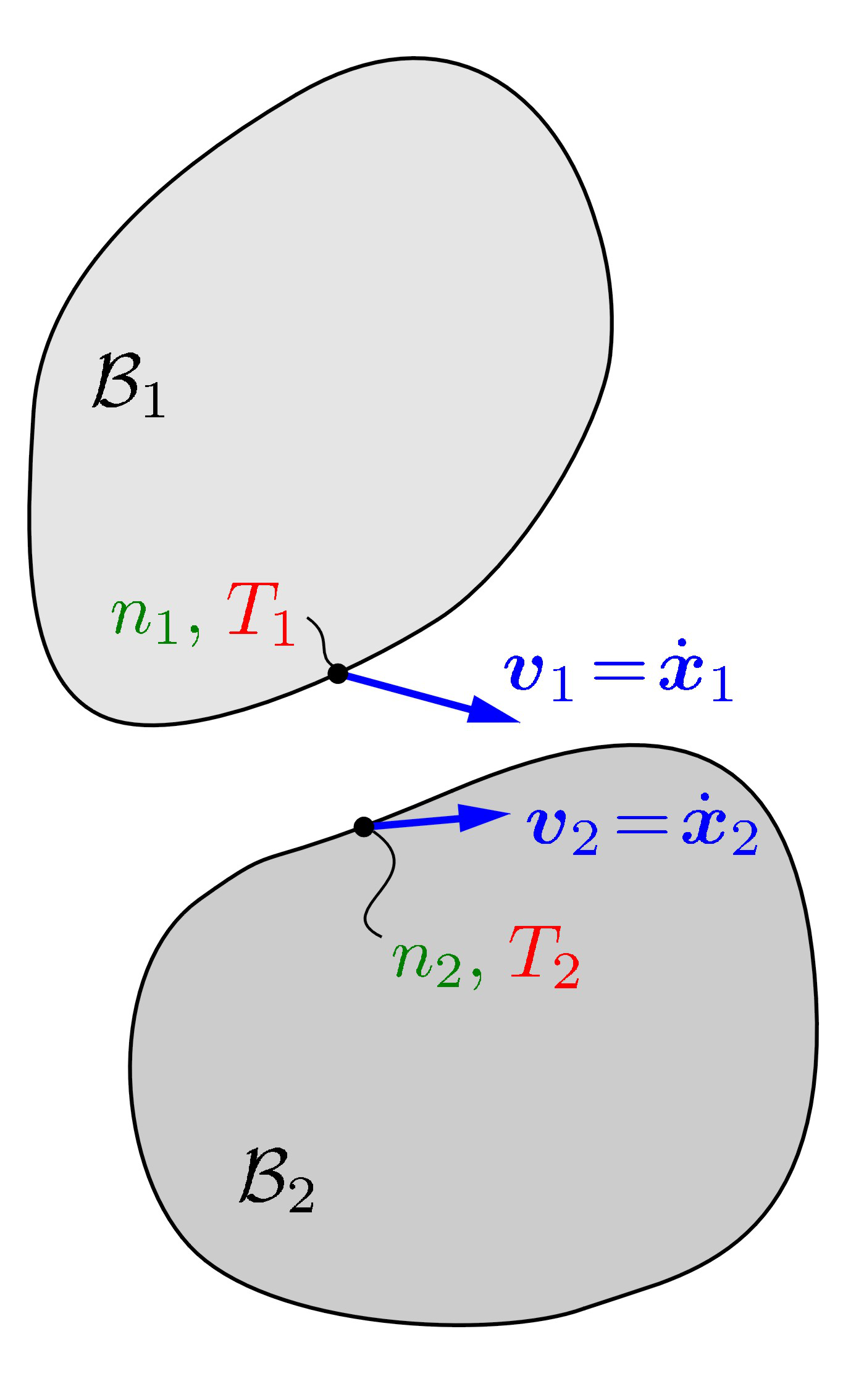
Fig 1: Coupled chemo-mechano-thermodynamical contact setup (Sauer et al., 2022): (a) bodies
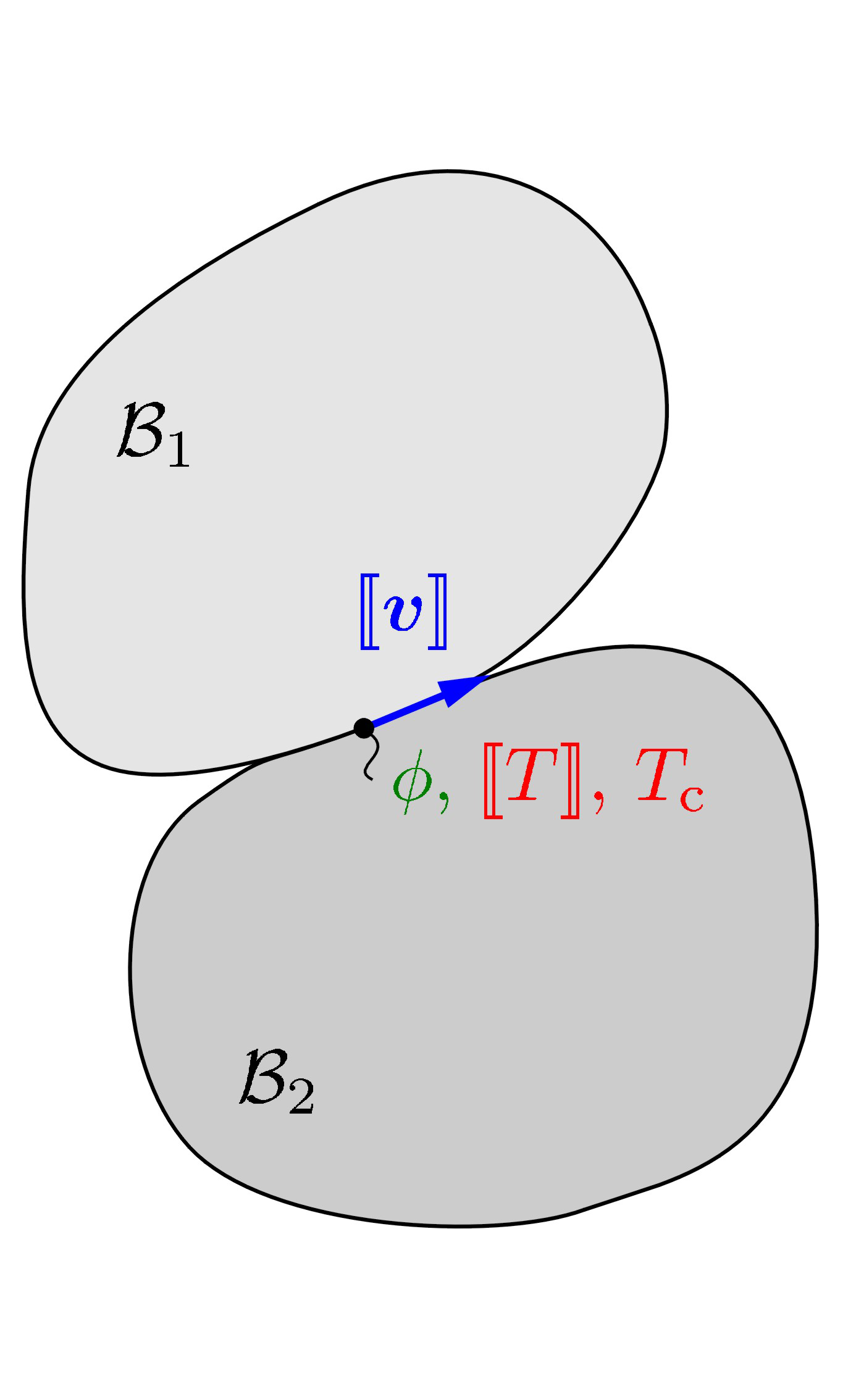
Fig 3: The thermal contact state is characterized by the temperature jump [[T]] := T2 −T1
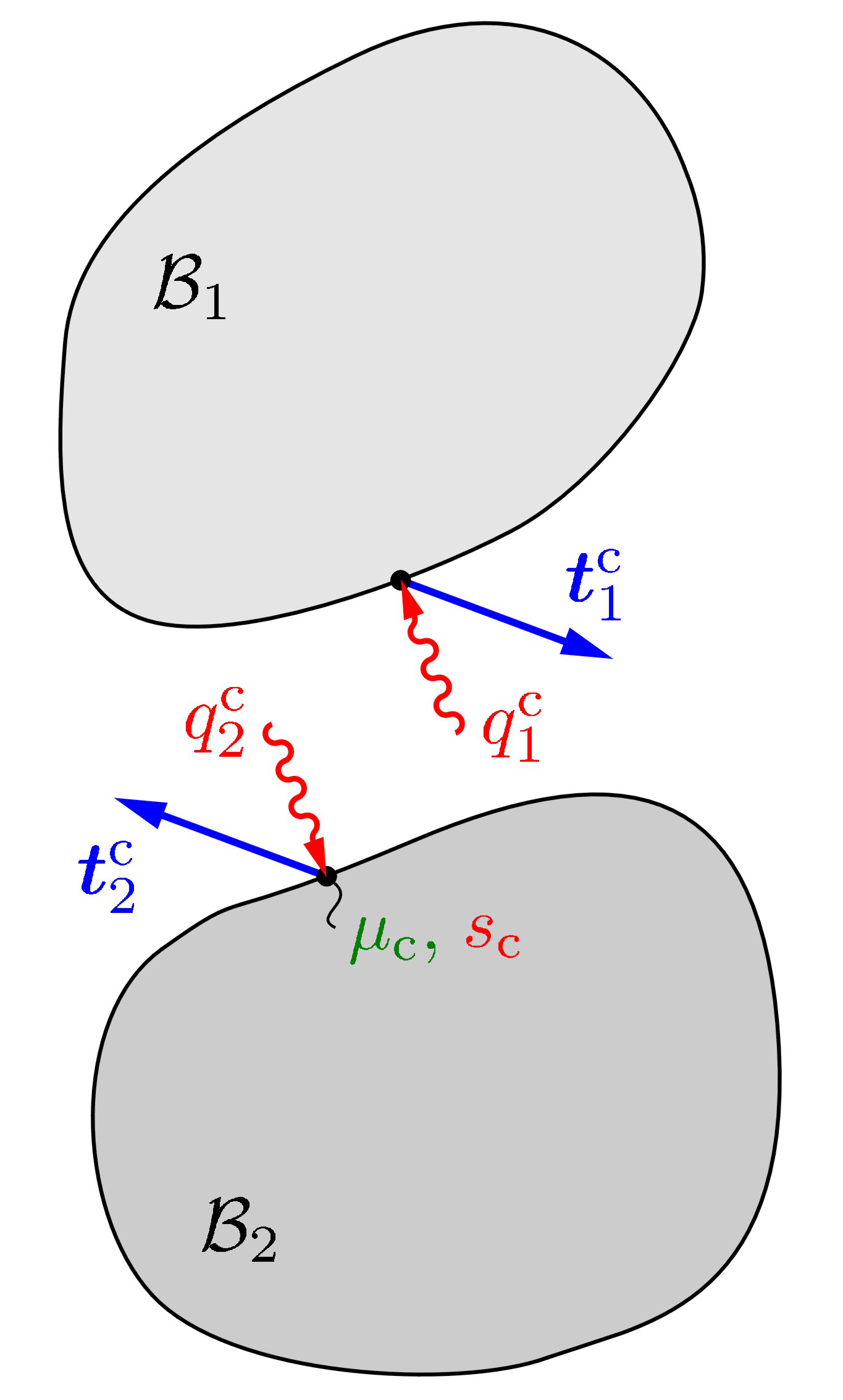
Fig 2: Coupled chemo-mechano-thermodynamical contact interactions: In the contact interface
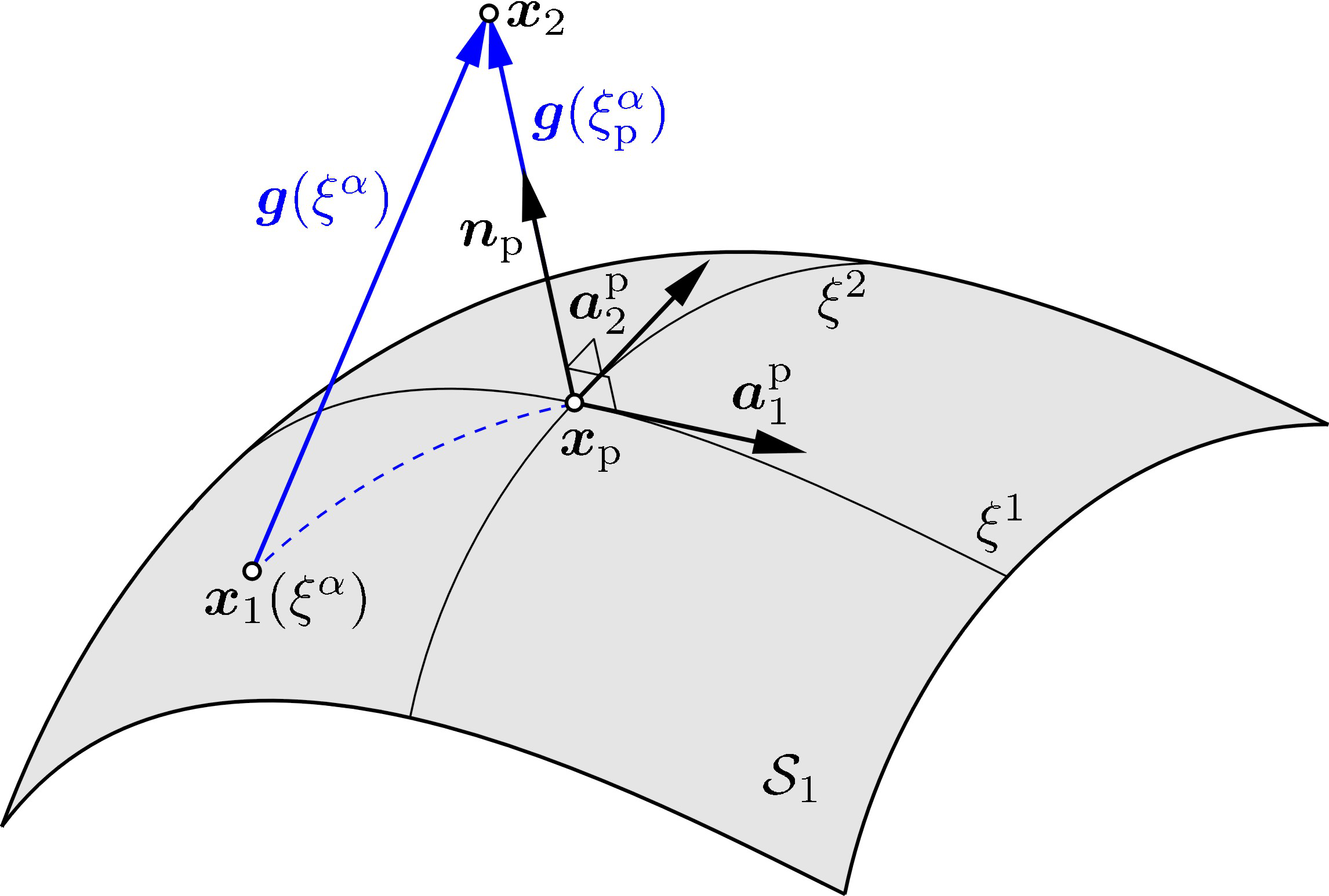
Fig 4 (page 5).
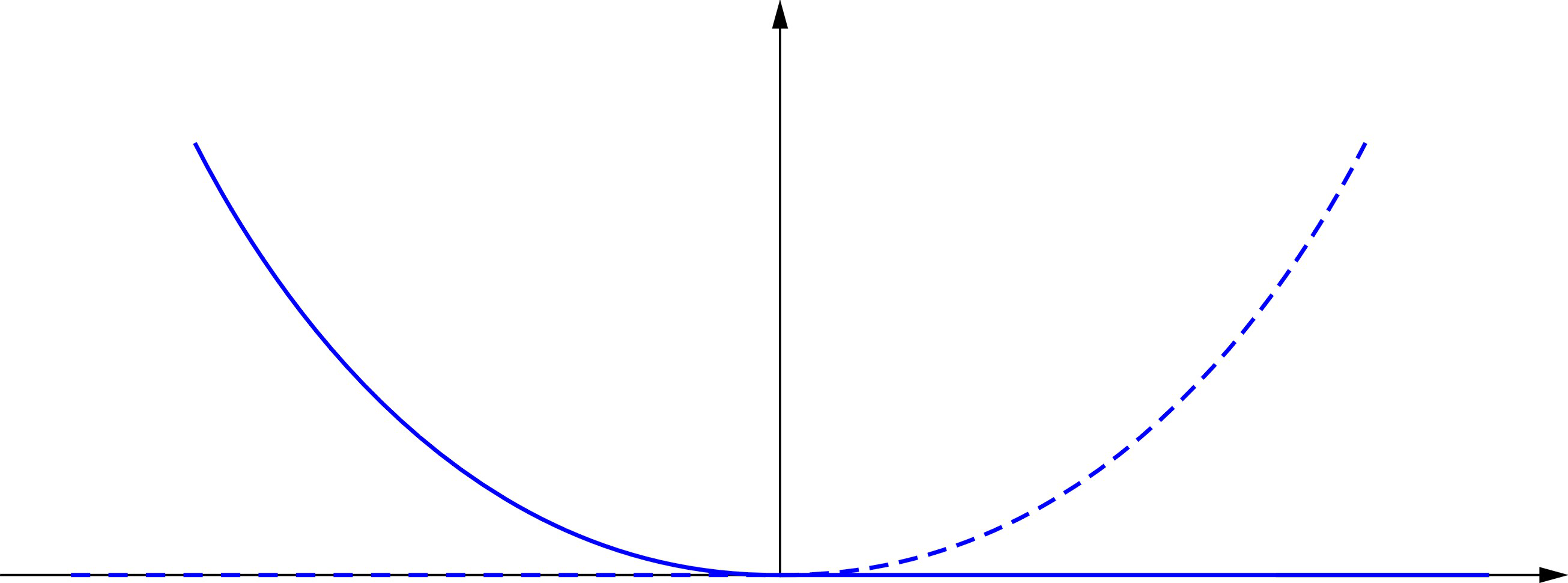
Fig 4: Mechanical contact constitution: Separation-dependent debonding potential ←−
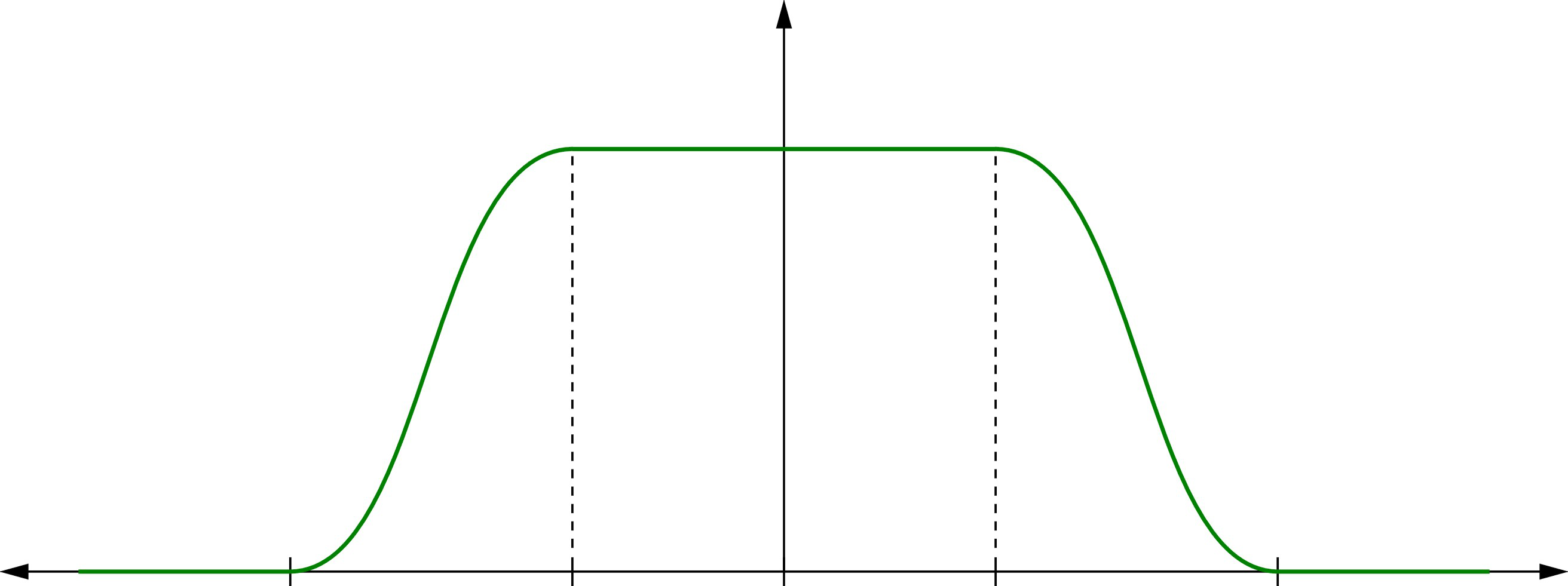
Fig 5: Mechano-sensitive osseointegration: Dependency of the bonding reaction rate −→k = cr
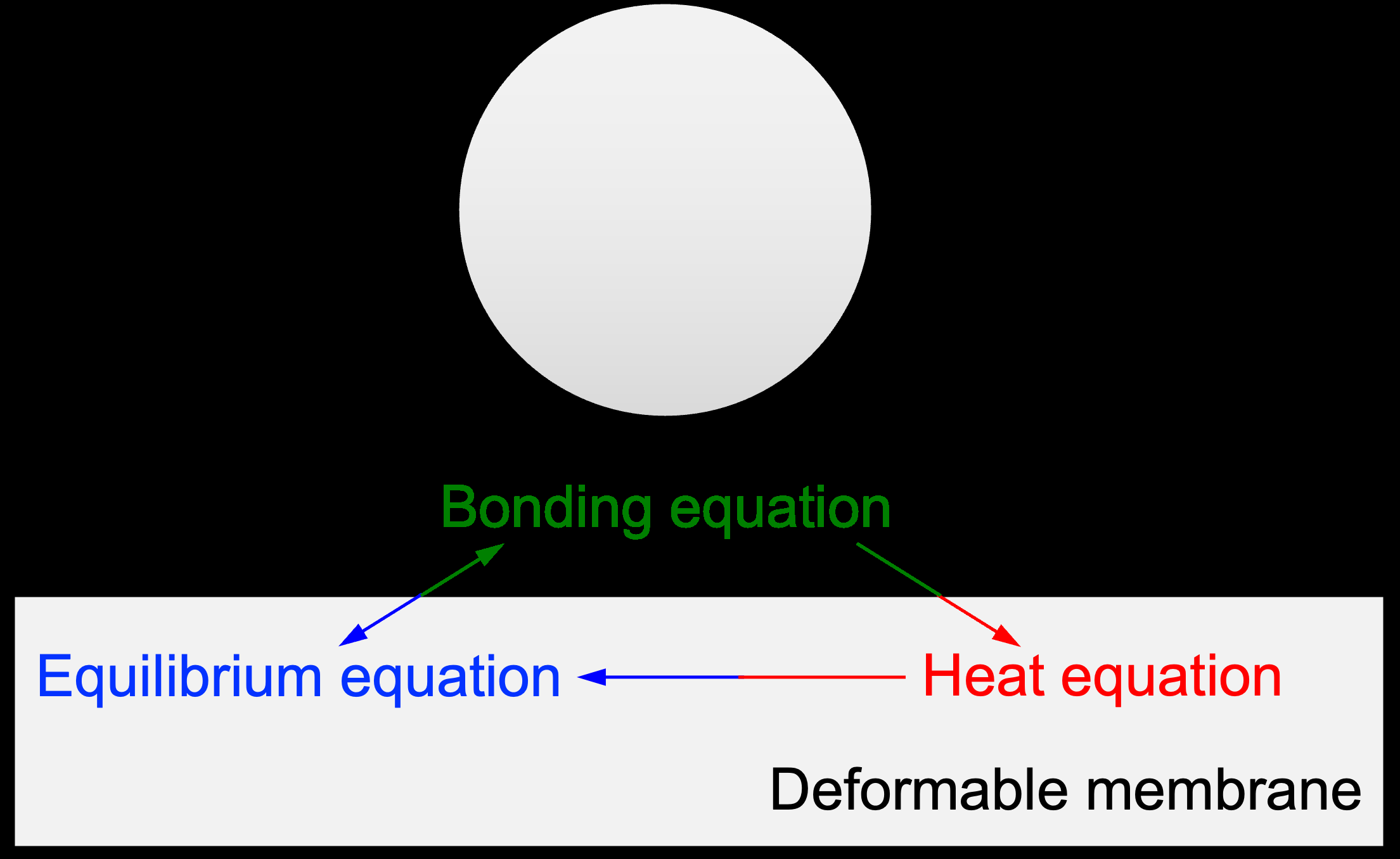
Fig 6: Numerical coupling examples: (a) one-way chemo-mechanical coupling (Sec. 5.1); (b) two-way
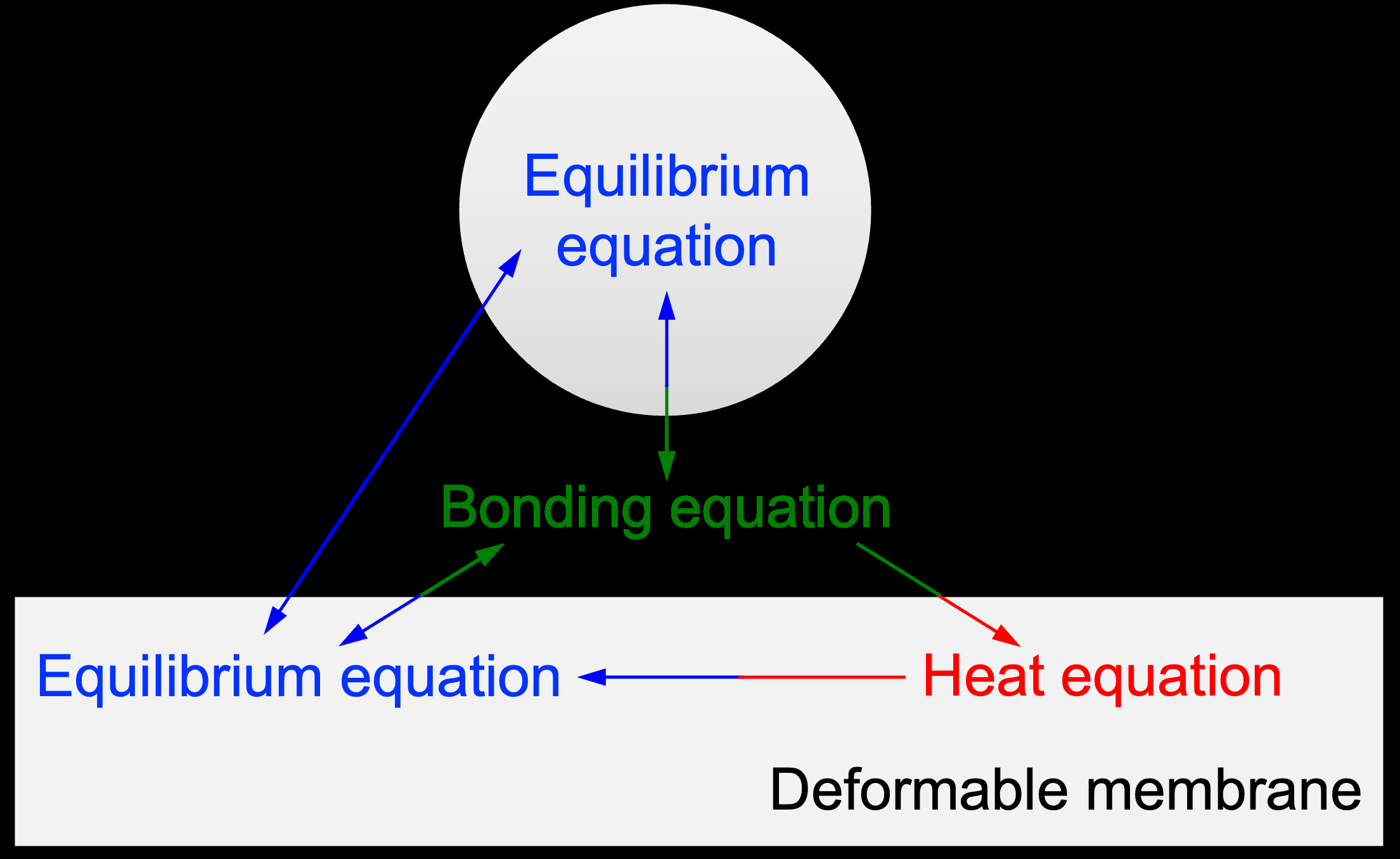
Fig 7: Osseointegration example: (a) Experimental setup of Mathieu et al. (2012), (b) implant
Limitations
- No frictional sliding or associated mechanical dissipation is considered in this formulation, limiting applicability to purely sticking or frictionless contact.
- The bonding reaction rate model is mostly phenomenological and simplistic (e.g., linear proportionality to chemical potential) and may require more complex kinetics for some applications.
- Thermal conduction in the interface is modeled with simplified heat transfer coefficients, possibly ignoring microscale heterogeneities or phase changes.
- No explicit treatment of wear, plasticity, or damage evolution within the bulk materials beyond thermal softening/hardening.
- No direct validation against experimental measurements or comprehensive benchmarking beyond illustrative numerical examples.
- The finite element implementation details beyond formulation and small example setups are not fully public, limiting reproducibility.
Open questions / follow-ons
- How can frictional sliding with heat generation and associated chemo-mechanical coupling be incorporated into the fully coupled large deformation framework?
- Can the bonding reaction kinetics be extended to multi-step chemical reactions, diffusion-limited processes, or include phase transformations at the interface?
- How does the proposed model perform and scale for highly heterogeneous or rough surfaces with multiple bonding site types or spatially varying properties?
- What are the implications of coupling this chemo-mechano-thermal contact formulation with bulk plasticity, damage, and fracture models for failure prediction?
Why it matters for bot defense
Although the work is not directly related to bot-defense or CAPTCHA systems, its rigorous multidisciplinary coupling methodology for modeling interfaces under complex interacting physical fields offers useful insights for designers of robust multi-sensor fusion or anomaly detection systems that must integrate heterogeneous data streams. The demonstrated monolithic solution approach and full consistent linearization for strongly coupled nonlinear systems could inspire techniques to unify multiple sensor modalities in security applications, where mechanical, thermal, and chemical sensory inputs analogously represent different behavioral or environmental invariants. Additionally, the idea of evolving bonding states under dynamic interactions might metaphorically relate to learning dynamic trust or connection strengths in bot behavior models. However, direct applications would require translation from physical contact modeling to digital interaction contexts.
Cite
@article{arxiv2606_12375,
  title={ A coupled finite element formulation for chemo-mechano-thermodynamical contact and its application to bonding and debonding },
  author={ Roger A. Sauer },
  journal={arXiv preprint arXiv:2606.12375},
  year={ 2026 },
  url={https://arxiv.org/abs/2606.12375}
}