
Cosmography of the Sloan Basin of Attraction and Neighborhood
Source: arXiv:2606.04578 · Published 2026-06-03 · By Daniel Pomarede, R. Brent Tully, Aurelien Valade, Noam Libeskind, Yehuda Hoffman
TL;DR
This study focuses on detailed cosmographic mapping of the Sloan Great Wall (SGW) and its associated large-scale structure through probabilistic reconstruction of cosmic density and velocity fields. Using the Cosmicflows-4 (CF4) dataset of galaxy distances and radial velocities, the authors apply a Hamiltonian Monte Carlo (HMC) forward-modeling approach within a ΛCDM framework to infer 3D velocity and density fields. They identify and characterize basins of attraction (BoA) — volumes where velocity streamlines converge towards gravitational potential minima — assigning probabilities that reflect observational uncertainties and ΛCDM stochasticity. The Sloan basin of attraction emerges as the largest structure in the surveyed volume, spanning approximately 0.13c in diameter. This basin is defined by velocity streamlines, density peaks, and the filamentary V-web network derived from velocity shear.
The work advances beyond earlier local reconstructions (z < 0.05) by probing the more distant northern galactic region (z > 0.05) uniquely covered by SDSS peculiar velocity data. The Sloan BoA includes many well-studied superclusters and clusters, with streamlines notably terminating in the Scl 126 supercluster rather than the highest density Scl 111 (Virgo-Coma) region. The study also elucidates relationships among adjacent BoA (e.g., Serpens Caput, Hercules, Corona Borealis) and their connectivity through filaments in the V-web skeleton. Finally, the authors relate the large-scale Sloan structures to the Ho’oleilana baryon acoustic oscillation (BAO) shell, highlighting how BAO features span multiple BoA boundaries due to their large scale. The paper supplements results with videos and interactive 3D visualizations.
Key findings
- The Sloan basin of attraction is the largest identified BoA in the CF4 volume beyond 14,000 km/s, extending roughly 0.13c (~39,000 km/s) in diameter (Fig. 3, 4).
- Streamlines within the Sloan BoA systematically converge on the Scl 126 supercluster, despite Scl 111 (Virgo-Coma) showing higher peak density and more ACO clusters (Fig. 6).
- The CF4 galaxy group counts and HMC-inferred density peak at the Sloan Great Wall are consistent, with the density peak offset by about −200 km/s in redshift space relative to galaxy counts (Fig. 5).
- The V-web velocity shear analysis reveals a filamentary network connecting all major BoA, including Sloan and its neighbors, with flow reversal zones at BoA boundaries (Figs. 11, 12).
- Four additional major BoA adjacent to Sloan are robustly identified at p=0.5: Corona Borealis+19.6, Serpens Caput+26.2, Hercules+28.6, and Leo+23.2 (Fig. 3).
- BAO-scale structure, the Ho’oleilana shell (~100/h Mpc radius), overlaps the Sloan BoA and others, crossing BoA boundaries freely, indicative of larger-scale tidal mixing effects (Fig. 13).
- Probabilistic BoA boundaries demonstrate high stability to changes in probability threshold p, especially for the larger Sloan basin and its neighbors (Section 6).
- Streamlines seeded at the Coma cluster show dissociation among main sinks: 40% end in Shapley, 1/3 in Hercules, and 1/4 in CfA Great Wall BoA, highlighting multi-attractor dynamics near z∼0.03−0.05.
Threat model
n/a — This paper is not a security-focused work but rather a cosmological reconstruction study; uncertainties stem from observational errors and astrophysical model limitations, with no adversarial actors involved.
Methodology — deep read
Threat Model & Assumptions: The study assumes a standard ΛCDM cosmology with uniform cosmological parameters and mass distribution on large scales. The adversarial scenario here is replaced by data uncertainties and model stochasticity—there is no malicious adversary but uncertainties in galaxy distance measurements and cosmic variance. The method assumes linear theory for velocity field inference and that peculiar velocities arise solely from gravitational potential perturbations.
Data: The primary data source is the Cosmicflows-4 (CF4) compendium, which contains 56,000 galaxy distance measurements compiled from diverse methods (Fundamental Plane (FP), Tully-Fisher (TF), Type Ia supernovae). These are grouped into 38,000 clusters/groups to improve signal-to-noise. The CF4 collection covers redshifts out to z~0.1 with best all-sky coverage at z < 0.05 and unique northern galactic cap coverage from SDSS peculiar velocity catalogs for 0.05 < z < 0.1 (Howlett et al. 2022). Preprocessing generates line-of-sight peculiar velocities estimated as V_pec = V_obs − H0 * d. Statistical treatment accounts for ~20% distance errors (dominant uncertainty).
Algorithm & Architecture: The core computational approach is a Hamiltonian Monte Carlo (HMC) Bayesian forward-modeling method called HAMLET (Valade et al. 2022, 2023). The algorithm produces 1000 plausible realizations of 3D cosmic density and velocity fields constrained simultaneously by CF4 radial velocities and a ΛCDM prior power spectrum for density fluctuations. The model incorporates a linear perturbation theory velocity-density relation and probabilistic assignment of velocity streamlines to gravitational potential minima (sinks). Streamlines are seeded at arbitrary spatial coordinates and integrated forward to map coherent basins of attraction (BoA).
Training Regime: Not a machine learning model but a Bayesian inference scheme; results represent ensemble means and variances from Markov Chain Monte Carlo sampling. Computational specifics (epochs, batch size) are not applicable, but prior work indicates significant HPC usage. The initial seed strategy involves random spatial seeding of streamlines and priors consistent with cosmology.
Evaluation Protocol: Metrics center on consistency between inferred density peaks and galaxy redshift overdensities, probabilistic volumes of BoA at thresholds p=0.25, 0.5, 0.75, and spatial stability of basins under probability variations. The V-web eigenvalue decomposition is compared qualitatively to HMC density to validate filamentary structure. No explicit statistical hypothesis testing is reported.
Reproducibility: The paper does not explicitly mention public code release or frozen weights due to the nature of a Bayesian forward modeling tool that builds on prior cosmology and observational data. CF4 data is publicly referenced but subject to usage agreements; interactive 3D models and video supplements are provided. Exact pipeline and computational environment details are limited.
Concrete Example: Starting with CF4 radial velocity data at positions within the northern galactic cap at z ~ 0.05-0.1 (SDSS PV catalog region), streamlines are initialized randomly in 3D space within the HMC ensemble mean velocity field. Each streamline is numerically integrated following the velocity flow to gravitational sinks. The volume of space whose streamlines terminate at a common sink is identified as a BoA, like the prominent Sloan BoA. Probabilistic boundaries are mapped by evaluating streamline termination frequency across the 1000 HMC samples. Subsequently, comparison of the BoA to galaxy overdensity maps and filament structures from V-web eigenanalysis validates the gravitational basin interpretation. The Sloan BoA notably shows streamlines bypassing the densest Virgo-Coma core toward the Scl 126 supercluster sink, revealing complex flow dynamics within the large-scale structure.
Technical innovations
- Application of Hamiltonian Monte Carlo Bayesian forward modeling (HAMLET) to jointly infer probabilistic 3D cosmic density and velocity fields constrained by the extensive Cosmicflows-4 peculiar velocity dataset.
- Definition and probabilistic characterization of basins of attraction (BoA) from velocity streamline sinks, quantifying uncertainties induced by observational errors and ΛCDM model stochasticity.
- Integration of the velocity shear (V-web) eigenvalue decomposition with the HMC density-velocity reconstructions to delineate the filament and knot network connecting large-scale basins of attraction.
- Combination of dynamical reconstructions with large-scale structure catalogs (e.g., Abell clusters, superclusters) and baryon acoustic oscillation (BAO) features (Ho’oleilana shell) to probe multi-scale cosmographic relationships.
Datasets
- Cosmicflows-4 (CF4) — 56,000 galaxy distances, 38,000 grouped radial velocities — public compilation from diverse distance indicators
- SDSS peculiar velocity catalog (Howlett et al. 2022) — subset of CF4 covering 0.05 < z < 0.1 in northern galactic cap — public through SDSS
- Abell cluster catalogs — cluster positions and x-ray properties — public astronomical catalogs
Baselines vs proposed
- Galaxy number counts in the CF4 beam around Scl 111 supercluster: Gaussian peak at 22,550 km/s; inferred HMC density peak at 22,350 km/s (−200 km/s shift) with consistent variance ~1,200 km/s.
- p=0.5 BoA volumes (probability shells) for Sloan BoA vs adjacent BoA: Sloan BoA volume is largest by a factor >2 over next largest, illustrating prominence in CF4 volume (Fig. 3).
- Velocity streamline termination fraction from Coma cluster source: 40% in Shapley BoA vs 33% in Hercules BoA vs 25% in CfA Great Wall BoA.
- Stability of BoA volume boundaries versus probability fraction p: Sloan BoA boundaries show minor changes moving from p=0.25 to p=0.75, indicating robust basin delineation.
Figures from the paper
Figures are reproduced from the source paper for academic discussion. Original copyright: the paper authors. See arXiv:2606.04578.
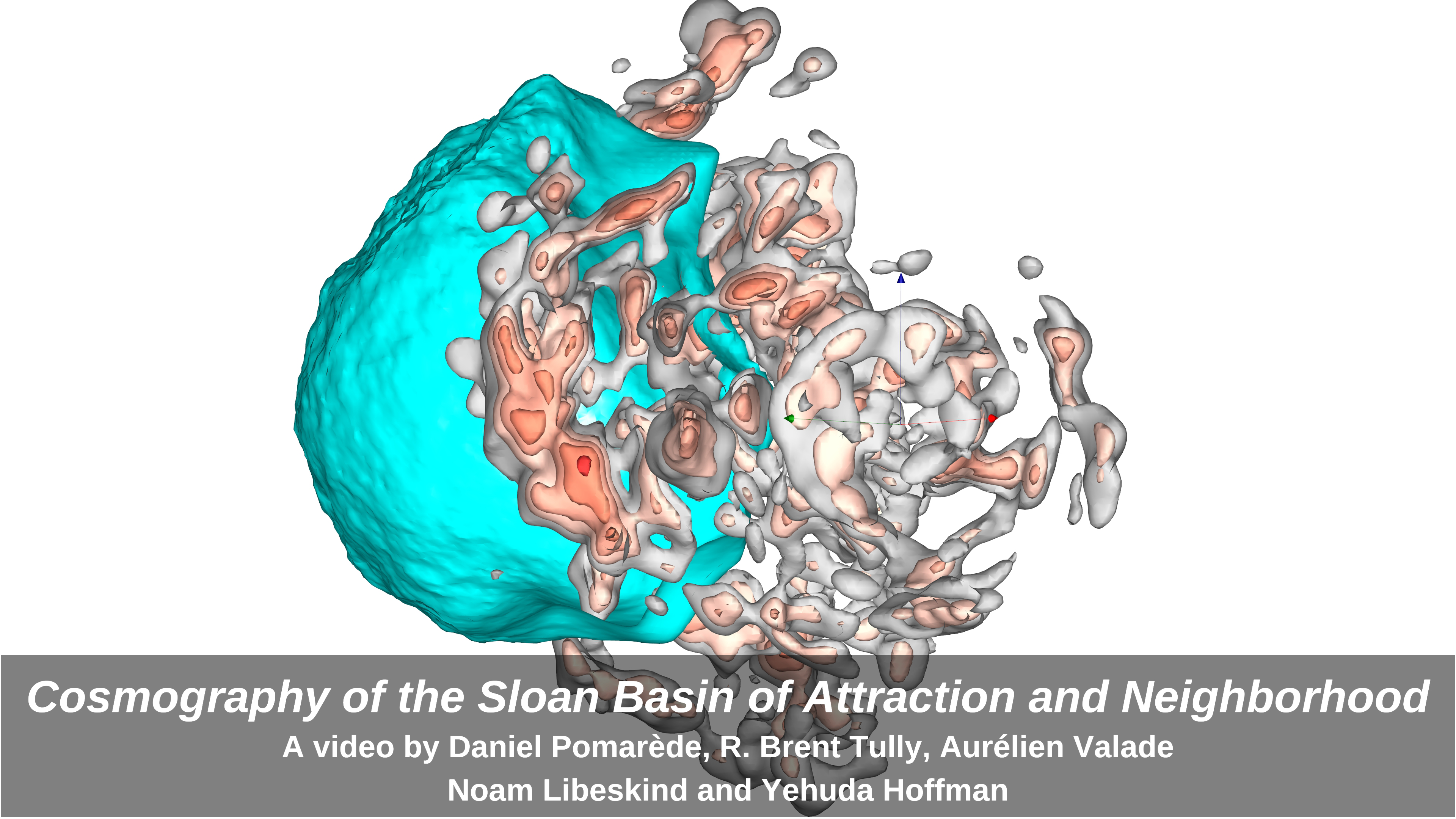
Fig 1: Video visualization of the cosmography of the Sloan
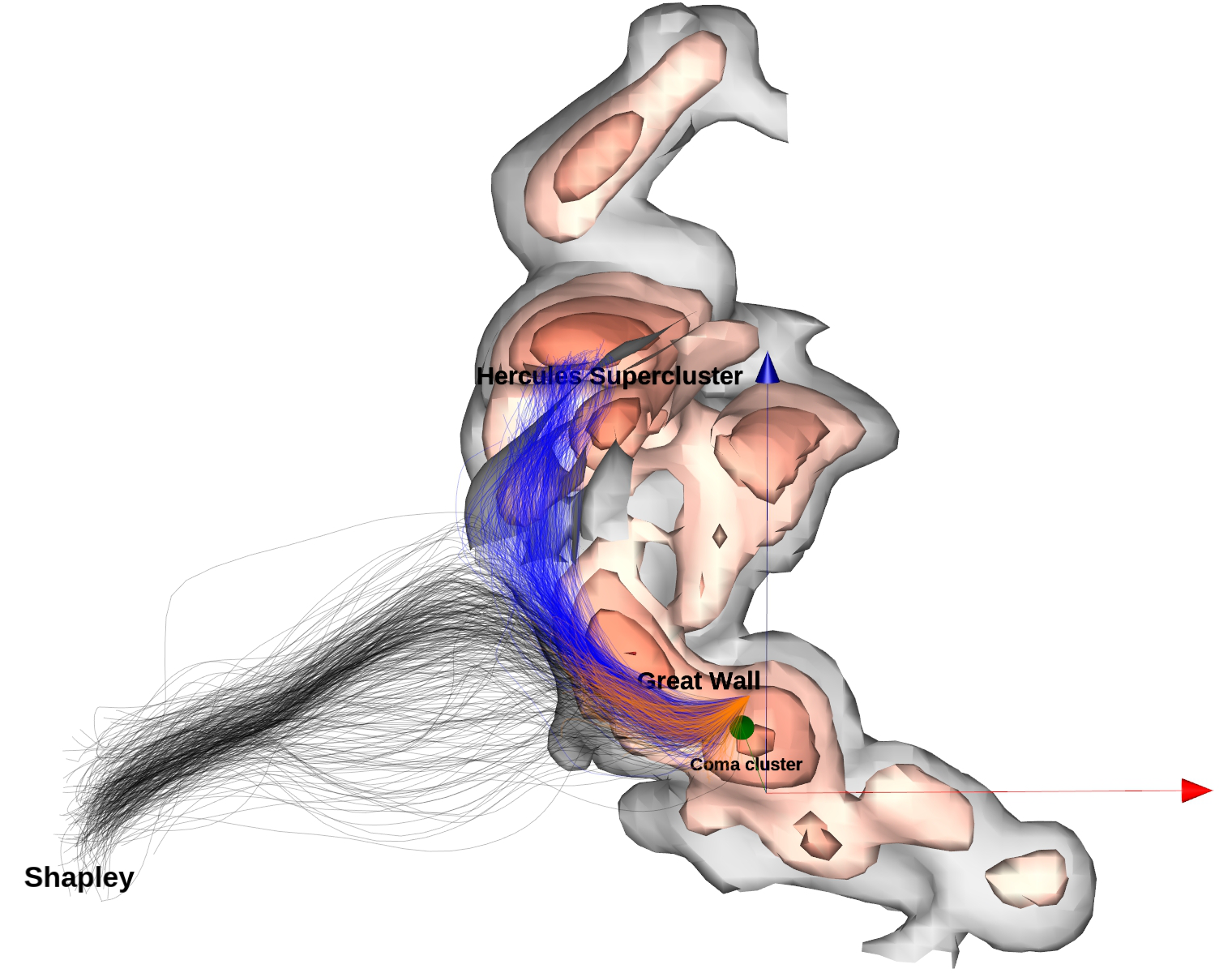
Fig 2: Contours of over density involving the CfA Great Wall
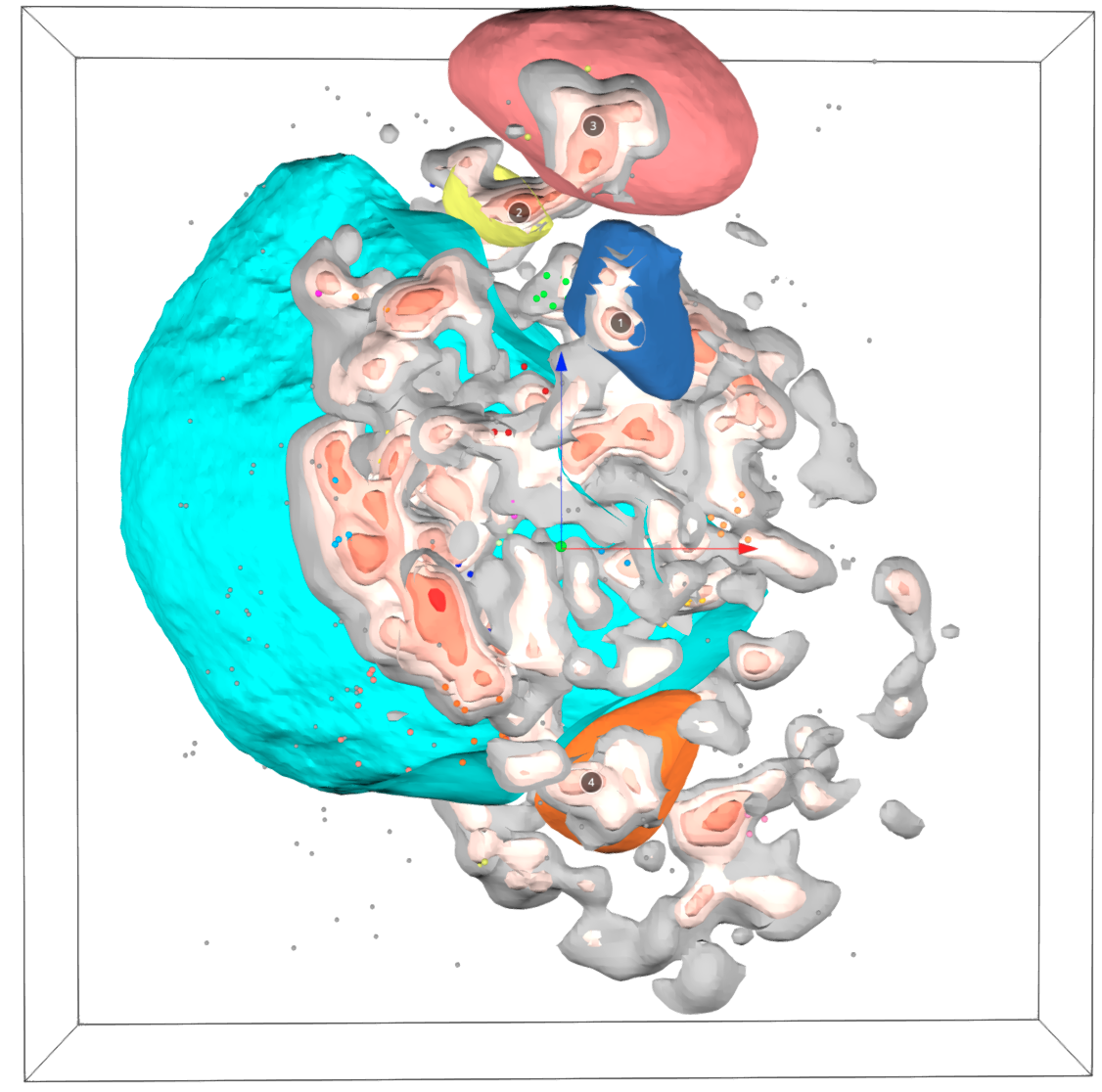
Fig 3: Shells of basins of attraction at the probability level
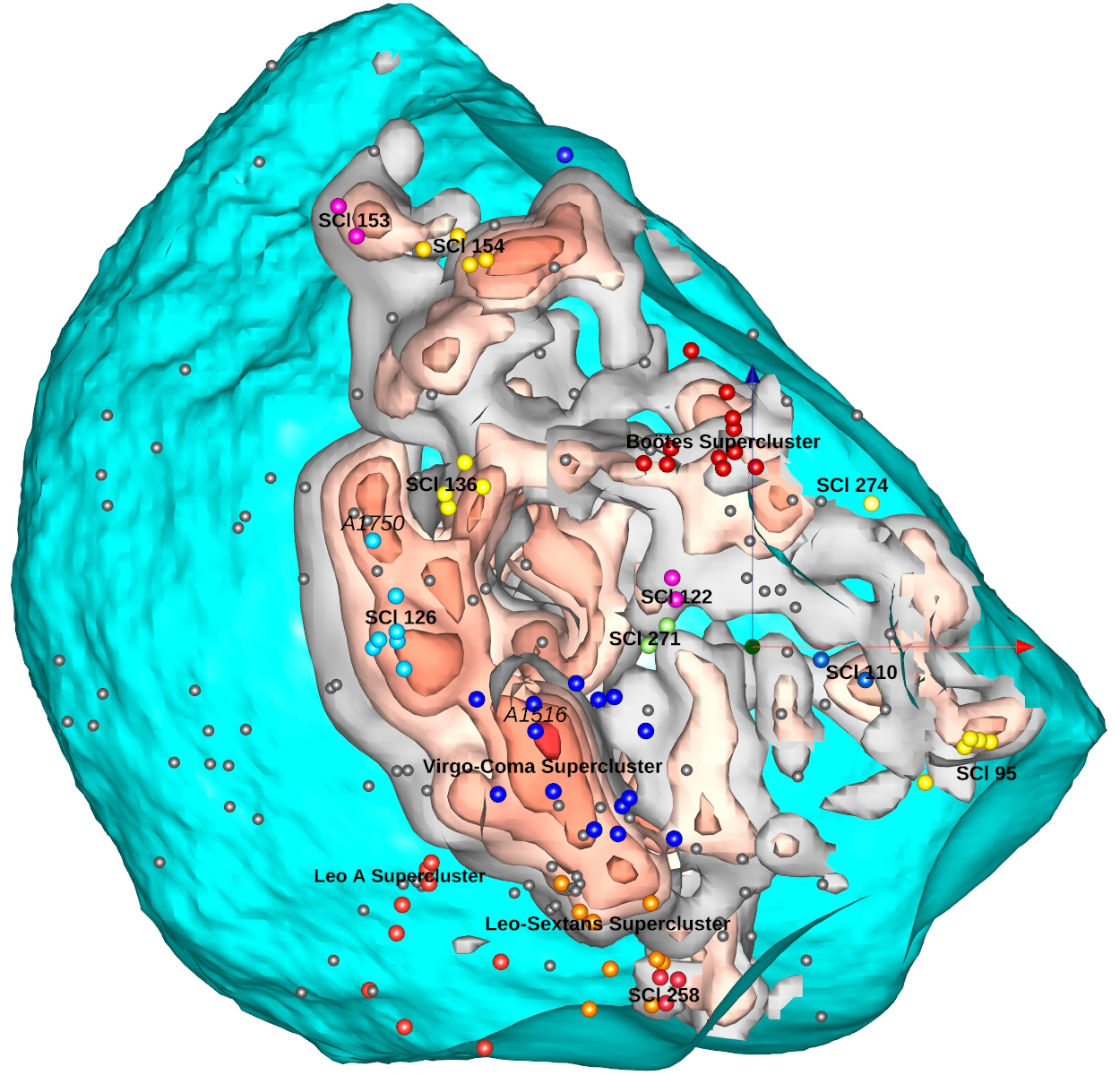
Fig 4: The p = 0.5 shell of the Sloan BoA, the average of
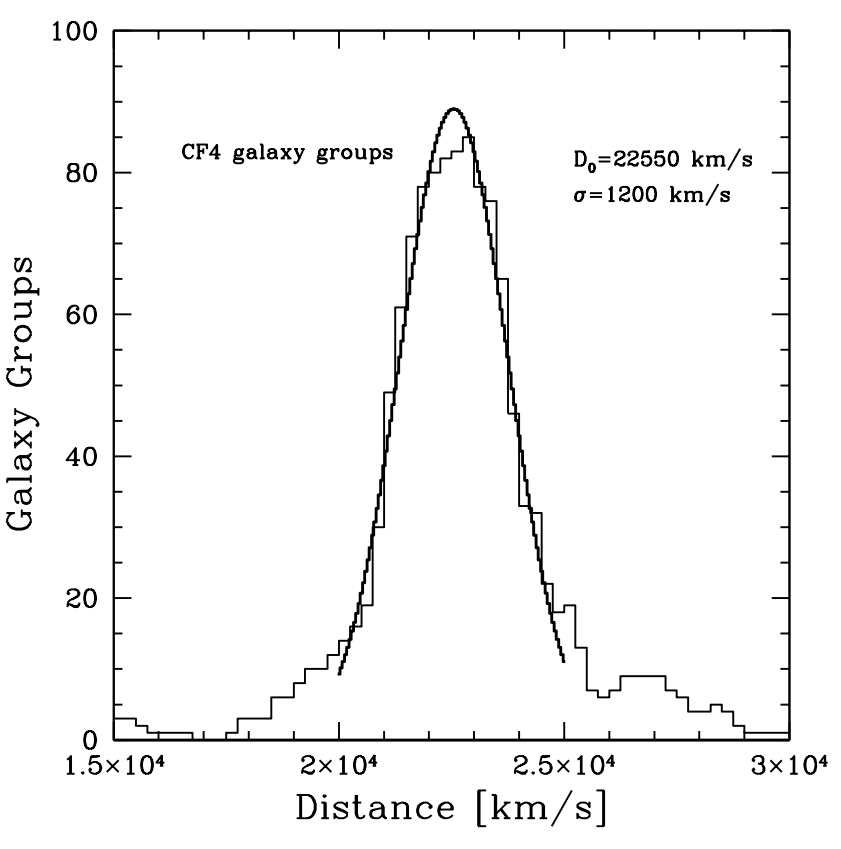
Fig 5: Top: Histogram of CF4 galaxy counts in a beam cen-
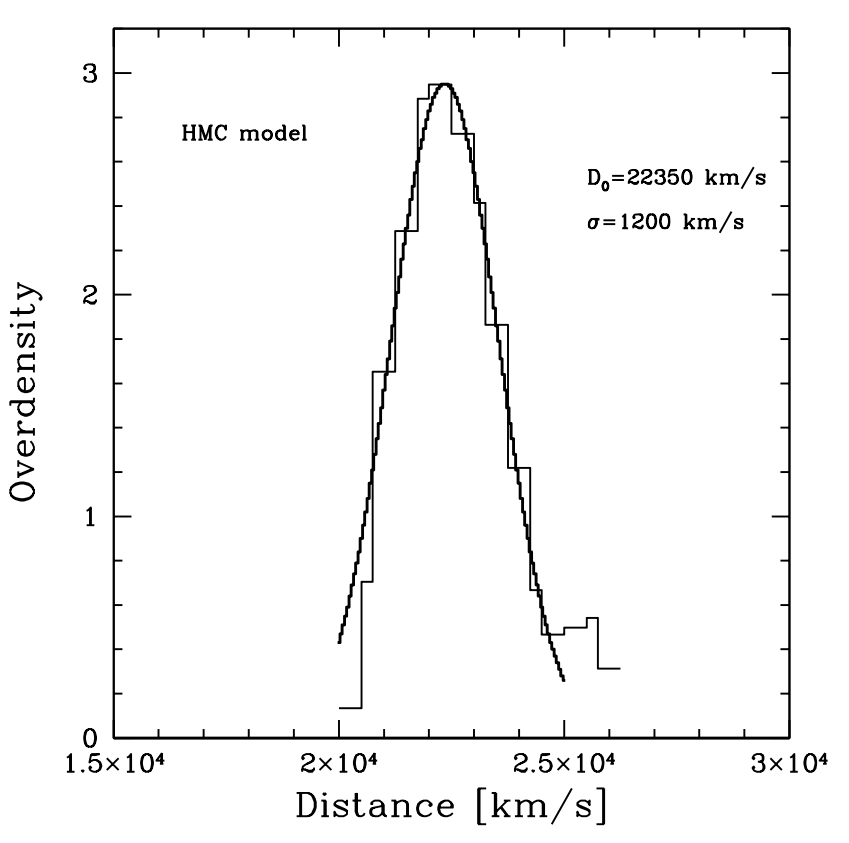
Fig 6: Streamlines seeded throughout the Sloan BoA go to a
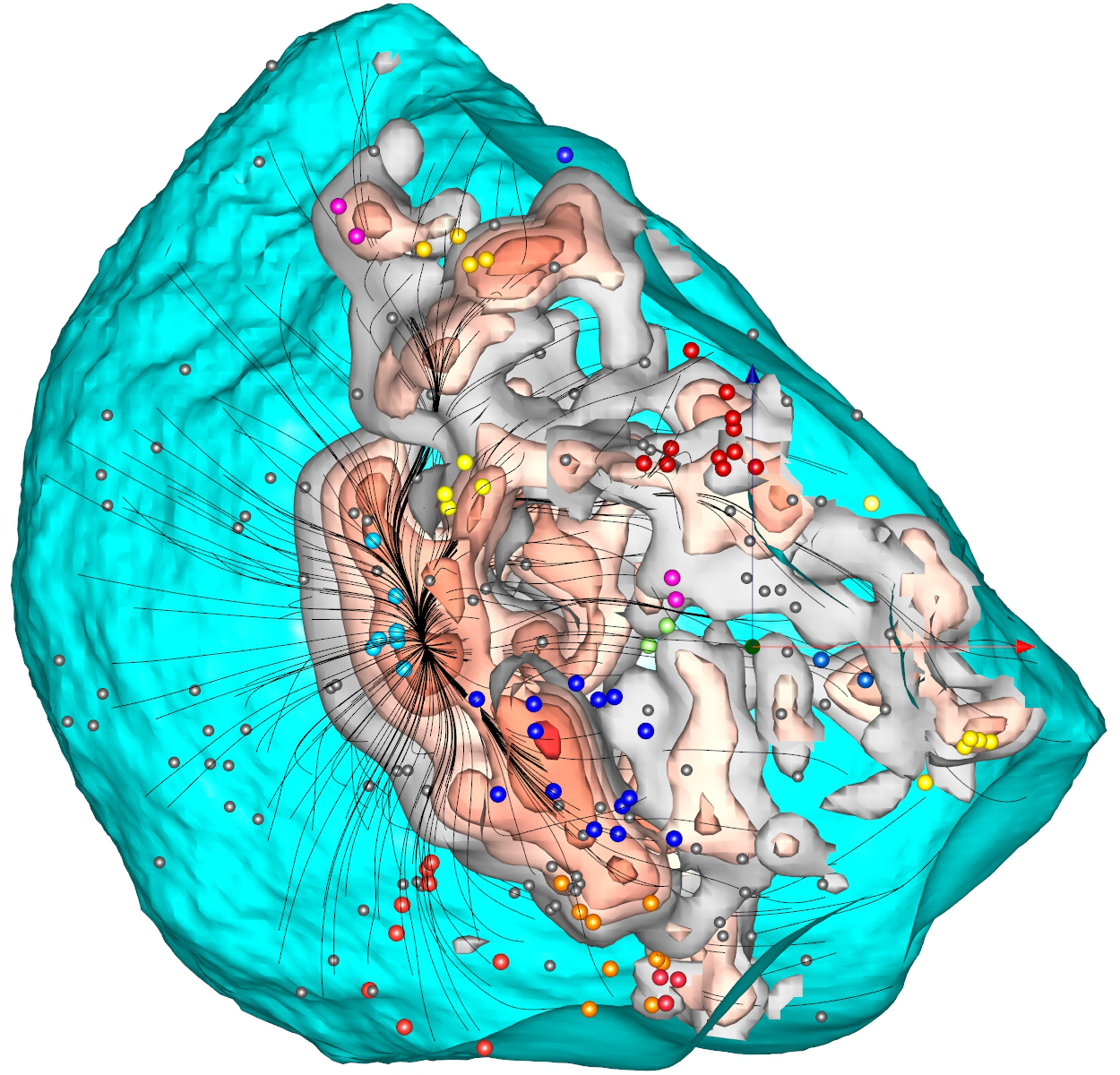
Fig 7: Density contours isolated to the spine of the Sloan
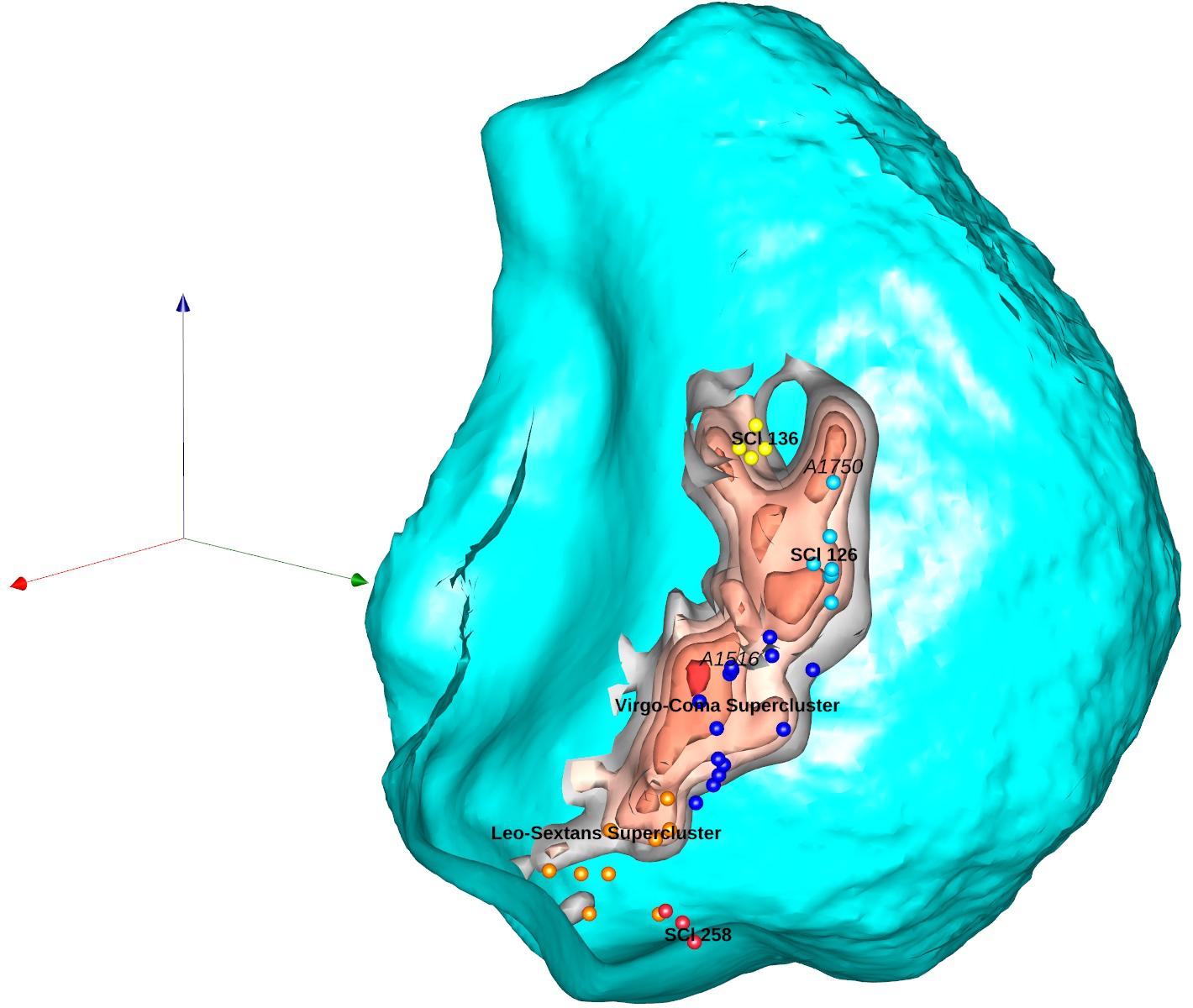
Fig 8: Density contours are extended to include the Boötes
Limitations
- Reliance on linear theory for velocity-density relation may omit nonlinear flow effects at cluster scales.
- Distance measurement errors (~20%) induce substantial uncertainties, leading to probabilistic rather than deterministic BoA boundaries.
- Sparse and uneven sky coverage at 0.05 < z < 0.1 outside northern galactic cap limits completeness and confidence in southern BoA boundaries.
- No explicit adversarial or systematics robustness tests; potential biases from Malmquist bias or selection effects not deeply analyzed.
- The V-web filament skeleton has known discontinuities at BoA boundaries where flow reversals create artifacts.
- BAO-related interpretations are circumstantial and do not include a dynamical evolution or tidal disruption model.
Open questions / follow-ons
- How do nonlinear effects and non-Lambda-CDM cosmologies alter the detailed structure and shape of basins of attraction?
- Can improved and more uniform distance measurements (e.g., from future surveys) reduce uncertainties and provide sharper BoA boundary definitions?
- What is the long-term dynamical evolution of the Sloan basin and its neighboring BoA beyond the linear approximation, including cluster mergers and filament growth?
- How do tidal forces and interactions between BoA influence the integrity and manifestation of baryon acoustic oscillation structures like the Ho’oleilana shell?
Why it matters for bot defense
Although this paper is purely cosmological, bot-defense or CAPTCHA engineers interested in probabilistic clustering and basin attribution concepts could analogize the use of velocity streamline mappings to define attractor basins in high-dimensional spaces. The probabilistic framing of BoA boundaries due to data uncertainty parallels challenges in bot fingerprinting under noisy observations. Additionally, the V-web eigenvalue shear method demonstrates decomposing complex flow fields into coherent structures—a technique conceptually similar to extracting behavioral patterns in malicious traffic flow analysis. However, direct techniques here are domain-specific and do not translate literally into bot defense. Instead, the methodological emphasis on probabilistically assigning evolving data points to attractors under uncertainty may inspire algorithmic approaches to cluster-driven detection or risk regions in cybersecurity contexts.
Cite
@article{arxiv2606_04578,
  title={ Cosmography of the Sloan Basin of Attraction and Neighborhood },
  author={ Daniel Pomarede and R. Brent Tully and Aurelien Valade and Noam Libeskind and Yehuda Hoffman },
  journal={arXiv preprint arXiv:2606.04578},
  year={ 2026 },
  url={https://arxiv.org/abs/2606.04578}
}