
From DES to KiDS: Domain adaptation for cross-survey detection of low-surface-brightness galaxies
Source: arXiv:2605.13842 · Published 2026-05-13 · By Hareesh Thuruthipilly, Krzysztof Lisiecki, Junais, Katarzyna Małek, Agnieszka Pollo, William J. Pearson et al.
TL;DR
This paper addresses the challenge of identifying low-surface-brightness galaxies (LSBGs) across heterogeneous astronomical imaging surveys, a key problem for large upcoming projects like LSST and Euclid. LSBGs are faint and diffuse, making automated detection difficult and inconsistent when models trained on one survey are applied to another data domain. The authors propose a domain adaptation approach that normalizes physical pixel values (surface brightness units) and image resolution, enabling models trained on the Dark Energy Survey (DES) to be directly applied to the Kilo-Degree Survey (KiDS) data without retraining. Using an ensemble of deep learning models including one CNN and two transformer architectures, they identify over 20,000 LSBGs and 434 ultra-diffuse galaxies in KiDS Data Release 5. Structural parameters and stellar properties derived from multi-band photometry and spectral energy distribution fitting confirm consistency with LSBG populations found in other surveys like DES and HSC-SSP. They also demonstrate that environmental trends such as galaxy quenching in clusters are visible in the data. This work shows that physics-informed domain adaptation enables scalable, cross-survey automated LSBG catalog construction, a critical advance for future large-scale low surface brightness science.
Key findings
- Domain adaptation via physical surface-brightness normalization and image resizing enables direct application of DES-trained models on KiDS data without retraining, achieving robust LSBG detection.
- The ensemble model identified 20,180 LSBGs and 434 ultra-diffuse galaxies in KiDS DR5 after subsequent Sérsic fitting and visual inspection.
- Structural parameters (e.g., effective radius, surface brightness) of KiDS-detected LSBGs closely match those of LSBGs from DES and HSC-SSP surveys, indicating consistent classification across datasets.
- Photometric redshifts obtained via SED fitting show a mild systematic overestimate (~0.024), inducing small shifts (~0.13-0.22 dex) in specific star formation rate estimates but preserving star-forming main sequence structure.
- Environmental analysis reveals cluster LSBGs and UDGs exhibit redder colors and suppressed star formation relative to field counterparts, highlighting quenching processes.
- Cross-matching with spectroscopic and cluster catalogs yields redshifts for 4,913 candidate LSBGs, enabling population characterization at scale.
- Recall of the models drops for very faint sources (g >= 22 mag) due to under-representation in training data, but KiDS and DES depths are comparable, thus impact is limited for this study.
- Visual inspection of candidates by multiple reviewers helped reduce contamination, yielding a final sample of 22,264 LSBGs.
Threat model
n/a — no adversarial or security context is examined. The core problem is domain shift in astronomical survey data distributions affecting machine learning model transferability.
Methodology — deep read
The authors' domain adaptation approach allows models trained on one survey (DES) to be applied to another (KiDS) despite data distribution differences. The threat model assumes an adversary is irrelevant here – the problem is domain shift between source (DES) and target (KiDS) datasets with different photometric zero points, pixel scales, PSF variations, noise properties, and instrumental artefacts. The assumption is that these differences can be compensated by physical normalization and resizing.
Data provenance: Training uses a labeled dataset from DES DR1 updated with ~37,000 cutouts roughly balanced between LSBGs (18,532) and contaminants (18,468). Each object has 40"×40" g- and r-band cutouts resized to 64×64 pixels after converting pixel values to surface brightness units (µJy arcsec^-2). The KiDS dataset comprises imaging and source catalogs from KiDS DR5 covering ~1350 deg^2 with g, r, and i bands. They applied size, shape, surface brightness, and color preselection cuts following prior literature to generate a candidate source list of ~322,000 objects for LSBG classification.
Architectures: The ensemble consists of a CNN and two transformer-based models (LSBG-DETR and LSBG-ViT). The CNN has 4 convolutional blocks with increasing filters (16->128), batch normalization, dropout in latter stages, max-pooling in early blocks, followed by fully connected layers and sigmoid output for binary classification. The transformer models employ self-attention mechanisms adapted from prior work. Models were trained with binary cross-entropy loss using Adam optimizer. Input augmentation involved random flipping; no additional normalization was applied during training or inference.
Training: Models were trained on the DES-labeled dataset split into train (87%), validation (5%), and test (8%) sets. Batch size was 128 for transformers, early stopping based on validation loss with patience=20 epochs. Learning rate decayed exponentially from 1e-4. CNN used similar early stopping without explicit LR decay.
Domain adaptation: To bridge domain differences, KiDS cutouts were converted to physical surface brightness units and resized to match DES input pixel scale and size. Resulting 64×64 stacked g- and r-band cutouts were passed to the ensemble models. Candidate classification threshold was set to probability > 0.5 in any model, favoring recall but increasing contamination.
After candidate selection (28,971), galfitm was used for multi-band Sérsic profile fitting (g, r, i) incorporating PSF models. Fitting considered single Sérsic and Sérsic+PSF to identify nucleated sources. Poor fits or parameter convergence failures were excluded. A 5 arcsec matching radius was used to remove duplicates.
Visual inspection by 18 authors assigned final LSBG/non-LSBG labels using overlap and majority voting. Morphological tags were also assigned. Visual audits filtered final candidates to 22,264.
Photometric redshifts and stellar population parameters were estimated via SED fitting using CIGALE. Cross-matches with several spectroscopic and cluster catalogs linked 4,913 galaxies with redshifts.
Evaluation: Performance on the test split of DES was around 95% accuracy. On KiDS, direct application of the DES-trained ensemble with domain adaptation yielded large LSBG samples consistent with prior catalogs. Limitations in faint source recall were observed but minor here due to survey depth similarity. The final catalog was validated with structural properties and colors matching previous work. Environmental trends were analyzed using cross-matched cluster data.
Reproducibility: Code for visual inspection was made public. Full code for model training and inference is not explicitly stated as released. DES training labels are public. KiDS DR5 imaging and catalogs are publicly available. Sérsic fitting was done with galfitm, a standard tool.
Example end-to-end: A KiDS source meeting size, brightness, and color cuts is extracted as a 40"×40" g and r band cutout. Converted to surface brightness units and resized to 64×64 pixels, it is fed to each ensemble model. If any model outputs class probability > 0.5, the source is a candidate. galfitm fits a Sérsic profile using multi-band images and PSF. Following parameter quality cuts, it enters visual inspection. Consensus labels it a LSBG. SED fitting assigns photometric redshift and star formation rate. Finally, it joins the catalog, consistent with diffuse LSBG populations identified in DES.
Technical innovations
- Applying physical surface-brightness normalization and image resizing as unsupervised domain adaptation steps to enable cross-survey LSBG detection without retraining.
- Combining convolutional and transformer-based deep learning models into an ensemble tailored for LSBG classification on heterogeneous datasets.
- Integrating multi-band Sérsic profile fitting (galfitm) and visual inspection to refine automated detections, ensuring structural and morphological consistency of LSBG candidates.
- Using spectral energy distribution fitting (CIGALE) to characterize stellar populations and enable environmental studies of LSBGs across surveys.
Datasets
- DES DR1 LSBG and contaminant catalog — ~37,000 cutouts (publicly available labels)
- KiDS DR5 imaging data and multi-band catalog — ~1350 deg^2 (ESO public archive)
- Spectroscopic redshift catalogs used for cross-match: 2dFGRS, GLADE, GAMA, SDSS DR17
Baselines vs proposed
- Recall on DES test set by CNN alone: ~93% (from Thuruthipilly et al. 2025)
- Recall on KiDS data applying DES-trained models with domain adaptation: not explicitly quantified but large samples consistent with expected numbers identified (20,180 LSBGs)
- Post visual inspection purity improvement: final catalog reduced from 28,971 to 22,264 candidates
Figures from the paper
Figures are reproduced from the source paper for academic discussion. Original copyright: the paper authors. See arXiv:2605.13842.
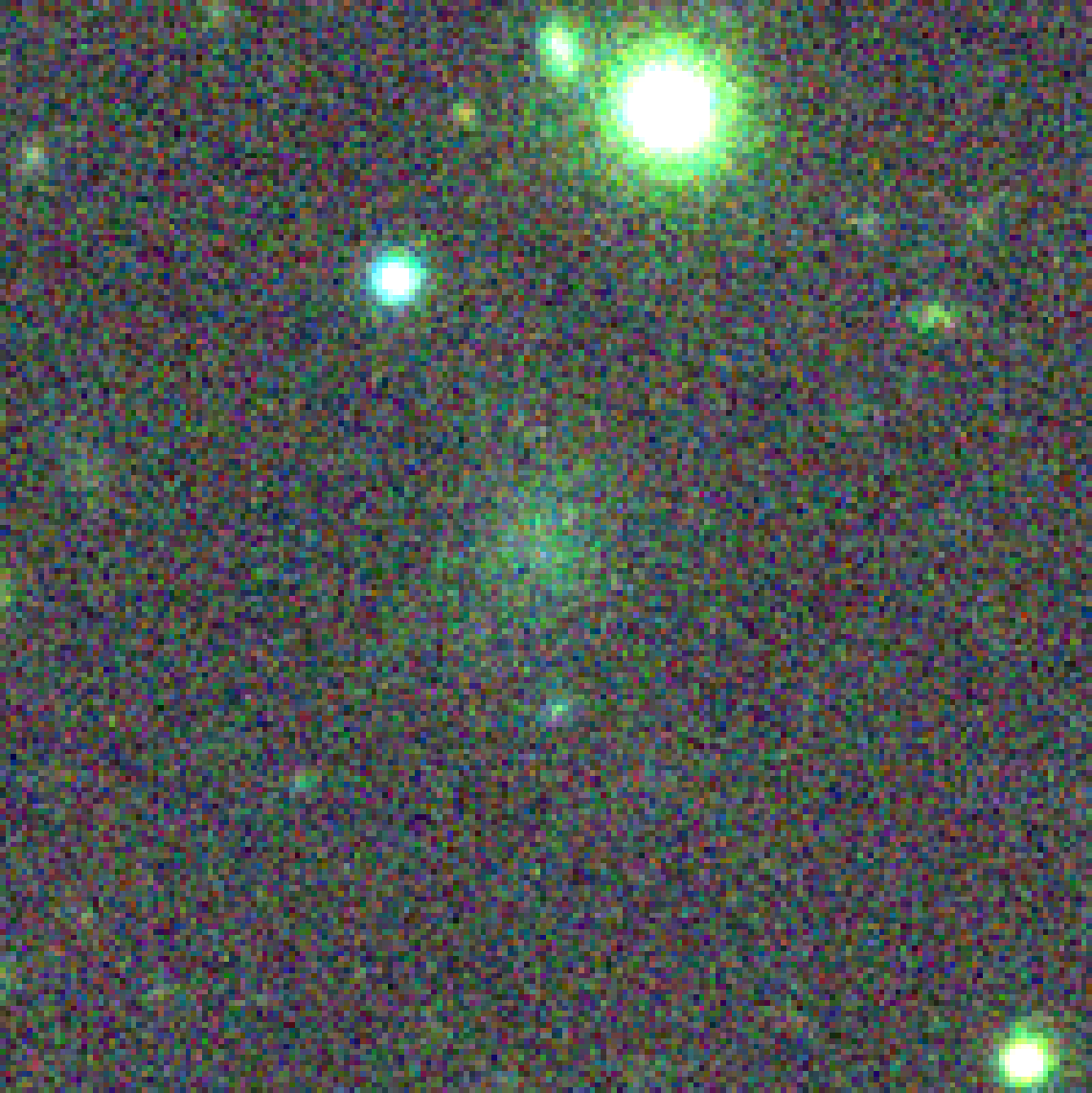
Fig 1: Example RGB images of LSBGs and UDGs created us-
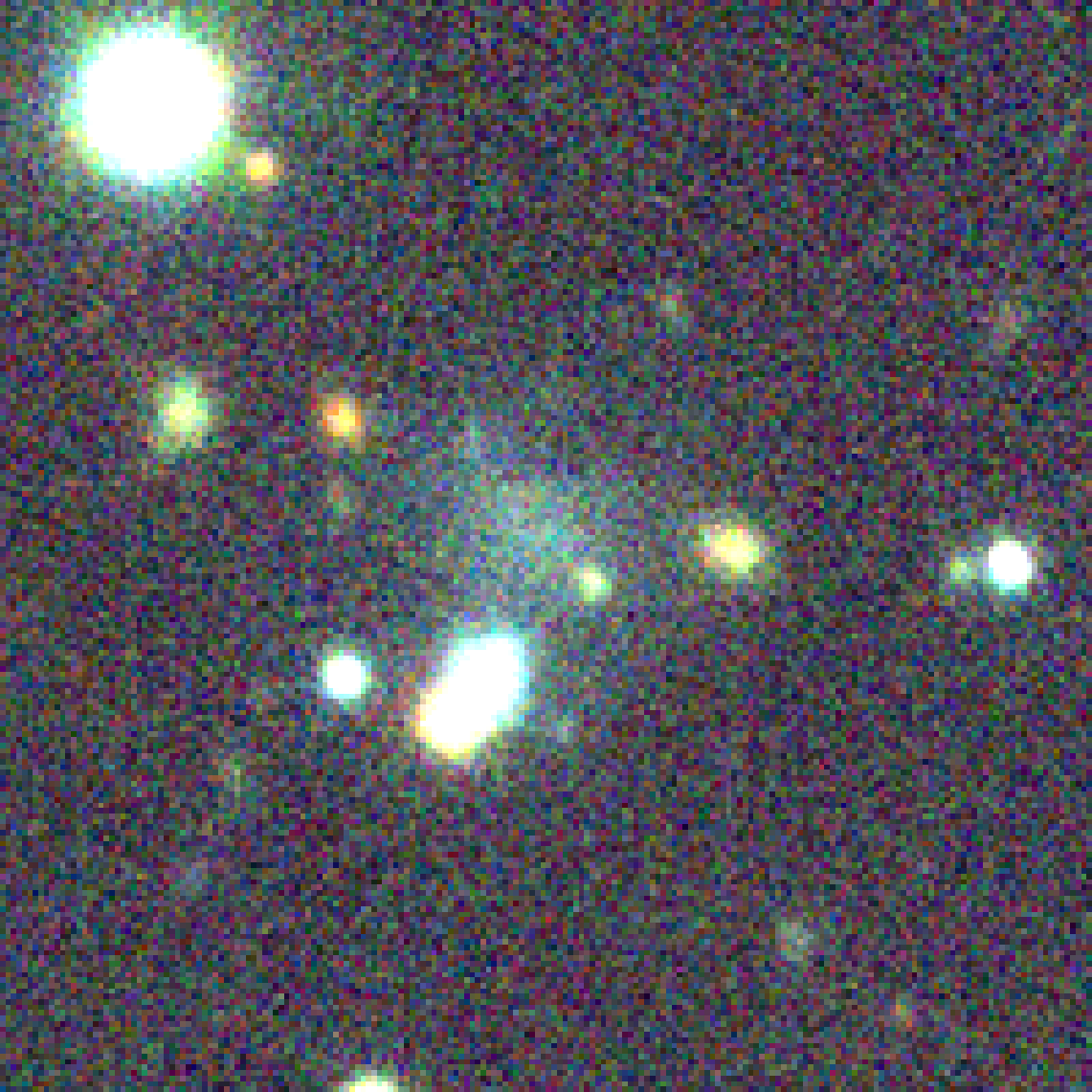
Fig 2: Each panel shows the normalised density distribution,
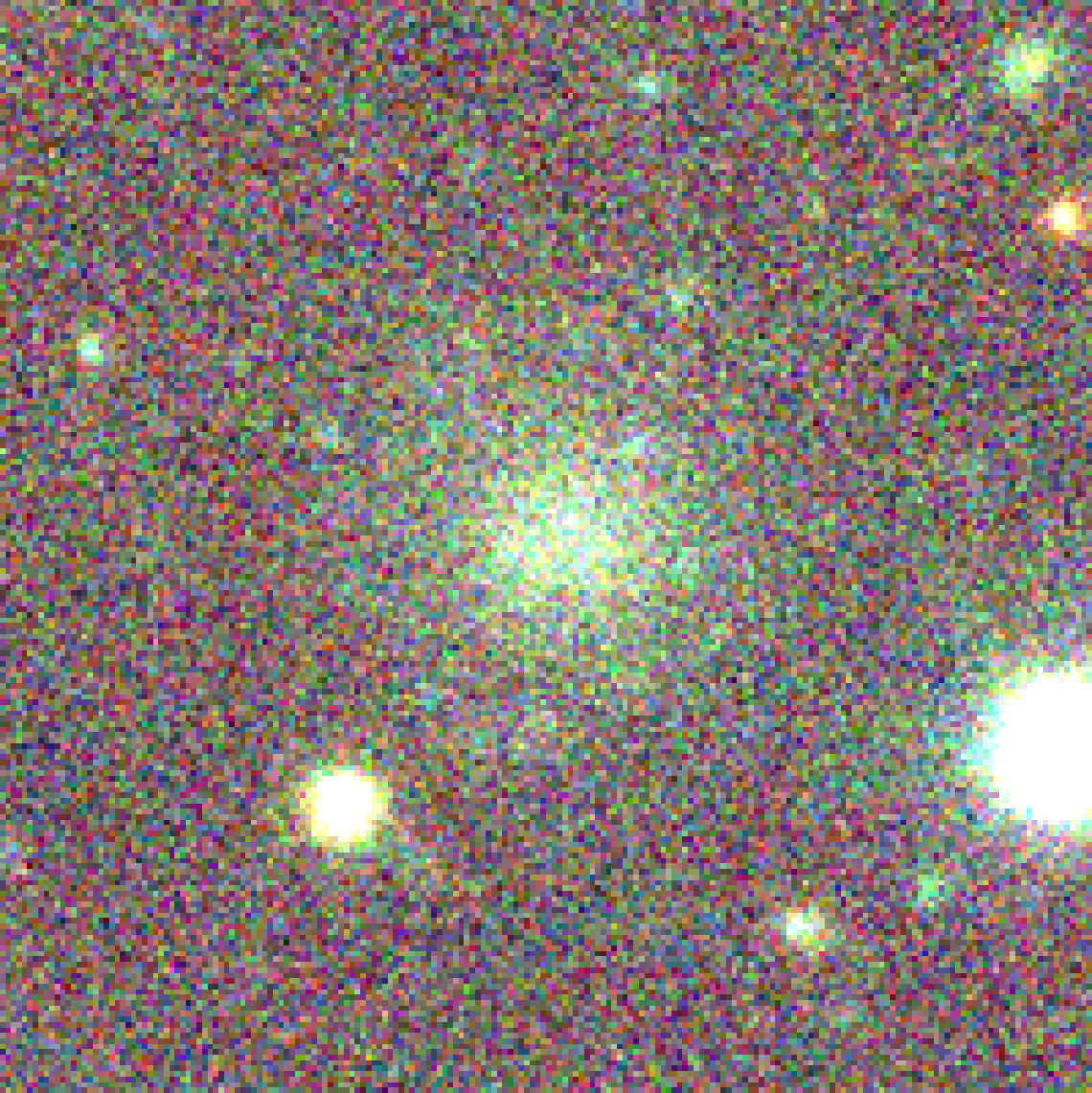
Fig 3: Distribution of (g−r) colours for the KiDS-LSBG sample.
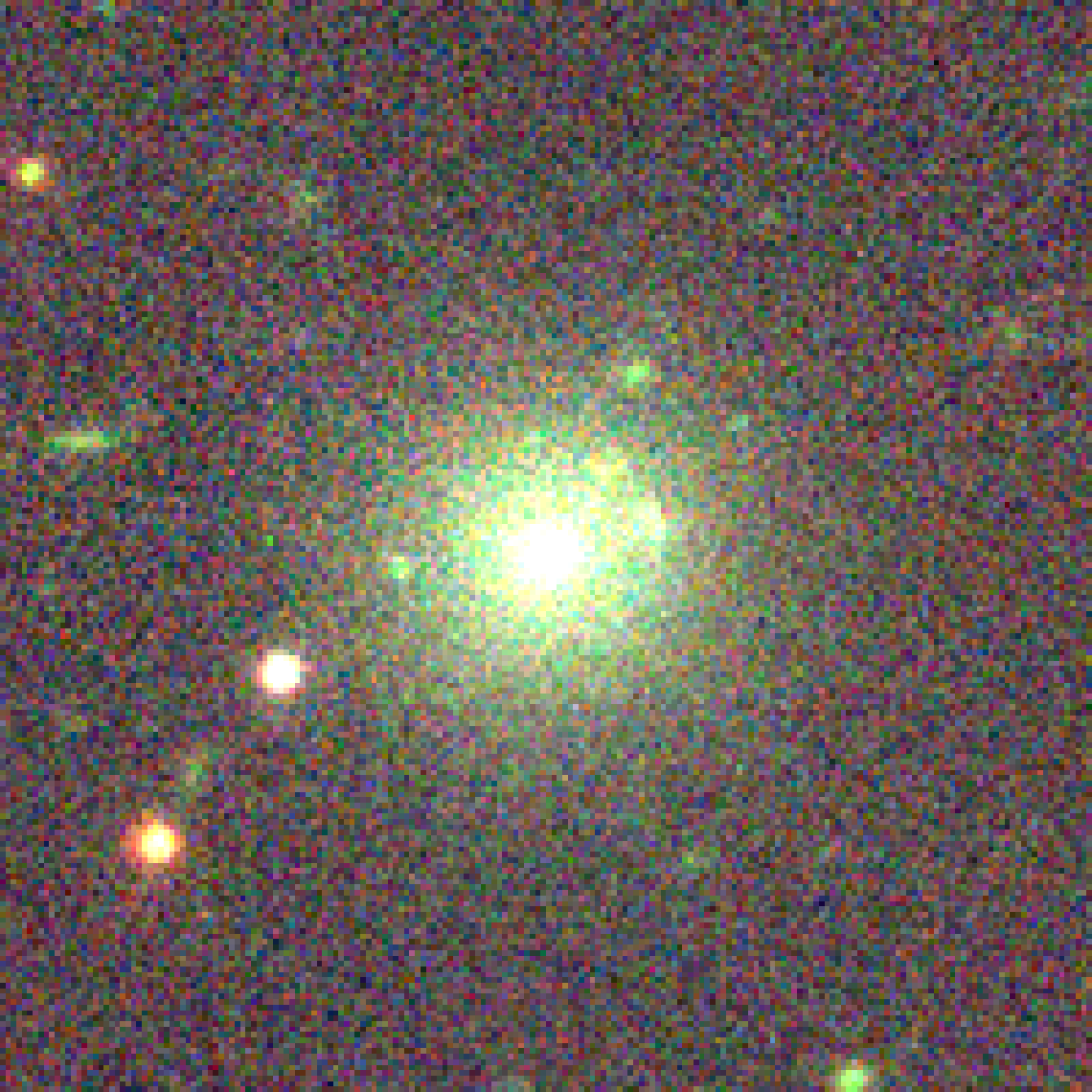
Fig 4: Mean effective r-band surface brightness as a func-
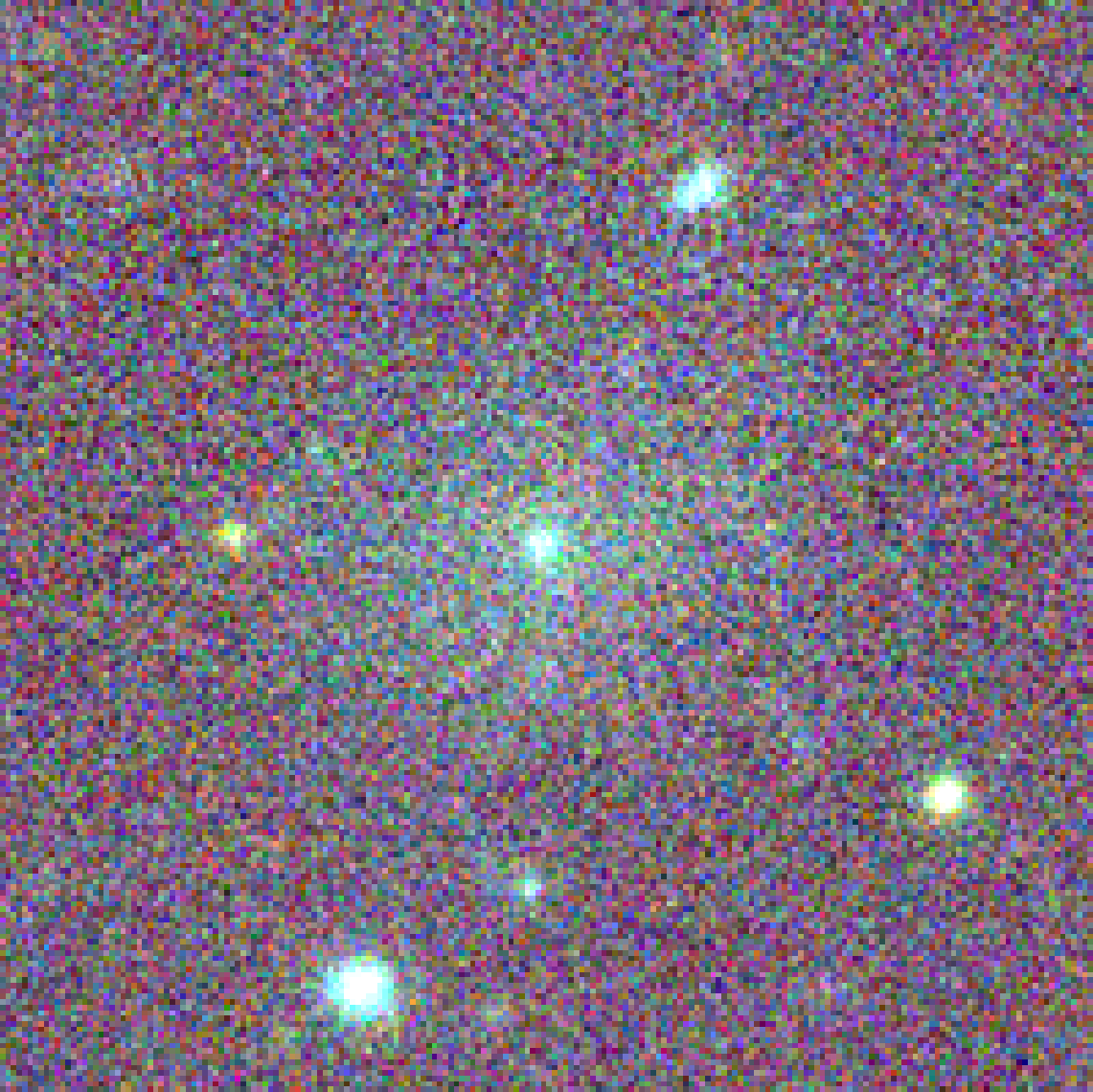
Fig 5 (page 8).
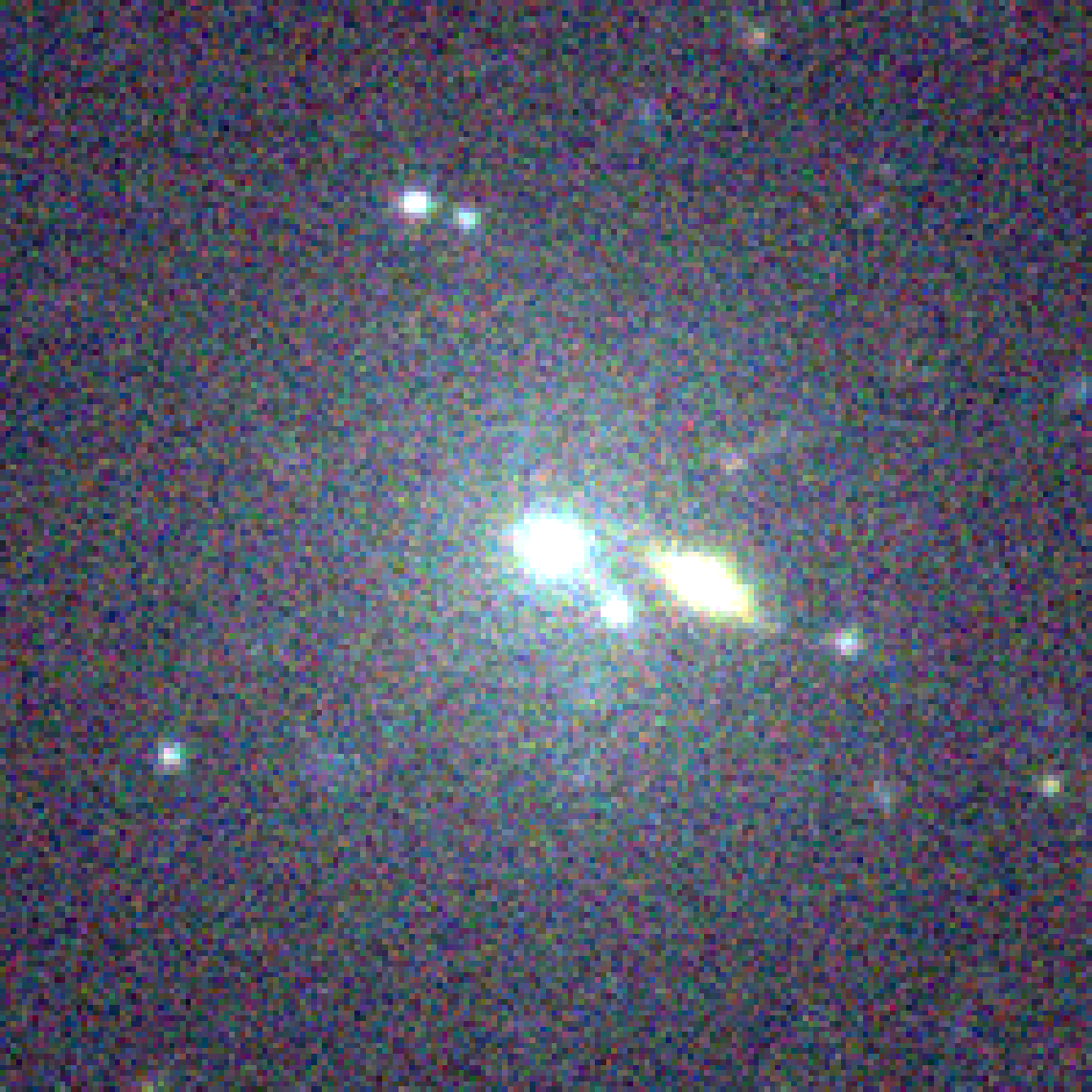
Fig 6 (page 8).
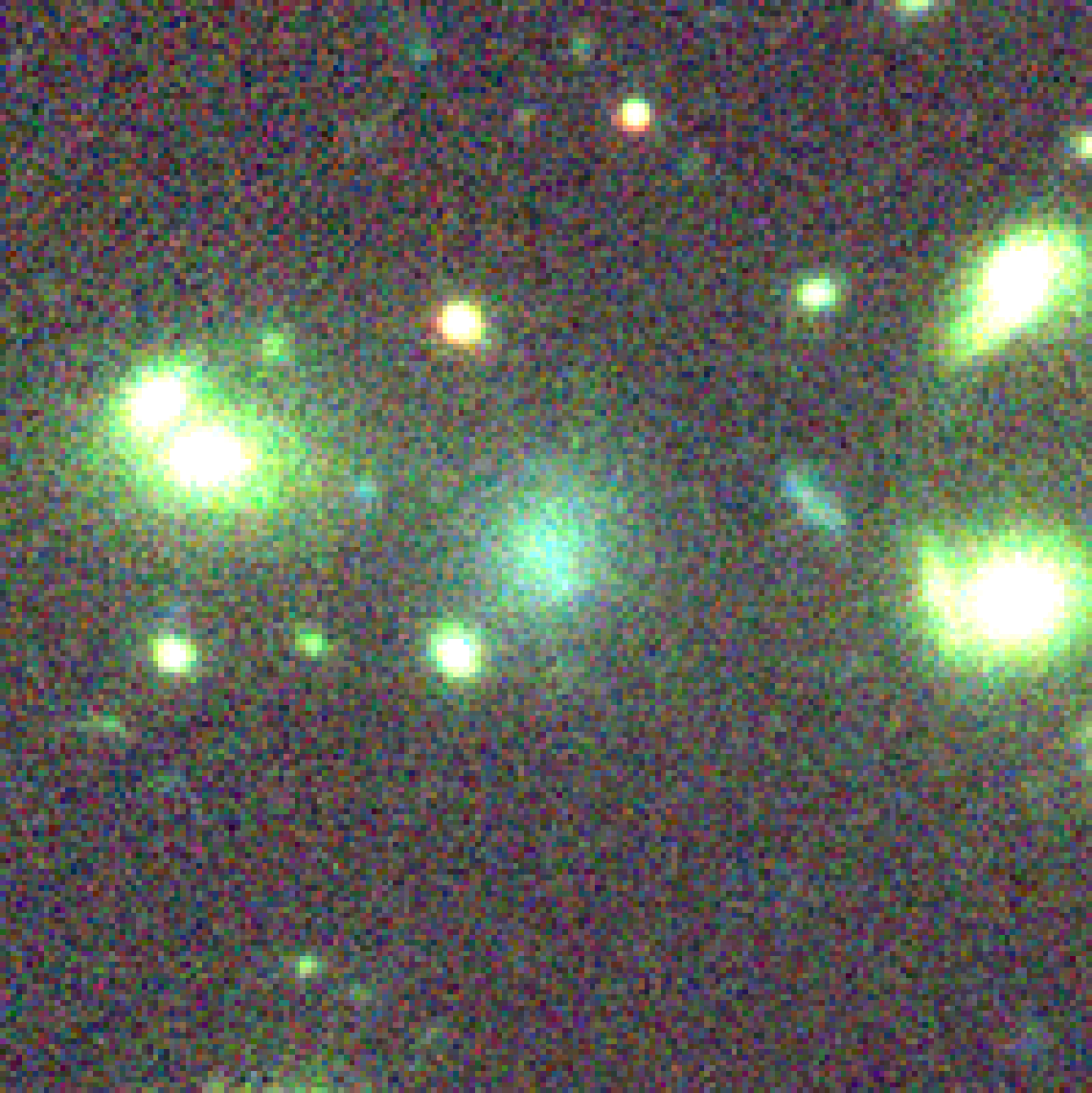
Fig 7 (page 8).
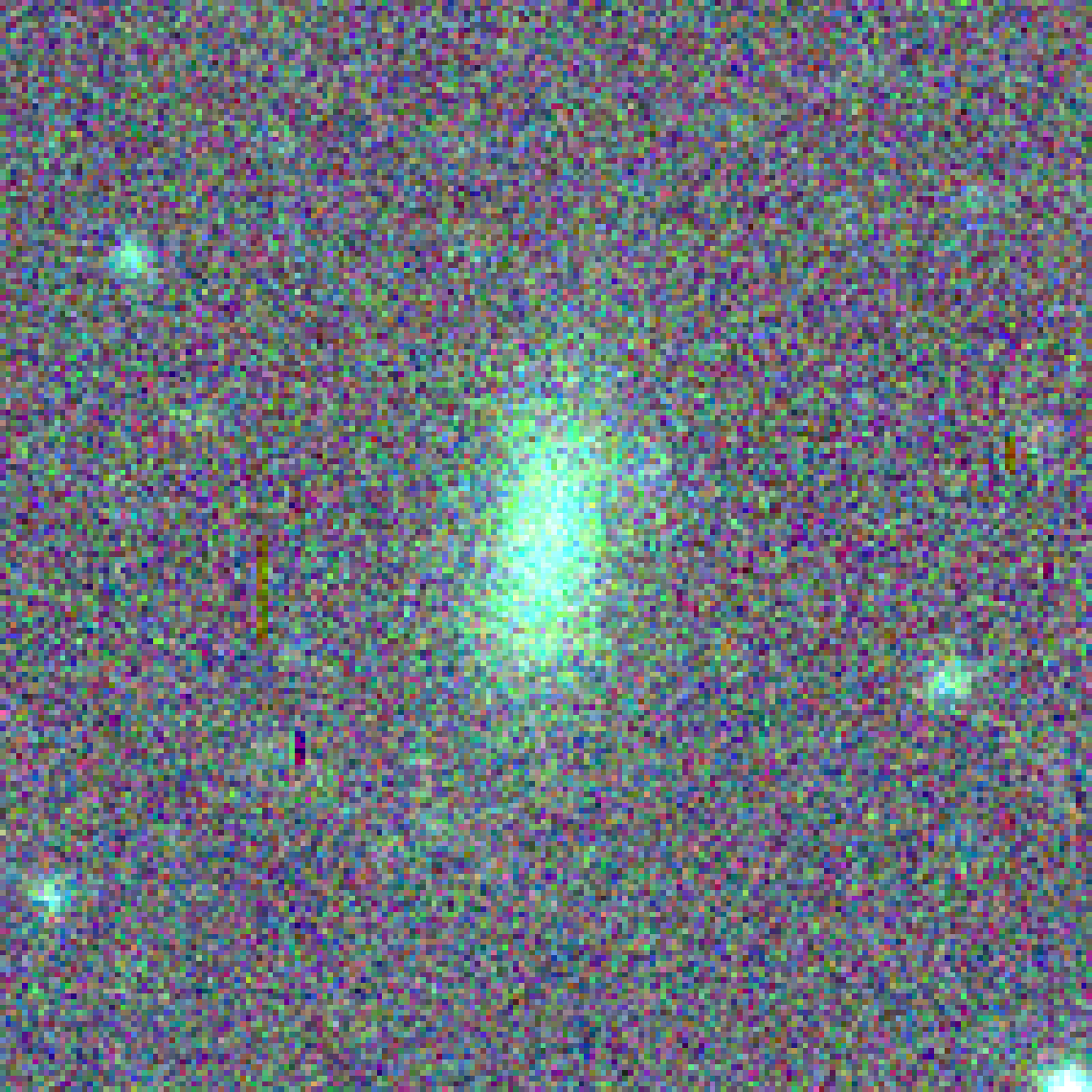
Fig 8 (page 8).
Limitations
- Model recall drops for very faint sources (g >= 22 mag) due to under-representation in training data, potentially missing faint LSBGs.
- Visual inspection step, critical for purity, is not scalable to LSST/Euclid data volumes and requires alternative classification strategies.
- Survey-specific instrumental artefacts and PSF variations remain challenges; current domain adaptation handles these only approximately.
- Differences in bandpass definitions (g-band for DES vs r-band for KiDS) may introduce subtle biases in LSBG selection.
- The nucleated LSBG identification is preliminary and can be contaminated by spiral galaxies with bulges; these candidates require further refinement.
- Photometric redshift estimation shows mild systematic offsets, inducing uncertainties in derived stellar parameters.
Open questions / follow-ons
- How can domain adaptation techniques be improved to maintain high recall for rarer, very faint LSBGs across even deeper future surveys like LSST and Euclid?
- What automated, scalable alternatives to visual inspection can reliably control contamination in large-volume diffuse galaxy catalogs?
- Can joint multi-survey training or self-supervised learning approaches further reduce domain shift effects beyond surface brightness normalization?
- How do bandpass differences and filter systematics quantitatively affect cross-survey LSBG identification, and can correction strategies be incorporated?
Why it matters for bot defense
This work exemplifies the practical challenges and solutions in deploying deep learning models across distinct data domains without retraining— directly relevant to bot defense scenarios where domain shifts occur (e.g., changes in user device, network conditions, or environment). The physics-informed domain adaptation method, involving normalization to uniform physical units and image scaling, parallels approaches in bot detection where feature distributions differ across contexts.
Moreover, the ensemble strategy combining CNNs and transformers to improve generalization while managing contamination through manual review reflects the tradeoffs often seen in bot detection between recall and false positives. The need for scalable automated filtering (given that manual review is infeasible at large scale) resonates strongly with bot defense engineering challenges, suggesting that domain-aware normalization and architecture ensembles can improve cross-context robustness of bot/CAPTCHA classifiers. Lastly, the comprehensive modeling of environment impacts on classification outcomes might inspire analogous analyses of user context or device conditions affecting bot classifier reliability.
Cite
@article{arxiv2605_13842,
  title={ From DES to KiDS: Domain adaptation for cross-survey detection of low-surface-brightness galaxies },
  author={ Hareesh Thuruthipilly and Krzysztof Lisiecki and Junais and Katarzyna Małek and Agnieszka Pollo and William J. Pearson and Antonio Vanzanella and Saptarshi Pal and Miguel Figueira and Pratik Dabhade and Anna Durkalec and Aidan P. Cotter and Unnikrishnan Sureshkumar and Nandini Hazra and Patryk Matera and Subhrata Dey and Michal Vrábel and Anirban Dutta and Henry Willems and Nicola Principi Cavaterra and Natalia Dobrowolska and Wojciech Knop },
  journal={arXiv preprint arXiv:2605.13842},
  year={ 2026 },
  url={https://arxiv.org/abs/2605.13842}
}