
Bot detection remains a cornerstone of web security, but how are organizations currently approaching it? A recent bot detection survey provides valuable insights into the technologies, strategies, and challenges companies face while defending against malicious automation. This post breaks down those findings, compares major bot detection solutions, and explores trends shaping the bot mitigation landscape.
What the Bot Detection Survey Reveals
The survey asked security teams across industries about their bot detection practices, favored tools, and pain points. Key takeaways include:
- Widespread use of CAPTCHA variants remains a primary line of defense, with about 70% of respondents relying on one or more CAPTCHA services.
- Challenges are shifting from just stopping spam bots to detecting sophisticated credential stuffing, scraping, and account takeover bots.
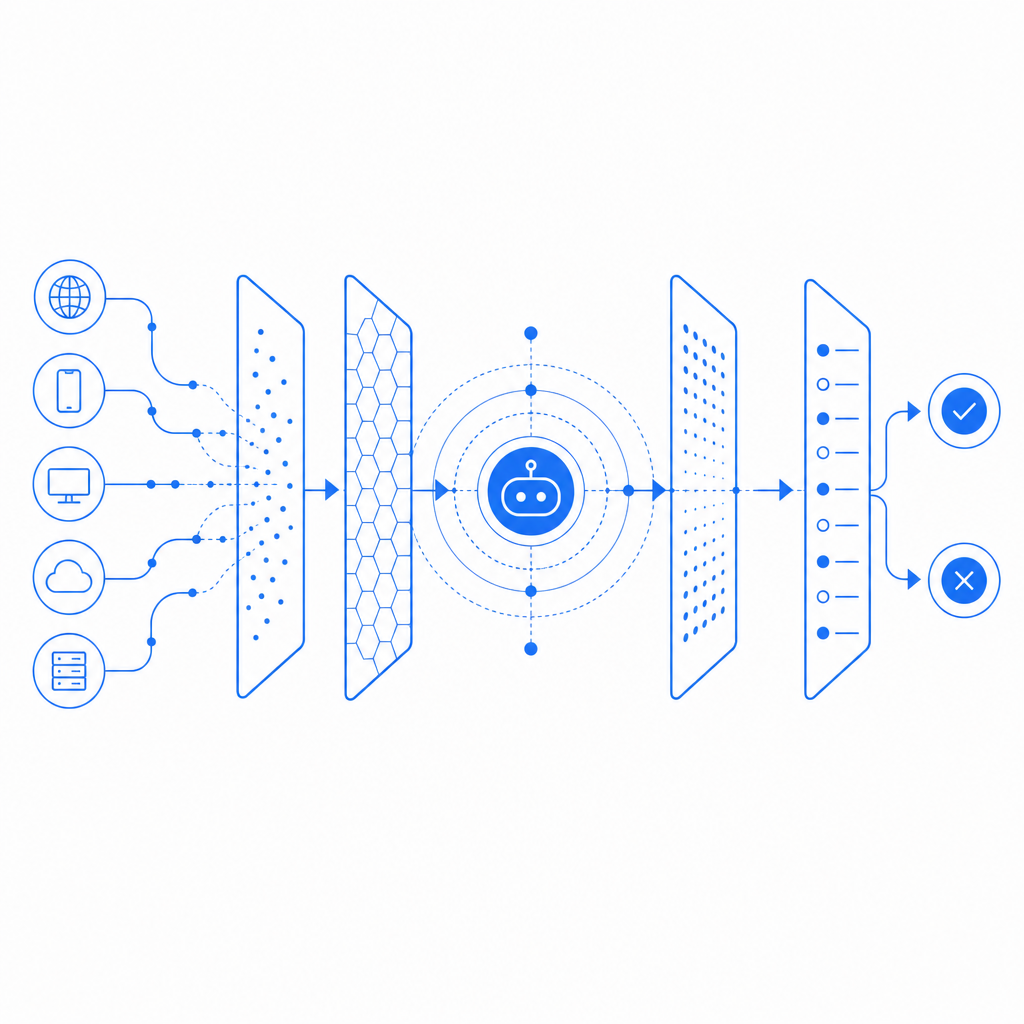
- Many are supplementing CAPTCHA with behavioral analytics and device fingerprinting to improve accuracy without degrading user experience.
- Integration ease, multilingual support, and accurate risk scoring dramatically affect platform choice.
These insights show bot defense is increasingly layered, relying on more than just an interactive challenge. But how do popular solutions stack up in 2026?
Comparing Popular Bot Detection Services
This table summarizes core attributes of top CAPTCHA and bot-defense platforms based on the survey responses and public specs:
| Feature | CaptchaLa | reCAPTCHA | hCaptcha | Cloudflare Turnstile |
|---|---|---|---|---|
| Challenge Types | Interactive CAPTCHA, invisible | Interactive, invisible | Interactive, invisible | Invisible, low-friction |
| SDK Support | Web (JS/React/Vue), iOS, Android, Flutter, Electron | Web (JS), iOS, Android | Web (JS), iOS, Android | Web only |
| UI Languages | 8 native languages | 7+ | 20+ | English mainly |
| Server SDKs | PHP, Go | Java, Python, Node.js | Python, Node.js | N/A |
| Validation API | POST to /v1/validate | POST to reCAPTCHA API | POST to hCaptcha API | Via Cloudflare edge |
| Risk Analysis | Uses first-party data only | Google’s risk analysis | Data marketplace option | Cloudflare’s network data |
| Pricing | Free 1K/mo; Pro 50K-200K; Biz 1M | Free tier + enterprise | Paid tiers + revenue share | Included with Cloudflare |
While Google’s reCAPTCHA is highly prevalent, some users in the survey cited privacy concerns or limited SDK language coverage as drawbacks. hCaptcha’s broader language support and compensation model appeal to sites wanting alternatives. Cloudflare Turnstile stands out for seamless integration with Cloudflare sites but lacks native mobile SDKs.
CaptchaLa differentiates by offering native SDKs across web and mobile stacks and operating with no third-party data, aligning with privacy-conscious organizations.
Techniques in Bot Detection Highlighted by the Survey
1. Multi-Factor Bot Assessment
Most companies don’t rely solely on challenge-response tests anymore. Instead, they combine:
- Behavioral biometrics: tracking mouse movements, scrolling patterns.
- Device fingerprinting: capturing browser, OS, and hardware characteristics.
- IP reputation and anomaly detection.
This layered approach reduces false positives and eases friction on genuine users.
2. Server-Side Validation and Token Issuance
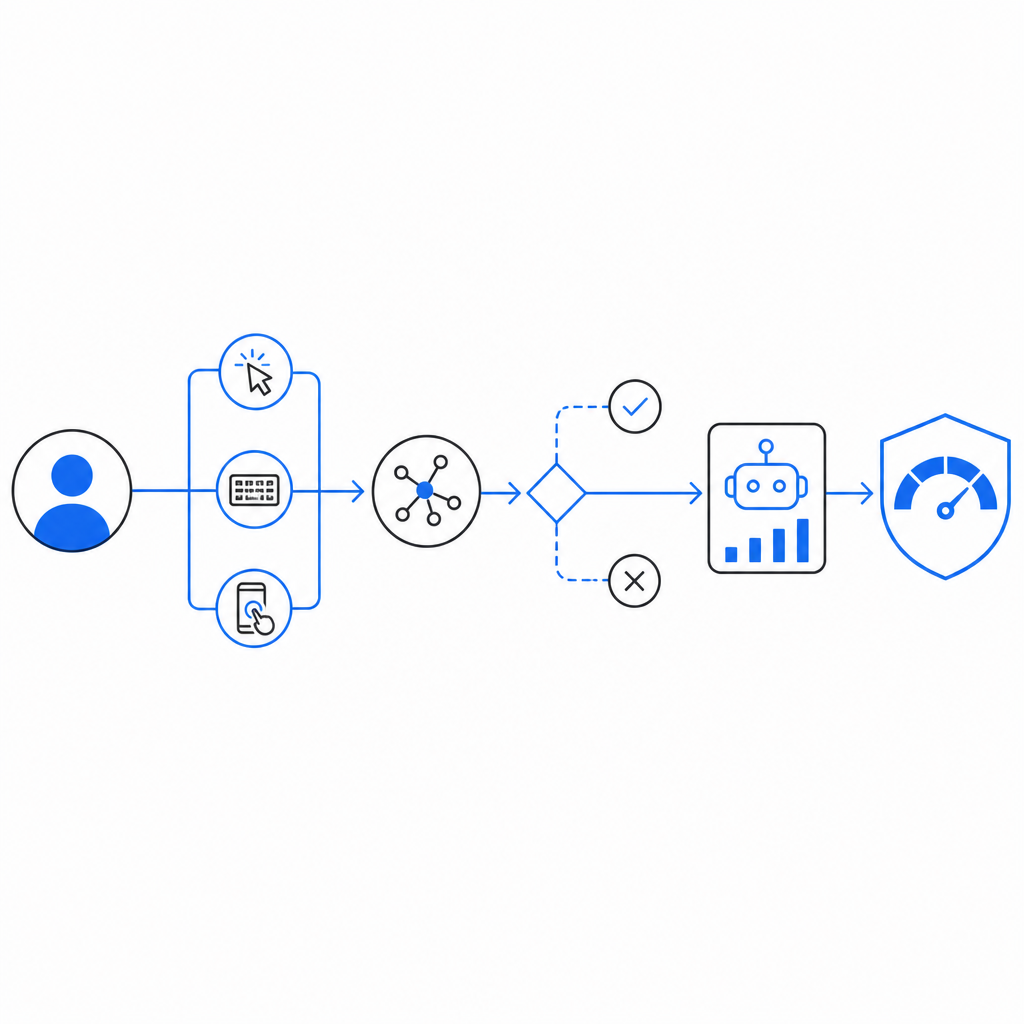
Polling the CAPTCHA provider’s server via APIs improves challenge integrity. For example, CaptchaLa’s API workflow includes:
// Client solves CAPTCHA and obtains pass_token
// Server sends pass_token and client IP to validation API
POST https://apiv1.captcha.la/v1/validate
Headers: X-App-Key, X-App-Secret
Body: { pass_token, client_ip }
// Server receives validation response to verify human user
This server-side step confirms token authenticity and blocks token reuse attempts.
3. Integration Flexibility
The survey highlighted that teams prefer CAPTCHA solutions with:
- Easy-to-integrate SDKs in various languages and frameworks (JS, React, Vue, mobile platforms).
- Documentation clarity and available customer support.
- Configurability for custom challenge difficulty, UI language, and branding.
CaptchaLa's docs provide comprehensive guides that simplify implementation across diverse tech stacks.
Persistent Challenges and Future Directions
Despite advances, bot detection remains an ongoing battle:
- Adaptive bots mimic human behaviors, complicating detection.
- UX tradeoffs: Striking the right balance between security and ease of use is difficult.
- Privacy compliance drives demand for solutions without third-party tracking.
Survey respondents expressed interest in more AI-driven, low-friction methods that reduce user delays without sacrificing accuracy. The evolution likely involves combining real-time device telemetry with minimal user interaction challenges.
How CaptchaLa Fits in the Bot Detection Ecosystem
CaptchaLa serves teams seeking multilingual, multi-platform bot detection with privacy-first principles. Its offering blends:
- Interactive and invisible CAPTCHAs.
- Comprehensive SDK support spanning web frameworks and mobile platforms including Flutter and Electron.
- Verified token validation through secure APIs.
- Clear pricing tiers allowing free and scalable business options.
For organizations evaluating their bot detection strategies, CaptchaLa provides a viable alternative to reCAPTCHA, hCaptcha, and Cloudflare Turnstile—especially where data privacy and SDK variety matter.
Where to Go Next
Understanding the current bot detection landscape equips you to make informed choices about protecting your site or app. To dive deeper:
- Explore CaptchaLa’s documentation for SDK setup and API details.
- Review pricing plans to see which tier fits your expected traffic.
- Test integration ease and challenge options yourself to balance security with user experience.
Bot defense remains a complex, ever-evolving discipline—and leveraging current survey insights helps prepare you for emerging threats and improved protection methods.