
A bot detection score is a numeric value assigned to a user interaction or session that represents the likelihood of the activity being performed by a bot instead of a human. In other words, it's a quantifiable measure used by security tools to distinguish between legitimate human users and automated or malicious bots. This score plays a crucial role in preventing fraud, spam, and abuse on websites and apps by enabling risk-based decisions without disrupting genuine users.
Bot detection scores typically range on a scale, such as 0 to 100 or 0 to 1, where one end indicates high confidence of human behavior and the other signals likely automation. Websites and services can use these scores to decide whether to challenge users with CAPTCHAs, block suspicious traffic, or allow seamless access. Effectively leveraging bot detection scores enhances security while minimizing friction in user experience.
How Bot Detection Scores Are Calculated
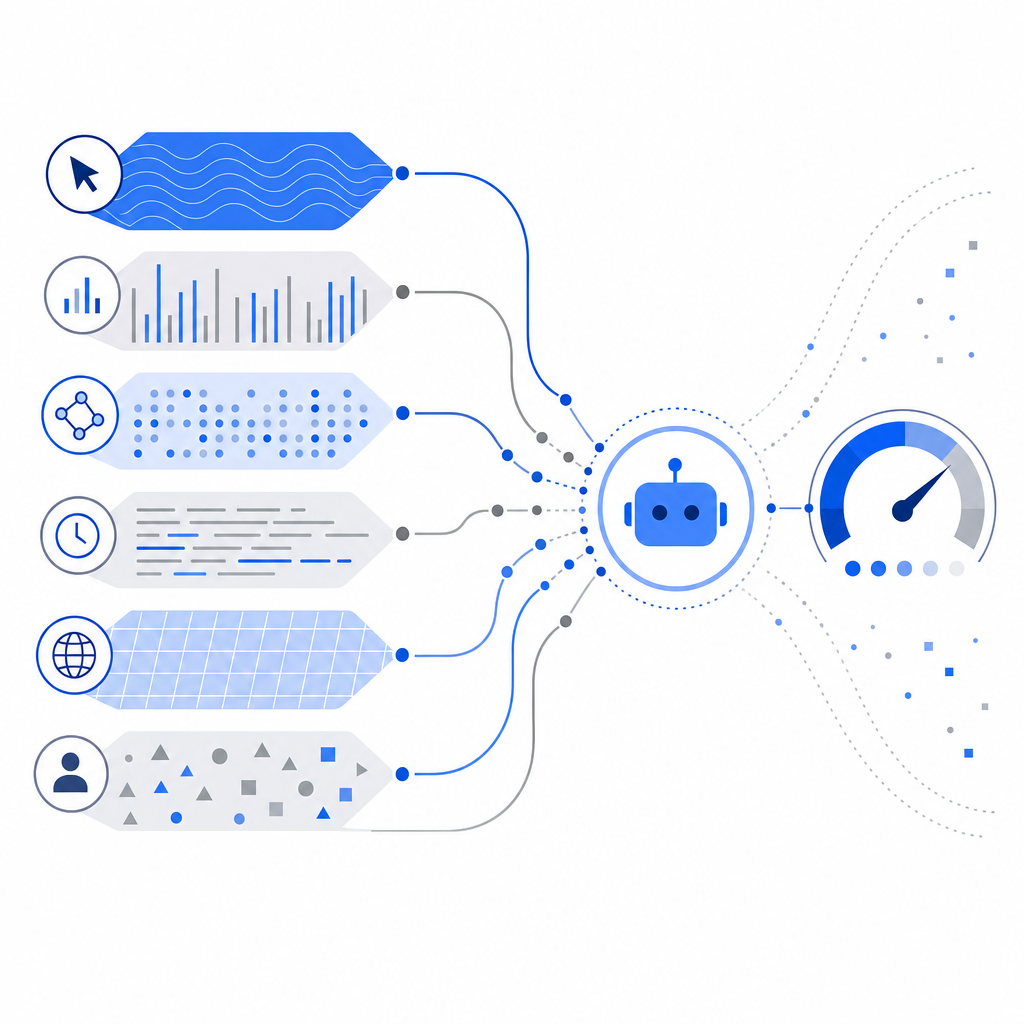
Calculating a bot detection score involves analyzing multiple signals collected from user interactions, browser environment, network data, and behavioral patterns. These signals are fed into machine learning models and heuristics to assess the probability that the entity is automated. Key inputs include:
- Device and browser characteristics: Analysis of user-agent strings, installed plugins, screen resolution, and other environmental factors that are hard for bots to mimic perfectly.
- IP reputation and network data: Detection of known proxy IPs, VPN usage, geolocation consistency, and historical traffic reputation.
- Behavioral biometrics: Mouse movement fluidity, typing speed, scroll patterns, and timing between clicks which differ subtly between humans and bots.
- Interaction anomalies: Presence of headless browsers, absence of typical human delays, or strange navigation flows.
- Challenge-response results: Success or failure in previous CAPTCHA challenges or JavaScript challenges contribute to confidence.
By combining these signals using statistical models trained on large datasets, a composite bot detection score is generated for every user session or request.
Typical Bot Detection Score Ranges and Actions
Most bot detection systems use thresholds to translate scores into enforcement actions. A simple framework might be:
| Score Range | Interpretation | Common Action |
|---|---|---|
| 0.0 - 0.3 | Very likely a bot | Block or require additional challenges |
| 0.3 - 0.7 | Suspicious or uncertain | Serve CAPTCHA or rate-limit |
| 0.7 - 1.0 | Very likely human | Allow seamless access |
These thresholds vary by service depending on tolerance for risk and user experience priorities. For example, very security-sensitive environments like financial portals might block users scoring below 0.5 outright, while content platforms might be more lenient.
Some advanced platforms—including CaptchaLa—allow customized thresholds or continuous score monitoring combined with adaptive challenges. This flexibility helps balance security and user convenience.
Bot Detection Scores Across Popular Solutions
Several bot defense providers implement their own versions of bot detection scores, each with unique methodologies and integration points.
| Provider | Score Scale | Challenge Types | Notable Features |
|---|---|---|---|
| reCAPTCHA (Google) | 0 to 1 | Invisible, interactive | Free, extensive risk analysis, widely used |
| hCaptcha | Varies | Interactive challenges | Privacy-focused, supports custom challenges |
| Cloudflare Turnstile | 0 to 100 | Invisible challenges | Lightweight, easy to integrate |
| CaptchaLa | 0 to 1 | Interactive & invisible | First-party data use, multi-platform SDKs |
While reCAPTCHA is a dominant player with an extensive risk analysis engine, CaptchaLa focuses on first-party data collection and flexible integrations such as native iOS, Android, and Flutter SDKs. This can improve accuracy by avoiding third-party data dependencies and provide better internationalization with 8 built-in UI languages.
Implementing Bot Detection Scores with CaptchaLa
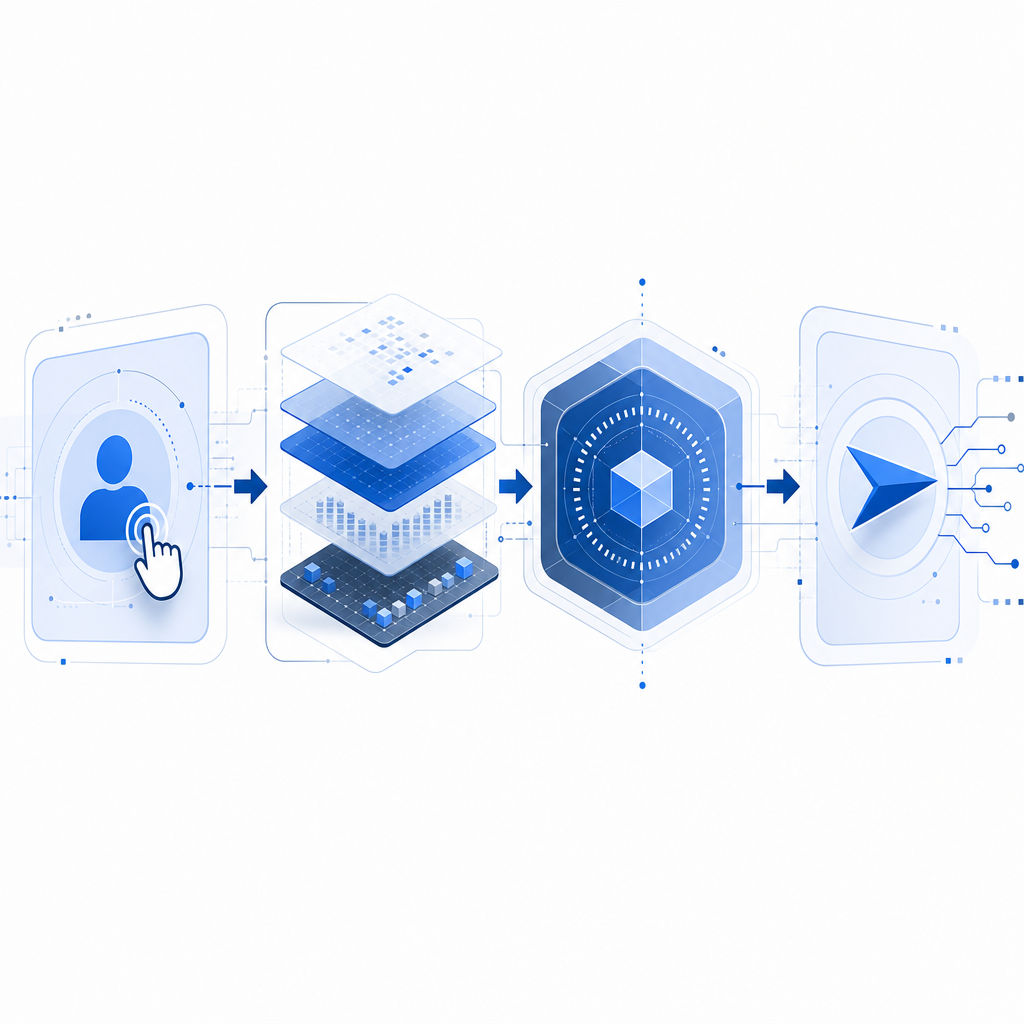
Integrating bot detection scoring into your app or website using CaptchaLa involves a few key steps:
Load the CaptchaLa widget or API
Include the loader scripthttps://cdn.captcha-cdn.net/captchala-loader.jsand initialize the CAPTCHA on your frontend with options tailored to your risk profile.Collect and send verification data
On user interaction, CaptchaLa generates apass_tokenindicating the session's reliability. Submit this token along with the client’s IP address to the validation endpoint:httpPOST https://apiv1.captcha.la/v1/validate Content-Type: application/json X-App-Key: your-app-key X-App-Secret: your-app-secret { "pass_token": "user-token", "client_ip": "user-ip-address" }Process the bot detection score returned
The validation response provides a bot detection score, which you can then interpret to decide whether to accept, challenge, or block the interaction.Adjust rules and thresholds over time
Monitor false positives and negatives, then tune your score thresholds to align with your users' behaviors and security posture.
Captchala offers native support in popular frameworks through SDKs such as JavaScript, React, Vue, iOS, Android, Flutter, and Electron, making integration straightforward across platforms. The freedom to use first-party data also ensures the scores are tailored specifically to your site's traffic characteristics.
Best Practices for Using Bot Detection Scores
Leveraging bot detection scores effectively requires more than just reading a number:
- Combine with other signals: Use bot scores alongside device fingerprinting, network reputation, and business rules to improve accuracy.
- Monitor score trends: Sudden shifts in average scores can signal new bot campaigns or emerging threats.
- Customize enforcement: Adapt thresholds by user role, region, or transaction type for optimal balance.
- Respect privacy: Avoid excessive fingerprinting or invasive checks that harm user trust.
- Test regularly: Use test environments and simulated bot traffic to validate your scoring and blocking rules.
By following these practices, your use of bot detection scores will enhance security without degrading user experience. CaptchaLa’s open documentation and flexible plans support teams of all sizes in building robust defenses.
Conclusion
A bot detection score is a valuable metric that distills complex behavioral, environmental, and network data into a usable indicator of bot likelihood. When integrated thoughtfully, it helps distinguish automated traffic from genuine users, enabling smarter, less intrusive defenses.
Services like CaptchaLa provide transparent, first-party data-focused scoring combined with multi-platform SDKs and internationalization, presenting a compelling option alongside established solutions like reCAPTCHA or Cloudflare Turnstile. Understanding how these scores are computed and applied empowers organizations to reduce fraud, spam, and abuse while maintaining a good user experience.
Where to go next: check out CaptchaLa pricing and explore the detailed docs to implement bot detection scoring tailored to your needs.