
Bot detection mitigation is the process of identifying and preventing automated bot traffic that can disrupt web services, skew analytics, or facilitate fraud. Successfully mitigating bots requires a layered approach combining challenge-response tests, behavioral analysis, and adaptive strategies that balance user experience with security.
Understanding Bot Detection Mitigation
Bots represent a wide range of automated scripts and programs that can mimic human behavior to access web applications. These include malicious bots that scrape data, attempt account takeovers, or carry out denial-of-service attacks. Bot detection mitigation strategies aim to accurately distinguish legitimate users from bots before allowing access or transactions.
Key Components of Bot Mitigation
- Challenges and CAPTCHAs: Asking visitors to solve puzzles or verify they are human by detecting interaction patterns.
- Behavioral Analysis: Monitoring mouse movements, typing speed, and other behavioral biometrics.
- Rate Limiting and IP Reputation: Blocking or restricting suspicious IPs based on known bad actor lists or traffic anomalies.
- Device Fingerprinting: Using browser and device attributes to identify automated tools.
Implementing these components successfully requires seamless integration and ongoing adjustments to evolving bot sophistication.
Comparing Popular Bot Mitigation Solutions
There are well-known options to implement bot mitigation today, each with its own strengths and tradeoffs:
| Solution | Approach | Ease of Integration | User Experience Impact | Data Privacy Considerations | Pricing Model |
|---|---|---|---|---|---|
| reCAPTCHA | Challenge-response CAPTCHAs | Moderate | Medium (visible tests) | Collects extensive user data | Free + Enterprise tiers |
| hCaptcha | Challenge-response & incentives | Moderate | Medium (some friction) | Emphasizes privacy, uses data for captcha training | Pay per usage |
| Cloudflare Turnstile | Invisible challenges | Easy (Cloudflare users) | Low (invisible to users) | Privacy-focused, fewer data collected | Included in Cloudflare plans |
| CaptchaLa | Adaptive CAPTCHA + native SDKs | Easy (8 UI languages, multi-platform) | Low-to-medium (configurable difficulty) | First-party data only, strong privacy | Free + scalable tiers |
Selecting the right solution depends on your traffic patterns, privacy requirements, and developer resources. CaptchaLa offers robust native SDKs for Web (JS, Vue, React), iOS, Android, Flutter, and Electron, making it flexible for a variety of environments. Their approach also uses first-party data exclusively to reduce privacy concerns.
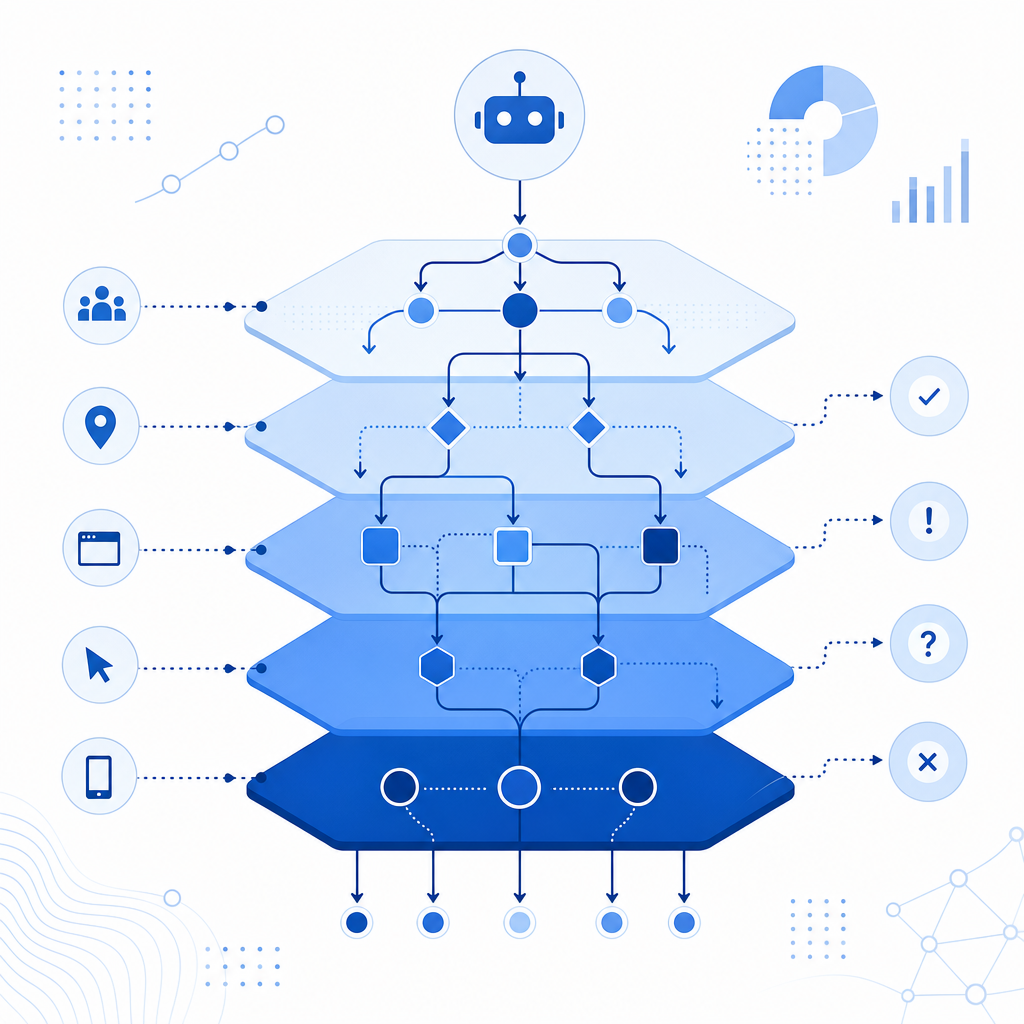
Technical Essentials for Bot Detection Mitigation
To implement effective mitigation, here are core technical specificities worth noting:
- Accurate Token Validation: After user interaction, validate tokens server-side using secure APIs (e.g., CaptchaLa's POST https://apiv1.captcha.la/v1/validate with app keys).
- Adaptive Challenge Difficulty: Dynamically adjust CAPTCHA difficulty based on IP reputation and behavioral data.
- Multi-Language Support: Support multiple languages in challenge UIs to avoid user frustration globally (CaptchaLa supports 8 UI languages).
- Comprehensive SDK Usage: Utilize SDKs across clients (web, mobile) for consistent detection (e.g., CaptchaLa’s JavaScript loader or mobile SDKs).
- Rate Limiting Integration: Combine challenge triggers with backend rate limiting to block high-volume bot traffic patterns.
- Secure Server-Token Issuance: Use server-generated tokens for initiating challenges securely (CaptchaLa’s server-token API POST /server/challenge/issue).
- First-Party Data Privacy: Avoid sending user data to third parties to comply with regulations like GDPR and CCPA.
- Continuous Monitoring: Regularly review logs and update mitigation parameters based on evolving bot tactics.
Here’s a simplified code snippet showing token validation flow for a server endpoint using CaptchaLa's API:
// Example: Node.js server validating captcha token with CaptchaLa
const https = require('https');

function validateCaptchaToken(passToken, clientIp, appKey, appSecret) {
  const data = JSON.stringify({
    pass_token: passToken,
    client_ip: clientIp
  });

  const options = {
    hostname: 'apiv1.captcha.la',
    path: '/v1/validate',
    method: 'POST',
    headers: {
      'Content-Type': 'application/json',
      'Content-Length': data.length,
      'X-App-Key': appKey,
      'X-App-Secret': appSecret,
    }
  };

  return new Promise((resolve, reject) => {
    const req = https.request(options, (res) => {
      let body = '';
      res.on('data', chunk => body += chunk);
      res.on('end', () => resolve(JSON.parse(body)));
    });
    req.on('error', reject);
    req.write(data);
    req.end();
  });
}
This server-side verification protects your application by requiring valid pass tokens generated via user interaction.
Balancing Security and User Experience
One of the biggest challenges in bot detection mitigation is minimizing disruption for real users. Visible CAPTCHAs can deter users if too frequent or difficult. Invisible or adaptive methods provide smoother experiences but require more backend complexity.
Solutions like CaptchaLa allow you to customize challenge difficulty and presentation according to traffic risk levels, enabling a middleground between security and usability. Competitors like Cloudflare Turnstile emphasize invisible challenges but require existing Cloudflare infrastructure.
A thorough mitigation strategy also involves educating teams on bot trends and integrating mitigation signals into broader fraud detection and analytics pipelines.

Conclusion
Bot detection mitigation isn’t a one-size-fits-all task—it demands a layered approach mixing challenge-based tests, behavioral analytics, IP reputation, and adaptive difficulty to stay ahead of evolving threats. Integrating solutions like CaptchaLa provides flexible SDK options, strong privacy safeguards, and multiple platform support to suit varied application needs.
By choosing the right tools and continuously tuning your defenses, you can reduce automated abuse while maintaining a positive experience for your genuine users.
Ready to explore bot detection mitigation options? Visit CaptchaLa Pricing to find a tier that fits your traffic volume or dive into detailed integration steps at CaptchaLa Docs.