
A bot detection library is software you integrate into your website or app to identify and block automated traffic that can cause fraud, spam, or abuse. At its core, a bot detection library must reliably distinguish humans from bots in real time, with minimal user friction and scalable performance. Choosing the right library involves evaluating detection accuracy, integration flexibility, language support, privacy compliance, and ongoing maintenance.
What is a Bot Detection Library?
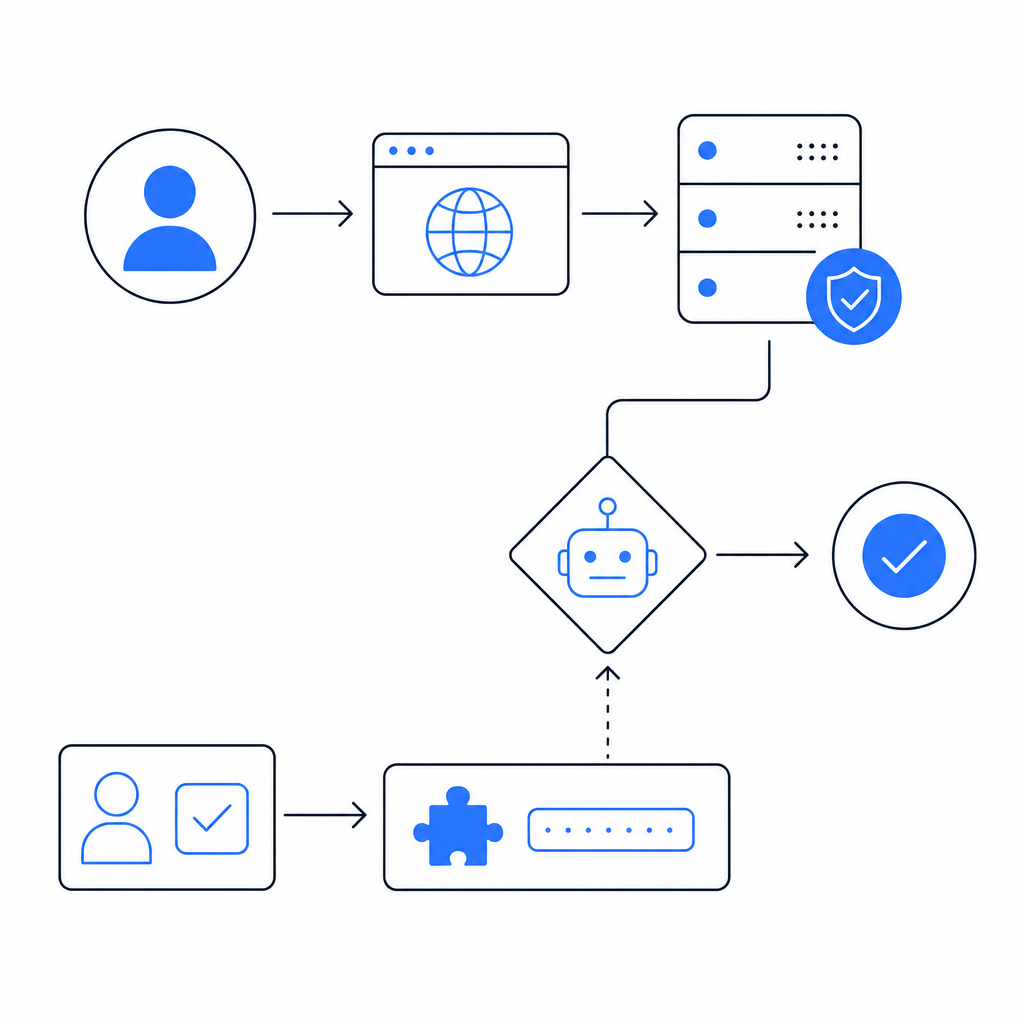
Bot detection libraries analyze user interactions—such as mouse movements, keystrokes, request patterns, and environmental signals—to detect behaviors consistent with automated scripts or malicious bots. The library then triggers challenges, risk assessments, or outright blocking of suspicious traffic.
They fit into the security stack by providing a frontline defense against:
- Credential stuffing and account takeover attempts
- Spam comment or form submissions
- Ticket scalping and inventory hoarding
- API abuse and DDoS attacks
Typically offered with SDKs for client and server integrations, these libraries balance usability and security. For example, CaptchaLa offers native SDKs for Web (React, Vue, JS), mobile platforms (iOS, Android, Flutter), Electron desktop apps, plus server SDKs in PHP and Go. This flexibility enables seamless integration across diverse tech stacks.
Key Features to Evaluate in a Bot Detection Library
When selecting a bot detection library, consider these critical capabilities and technical details:
1. Detection Accuracy and Adaptability
High-accuracy detection differentiates legitimate users from bots effectively, minimizing false positives that frustrate users. Adaptive algorithms analyze behavioral biometrics, traffic patterns, known bot signatures, and IP reputation.
2. Integration and SDK Support
A broad range of SDKs and APIs eases integration into your existing infrastructure. Look for client SDKs that support your frontend framework plus server-side validation endpoints to verify tokens or challenges securely.
Here's an example snippet of how a server-side validation might look with CaptchaLa's API (in pseudocode):
// Validate CaptchaLa token on your server
http.post('https://apiv1.captcha.la/v1/validate', {
  pass_token: userToken,
  client_ip: userIp
}, {
  headers: { 'X-App-Key': 'your_key', 'X-App-Secret': 'your_secret' }
});
3. User Experience and Accessibility
Bot detection should not degrade genuine user experience. Invisible or frictionless challenges keep legitimate users happy. Accessibility compliance and UI language support are also important—CaptchaLa supports 8 UI languages natively.
4. Privacy and Compliance
Since bot detection involves user data collection, ensure the library follows data protection regulations (GDPR, CCPA). CaptchaLa emphasizes first-party data usage, which can be beneficial for compliance compared to third-party services.
5. Pricing and Usage Limits
Understand the pricing tiers, request volume limits, and what triggers potential overage costs. CaptchaLa offers a free tier for 1000 validations per month, with scalable plans up to 1 million validations to fit different businesses.
Comparison: Popular Bot Detection Libraries
| Feature | CaptchaLa | reCAPTCHA | hCaptcha | Cloudflare Turnstile |
|---|---|---|---|---|
| SDK Support | Web (React, Vue), iOS, Android, Flutter, PHP, Go | Web SDK only | Web, Mobile SDKs (limited) | Web SDK |
| UI Language Support | 8 languages | Multiple languages | Multiple languages | Limited |
| Data Handling | First-party data only | Google data collection | Third-party data | Cloudflare network data |
| Pricing | Free + scalable paid tiers | Free | Usage-based pricing | Free |
| User Experience | Invisible modes, configurable | Often requires CAPTCHA challenges | Configurable challenges | Mostly invisible |
| Open Source SDKs | Yes | Limited open source | Yes | No |
Each library has strengths depending on use case: reCAPTCHA is widely adopted but relies on Google’s ecosystem, hCaptcha emphasizes privacy and monetization options, Turnstile is easy for Cloudflare users, and CaptchaLa focuses on SDK breadth and first-party data control.
How CaptchaLa Fits into Your Security Stack
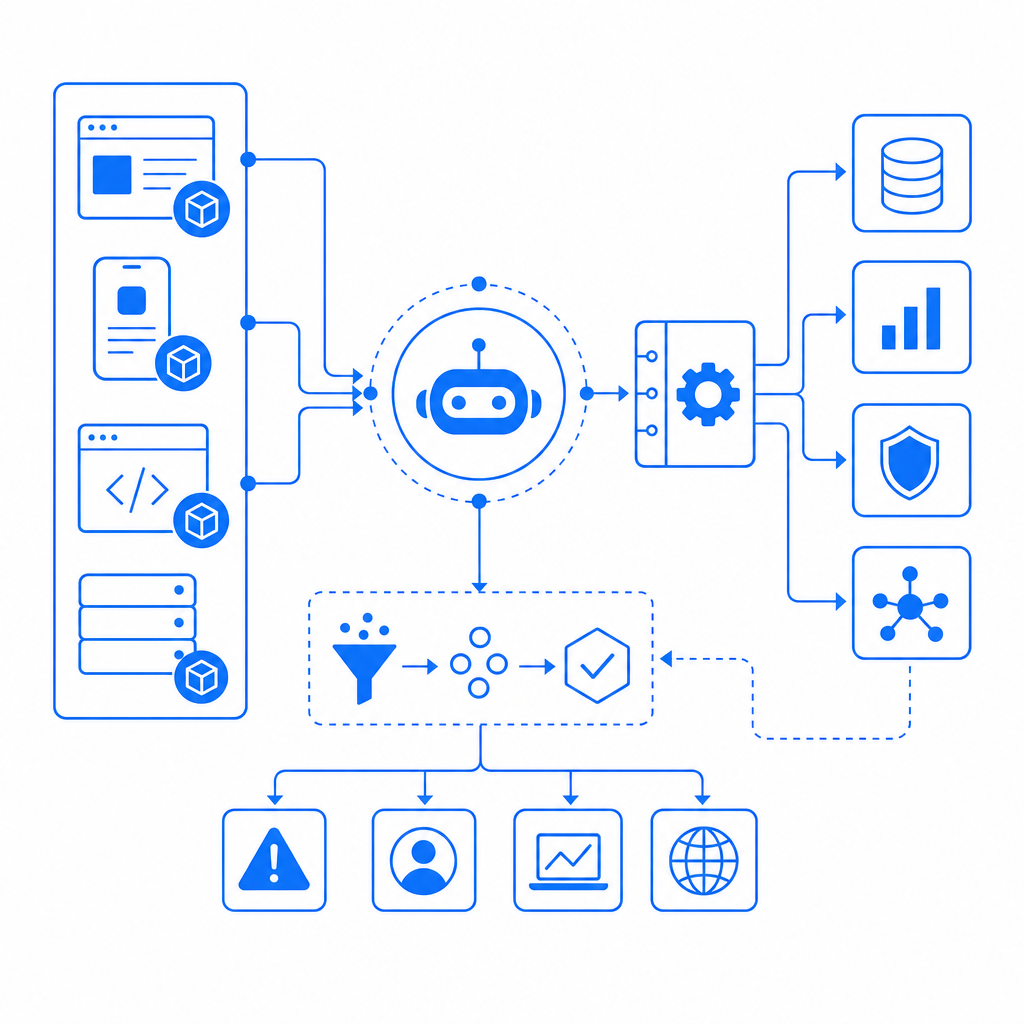
CaptchaLa offers a robust, developer-friendly bot detection library designed for projects that value multi-platform SDKs and privacy-conscious data handling. With server-token issuance endpoints and a lightweight JavaScript loader (https://cdn.captcha-cdn.net/captchala-loader.js), it integrates seamlessly without slowing down user workflows.
You can get started quickly using the Maven or CocoaPods packages (la.captcha:captchala:1.0.2 for Java, Captchala 1.0.2 for iOS) or pub.dev for Flutter. The API architecture supports easy server-side verification calls post-challenge.
Beyond blocking bots, CaptchaLa’s SaaS supports monitoring suspicious traffic trends, enabling you to adjust rules dynamically to balance security and user convenience.
Summary
A bot detection library is a crucial component for mitigating automated abuse in modern online services. Choosing the right library requires:
- Strong detection accuracy with adaptive, behavior-based analysis
- Broad SDK and platform support for seamless integration
- Minimal impact on user experience with accessible, multi-language UI
- Privacy-first data policies aligned with compliance needs
- Transparent pricing and scalable usage options
Comparing offerings like CaptchaLa, reCAPTCHA, hCaptcha, and Cloudflare Turnstile can help you decide based on your technology stack, user base, and privacy stance.
Where to go next? Check out CaptchaLa's pricing page to see plans that fit different traffic volumes, or explore the detailed documentation to start implementation.
Secure your application today with a bot detection library that fits your needs and respects your users.