
Bot detection GitHub repositories provide ready-made solutions to identify and block automated traffic from malicious bots. These open-source projects vary widely in approach, complexity, and integration ease. Whether you are a developer or security engineer, understanding the landscape of bot detection tools on GitHub will help you pick the best fit for your web application or service. This article breaks down popular projects, their key tech, and how solutions like CaptchaLa integrate modern bot defense into your stack.
Understanding Bot Detection on GitHub
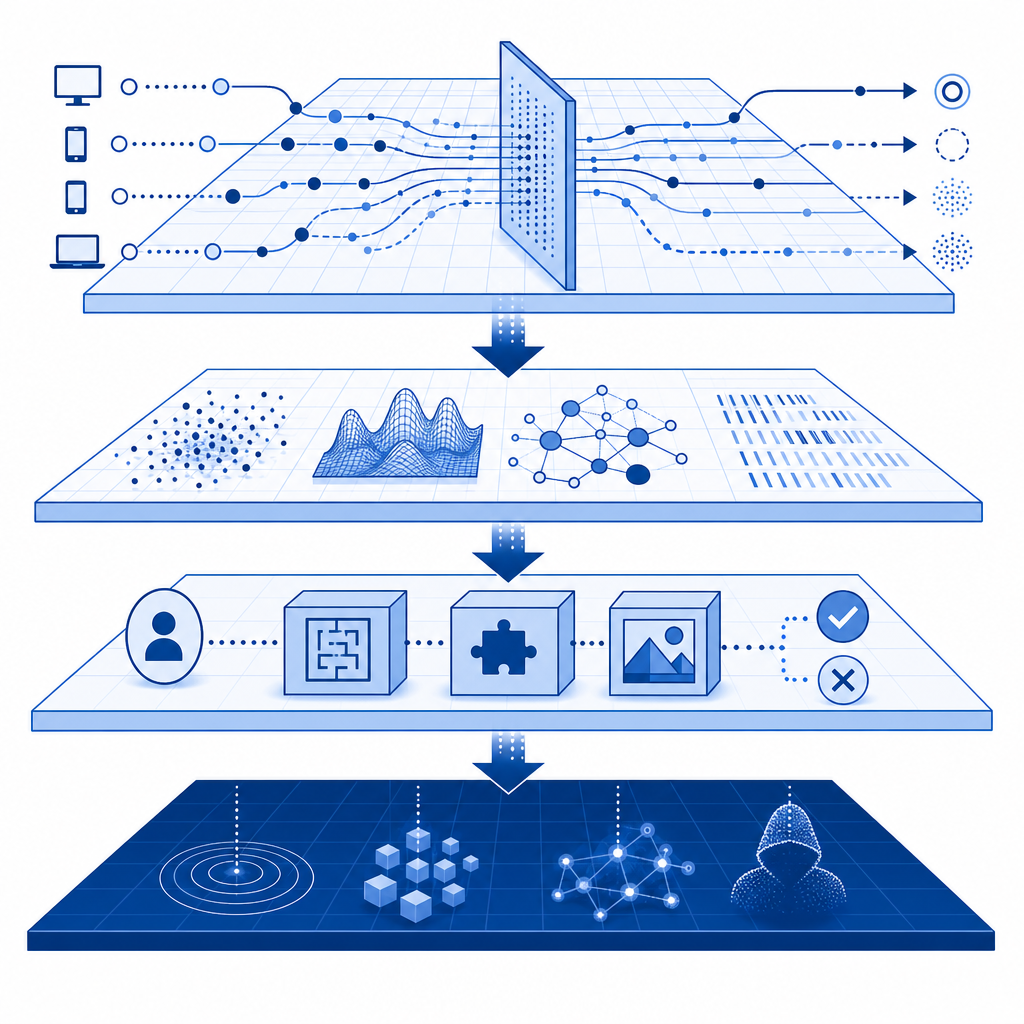
GitHub hosts many bot detection projects, each with different focuses: some use simple rate limiting, others leverage machine learning or behavioral analysis, while CAPTCHA solutions add human verification layers. The core goal is consistent — distinguish bots from genuine users accurately without degrading user experience.
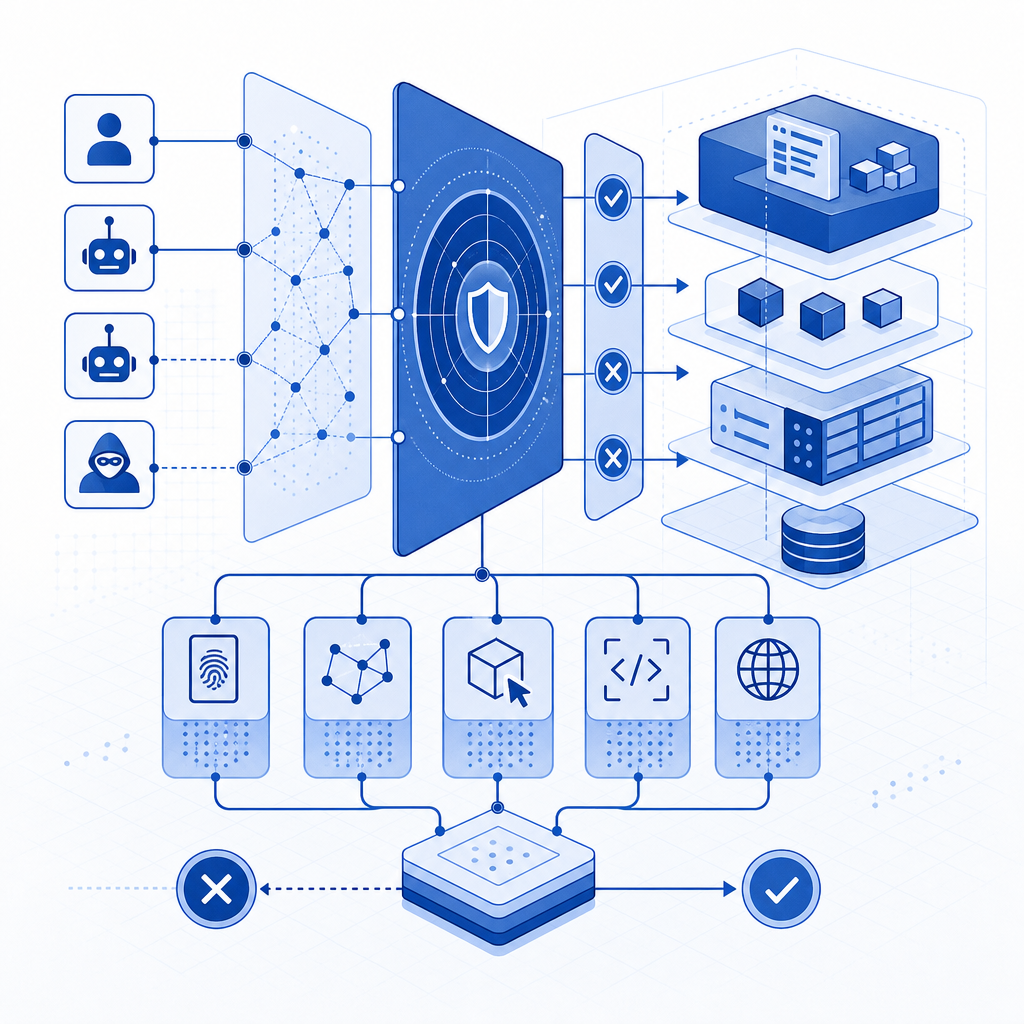
Most bot detection repositories on GitHub provide the following components:
- Traffic analysis — Inspect request headers, IP reputation, and request patterns.
- Fingerprinting — Browser or device fingerprint to track unusual patterns.
- Challenge mechanisms — CAPTCHA, JavaScript puzzles, or other tasks bots struggle to complete.
- Integration tools — Middleware, SDKs, or APIs to embed detection in your app stack.
While open-source projects offer flexibility and transparency, self-hosted bot detection requires ongoing tuning and maintenance to avoid false positives or negatives. This is why some teams prefer managed services like CaptchaLa, which provide scalable SaaS solutions with native SDKs and multi-language support.
Popular Bot Detection GitHub Projects Compared
Here’s a comparison of several notable GitHub repositories addressing bot detection:
| Project | Approach | Language | Key Features | Maintenance | Comments |
|---|---|---|---|---|---|
| BotSniffer | Behavioral analysis + heuristics | Python | Analyzes request timing patterns | Moderate | Good for identifying scraping bots |
| OpenBotHunter | Fingerprinting + challenge | Node.js | Browser fingerprinter + CAPTCHA | Active | Combines multiple bot signals |
| Captcha | CAPTCHA generation & validation | JavaScript | Customizable CAPTCHA widgets | Low | Basic CAPTCHA without AI integration |
| BotD by Cloudflare | ML-driven bot detection | JavaScript | Browser behavior modeling | Very Active | Used in Cloudflare Turnstile |
| Yaffle/Bouncer | JavaScript challenge puzzle | TypeScript | Single-page app middleware | Moderate | Lightweight, but less sophisticated |
Each project addresses bot detection from a unique angle, and your choice depends on factors like your backend language, traffic volume, and tolerance for false positives.
What Sets SaaS Solutions Apart?
Unlike many GitHub projects, SaaS platforms such as CaptchaLa come with built-in global IP data, threat intelligence updates, and native SDKs for Web(JS/Vue/React), iOS, Android, Flutter, and Electron. Their validation APIs handle complexity in the backend, freeing your dev team to focus on core product features.
Technical Details - How to Use Bot Detection Github Repos
Here’s a basic example of implementing a bot detection middleware using a simplified GitHub project concept in Node.js:
// Example middleware to detect rapid repeat requests (basic bot detection)
function botDetectionMiddleware(req, res, next) {
  // Track request timestamps per IP
  const ip = req.ip;
  if (!requestLog[ip]) requestLog[ip] = [];

  const now = Date.now();
  // Keep only last 10 seconds entries
  requestLog[ip] = requestLog[ip].filter(t => now - t < 10000);
  requestLog[ip].push(now);

  if (requestLog[ip].length > 20) {
    // More than 20 requests in 10 seconds from same IP = possible bot
    return res.status(429).send('Too many requests - Bot detected');
  }

  next();
}
This code is a starting point, illustrating how basic heuristics detect suspicious patterns. More advanced GitHub projects often combine device fingerprinting and CAPTCHA challenges to reduce false positives.
Integrating CaptchaLa for Robust Bot Detection
While open-source projects are valuable for experimentation or small projects, injecting a mature bot defense service can significantly improve security without the operational overhead.
CaptchaLa offers:
- Multi-language support: 8 UI languages for global reach.
- Native SDKs: Web (JS/Vue/React), iOS, Android, Flutter, Electron, plus server SDKs (
captchala-php,captchala-go). - API-driven validation: POST to
https://apiv1.captcha.la/v1/validatewith pass tokens and IP. - Flexible plans: Free tier for 1000 validations per month, scaling to business-level 1M+.
Integration simplicity combined with flexible pricing lets teams upgrade from GitHub projects as their bot threat evolves.
Comparing CaptchaLa with Competitors on GitHub Ecosystem
There are plentiful CAPTCHA and bot detection tools like Google’s reCAPTCHA and hCaptcha. Cloudflare Turnstile is gaining traction as a privacy-friendly alternative. Unlike some competitors that require user data collection or 3rd party dependencies, CaptchaLa emphasizes first-party data use and customizable SDKs tailored for developers preferring control and privacy.
| Feature | CaptchaLa | reCAPTCHA | hCaptcha | Cloudflare Turnstile |
|---|---|---|---|---|
| First-party data only | Yes | No | No | No |
| SDK support | Extensive (8 langs) | JS only | JS only | JS only |
| Pricing | Free to 1M+ tier | Free + Paid tiers | Paid tiers | Free |
| Privacy focus | High | Medium | Medium | High |
While reCAPTCHA and hCaptcha are popular and widely adopted, some developers seek the extensibility and open standards-friendly nature of CaptchaLa, especially for internationalization and mobile app integration.
Conclusion: Choosing the Right Bot Detection Approach
GitHub hosts numerous open-source bot detection projects offering flexibility and transparency. However, complexity in tuning and evolving threats place a maintenance burden on in-house solutions. SaaS providers like CaptchaLa provide a balanced alternative with native SDKs, multi-channel support, and ongoing updates, freeing teams to focus on their apps rather than bot threat logistics.
For developers and teams exploring bot detection on GitHub, it’s critical to:
- Evaluate your app’s traffic patterns and bot threat severity.
- Consider ease of integration and maintenance overhead.
- Factor in privacy and compliance requirements.
- Decide if a managed service or open-source approach better fits your roadmap.
Where to go next? Explore CaptchaLa pricing or dive into the docs to see how CaptchaLa’s SDKs can fit your bot detection needs seamlessly.