
Bot review detection is a strategy for identifying automated or fake reviews submitted by bots rather than genuine users. These bots can flood websites with deceptive feedback, manipulate ratings, and undermine trust. Effectively detecting bot reviews relies on a combination of behavior analysis, challenge-response tests, and contextual signals to distinguish potentially fraudulent or automated submissions from authentic ones.
This approach protects e-commerce sites, app stores, and review platforms from spam, fake ratings, and distorted reputation that bots create. Understanding how bot review detection systems function and how they compare can help businesses choose suitable defenses to maintain review integrity.
What Is Bot Review Detection?
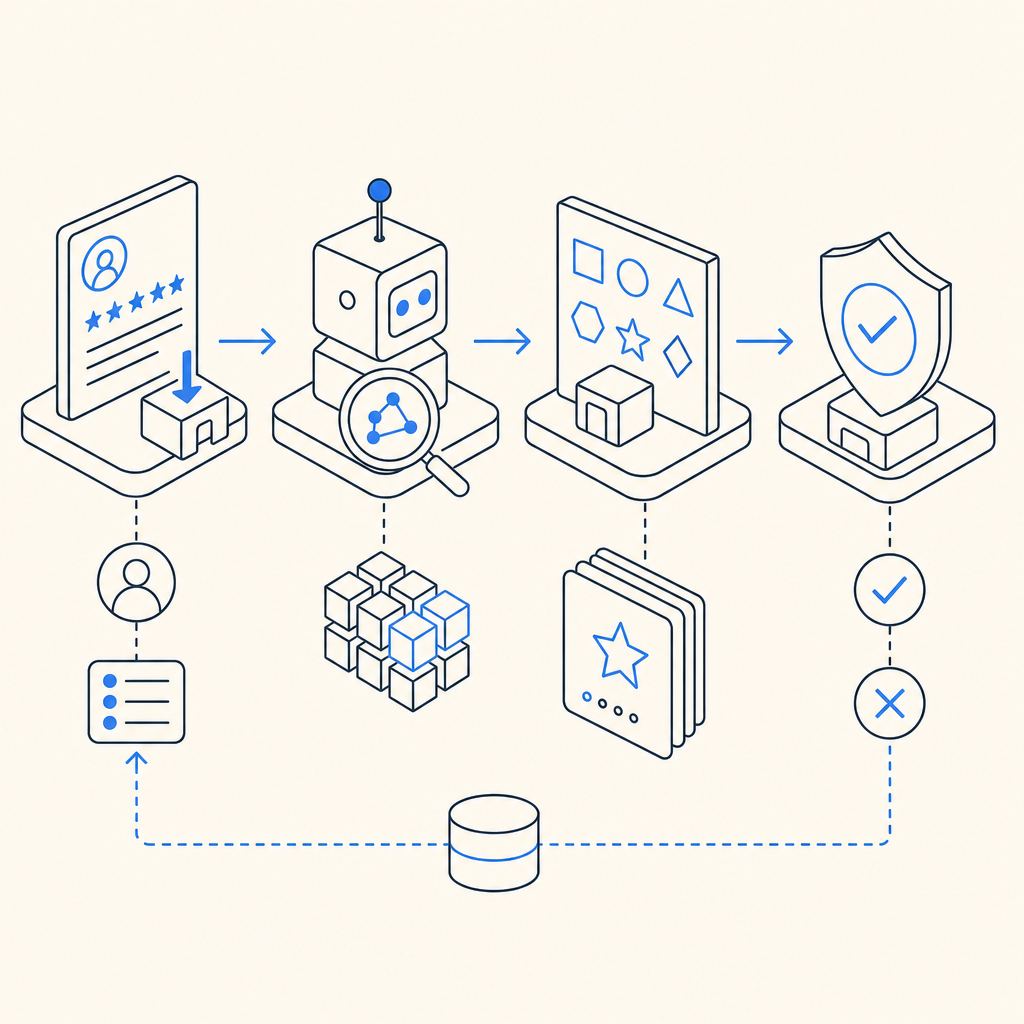
Bot review detection is the method of analyzing incoming reviews and the submitting entities to separate human-written feedback from automated or scripted actions. Unlike spam filters that look at text content alone, bot detection focuses on the user’s interaction patterns, IP reputation, frequency, and challenge-solving ability.
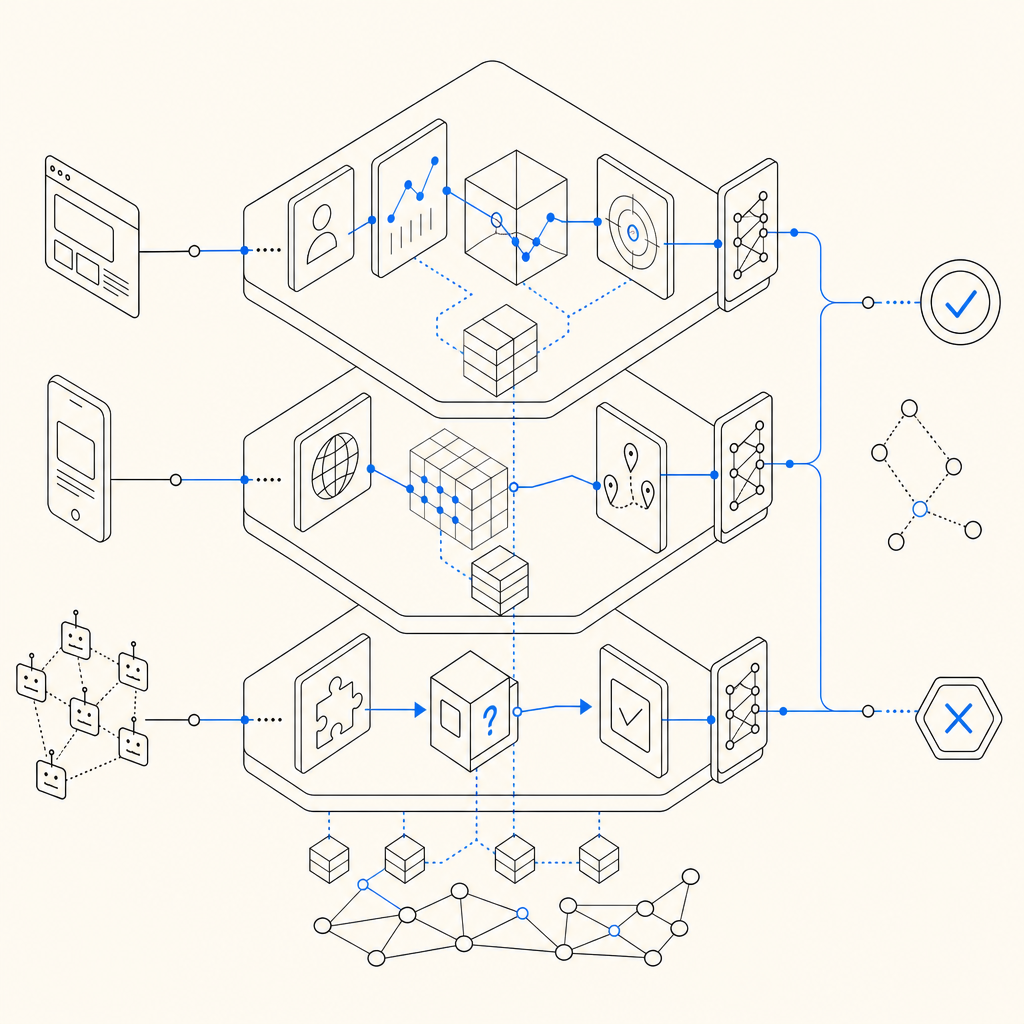
Automated bots often try to bypass simple text filters by mimicking human language or using stolen accounts. Detection systems add layers of defense such as:
- Requiring CAPTCHA or behavioral challenges
- Monitoring time and click patterns during review submission
- Cross-referencing IPs with known proxy or bot networks
- Tracking account history and activity patterns
This multifaceted approach reduces false positives while flagging suspicious activity reliably.
Bot Review Detection vs. Traditional Spam Filters
| Feature | Bot Review Detection | Traditional Spam Filters |
|---|---|---|
| Focus | Bot behavior and interaction signals | Review content and keywords |
| Challenge Requirement | Often includes CAPTCHAs or challenges | Usually none |
| Account/IP Reputation Check | Commonly included | Rare |
| False Positive Risk | Lower with adaptive analytics | Higher due to keyword reliance |
| Adaptive Learning | Yes, through behavior analysis | Limited |
Bot review detection complements existing spam filters by adding behavioral context, making it more resilient to sophisticated bot tactics seen nowadays.
Core Techniques for Detecting Bot Reviews
1. Behavioral Analysis
Bots often submit reviews at volumes, speeds, or patterns inconsistent with human activity. Systems track:
- Time taken to navigate and submit review forms
- Mouse movement irregularity or lack thereof
- Consistency in input patterns across multiple submissions
These metrics help flag high-risk reviews before posting.
2. Challenge-Response Tests (CAPTCHAs)
Effective bot review detection employs CAPTCHAs that require users to solve puzzles or identify objects to prove they are human. Unlike legacy text CAPTCHAs, modern solutions use invisible or risk-based challenges to maintain user experience.
Platforms such as CaptchaLa provide flexible SDKs and native integration for multiple environments (Web, iOS, Android, Flutter) to implement frictionless bot challenges while protecting user flow. Popular alternatives include Google reCAPTCHA, hCaptcha, and Cloudflare Turnstile, each balancing security and user convenience differently.
3. IP & Device Reputation
Checking IP addresses against global blacklists helps detect known botnets or proxy usage. Device fingerprinting detects repeated use of the same environment for multiple reviews or suspicious device traits.
4. Account and Historical Data Signals
Bots often create or use cluster accounts for review spam. Detection platforms correlate account age, past activity, and review diversity to assess risk scores. Anomalies such as multiple rapid reviews from new accounts trigger flags.
Implementing Bot Review Detection with CaptchaLa
CaptchaLa offers an easy-to-integrate approach for bot review detection with customizable challenges and adaptive risk scoring. Some key technical highlights include:
- Multi-platform SDKs: JavaScript (including Vue and React), native iOS, Android, Flutter, and Electron SDKs for seamless UI integration.
- Server-side validation: POST calls to
https://apiv1.captcha.la/v1/validatewith parameters likepass_tokenandclient_ipensure backend verification. - Risk-based challenges: Choose challenge types based on traffic patterns and risk tolerance.
- Localization: UI available in 8 languages supporting international audiences.
Example server-side validation code snippet (in pseudocode):
# Validate captcha token and client IP with CaptchaLa API
response = http_post(
    url="https://apiv1.captcha.la/v1/validate",
    headers={"X-App-Key": APP_KEY, "X-App-Secret": APP_SECRET},
    json={"pass_token": client_token, "client_ip": user_ip}
)
if response.status == 200 and response.json().success:
    # Proceed with accepting the review
else:
    # Block or flag suspicious review submission
CaptchaLa’s free tier supports up to 1,000 validations per month, with scalable options reaching 1 million validations for business plans. This makes it easy to experiment with bot detection and adjust based on traffic needs. The pricing page offers transparent details for all plans.
Comparing CaptchaLa with Other Bot Review Detection Tools
| Feature | CaptchaLa | reCAPTCHA | hCaptcha | Cloudflare Turnstile |
|---|---|---|---|---|
| Supported platforms | Web, iOS, Android, Flutter, Electron | Web only | Web only | Web only |
| Invisible bot detection | Yes, risk-based | Yes | Yes | Yes |
| Server-side validation APIs | Available | Limited (token verification) | Available | Available |
| Localization support | 8 UI languages | Multiple languages | Multiple languages | Limited |
| Pricing | Free to 1M validations/month | Free (with Google data sharing) | Free + paid tiers | Free |
| Data privacy | First-party data only | Data shared with Google | Data may be shared with hCaptcha | Data handled by Cloudflare |
While CaptchaLa emphasizes privacy and multi-platform SDK support, competitors have entrenched ecosystems and large user bases. Selecting a solution depends on your priorities around platform diversity, privacy, and traffic volume.
Final Thoughts on Bot Review Detection
Bot review detection is essential for websites relying on user feedback to sustain credibility. By combining behavioral signals, challenge-response mechanisms, IP/device reputation, and account history, businesses can effectively filter out fake reviews orchestrated by bots.
Solutions like CaptchaLa offer flexible, developer-friendly tools for integrating bot review detection into your applications, alongside transparent documentation and competitive pricing. Review platforms that implement these defenses will foster genuine engagement and protect user trust over time.
To explore implementing bot review detection with CaptchaLa, visit the documentation to get started or check out the pricing plans that suit your scale and use case. Protect your reviews and keep fake feedback at bay.