
A bot detection dataset is a collection of labeled data used to identify and differentiate human users from automated bots. This dataset typically consists of behavioral signals, traffic logs, device fingerprints, and interaction patterns collected from real users and malicious bots. Having a well-curated bot detection dataset is foundational for building accurate machine learning models and heuristic systems that power CAPTCHA and other bot mitigation services.
Bot detection datasets serve as the training and validation material for algorithms to recognize suspicious activities, such as scripted mouse movements, rapid form submissions, or abnormal IP behavior. Without representative and up-to-date datasets, bot defense systems risk either falsely blocking legitimate users or letting harmful bots bypass defenses. This post explores what makes a quality bot detection dataset, the role it plays in different anti-bot solutions, and how providers like CaptchaLa integrate such data to improve protection.
What Comprises a Bot Detection Dataset?
A bot detection dataset generally includes several categories of data:
- Behavioral data: Mouse trajectories, keystrokes, scroll events, and click timing. Bots tend to generate unnatural, repetitive, or overly fast input sequences.
- Network data: IP addresses, geolocation, connection types, and request headers. Patterns like high request rates from a single IP or use of proxy services can indicate automated traffic.
- Device and browser fingerprints: User-Agent strings, screen resolution, timezone. Bots may try to mimic browsers but often leave telltale inconsistencies.
- Challenge responses: Results from CAPTCHAs or interactive challenges, showing whether the client could solve them successfully or not.
Labeling the data accurately is crucial. Typically, logs marked as “bot” come from known probing/scanning tools, credential stuffing attacks, or identified scraper IPs. “Human” entries are either verified users or traffic coming from verified sessions.
The diversity and freshness of this dataset help maintain detection efficacy. Attackers constantly evolve their techniques, so datasets need continuous updating from live traffic to stay relevant.
Data Sources for Bot Datasets
- Passive monitoring: Gathering anonymized traffic logs and user event data from websites or apps.
- Honeypots: Fake resources designed to attract bots but invisible to humans.
- Third-party threat feeds: Shared blacklists and known bad IP repositories.
- Challenge systems: Results collected from CAPTCHAs and challenge responses.
These feed into training a bot detection model or setting up heuristic rules.

Role of Bot Detection Datasets in Popular Solutions
Leading anti-bot technologies rely heavily on quality datasets to power their detection logic and challenge generation.
| Feature / Provider | Dataset Use | Approach | Platforms Supported |
|---|---|---|---|
| CaptchaLa | First-party behavioral & challenge response data | ML models + heuristic scoring | Web (JS/Vue/React), iOS, Android, Flutter, Electron |
| reCAPTCHA (Google) | Large-scale telemetry from millions of sites | Risk analysis + invisible challenges | Web, Android, iOS SDKs |
| hCaptcha | Crowd-sourced labeled challenges + behavioral patterns | AI models + human verification | Web, Mobile SDKs |
| Cloudflare Turnstile | Traffic patterns & global threat intelligence | Heuristic risk scoring | Web |
Each vendor depends on continuous data collection to refine their bot detection and reduce false positives. For example, CaptchaLa’s dataset includes interaction data captured via their native SDKs and validated through server APIs. This enables real-time scoring based on client IP and behavioral tokens.
Building and Using a Bot Detection Dataset: A Practical Overview
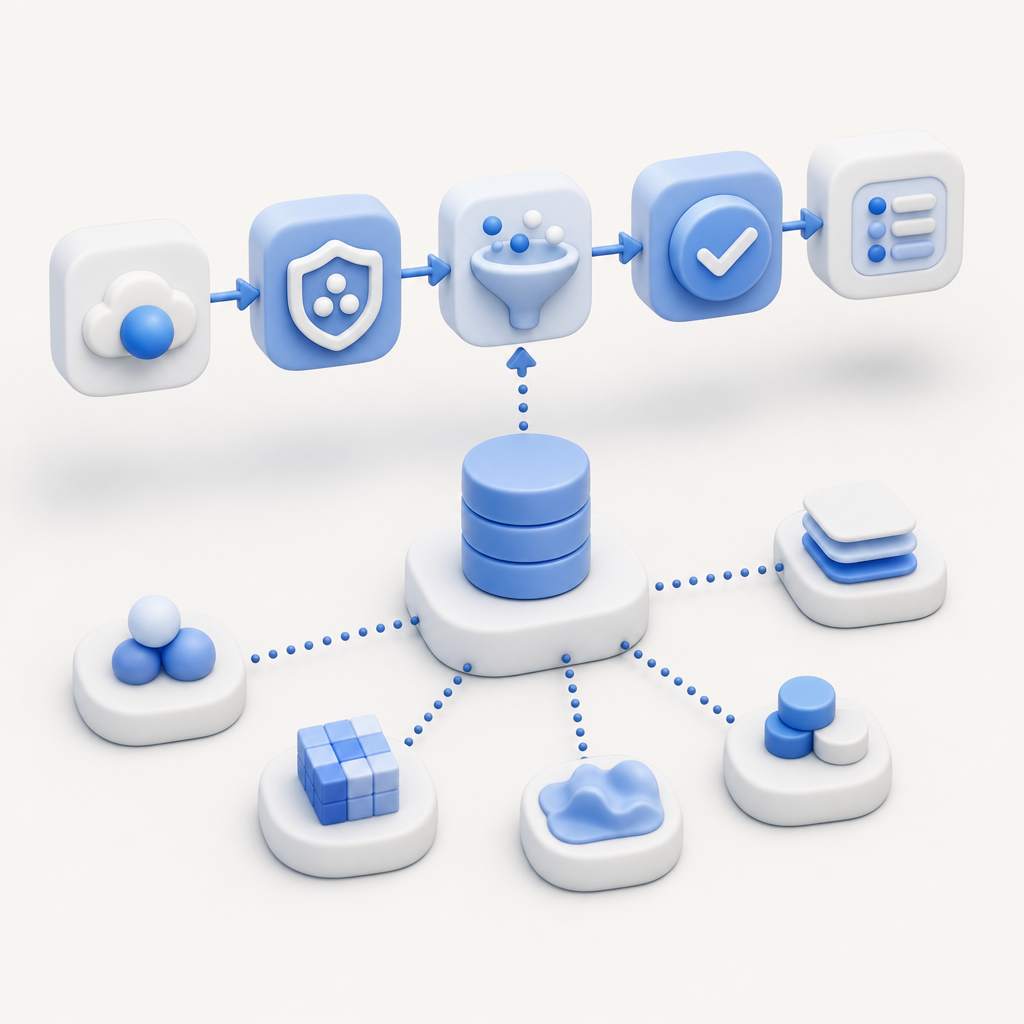
Creating a robust bot detection dataset involves a series of technical steps:
- Data collection: Implanted SDKs or scripts record relevant user interaction data and metadata.
- Labeling: Using known bot signatures, manual review, or challenge success/failure results to tag data points as human or bot.
- Feature extraction: Transform raw data into features such as average mouse speed, click intervals, or IP reputation scores.
- Training/Heuristics: Feed features into machine learning models or heuristic rules that classify traffic.
- Validation: Test models on separate sets to measure accuracy, precision, and recall.
- Continuous update: Incorporate fresh incoming traffic logs and re-train periodically to adapt.
Here is a simplified example of processing a bot detection request with CaptchaLa’s API in pseudocode:
// Collect interaction token and client IP from frontend
pass_token = getClientPassToken()
client_ip = getClientIP()

// Prepare validation request payload
payload = {
  "pass_token": pass_token,
  "client_ip": client_ip
}

// Send POST request to CaptchaLa validation endpoint
response = post("https://apiv1.captcha.la/v1/validate", payload, headers={"X-App-Key": API_KEY, "X-App-Secret": API_SECRET})

// Analyze response to decide if request is bot or human
if response.status == "success" and response.score > 0.8:
  allowAccess()
else:
  blockOrChallengeUser()
This flow depends on the underlying dataset powering the scoring model to assign a bot likelihood confidently.
Challenges and Considerations in Dataset Management
Managing a bot detection dataset is not without hurdles:
- Privacy and compliance: Collecting user interaction data must comply with GDPR, CCPA, and other regulations. Anonymization and user consent are essential.
- Data imbalance: Human traffic usually greatly outweighs bot traffic, requiring techniques like oversampling or weighting for balanced model training.
- Evolving bot tactics: Attackers continually improve bots to mimic human patterns, necessitating rapid dataset updates.
- False positives: Incorrect labeling or model errors can alienate legitimate users, so datasets and models must be carefully tuned.
Providers like CaptchaLa openly document their trusted methodology and provide plugins in common languages such as JavaScript, Flutter, and PHP SDKs to sync with their backend validation service. This integration ensures datasets stay accurate and attacks are mitigated efficiently.
Comparing CAPTCHA Providers Through Dataset Lens
While many anti-bot tools claim similar overall features, their dataset strategy often differs significantly:
| Aspect | CaptchaLa | reCAPTCHA | hCaptcha | Cloudflare Turnstile |
|---|---|---|---|---|
| Dataset Source | First-party, challenge + behavioral | Google telemetry, global scale | Crowd-labeled challenges | Global threat intelligence |
| Data Ownership | Client-owned, no third-party sharing | Google proprietary | Third-party data aggregation | Proprietary |
| Challenge Types | Multiple UI languages, adaptive | Invisible & interactive | Interactive puzzles | Invisible |
| Integration SDKs | Broad native SDK support | Widely supported | Broad support | Web-centric |
Understanding these nuances helps developers pick the right solution based on control, transparency, and platform needs.
Conclusion
A bot detection dataset forms the foundation of effective online bot defense by providing real-world data for training detection models and crafting challenges. It includes behavioral signals, network data, and challenge results collected from live traffic. Good datasets require continuous update, careful labeling, and privacy-conscious management to maintain efficacy.
Solutions like CaptchaLa leverage these datasets to deliver reliable bot detection powered by native SDKs, multiple languages, and straightforward API validation. While alternatives like reCAPTCHA, hCaptcha, and Cloudflare Turnstile utilize varied data scopes and tactics, all depend heavily on datasets to distinguish humans from increasingly sophisticated bots.
As bot operators innovate, the importance of rich, diverse, and current bot detection datasets will only grow. Leveraging these datasets wisely can reduce false positives, improve user experience, and better secure online platforms from automated abuse.
To dive deeper into implementing bot detection with CaptchaLa, check out our docs or explore our flexible pricing plans tailored for different traffic volumes and integration needs.