
Bot detection CJA — short for Continuous Journey Analysis — is a method of identifying automated traffic by analyzing user behavior throughout the entire interaction session instead of relying on a single moment check. This approach makes it much harder for bots to evade detection because it gathers rich, contextual data from various touchpoints, resulting in more accurate bot risk scoring.
Understanding bot detection CJA is important for improving your website or app’s defenses against scraping, credential stuffing, spam, and other automated abuse vectors.
What Is Bot Detection CJA?
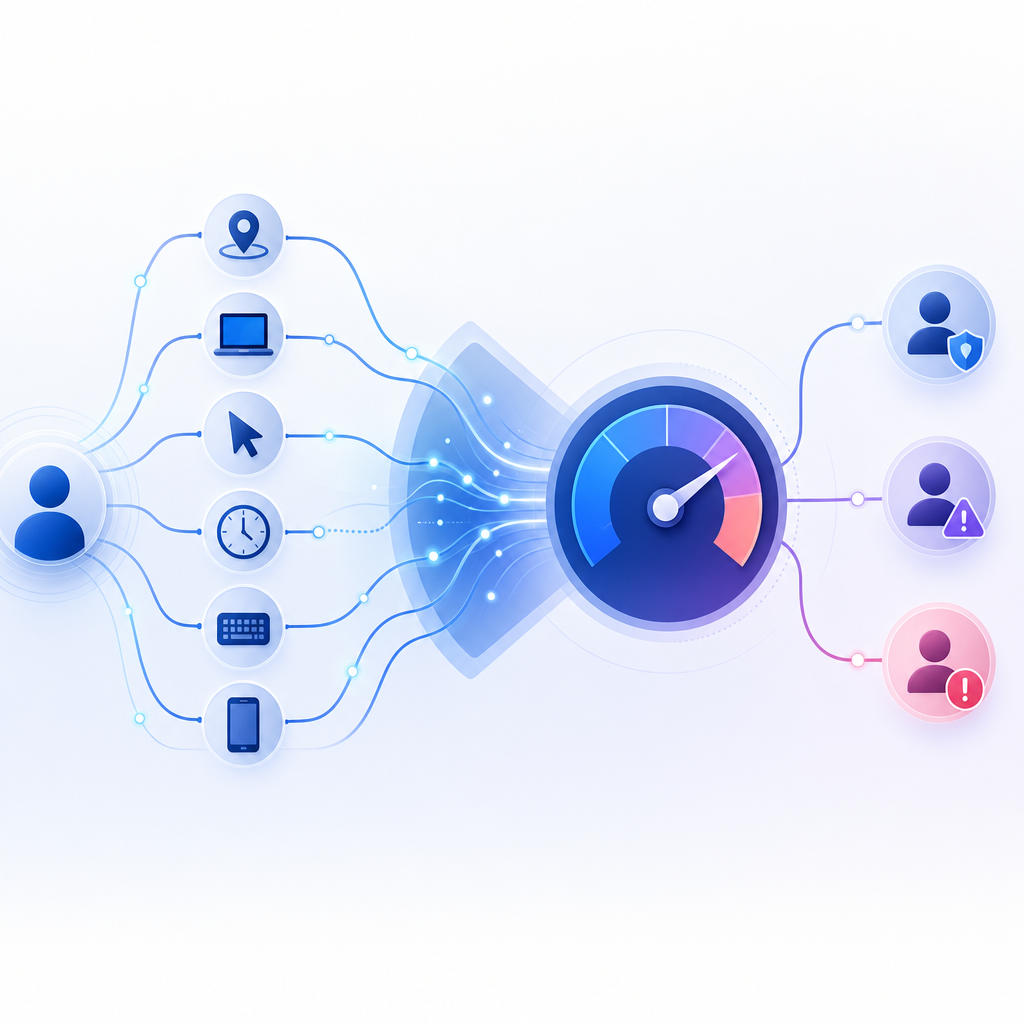
Bot detection CJA focuses on analyzing the full lifecycle of a user's interaction with your service. Instead of a single CAPTCHA challenge or IP reputation check, it continuously monitors behavioral signals such as:
- Mouse movements and typing patterns
- Time intervals between actions
- Request consistency and navigation flow
- Device fingerprinting and browser environment
This continuous observation builds a risk profile for each visitor, allowing bot defense systems to intervene only when suspicious patterns emerge. The goal is to minimize false positives on legitimate users while keeping automated attackers out.
For example, if a user logs in, browses pages, and performs actions within human-like timing and interaction patterns, the CJA system reduces restrictions. But if the session shows abrupt, repetitive, or scripted behavior, the bot detection triggers secondary verification or blocking.
Benefits of Continuous Journey Analysis for Bot Detection
Continuous Journey Analysis offers several advantages over traditional one-off bot checks:
- Improved accuracy: By correlating signals over time, CJA detects subtle anomalies bots cannot easily mask.
- Reduced user friction: Legitimate users experience fewer verification prompts since risk is assessed dynamically.
- Adaptive defense: The system learns and adapts to emerging bot tactics by continuously updating the risk model.
- Better analytics: CJA provides detailed insights into visitor behavior and threat patterns, enabling smarter security policies.
Many bot defense solutions incorporate varying degrees of journey analysis. For instance, Google’s reCAPTCHA v3 evaluates user interactions to assign a risk score behind the scenes. Cloudflare Turnstile also uses behavioral heuristics to streamline user verification. CaptchaLa combines these principles with configurable risk thresholds and native SDKs for diverse platforms to empower developers with customizable bot detection CJA.
How CaptchaLa Implements Bot Detection CJA
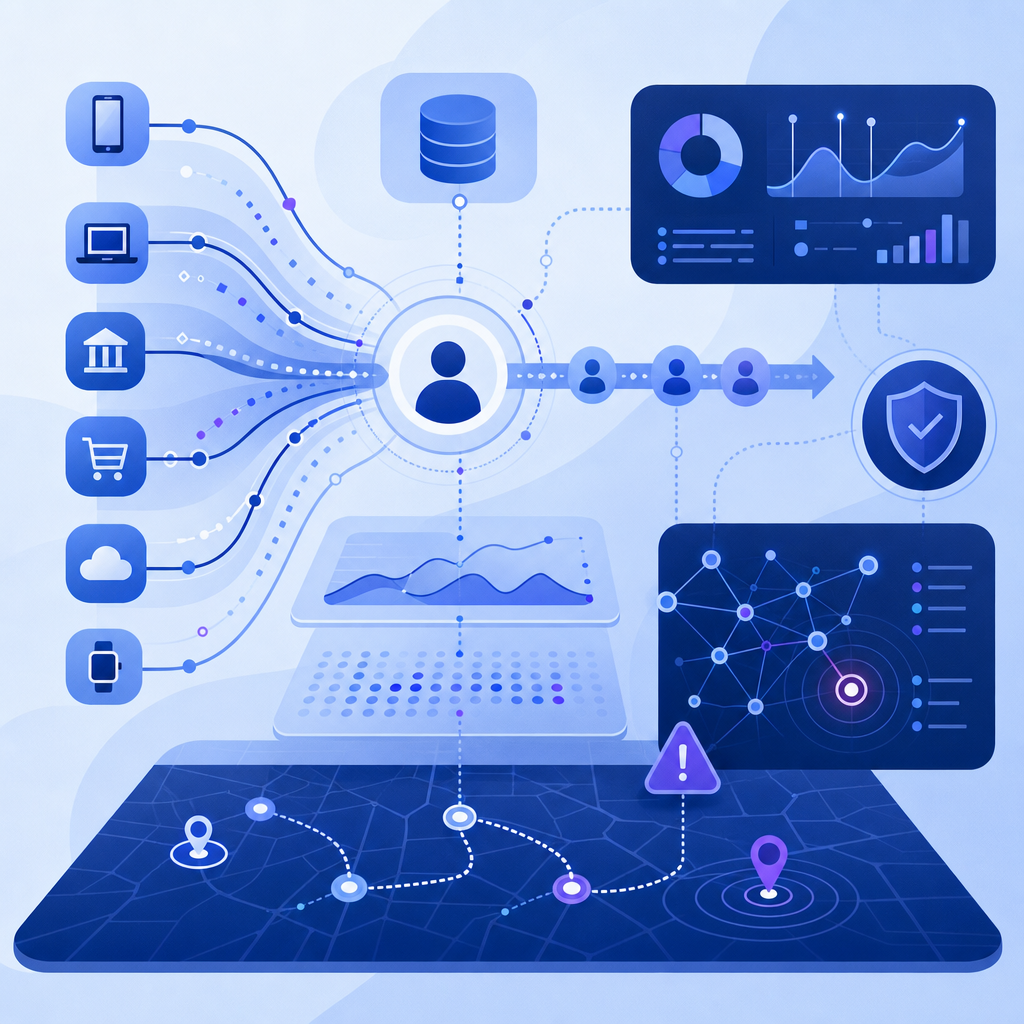
CaptchaLa’s bot detection technology is built around continuous data collection paired with powerful scoring algorithms:
- Multi-platform SDKs — CaptchaLa supports JavaScript, Vue, React, iOS, Android, Flutter, and Electron, enabling consistent data capture across web and mobile apps.
- Behavioral telemetry — The SDK collects rich interaction data such as click/tap timing, scrolling, focus events, and device characteristics.
- Risk scoring API — After data is sent, CaptchaLa’s backend analyzes signals in real time via the POST
https://apiv1.captcha.la/v1/validateendpoint, returning a risk score for each session. - Flexible mitigation — Based on the risk score, developers can trigger challenges, block access, or allow seamless usage.
- Server-issued tokens — CaptchaLa also generates server-side challenge tokens to securely validate sessions without relying solely on client trust.
Here’s a simplified flow of how to implement CaptchaLa’s bot detection CJA in an application:
// Load CaptchaLa client SDK
import { CaptchaLa } from 'captchala-js';

// Initialize with site key
const captcha = new CaptchaLa({ siteKey: 'your-site-key' });

// On user actions, SDK collects behavioral data automatically

// When ready, get pass token for server validation
captcha.getPassToken().then(token => {
  fetch('https://apiv1.captcha.la/v1/validate', {
    method: 'POST',
    headers: {
      'X-App-Key': 'your-app-key',
      'X-App-Secret': 'your-app-secret',
      'Content-Type': 'application/json',
    },
    body: JSON.stringify({
      pass_token: token,
      client_ip: userIp,
    }),
  })
  .then(response => response.json())
  .then(data => {
    if (data.score >= threshold) {
      // Allow user action
    } else {
      // Trigger CAPTCHA challenge or block
    }
  });
});
CaptchLa’s SDKs and server APIs are designed to keep the integration simple while providing comprehensive bot behavior profiling through continuous journey analysis.
Comparing Popular Bot Detection Solutions With CJA Components
| Feature / Solution | Bot Detection CJA Support | Platforms | Pricing Model | Customization |
|---|---|---|---|---|
| CaptchaLa | Full continuous journey analysis | Web, iOS, Android, Flutter, Electron | Free tier + Pro & Business | API and SDK-based flexible risk scoring |
| Google reCAPTCHA v3 | Behavioral scoring via APIs | Web | Free | Limited to Google-defined scoring |
| hCaptcha | Some behavioral checks + challenges | Web | Pay-per-use | Custom challenge implementation |
| Cloudflare Turnstile | Behavioral heuristics + adaptive challenges | Web | Free | Limited to Cloudflare environment |
While reCAPTCHA v3 and Turnstile analyze user interactions for risk scoring, CaptchaLa’s native multi-platform SDKs allow broader integration beyond browsers, essential for mobile and desktop apps. Also, CaptchaLa’s first-party data approach avoids third-party tracking concerns present with other providers.
Key Considerations When Using Bot Detection CJA
Implementing continuous journey analysis for bot detection requires attention to:
- Privacy compliance: Collect only necessary data and comply with GDPR and other regulations. CaptchaLa helps by avoiding third-party cookies and minimizing fingerprinting.
- Latency: Continuous data capture and server validation should be optimized to avoid impacting user experience. CaptchaLa’s CDN-hosted loader and SDKs help maintain low latency.
- Tuning risk thresholds: Establish sensible score cutoffs and workflows to minimize false positives and false negatives. Start with conservative thresholds and gradually adjust based on observed traffic.
- Fallback mechanisms: Provide alternative user verification methods if bot detection flags uncertain sessions to avoid user frustration.
By combining continuous journey analysis with these best practices, you can build a resilient bot defense that adapts to evolving attacker methods without sacrificing user experience.
Continuous journey analysis (CJA) enhances bot detection by evaluating multiple behavioral signals throughout user interactions, creating a more robust and adaptive defense against automated abuse. Solutions like CaptchaLa implement CJA with native SDKs, flexible APIs, and privacy-focused data collection, fitting the needs of modern web and app developers.
To explore how CaptchaLa can help implement continuous journey analysis in your bot defense strategy, visit the docs for technical guidance or check our pricing for plans suited to your traffic volumes.