
When building applications on AWS, ensuring robust bot detection is critical to safeguard your resources from malicious automation. Bot detection on AWS involves identifying and mitigating automated traffic while allowing legitimate users seamless access. AWS offers several native and partner options to implement bot defense, but selecting the right approach depends on your application’s architecture, security requirements, and user experience goals.
This post provides a comprehensive overview of bot detection options on AWS, including native AWS tools, third-party providers like CaptchaLa, and popular competitors. You’ll gain insights into integration strategies, performance trade-offs, and best practices to help secure your cloud environment effectively.
Native AWS Bot Detection Tools: What’s Available?
Amazon Web Services includes several services that can help detect and block bots, often as part of broader security or traffic management products.
AWS WAF Bot Control
AWS WAF Bot Control is a managed rule set within AWS WAF (Web Application Firewall) specifically designed to identify common bots, scrapers, and bad actors by analyzing HTTP request patterns. It supports:
- Preconfigured bot signatures to catch known bad bots
- Behavioral analysis for unknown bots
- Control over bot traffic via blocking or CAPTCHA challenges
You deploy it directly in front of your applications running on AWS services like CloudFront or Application Load Balancer. This gives you a serverless, scalable bot mitigation layer integrated fully into AWS security tooling.
Amazon CloudFront and AWS Shield
CloudFront supports integration with AWS WAF, so combined, you get edge-level bot detection and mitigation. AWS Shield provides DDoS protection that can reduce large-scale automated attacks masquerading as normal bot traffic.
However, these AWS-native bot detection methods typically rely on traffic heuristics, IP reputation, and rate limits. They may struggle with advanced bot tactics such as browser automation or solving CAPTCHAs.
Third-Party Bot Detection on AWS: CaptchaLa and Competitors
For sophisticated bot detection that includes CAPTCHA challenges and real-time user validation, third-party solutions integrated with AWS APIs are often used. These products offer features like behavioral fingerprinting and interactive challenges that go beyond WAF rules.
| Feature | CaptchaLa | reCAPTCHA | hCaptcha | Cloudflare Turnstile |
|---|---|---|---|---|
| CAPTCHA & behavioral defense | Yes | Yes | Yes | Yes |
| Native SDK support | Web, iOS, Android, Flutter, Electron | Web, Android, iOS | Web, Android, iOS | Web |
| Server SDKs | PHP, Go | Limited | Limited | Limited |
| Free tier | 1000 verifications/month | Generous | Generous | Free |
| Pricing model | Flexible tiers including Pro, Business | Free, enterprise options | Free with enterprise tiers | Free |
| First-party data privacy | Yes | No (Google-owned) | Mixed | Mixed |
| AWS integration ease | Direct API calls, lightweight loader | Popular JS script | JS script | JavaScript embed |
CaptchaLa offers native SDKs for multiple client environments and server libraries for PHP and Go. This makes embedding secure bot challenges within AWS-hosted services straightforward, especially for developers wanting greater control over data privacy and customization.

Implementing Bot Detection in AWS Environments
Integrating bot detection within AWS apps usually involves the following steps:
- Front-End Integration: Embed CaptchaLa’s JavaScript loader or other provider’s widget to prompt challenges or collect behavioral data transparently.
- Challenge Issuance: Use server tokens to issue challenges dynamically, ensuring bots must complete user verification steps.
- Server-Side Validation: After client interaction, validate tokens server-side via secure API endpoints (e.g., POST to
https://apiv1.captcha.la/v1/validatewith the pass token and client IP). - Enforcement: Based on validation results, decide whether to allow, block, or throttle requests on your backend or via AWS WAF rule sets.
- Monitoring & Tuning: Continuously review traffic logs and adjust sensitivity to balance user experience against bot risk.
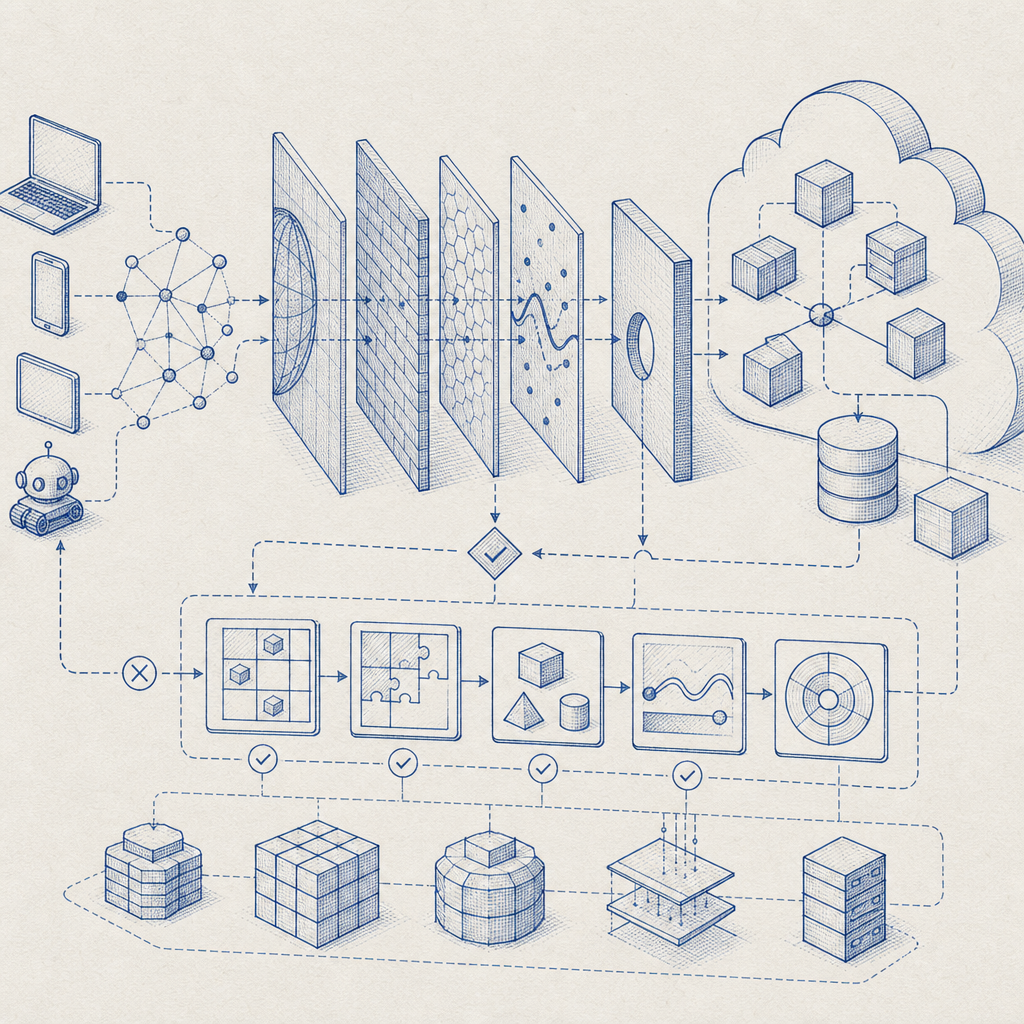
Many AWS applications benefit from combining AWS WAF Bot Control for broad mitigation with CaptchaLa or similar solutions for fine-grained user validation.
// Example: Using CaptchaLa loader and server validation in JavaScript

// Load the CaptchaLa JS SDK
const script = document.createElement('script');
script.src = 'https://cdn.captcha-cdn.net/captchala-loader.js';
document.head.appendChild(script);

script.onload = () => {
  CaptchaLa.init({
    siteKey: 'your-site-key',
    language: 'en',
    onSuccess: (passToken) => {
      // Send passToken to backend for validation
      fetch('/api/validate-captcha', {
        method: 'POST',
        headers: {'Content-Type': 'application/json'},
        body: JSON.stringify({ pass_token: passToken, client_ip: 'user-ip-address' }),
      })
      .then(response => response.json())
      .then(result => {
        if (result.success) {
          // Proceed with user action
        } else {
          // Handle failed validation
        }
      });
    },
  });
};
Balancing Security, Privacy, and User Experience
No bot detection method is infallible; each technique presents trade-offs:
- False positives: Overzealous detection can frustrate users or harm engagement.
- Privacy: Some solutions rely on third-party data collection; CaptchaLa emphasizes first-party data protection.
- Performance: Adding JavaScript challenges or extra validation calls impacts load times if not optimized.
- Cost: Frequent bot challenges may increase API usage or require higher pricing tiers.
Selecting between AWS native WAF bot controls and third-party tools depends on your tolerance for these trade-offs and desired integration complexity. For many teams, a layered approach combining AWS shield capabilities, bot signatures, and CaptchaLa challenges offers robust defense with manageable user friction.
Conclusion
Bot detection on AWS requires combining scalable infrastructure with adaptive challenge mechanisms. AWS provides solid foundational security with WAF Bot Control and CloudFront edge defenses, but integrating specialized CAPTCHA and behavioral analysis vendors like CaptchaLa can enhance your capability to distinguish human users from bots in real time.
By choosing flexible solutions with support for multiple client platforms and easy server SDKs, you maintain better control of security and privacy while minimizing user friction.
To explore how CaptchaLa’s bot detection can complement your AWS environment, check out our pricing and detailed docs. Whether you’re starting from scratch or augmenting existing defenses, clear strategies for bot detection on AWS help keep your applications secure and reliable.
Where to go next? Learn more about CaptchaLa’s features and integration options at https://captcha.la.