
The best anti bot weapons in Helldivers 2 are the ones that let you control space fast: explosive primaries for crowd cleanup, armor-punching support weapons for hulks and tanks, and stratagems that keep pressure on chokepoints. If you’re asking which loadout handles Automatons most reliably, start with a weapon that deletes light bots, a second tool that cracks medium armor, and a stratagem plan for sustained damage rather than one flashy nuke.
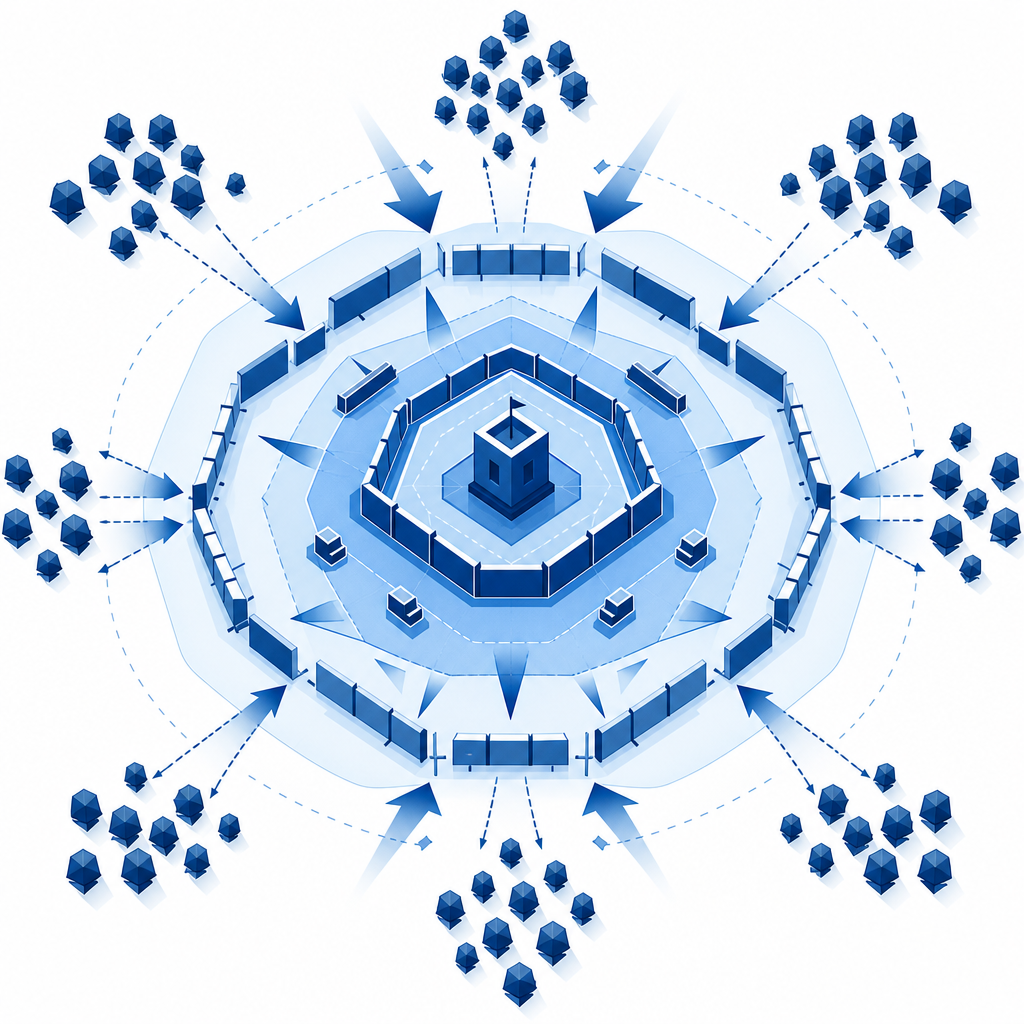
That answer matters because Automaton missions punish bad pacing. You can’t just bring raw damage and hope for the best; you need stagger, anti-armor, and a way to recover when the map fills with patrols, dropships, and fortified positions. The same principle applies to bot defense in web systems: don’t rely on a single check. Layer your controls so each one handles a different threat.
What “best” means against Automatons
Against bugs, you often win by mobility and area control. Against Automatons, the game shifts toward precision and armor penetration. The “best” anti bot weapons Helldivers 2 players pick usually solve one of three problems:
- Light bot clearing — small bots swarm, shoot, and call reinforcements.
- Medium armor breaking — rocket troopers, devastators, and shielded units can stall you.
- Heavy target deletion — hulks, tanks, gunships, and fabricators demand real anti-armor.
A loadout that only does one of those jobs can still feel strong on paper, but it collapses when objectives stack. That’s why weapons with flexible utility tend to outperform pure damage choices over the full mission.
The strongest anti-bot loadout roles
Here’s a practical way to think about weapon choices, without pretending there’s one perfect answer for every squad or difficulty.
| Role | What it handles | Good trait | Tradeoff |
|---|---|---|---|
| Primary crowd clearer | Raiders, scouts, basic infantry | Fast handling, consistent stagger | Limited heavy armor damage |
| Anti-armor support weapon | Hulks, devastators, fabricators | High penetration / explosive impact | Ammo economy can be rough |
| Midrange control tool | Mixed groups and moving targets | Good accuracy under pressure | Sometimes weaker versus tanks |
| Stratagem pressure | Dropships, bases, clustered waves | Burst or sustained area damage | Cooldown / call-in timing matters |
A few patterns stand out:
- Explosive primaries are valuable because they punish groups and interrupt bot advances.
- Recoilless Rifle / Autocannon-style support options shine when you need to break armor from a safe distance.
- Laser or sustained-fire tools can be excellent for objective defense when you expect repeated waves rather than a single boss-style fight.
- Rocket or orbital stratagems are your emergency reset button, especially when a drop lands on top of the team.
If you want the shortest possible answer: the best anti bot weapons Helldivers 2 players usually bring are the ones that combine reliable stagger with a way to crack armor without burning every cooldown at once.
A simple squad-friendly setup
If your team wants a balanced approach, think in roles rather than “everyone brings the same meta gun”:
- One player focuses on anti-armor support.
- One player runs a flexible primary for adding stagger and handling patrols.
- One player carries a defensive stratagem package for turrets, mines, or area denial.
- One player keeps a panic button for emergencies, such as orbital damage or a resupply-heavy kit.
That division is often more effective than four copies of the same favorite weapon. Automatons reward redundancy in capabilities, not redundancy in cosmetics.
Situational picks: where each option shines
Some weapons are better because of mission geometry, not because they are universally stronger. Open terrain, fortified outposts, and defense objectives all ask for different answers.
- Open fields: prioritize weapons with faster target acquisition and manageable recoil.
- Base assault: bring armor-breaking tools and something that can remove fabricators or turrets quickly.
- Defense missions: favor sustained fire and area denial over single-target burst.
- Escort-style movement: lean into mobility and low downtime, because stopping to reload at the wrong moment gets you swarmed.
That’s why it’s hard to crown one permanent winner. A weapon that feels mediocre in a long-range siege can be fantastic in a defensive hold where every shot lands cleanly. The reverse is true too: a favorite close-range cleaner may feel useless when a gunship starts circling overhead.
For players who like a compact reference, this decision tree helps:
If enemies are grouped and lightly armored:
    pick crowd clearing and stagger
Else if enemies have medium armor:
    pick a support weapon with penetration
Else if the mission features tanks/gunships:
    include a dedicated anti-armor answer
Else:
    balance ammo economy and mobility
That logic also explains why some “top tier” picks are only top tier in certain squad compositions. Loadouts are systems, not isolated items.
Defender’s take: bot pressure in games and on the web
The reason this Helldivers 2 question is interesting to a security team is simple: bots behave like wave pressure. They probe, adapt, and exploit weak spots. Good defense is layered.
At CaptchaLa, we think about bot handling the same way you think about an Automaton engagement: you need multiple tools that answer different attack patterns. A single challenge type is rarely enough. You want fast verification, server-side validation, and controls that fit the traffic pattern instead of stopping legitimate users cold.
A few practical facts matter here:
- CaptchaLa supports 8 UI languages.
- It has native SDKs for Web (JS/Vue/React), iOS, Android, Flutter, and Electron.
- Server SDKs include captchala-php and captchala-go.
- Validation uses
POST https://apiv1.captcha.la/v1/validatewith{pass_token, client_ip}andX-App-Key + X-App-Secret. - Server-token issuance uses
POST https://apiv1.captcha.la/v1/server/challenge/issue. - The loader script is
https://cdn.captcha-cdn.net/captchala-loader.js.
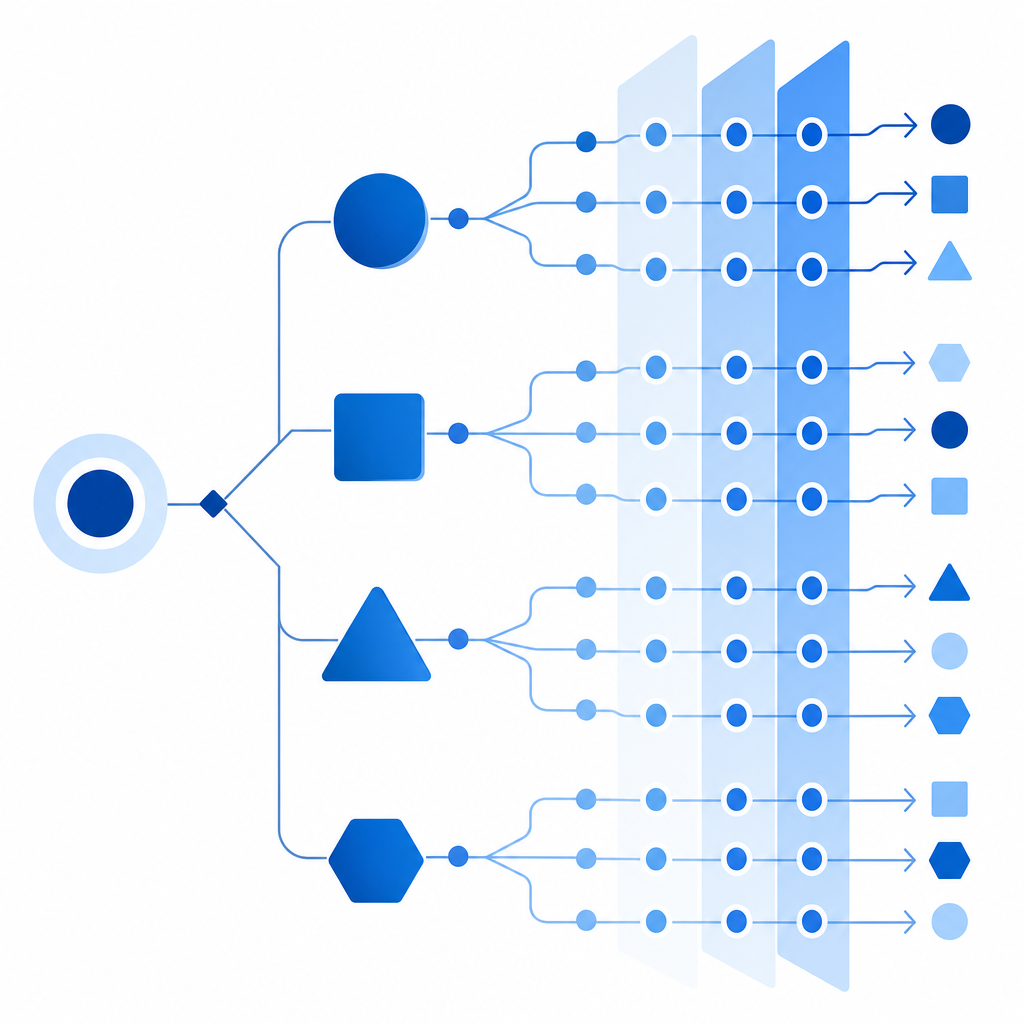
That’s useful because bot defense should fit into the stack you already have. If you’re building a login flow, signup gate, or checkout risk check, the right pattern is often: issue a challenge, validate on the server, and only then trust the pass token. Keep the decision close to your backend and use first-party data only.
For comparison, many teams also evaluate reCAPTCHA, hCaptcha, and Cloudflare Turnstile. Those can all be reasonable depending on your needs:
- reCAPTCHA is familiar and widely recognized.
- hCaptcha is often chosen where teams want a different challenge model.
- Cloudflare Turnstile is attractive for low-friction verification.
The important point is not which one sounds coolest. It’s whether the system integrates cleanly, preserves user experience, and gives you enough control over false positives.
Choosing the right anti-bot stack
If you’re deciding between options, use a checklist like this:
- Traffic volume
- Free tier: about 1,000/month
- Pro: 50K–200K
- Business: 1M
- Platform coverage
- Web only, or also mobile and desktop?
- Localization
- Do you need multiple UI languages?
- Verification flow
- Can your backend validate tokens cleanly and consistently?
- Operational fit
- Do you need SDKs, simple API calls, or both?
That’s why it’s helpful to read the docs before you commit to a rollout. The integration details matter more than marketing copy. If you want implementation specifics, docs is the right place to start, and pricing shows the tiers without guesswork.
Final take
If your goal is the best anti bot weapons Helldivers 2 can offer, choose a loadout that combines reliable crowd control, real anti-armor, and a squad plan for sustain. The same strategy works for bot defense in software: layer your checks, validate server-side, and make sure the system matches the environment instead of forcing one tool to do everything.
Where to go next: if you’re evaluating bot defense for your app, start with docs or compare plans at pricing.