
Behavior CAPTCHA is a form of bot defense that verifies users based on their natural interactions with a website, rather than relying on traditional challenges like distorted text or puzzles. By analyzing real-time user behavior—like mouse movements, typing rhythm, or scrolling patterns—behavior CAPTCHAs identify whether a visitor is human or an automated bot with subtlety and minimal disruption. This approach increases security while preserving usability, making it a valuable tool for websites seeking smoother user experiences without compromising protection.
What Is Behavior CAPTCHA?
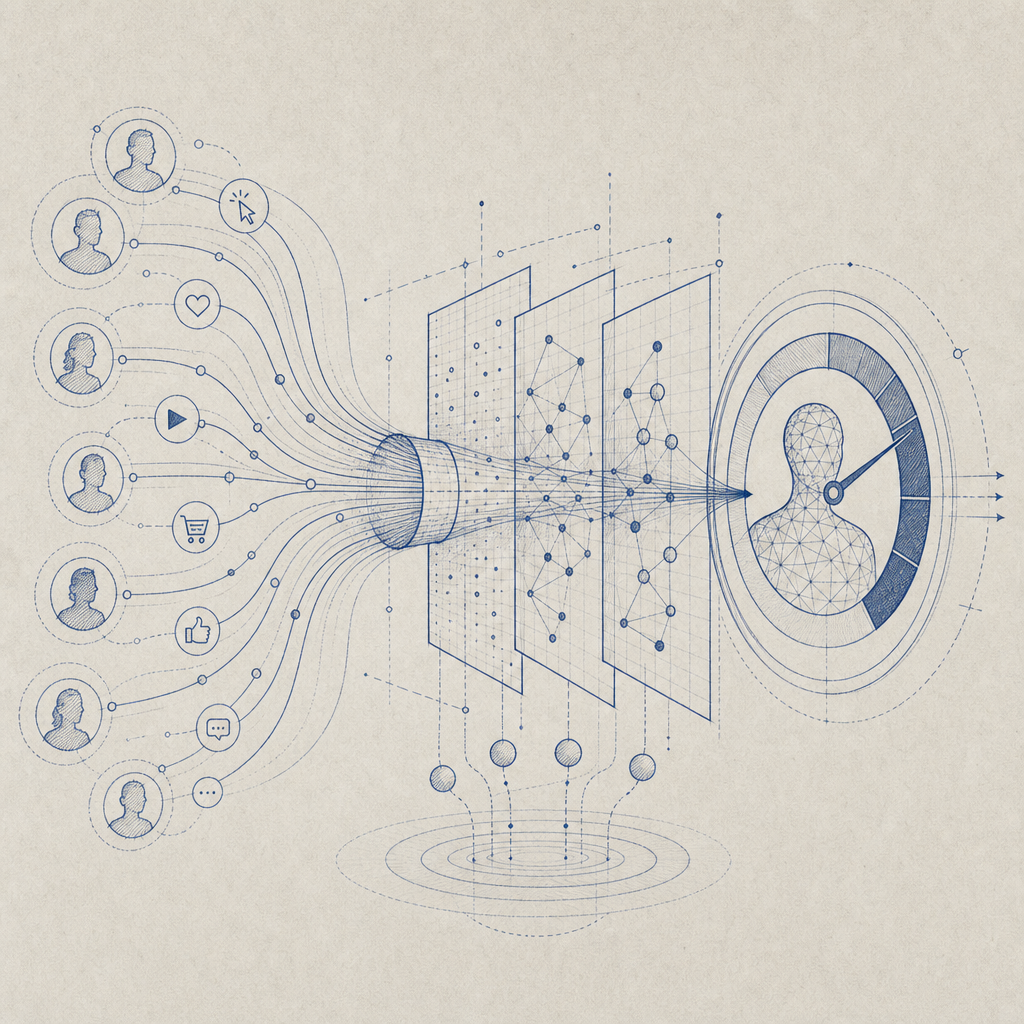
Behavior CAPTCHA leverages behavioral analytics to distinguish humans from bots by monitoring interactive cues during a user’s session. Instead of explicit tests, it observes how users move their cursor, click buttons, or fill out forms. Bots tend to generate mechanical or uniform input patterns, while real users exhibit unpredictable, nuanced behaviors.
This method can run silently in the background or prompt subtle challenges only when suspicious activity is detected. The data collected helps create a confidence score to decide if access should be allowed, blocked, or further verified.
Core Advantages of Behavior CAPTCHA
1. Improved User Experience
Behavior CAPTCHA reduces or eliminates annoying tasks that interrupt genuine users. Unlike image recognition or complex puzzles, users typically don’t need to actively solve anything unless their behavior triggers suspicion.
2. Adaptive and Context-Aware
This technique adapts its sensitivity depending on contextual factors like device type, geographic location, or user history. It can escalate from passive monitoring to active challenges dynamically.
3. Reduced False Positives and Negatives
Traditional CAPTCHAs can frustrate humans or let sophisticated bots slip through. Behavior analysis improves detection accuracy by considering a richer set of signals beyond static tests.
4. Compatibility with Privacy Concerns
Behavior CAPTCHAs rely primarily on first-party interaction data rather than intrusive third-party tracking scripts. This aligns well with privacy regulations and user expectations.
How Behavior CAPTCHA Works: Technical Overview
A typical behavior CAPTCHA implementation involves:
Data Capture: Client-side scripts collect interaction events, such as mouse trajectories, keystrokes, and scroll timing. For example, CaptchaLa supports integration with native SDKs (JavaScript, iOS, Android, Flutter) to capture these signals smoothly.
Feature Extraction: The raw data is transformed into measurable features—speed variation, click intervals, gesture complexity.
Behavior Scoring Engine: A backend model analyzes the features against known human vs. bot benchmarks. This scoring produces a risk score indicating whether the session is likely automated.
Decision Logic: Based on the score, the system either grants immediate access, triggers secondary verification (like a traditional CAPTCHA), or blocks the user.
Below is a simplified pseudocode flow illustrating these steps:
// Pseudocode for behavior CAPTCHA verification

// Step 1: Capture user events on client side
events = captureUserEvents() // mousemove, keypress, scroll

// Step 2: Extract behavioral features
features = extractFeatures(events)

// Step 3: Send data to backend for scoring
score = sendToServerForScoring(features)

// Step 4: Take action based on score threshold
if (score < riskThreshold) {
    allowAccess()
} else if (score < challengeThreshold) {
    promptChallenge() // e.g., image CAPTCHA
} else {
    blockAccess()
}
Comparison: Behavior CAPTCHA vs. Traditional CAPTCHA Solutions
| Aspect | Behavior CAPTCHA | reCAPTCHA / hCaptcha / Turnstile |
|---|---|---|
| User Interaction | Mostly passive or minimal prompts | Requires completing visual/audio tasks |
| Friction | Low - smooth for genuine users | Moderate to high depending on challenge |
| Bot Detection Signals | Behavioral patterns in real time | Challenge response correctness |
| Privacy Impact | Uses first-party interaction data | Often includes third-party trackers |
| Accessibility | More accessible, fewer barriers | Can be difficult for some users |
| Adaptability | Dynamic challenge triggering | Typically fixed challenge types |
Several popular services offer behavior-based CAPTCHAs as part of their portfolio. For example, Google’s reCAPTCHA v3 scores traffic based on behavior for invisible bot filtering, while Cloudflare Turnstile focuses on integrating frictionless bot tests. CaptchaLa similarly emphasizes behavior CAPTCHA with easy-to-use SDKs and privacy-conscious first-party data handling.
Use Cases Ideal for Behavior CAPTCHA
Behavior CAPTCHA works well for websites and applications where frictionless user experience is a priority but bot attacks are a concern. Common applications include:
- Login and Registration Forms: Detect credential stuffing and fake signups without annoying genuine users.
- E-commerce Checkout: Prevent carding fraud or automated scalping bots.
- Content Publishing Platforms: Block spam comments or fake account creation attempts with subtle user verification.
- API Rate Limiting: Identify suspicious requests from scripted sources by behavioral anomalies.
Implementing Behavior CAPTCHA with CaptchaLa
CaptchaLa provides ready-to-use native SDKs for diverse environments (Web, iOS, Android, Flutter) to capture user interactions and feed them into its backend validation API. Its modular design enables seamless integration into existing sites or apps. Key benefits include:
- Support for 8 UI languages.
- Server SDKs for PHP and Go to simplify your backend validation calls.
- Lightweight client-side loader script: https://cdn.captcha-cdn.net/captchala-loader.js
- Flexible pricing tiers including a free plan with 1000 validations/month.
Capturing behavior data with CaptchaLa involves loading the SDK on your frontend, which reports tokens your backend can validate via POST requests to https://apiv1.captcha.la/v1/validate. This flow respects user privacy and regulatory constraints through first-party data use only.

Conclusion
Behavior CAPTCHA offers a smarter, more user-friendly way to defend against bots by continuously monitoring human interactions without requiring constant puzzles or challenges. Compared to legacy CAPTCHA systems, this approach reduces user friction while improving detection accuracy and adaptability. Solutions like CaptchaLa provide robust SDKs and APIs that make implementing behavior CAPTCHAs straightforward for developers concerned with both security and experience.
If you want to explore how behavior CAPTCHA can fit into your security stack, check out CaptchaLa’s documentation or review their pricing plans to see which tier fits your business needs. Robust bot defense no longer has to come at the cost of inconvenient user hurdles.