
Anubis Anti Scraping is a comprehensive solution designed to detect and block automated scraping attempts on websites and APIs. It uses behavior analysis, fingerprinting, and real-time risk evaluation to distinguish legitimate users from bots. By identifying and mitigating scraping, Anubis helps protect valuable content, maintain site performance, and reduce fraudulent access, without compromising user experience.
What Makes Anubis Anti Scraping Effective?
Anubis Anti Scraping works by analyzing multiple layers of interactions and device data with the goal of spotting scraper patterns before they cause damage. Unlike simpler rate-limiting or IP-blocking tools, it leverages:
- Behavioral Analysis: Detects anomalies in click, scroll, and navigation behavior compared to human interaction norms.
- Fingerprinting Techniques: Collects browser and device attributes to identify uniquely consistent client signatures.
- Challenge-and-Response: Issues contextual challenges based on risk scores, which bots generally fail or avoid.
- Adaptive Learning: Updates heuristics and rules dynamically to keep pace with evolving scraping tactics.
This multi-factor approach makes Anubis more robust against both naïve scrapers and sophisticated, headless browser bots. It maintains a balance between accurate detection and minimal false positives, ensuring real users face as little friction as possible.
How Anubis Anti Scraping Compares with Other Bot Defense Tools
Bot defense solutions like reCAPTCHA, hCaptcha, Cloudflare Turnstile, and Anubis all aim to protect websites from automation abuse but differ in approach, ease of integration, and user impact.
| Feature | Anubis Anti Scraping | reCAPTCHA | hCaptcha | Cloudflare Turnstile |
|---|---|---|---|---|
| Focus | Anti-scraping / bot behavior | Bot detection and CAPTCHA | CAPTCHA alternative | CAPTCHA alternative |
| User Experience | Transparent, adaptive challenges | User challenges, audio/video | User challenges, brandable | Seamless, minimal friction |
| Integration Complexity | SDKs across platforms, APIs | JS widget, easy integration | JS widget, moderate setup | Requires Cloudflare DNS setup |
| Fingerprinting & Behavior | Advanced multi-dimensional | Basic behavioral analysis | Basic, some behavioral data | Lightweight behavioral signals |
| Pricing Model | Free tier + usage-based | Free, enterprise tiers | Usage-based | Included with Cloudflare plans |
| Open Source / Privacy | First-party data focus | Google data processing | Privacy-focused, less tracking | Privacy-respecting design |
Anubis provides specialized tools oriented toward scraping protection with native SDKs for Web (JS/Vue/React), iOS, Android, Flutter, and even Electron apps. This diversity gives developers flexible control over bot defense policies.
Implementing Anubis Anti Scraping
Integrating Anubis Anti Scraping into your site or app typically follows these technical steps:
- Client-side SDK Initialization
Install the appropriate SDK or load the CaptchaLa loader script:
// Load CaptchaLa loader for web
<script src="https://cdn.captcha-cdn.net/captchala-loader.js"></script>

// Initialize with your app key
CaptchaLa.init({ key: 'your-public-key' });- Challenge Issuance and Response
Use the server SDK or direct API to request a challenge for suspicious requests:
// PHP example: issue a server challenge
$response = $captchala->serverChallengeIssue();
$challengeToken = $response['token'];- Validation on Server
When the client submits the challenge token post-interaction, validate it server-side:
// Go example: validate user response
isValid, err := client.Validate(passToken, clientIP)
if !isValid {
    // Block or throttle request
}- Adapt Policies Based on Risk Scores
Use analytic feedback to adjust sensitivity and challenge frequency, optimizing user experience versus security tradeoffs.
For more detailed setup, the CaptchaLa docs provide platform-specific guides.

Why Scraping Protection Matters
Web scraping, when done abusively, can lead to serious harms:
- Data Theft: Automated crawlers rip off proprietary content or pricing data.
- Server Overload: High-volume scrapers generate traffic spikes degrading service for real users.
- Credential Stuffing & Fraud: Bots harvest credentials or test stolen data.
- SEO Manipulation: Competitors scrape and duplicate content to game search rankings.
Solutions like Anubis Anti Scraping help maintain data integrity, uphold fair usage policies, and reduce operational risk by stopping these threats early.
Integrating with CaptchaLa’s Ecosystem
CaptchaLa not only offers robust challenges to foil bots but also supports scalable anti-scraping via Anubis technology. With 8 UI languages and extensive platform support, CaptchaLa simplifies creating secure user flows. Its free tier allows developers to experiment with up to 1,000 validations monthly, scaling up to Business plans handling over 1 million requests.
Unlike some competitors who rely heavily on external CAPTCHA challenges, CaptchaLa emphasizes first-party data and seamless integration, balancing security and friction. It also provides server-validated token workflows via simple HTTP endpoints making backend validation straightforward.
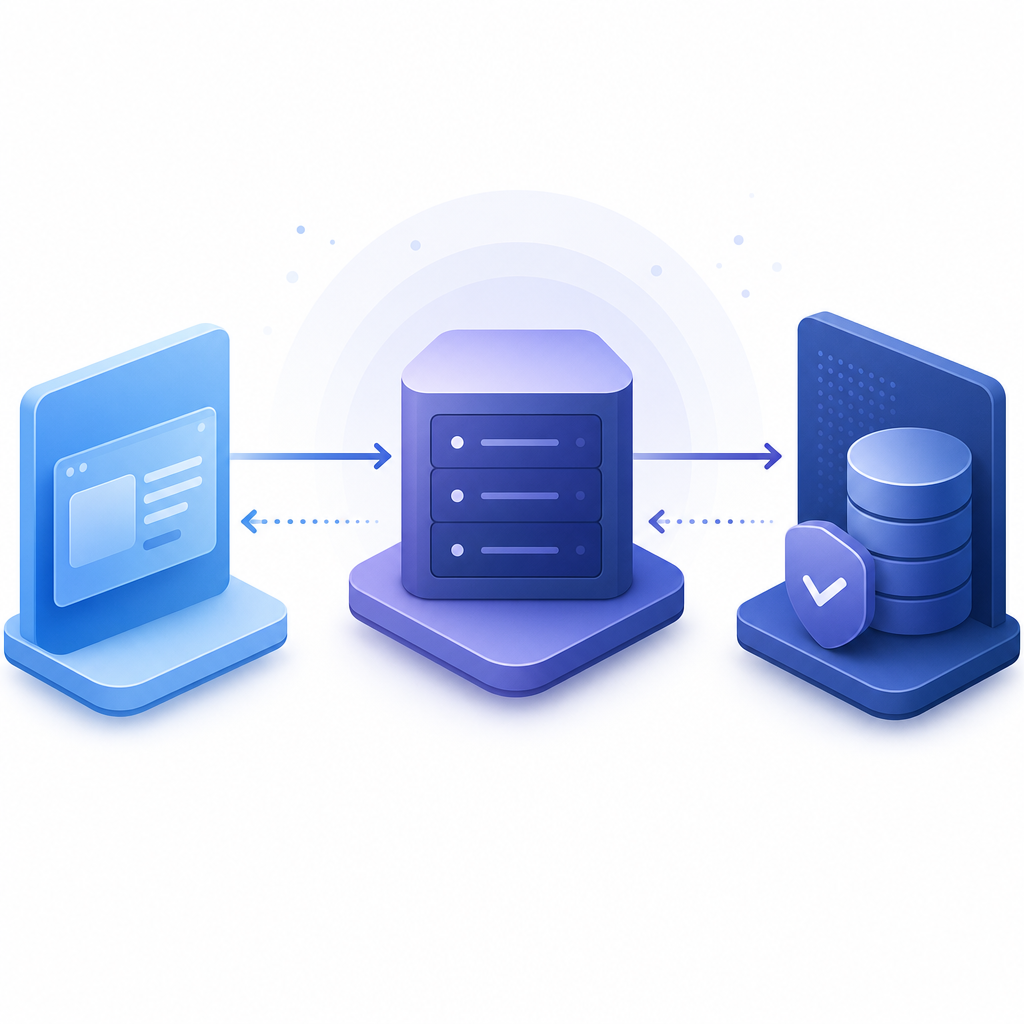
Protecting your digital assets from scraping requires nuanced, layered defenses beyond just blocking known IPs or flooding page loads with CAPTCHAs. Solutions like Anubis Anti Scraping integrated with services such as CaptchaLa empower teams to defend intelligently without frustrating users unduly.
To learn more about implementing anti-scraping strategies or to evaluate CaptchaLa’s plans, visit the pricing page or explore the full documentation.
Your web assets deserve protection that is precise, adaptable, and developer-friendly.