
Anti view once bots are automated programs designed to bypass protections on ephemeral or view-once media—such as disappearing images or videos—and abnormally consume or capture this content multiple times. The goal of an anti view once bot solution is to detect and prevent such automated access, ensuring that ephemeral content remains transient and secure as intended.
By focusing on behavioral analysis, device fingerprinting, and challenge-based verification, anti view once bot systems effectively distinguish humans from bots attempting to abuse view-once features. This article dives deep into how anti view once bot defenses work, compares major solutions in the market, and how developers can implement these protections with tools like CaptchaLa to safeguard their platforms.
What Is an Anti View Once Bot?
View once media restricts content to be seen only a single time per user, commonly used in messaging apps, social platforms, or content sharing services. However, bots can circumvent these limits by automated scraping, screen recording, or programmatically accessing the media multiple times—defeating the purpose of ephemeral privacy or time-limited access.
An anti view once bot solution aims to:
- Identify scripts or automated agents trying to repeatedly access view-once media
- Enforce limits on viewing frequency or detect anomalies in interaction patterns
- Trigger security challenges to verify user authenticity when suspicious behavior arises
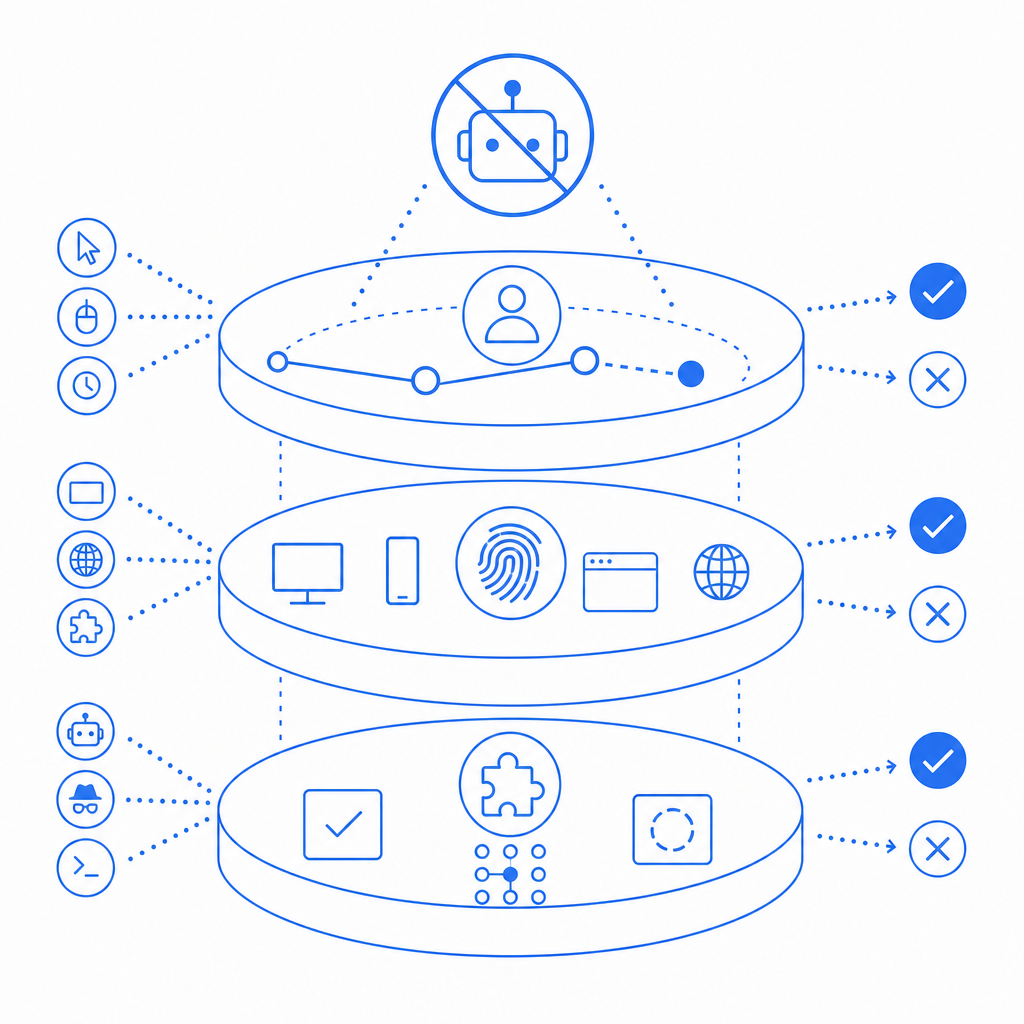
Core Techniques Behind Anti View Once Bot Defenses
Behavioral Analysis
Tracking mouse movement, clicks, timing, and navigation patterns helps differentiate natural human interactions from bots performing scripted or rapid-fire actions. For example, bots often exhibit overly consistent timing or improbable interaction speeds that can be flagged.
Device and Environment Fingerprinting
Collecting subtle signals such as browser version, canvas fingerprint, network latency, and hardware details allows anti bot systems to detect if requests come from known bot environments or if multiple identities may belong to the same attacker.
Challenge-Based Verification
When suspicious activity is detected, the system can require completing a CAPTCHA or a challenge-response test. Tools like CaptchaLa offer flexible and privacy-conscious captchas that integrate well with ephemeral content platforms to halt bots without overly disrupting real users.
Rate Limiting & Access Controls
Strict limits on the number of times content can be accessed from a given IP, session, or user account help ensure view once rules are respected—even if bots try to circumvent challenges in other ways.
Comparison of Popular Anti Bot Solutions for View Once Protection
| Feature / Provider | reCAPTCHA v3 | hCaptcha | Cloudflare Turnstile | CaptchaLa |
|---|---|---|---|---|
| Challenge Types | Invisible, checkbox | Image-based, checkbox | Invisible, minimal UI | Invisible, customizable UI |
| Privacy Focus | Google data collection | Privacy forward | Focus on no-tracking | First-party data only |
| SDK Support | Web, limited mobile | Web, iOS, Android | Web only | Web, iOS, Android, Flutter, Electron |
| UI Languages | ~6 | ~5 | ~3 | 8 |
| Server SDKs | Limited | Available | Limited | PHP, Go, Java |
| Rate Limiting | No | No | Yes | Yes |
| Customization | Moderate | Moderate | Limited | High |
| Free Tier Quota | Generous | Generous | Generous | 1000 requests/month |
While Google’s reCAPTCHA is widely adopted, some developers prefer solutions like CaptchaLa or hCaptcha for more privacy-centric policies or SDK flexibility. CaptchaLa stands out for offering multiple native SDK options (Web, iOS, Android, Flutter, Electron) and supports 8 UI languages, enhancing global accessibility. This makes it a strong candidate for integrating anti view once bot defenses tailored for diverse platforms.
Implementing Anti View Once Bot Protection With CaptchaLa
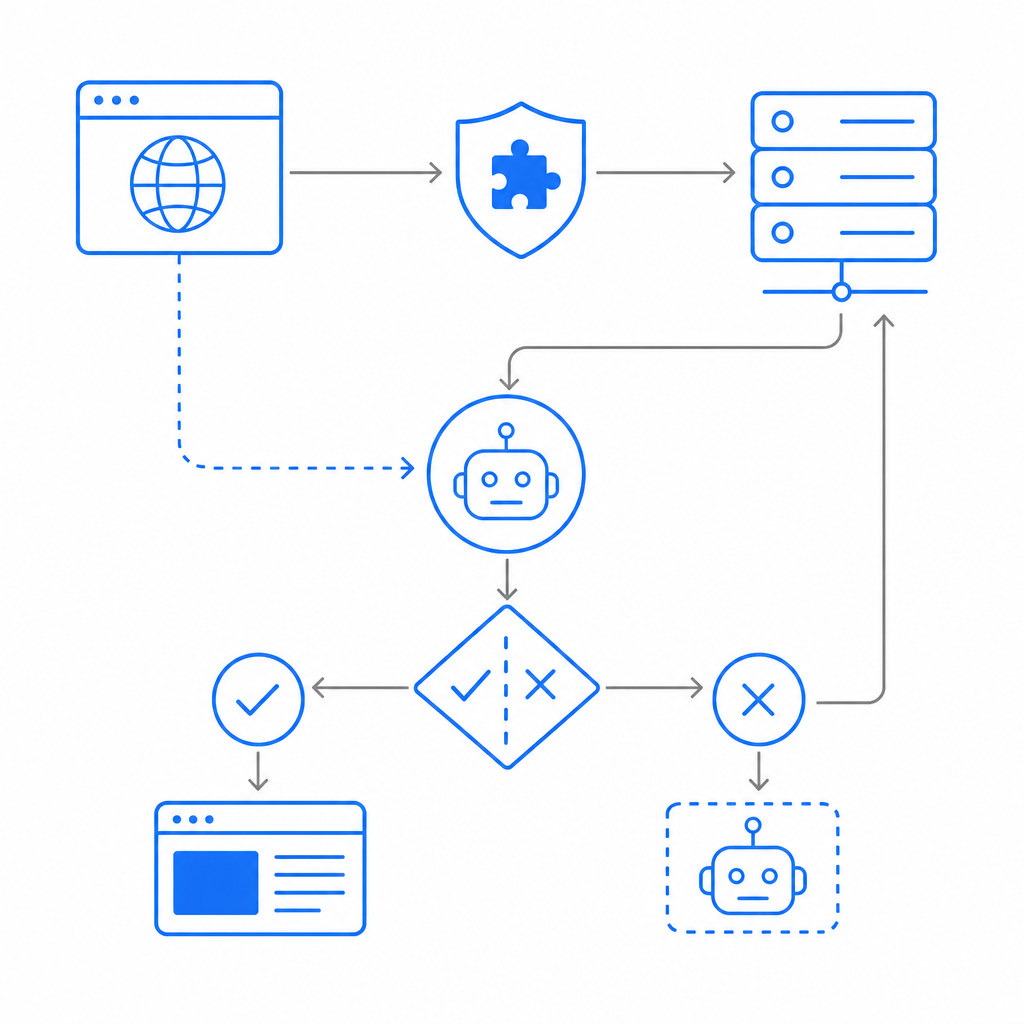
Integrating anti view once bot protection requires both client-side and server-side components that communicate to validate each media access request. Here is a high-level process example using CaptchaLa:
Client SDK Integration
Add CaptchaLa SDK to your web or mobile app (JS/Vue/React, iOS, Android, Flutter, etc.) for seamless challenge rendering and user verification flow.Issuing Server Tokens
Before serving a view-once media, request a challenge token from the CaptchaLa server (POST https://apiv1.captcha.la/v1/server/challenge/issue). This token is attached to the user session or request.Client Validation Trigger
When the user tries to access the media, the SDK prompts a bot check if the server flags the request as suspicious.Server-Side Validation
After the challenge is passed, the client sends apass_tokento the server endpoint (POST https://apiv1.captcha.la/v1/validate) along with client IP and app keys. The server verifies authenticity before delivering the ephemeral content.Apply Access Controls
Enforce rate limiting and revoke access after successful media viewing to uphold the ‘view once’ rule strictly.
// Example (pseudo) of validating a view-once access request
async function validateAccess(passToken, clientIp) {
  const response = await fetch('https://apiv1.captcha.la/v1/validate', {
    method: 'POST',
    headers: {
      'Content-Type': 'application/json',
      'X-App-Key': APP_KEY,
      'X-App-Secret': APP_SECRET
    },
    body: JSON.stringify({ pass_token: passToken, client_ip: clientIp })
  });
  const result = await response.json();
  return result.success && result.score > 0.5; // Example threshold
}
With this flow, your platform can dynamically challenge suspicious requests without burdening all users and maintain the integrity of your view once media features.
Best Practices Beyond Captchas for Anti View Once Bot Defense
While captchas remain a key tool, supplementing them with the following strategies enhances defense effectiveness:
Monitor Usage Analytics
Track IPs, device types, and access times to identify unusual patterns indicating bot activity.Employ Device Binding
Tie media access tokens to specific devices or sessions, invalidating reuse from another environment.Implement Watermarking
Embed dynamic watermarks or fingerprints on view once media to detect unauthorized redistribution.Update Bot Patterns Regularly
Continuously refine detection models based on emerging threats and adapt thresholds accordingly.
Conclusion
Anti view once bots threaten the privacy and purpose of ephemeral content by enabling repeated unauthorized views. Implementing robust anti bot defenses through behavioral analysis, device fingerprinting, challenge-based verification, and rate limiting is essential for safeguarding digital platforms. Among available solutions, CaptchaLa offers versatile SDKs, privacy-conscious policies, and straightforward integrations that empower developers to deploy effective anti view once bot protections.
If you want to explore how to implement these protections step-by-step, check out the detailed CaptchaLa docs or review the pricing plans to find the setup that fits your needs. Protect your ephemeral content today with smarter anti bot defense.