
An effective anti scraping solution is a crucial tool for any website aiming to protect its data, maintain bandwidth, and uphold user experience. Anti scraping solutions prevent automated bots from harvesting data, which can lead to intellectual property theft, distorted analytics, or unfair competitive advantages. Choosing the right anti scraping tool involves understanding how these solutions work, what distinguishes one from another, and how they fit into your existing security infrastructure.
What Is an Anti Scraping Solution?
An anti scraping solution is designed to detect and block unauthorized automated access to web resources. Unlike basic rate limiting or IP blocking, these solutions use various techniques—like bot detection heuristics, fingerprinting, and behavioral analysis—to differentiate between legitimate users and scraping bots. The goal is not only to stop scraping outright but to maintain the seamless experience expected by humans.
Anti scraping tools sit between your website and incoming traffic, challenging suspicious visitors through CAPTCHAs, JavaScript challenges, or behavioral checks. This prevents large-scale data extraction without penalizing real users.
Key Techniques Used by Anti Scraping Solutions
Behavioral Analysis and Fingerprinting
Bots often display non-human browsing patterns—such as extremely fast navigation or repetitive requests. Behavioral analysis algorithms monitor these signals to identify likely scrapers. Fingerprinting collects device and browser data points to detect bots hiding behind proxy networks.
CAPTCHA Challenges
CAPTCHAs remain a popular defense mechanism. Modern CAPTCHAs are designed to be user-friendly but challenging for automated scripts. Solutions like CaptchaLa provide multi-language support and easy integration with web and mobile platforms, adding a reliable gatekeeper for suspicious traffic.
Rate Limiting and Throttling
Some anti scraping solutions use rate limiting based on IP or user agent to prevent excessive requests. While simple, this technique can generate false positives and require supplementary layers. It's often combined with more intelligent detection methods.
Comparing Popular Anti Scraping Tools
To understand how different solutions stack up, here’s a high-level comparison based on key features:
| Feature | CaptchaLa | reCAPTCHA (Google) | hCaptcha | Cloudflare Turnstile |
|---|---|---|---|---|
| CAPTCHA Support | Visual, invisible, multi-language | Visual, invisible | Visual, invisible | Invisible challenge |
| SDKs and Platform Support | Web (JS/React), iOS, Android, Flutter, Electron | Web, Android, iOS (less mobile SDKs) | Web, Android, iOS | Web only |
| Privacy Focus | First-party data only | Google data-dependent | Privacy-focused, GDPR-compliant | Privacy-forward, minimal data |
| Pricing Tiers | Free up to 1000/mo; Pro/Business | Free and paid enterprise | Free tier + enterprise pricing | Free |
| API Validation Endpoint | Yes (POST /validate) | Yes | Yes | Yes |
Each tool has a slightly different trade-off in terms of privacy, ease of integration, and pricing. For instance, CaptchaLa offers native SDKs for multiple frontend and backend environments, plus a transparent pricing model suitable for startups and businesses scaling their defenses.

Implementation Best Practices for Anti Scraping
Choosing the tool is only half the battle—correct implementation makes or breaks your defenses. Here are five technical best practices:
- Integrate on Critical Endpoints: Protect login forms, product pages, APIs, and any page with valuable data.
- Use Adaptive Challenges: Don’t challenge every visitor; rely on probabilistic detection to reduce user friction.
- Leverage Multi-Factor Bot Detection: Combine IP reputation, JavaScript tests, cookies, and behavioral analytics.
- Monitor and Tune Regularly: Analyze logs for false positives, update challenge difficulty and detection thresholds.
- Keep User Experience Front and Center: Solutions should degrade gracefully and provide accessible CAPTCHA options.
For example, with CaptchaLa, you can easily adjust the challenge issuance through its backend API and client-side SDKs, ensuring only suspicious traffic faces CAPTCHAs:
// Example: Initialize CaptchaLa on a login page with JS SDK
import Captchala from 'captchala-js';

const captcha = new Captchala({
  siteKey: 'your-site-key',
  language: 'en',
  onSuccess: (token) => {
    // Submit token along with login form data for server validation
  },
});

captcha.render('#captcha-container');
Why Multi-Platform SDK Support Matters
Modern web architectures are rarely just a website. Mobile apps, desktop clients, embedded systems—all can be scraping targets or vulnerable interfaces. An anti scraping solution that supports multiple platforms natively reduces integration complexity and ensures consistent protection.
CaptchaLa supports JavaScript frameworks (React, Vue), mobile SDKs (iOS, Android, Flutter), and Electron apps. This allows developers to embed bot defenses in multiple points of their ecosystem without stitching together different providers.
Final Thoughts on Selecting Your Anti Scraping Solution
Not all anti scraping solutions are created equal. It’s important to balance security, privacy, user experience, and cost. Consider:
- How intrusive do the challenges need to be?
- What platforms must you protect?
- Are you comfortable with vendor data policies?
- Does the solution scale with your traffic needs?
Starting with a solution like CaptchaLa can provide broad protection with flexible pricing tiers and robust SDKs. Competitors such as reCAPTCHA and hCaptcha also offer mature options but may differ in privacy or user experience.
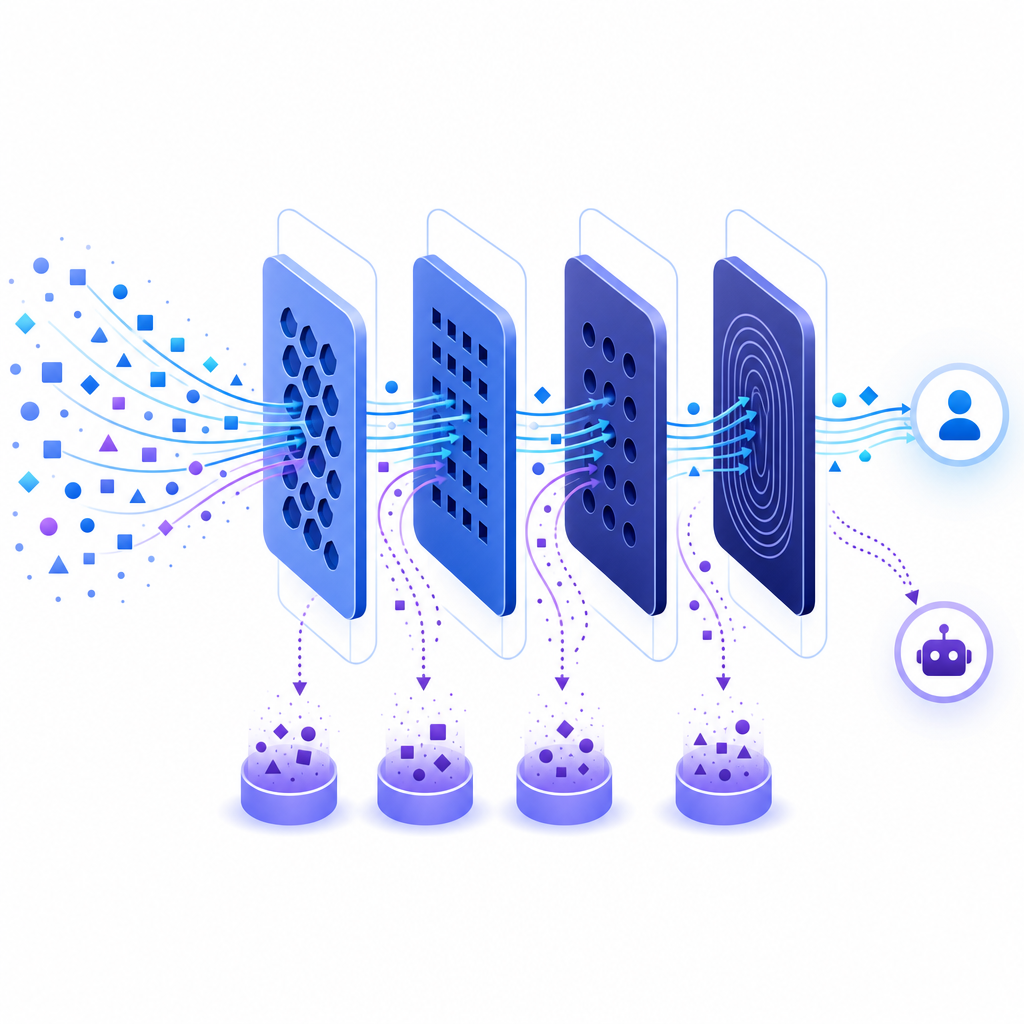
Implementing a tailored anti scraping strategy improves your site’s resilience and protects valuable assets from automated abuse.
To explore pricing and detailed technical specs, check out CaptchaLa’s pricing and developer documentation. Protecting your website with the right anti scraping solution is simpler when you have clear, actionable resources at your fingertips.