
Anti scraping software is a set of tools designed to detect and block automated attempts to extract data from websites. These scraping bots can steal valuable content, undermine pricing strategies, overload servers, and skew analytics. Anti scraping software protects a website’s integrity by identifying suspicious behavior, enforcing access controls, and challenging non-human visitors with tests like CAPTCHAs. Without it, businesses risk losing competitive intelligence and exposing sensitive data.
Why Anti Scraping Software Matters
Web scraping is often used by competitors, data brokers, or malicious actors seeking to harvest information at scale without permission. This ranges from price comparison bots pulling product listings to credential stuffing tools testing leaked passwords. Simple IP blocking or rate limiting is no longer sufficient as scrapers adopt more advanced evasion tactics such as IP rotation, headless browsers, and distributed networks.
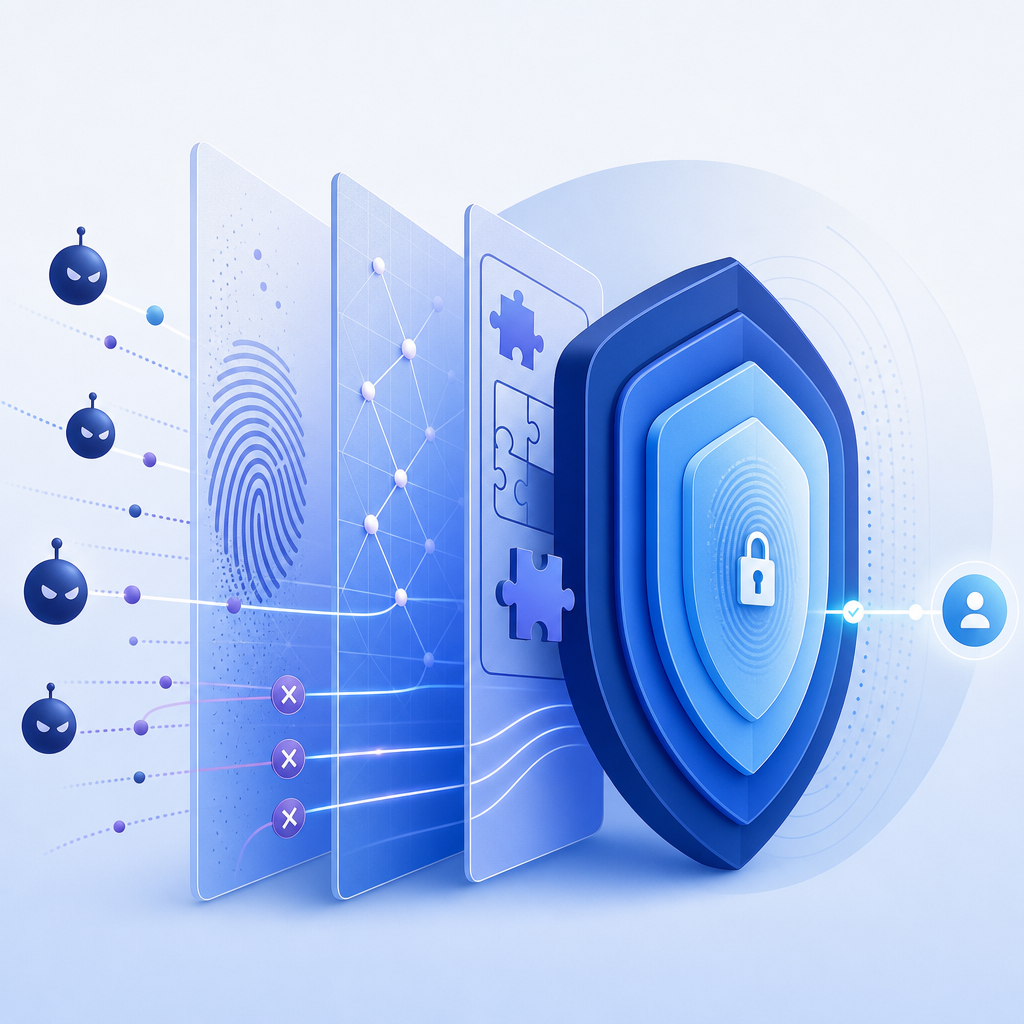
Effective anti scraping software performs deeper analysis including device fingerprinting, behavioral monitoring, and challenge-response tests. This ensures only legitimate human users can access high-value areas of the site while automated bots are filtered out before causing damage.
Core Techniques in Anti Scraping Solutions
Anti scraping tools typically combine several layers of defense:
1. Behavioral Analysis
Monitors mouse movements, typing speed, click patterns, and navigation paths to distinguish bots from humans. Bots often perform precise, repetitive actions unlike organic users.
2. Device and Network Fingerprinting
Collects attributes such as browser version, screen size, HTTP headers, and IP reputation to identify anomalies and suspicious clients.
3. Challenge-Response Mechanisms
When a visitor’s profile triggers suspicion, the system presents a CAPTCHA challenge or similar test only a human can easily solve.
4. Rate Limiting and Throttling
Limits the number of requests from an IP address or session within a time window to reduce automated scraping volume.
5. Honeypots and Trap URLs
Invisible to normal users but detectable by bots, these traps help identify scrapers trying to access restricted content.
Popular Anti Scraping Tools Compared
| Feature | reCAPTCHA | hCaptcha | Cloudflare Turnstile | CaptchaLa |
|---|---|---|---|---|
| Challenge Type | Image, Audio CAPTCHA | Image-based CAPTCHA | Non-interactive, privacy-focused | Customizable interactive, multi-language |
| Ease of Integration | JS SDK, server APIs | JS SDK, server APIs | JS SDK, easy setup | Native SDKs (JS, iOS, Android, Flutter, Electron), server SDKs (PHP, Go) |
| Bot Detection | Behavioral & IP | Behavioral & IP | Behavioral, device fingerprinting | Behavioral, device/network fingerprinting, rate limits |
| Privacy Focus | Google ecosystem | Independent | No CAPTCHA displayed | First-party data only (helps privacy) |
| Pricing Model | Free | Free & paid tiers | Free | Free tier 1,000/mo; Pro & Business plans for scale |
| Customization | Limited | Moderate | Low | High; designed for SaaS flexibility |
All these products address anti scraping to varying degrees. Solutions like CaptchaLa differentiate by offering extensive SDKs for developers, multiple UI languages, and flexible pricing that scales with usage. This makes CaptchaLa suitable for companies wanting deep integration and control without sacrificing user experience.
How CaptchaLa’s Anti Scraping Software Works
CaptchaLa combines behavioral analytics with traditional challenge-response techniques to provide robust bot defense. When a request is received, the system analyzes characteristics such as client IP, request patterns, and device fingerprint data. If anomalies are detected, a CAPTCHA challenge is issued to confirm the visitor is human.
Developers can integrate CaptchaLa via native SDKs for web frameworks like Vue, React, or vanilla JavaScript, as well as mobile platforms including iOS, Android, and Flutter. Server-side validation endpoints ensure challenge results are securely verified. An example integration flow in pseudocode might look like:
// Client receives CaptchaLa challenge token upon suspicious request
challengeToken = requestChallenge()

// Render challenge widget in frontend
displayCaptcha(challengeToken)

// After user solves CAPTCHA, post token and client IP to backend
payload = { pass_token: userToken, client_ip: clientIP }
response = sendValidation(payload)

// Allow or block user based on validation result
if (response.valid) {
   allowAccess()
} else {
   blockRequest()
}
With multiple SDKs and a customizable loader script (captchala-loader.js), CaptchaLa can protect all types of digital properties from straightforward scraping to complex bot attacks.
Best Practices When Using Anti Scraping Software
- Continuous Monitoring: Scraper tactics evolve rapidly. Regularly review logs and update your bot detection rules accordingly.
- User Experience Matters: Avoid overly aggressive blocking that annoys legitimate users. Use adaptive challenges and fallback verification.
- Combine Multiple Defenses: Use rate limiting, fingerprinting, honeypots, and CAPTCHA to cover different attack vectors.
- Leverage Analytics: Collect data from anti scraping responses to better understand attacker infrastructure and plan mitigation.
- Stay Privacy-Compliant: Choose providers that respect user privacy and avoid excessive data sharing.
Conclusion: Protect Your Data with Thoughtful Anti Scraping Software
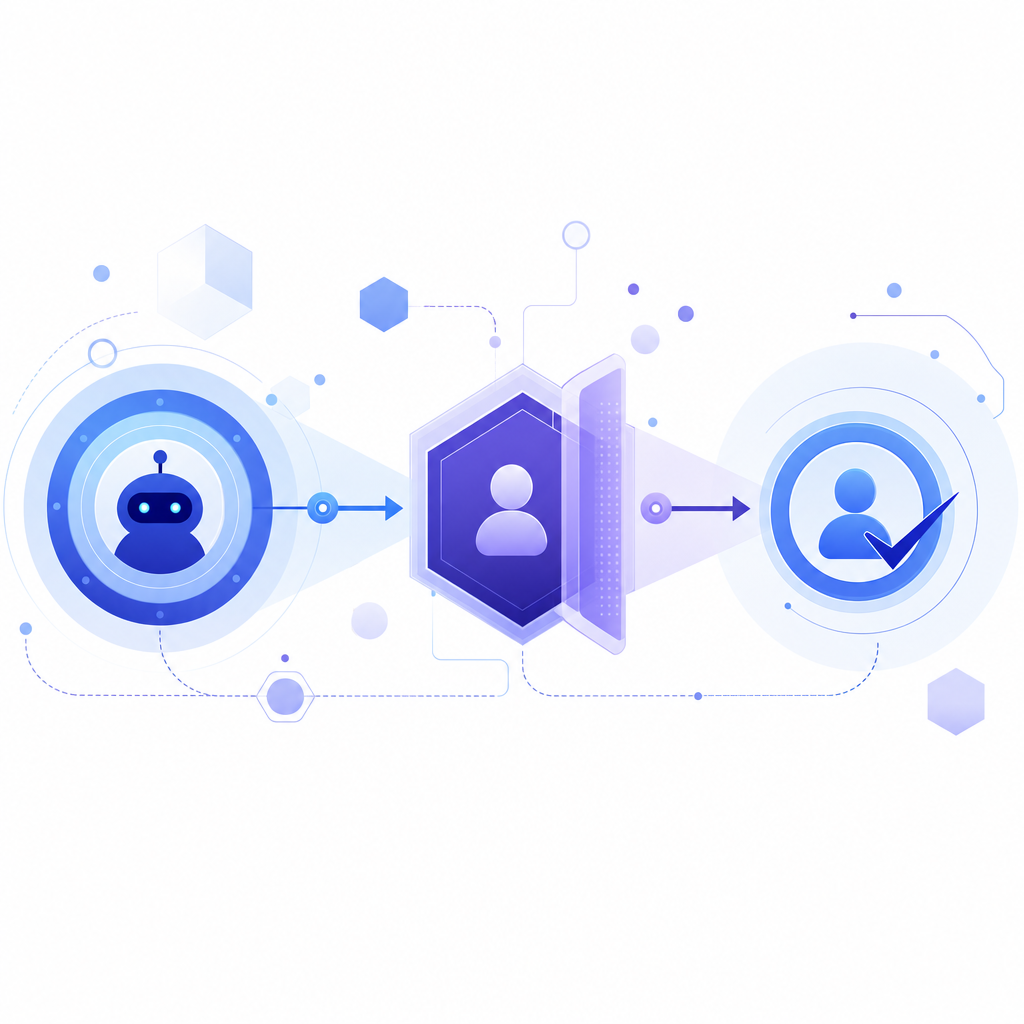
Anti scraping software is critical to secure your website from unauthorized data extraction that can damage your business model and user trust. Solutions like CaptchaLa offer flexible, developer-friendly ways to implement advanced bot defenses combining behavioral analysis and challenge-response verification. By integrating carefully selected anti scraping tools and following best practices, you can maintain reliable, human-only access while keeping automated threats at bay.
To learn more about CaptchaLa’s capabilities or explore integration options, check out the docs or see our pricing to find a plan that fits your needs. Protecting your data starts with the right software strategy.