
Anti CAPTCHA pricing varies widely depending on factors such as usage volume, integration options, and the level of bot defense provided. Whether you’re choosing a CAPTCHA service for a website or an app, understanding the pricing structure helps you balance cost with security and user experience effectively.
Below, we break down common pricing models, what influences cost, and how CaptchaLa stacks up against other well-known services like reCAPTCHA, hCaptcha, and Cloudflare Turnstile.
What Drives Anti CAPTCHA Pricing?
At its core, anti CAPTCHA pricing depends on the volume of verifications your application needs per month. Most providers charge based on the number of CAPTCHA challenges served or solved. However, there are several additional factors that can influence pricing:
- Challenge complexity and type: Image-based, interactive puzzles, or invisible CAPTCHAs may be priced differently depending on development and computational effort.
- SDK and platform support: Native SDK availability for different environments (web, mobile, desktop) can impact integration cost and time.
- Data privacy handling: The extent to which user data is processed or stored (first-party vs third-party) can play a role in pricing and compliance fees.
- Service level agreements (SLAs): Higher tiers with guaranteed uptime, support, or customization usually command premium prices.
- Geographical usage distribution: Some providers adjust pricing based on IP origin or region-specific factors.
Captchas paid by the thousands or millions require a clear understanding of these variables to avoid unexpected costs down the line.

Comparing Popular Anti CAPTCHA Pricing Models
Here’s a straightforward comparison of four popular bot defense CAPTCHA services and how their pricing typically breaks down:
| Service | Free Tier | Paid Tiers (estimates) | Key Pricing Notes | Platform SDKs/Support |
|---|---|---|---|---|
| CaptchaLa | 1,000 verifications / mo free | Pro: 50K–200K; Business: 1M+ verifications/mo | First-party data focused, transparent usage | Web (JS/Vue/React), iOS, Android, Flutter, Electron, server SDKs (PHP, Go) |
| Google reCAPTCHA | Unlimited free basic version | Enterprise: custom pricing | Invisible CAPTCHA, wide adoption | Web-focused SDKs, Android/iOS support |
| hCaptcha | Free tier with APIs | Paid plans based on challenge volume | Privacy-centric, pays site owners for traffic | Web, mobile SDKs, flexible integration |
| Cloudflare Turnstile | Unlimited free use | No paid tier announced; part of Cloudflare services | Privacy-focused, no tracking, free to users | Web integration, benefits from Cloudflare network |
Pricing Nuances
- CaptchaLa’s tiered approach vs reCAPTCHA’s primarily free model appeals to businesses requiring scale with predictable costs.
- hCaptcha can offer monetization benefits but pricing changes if traffic quality demands more security.
- Cloudflare Turnstile offers a no-cost option but may not suit all use cases requiring deep customization or SDK support.
By selecting a service that aligns with your expected traffic and security needs, you can avoid overpaying or facing limits that hinder your growth.
Technical Specifics That Affect Pricing
When evaluating anti CAPTCHA pricing technically, consider these specifics that may increase cost or complexity:
- Verification volume: Number of passes or failures influences how many challenges your app serves.
- Challenge issuance frequency: Continuous vs occasional challenge requests—some server-side token issuance APIs bill per token.
- Validation method: Server-side validations using POST APIs add potential latency or compute costs on your backend.
- SDK and integration complexity: Native SDKs (like CaptchaLa’s Maven, CocoaPods, or pub.dev packages) reduce time-to-market but may have associated licensing.
- Support and SLAs: Paid tiers often include dedicated support for quick incident resolution and uptime guarantees.
For example, CaptchaLa provides a simple validation API (POST https://apiv1.captcha.la/v1/validate) where you send client tokens and IP info, making it straightforward to integrate into diverse systems without complex infrastructure changes.
Why Transparent Pricing Matters
Many CAPTCHA services obscure their cost models behind custom quotes or hidden fees, making it difficult to forecast expenses. Transparent pricing models help you:
- Plan budgets accurately based on expected site/app traffic
- Evaluate ROI on bot defense investment
- Scale smoothly as demand grows without surprise bills
- Maintain trust with stakeholders by showing predictable expenses
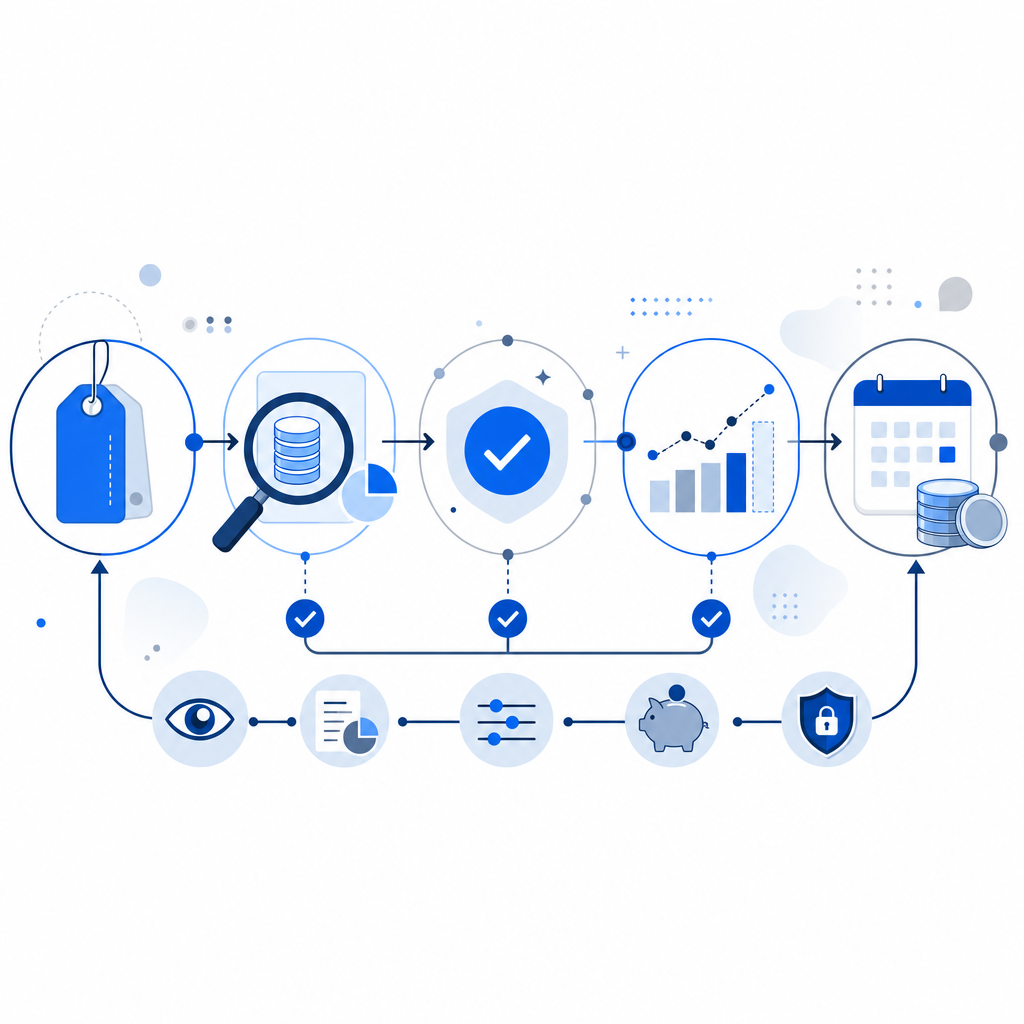
CaptchaLa emphasizes transparency with published tiers and clear documentation available in their pricing page and docs, making it easier for businesses to choose plans aligned with both security and financial goals.
Conclusion
Choosing an anti CAPTCHA solution involves more than picking the cheapest option. Understanding how pricing scales with verification volume, what technical and integration factors influence cost, and assessing features across providers helps ensure your bot defense fits your needs and budget.
Services like CaptchaLa, Google reCAPTCHA, hCaptcha, and Cloudflare Turnstile each have strengths and pricing nuances suited to different business sizes and security priorities. Examining their pricing models alongside your expected usage provides the confidence to defend effectively without overspending.
If you’re ready to explore pricing options in detail or want to get started with an independent provider designed for flexibility and transparency, visit CaptchaLa’s pricing page or review their comprehensive documentation.
Where to go next: Learn more about integrating CaptchaLa for your platform or estimate costs with their clear tier system at https://captcha.la/pricing.