
Anti bot-ultra refers to a sophisticated approach to bot defense that combines multiple detection techniques to robustly identify and block automated attacks. Unlike basic CAPTCHAs or simple bot checks, anti bot-ultra leverages layered challenges, behavioral analysis, and adaptive verification to minimize false positives and false negatives. This level of protection is critical for businesses dealing with sensitive user data, preventing fraud, and maintaining site integrity.
What Exactly Is Anti Bot-Ultra?
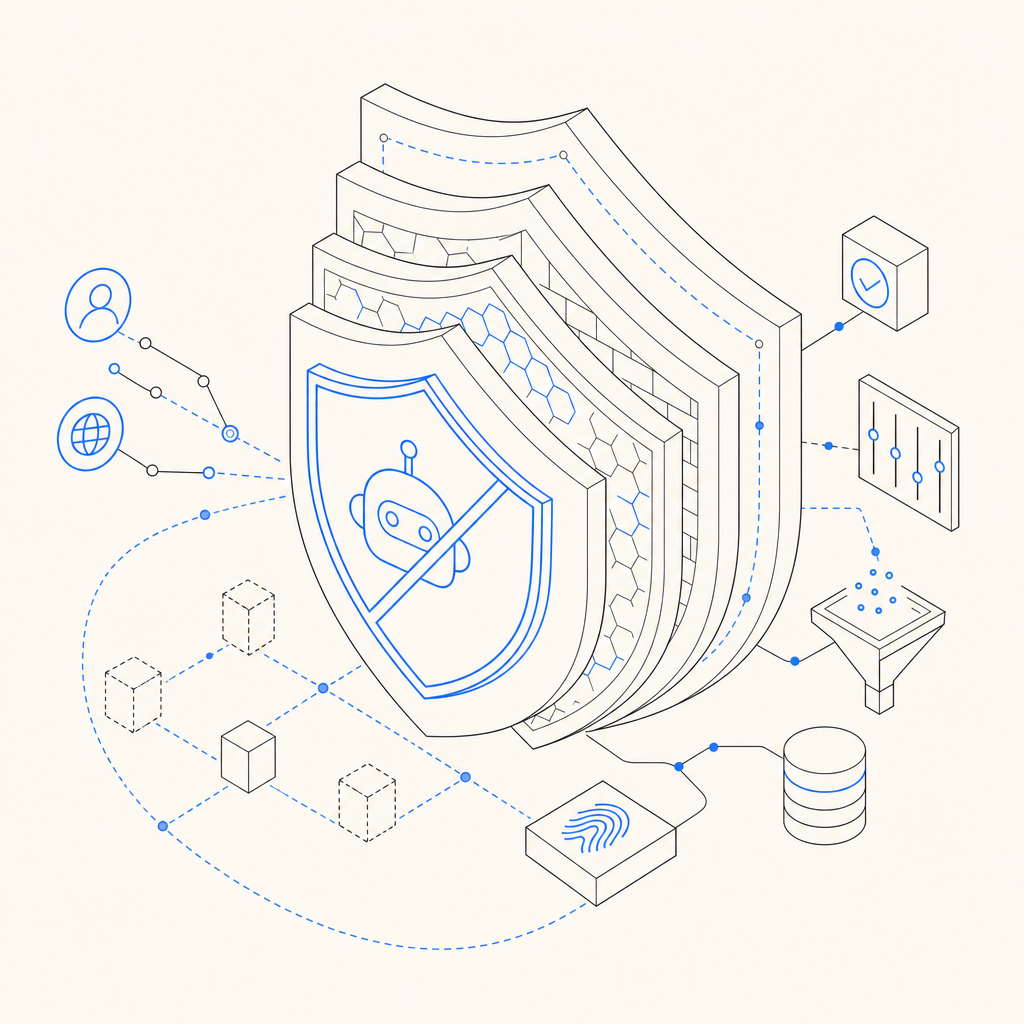
At its core, anti bot-ultra is not just a single tool but a strategic framework for bot mitigation. It integrates various technologies and signals to distinguish between human users and advanced automated scripts. These bots often mimic human behavior or attempt to bypass standard CAPTCHA challenges, so anti bot-ultra systems constantly adapt to evolving threats.
Key components typically include:
- Behavioral monitoring: observing mouse movements, typing patterns, and interaction timing
- Challenge-response tests: dynamic CAPTCHAs or tasks that vary by risk level
- Device and network fingerprinting: identifying suspicious IPs or environments
- Machine learning models: analyzing real-time traffic trends to detect anomalies
By combining these elements, anti bot-ultra solutions offer multilayered defense that can protect apps, websites, and APIs more effectively than single-method approaches.
How Anti Bot-Ultra Compares with Common Bot Defenses
| Feature | reCAPTCHA | hCaptcha | Cloudflare Turnstile | Anti Bot-Ultra (e.g., CaptchaLa) |
|---|---|---|---|---|
| Challenge Types | Image/text puzzles | Image/text puzzles | Invisible challenge | Adaptive, multilayer challenges |
| Behavioral Analysis | Limited | Moderate | Minimal | Advanced and continuous |
| Privacy Focus | Data sent to Google | Privacy-minded | Limited user data | First-party data only |
| SDK/platform support | Web, mobile | Web, mobile | Web | Native SDKs (Web, iOS, Android, Flutter, Electron) |
| Customization | Limited | Moderate | Minimal | Highly customizable |
| Pricing | Freemium, Pay-as-you-go | Freemium, tiered | Included with Cloudflare | Free tier + scalable paid tiers |
While reCAPTCHA, hCaptcha, and Cloudflare Turnstile offer reliable bot defenses, anti bot-ultra strategies—like those implemented by CaptchaLa—push further with context-aware, adaptive challenges supported by comprehensive SDKs and first-party data use. This reduces reliance on third-party data sharing and emphasizes privacy alongside security.
Technical Specifics of Implementing Anti Bot-Ultra with CaptchaLa
Integrating an anti bot-ultra method requires carefully blending frontend challenges with backend validation checks. CaptchaLa provides an ecosystem that supports this with various SDKs and APIs designed for seamless integration.
Here is a typical sequence for server-side validation:
// Example: Verifying CAPTCHA token on the server (Node.js style pseudocode)

// The client sends a pass_token along with user IP address
const pass_token = req.body.pass_token;
const client_ip = req.ip;

const response = await fetch('https://apiv1.captcha.la/v1/validate', {
  method: 'POST',
  headers: {
    'X-App-Key': process.env.CAPTCHA_APP_KEY,
    'X-App-Secret': process.env.CAPTCHA_APP_SECRET,
    'Content-Type': 'application/json'
  },
  body: JSON.stringify({ pass_token, client_ip })
});

const result = await response.json();

if (result.success) {
  // Proceed with sensitive action
} else {
  // Block or challenge the user further
}
Key features of CaptchaLa’s SDKs and API that enhance anti bot-ultra effectiveness include:
- Multi-platform SDK support: JavaScript (plain, Vue, React), iOS, Android, Flutter, Electron
- Lightweight loader: Delivered via
https://cdn.captcha-cdn.net/captchala-loader.jsfor easy frontend integration - Server-token issuance: Secure challenge issuance API to customize server-side workflows
- Multi-language UI: Accessible support with 8 UI languages
- Customizable challenge difficulty: Adapt challenges based on risk signals or user behavior
Why Use Anti Bot-Ultra Instead of Basic CAPTCHAs?
Basic CAPTCHAs typically rely on single-step challenges like image recognition or simple puzzles that bots can increasingly solve using ML or crowdsourced services. In contrast, anti bot-ultra techniques:
- Reduce user friction by adapting challenges dynamically
- Detect and block bot traffic earlier through behavioral and fingerprint signals
- Prevent automated account creation, scraping, and credential stuffing more effectively
- Maintain privacy by avoiding excessive data sharing with third parties
For example, CaptchaLa emphasizes first-party data handling, which improves both security and privacy compliance.
Balancing Security and User Experience
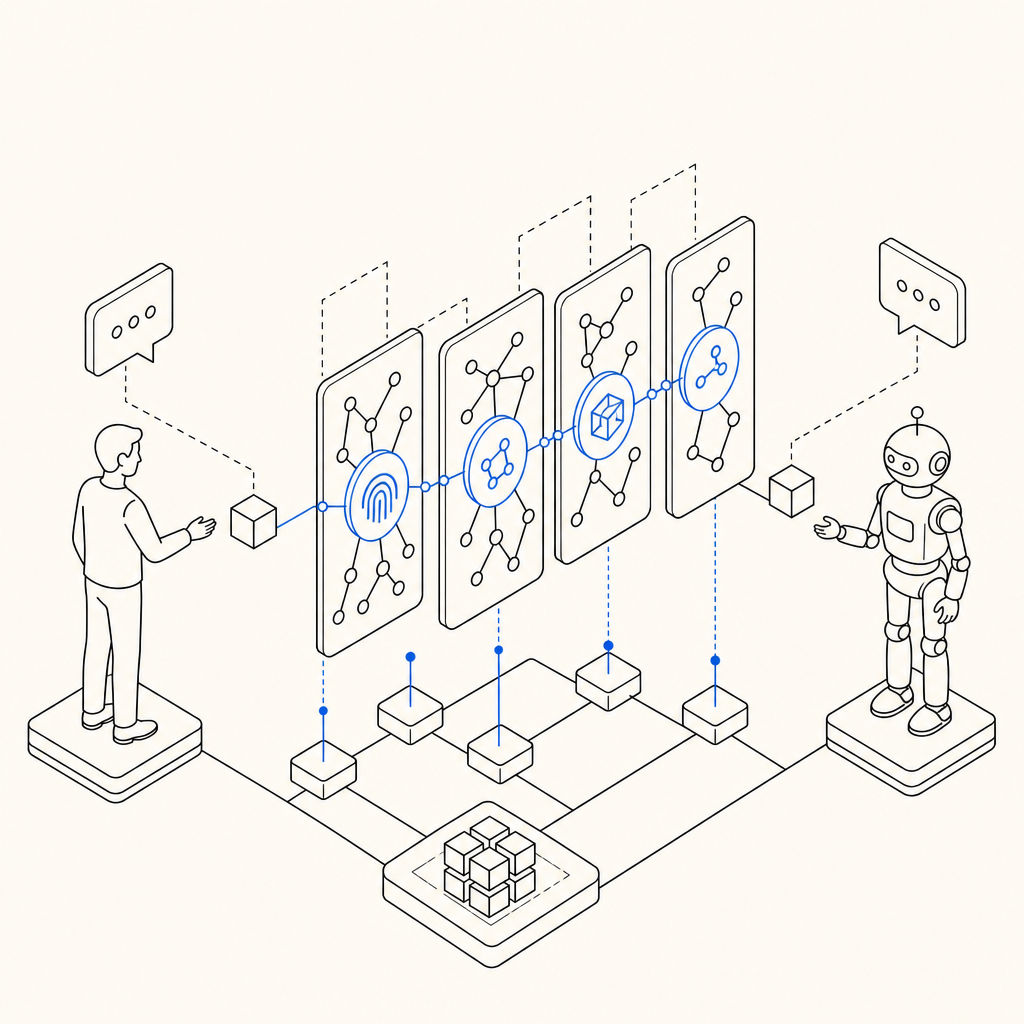
One challenge with stronger anti bot-ultra approaches is maintaining smooth user experience. Overly aggressive detection can frustrate legitimate users, while leniency opens gaps for attackers. Solutions like CaptchaLa address this by implementing:
- Risk-based challenge escalation: harmless users see minimal or no challenges, suspicious actors face tougher tests
- Responsive UI in multiple languages for inclusivity and accessibility
- Transparent analytics to monitor false positives and tune the system
Ultimately, the goal is to achieve high fidelity bot detection without compromising usability—a balance that evolves as threats do.
Where to go next: For detailed integration instructions and pricing plans for anti bot-ultra features, visit the CaptchaLa documentation and check out pricing options.