
Anti bot verification is a critical security measure businesses use to distinguish genuine human users from automated bots trying to exploit their websites or services. This process mitigates fraudulent activities, spam, credential stuffing, and scraping by requiring visitors to prove they are not bots through increasingly sophisticated challenges or behavioral analysis. Without anti bot verification, digital platforms are vulnerable to disruptions, data theft, and degraded user experience.
What Is Anti Bot Verification and Why Is It Essential?
Anti bot verification techniques employ various challenges or detection methods to verify user authenticity. The simplest forms include CAPTCHAs — puzzles or tasks humans can solve easily but bots struggle with. Modern solutions add behavioral biometrics, network reputation, and adaptive difficulty to stay ahead of bot developers.
The importance of anti bot verification grows as malicious bots become more advanced, using AI-powered tools to bypass basic defenses. Effective anti bot systems maintain website integrity by:
- Preventing automated account creation and fake registrations
- Blocking comment spam and fake reviews
- Protecting login pages from brute-force attacks
- Safeguarding pricing, content, or API endpoints from scraping
At the same time, anti bot verification aims to minimize friction for legitimate users, avoiding unnecessary delays or frustrations.
Common Methods of Anti Bot Verification
There are several approaches to differentiate bots from humans, each with strengths and trade-offs:
CAPTCHA Challenges
The most recognizable form, these include:
- Text-based CAPTCHAs: Users type distorted or obscured text. Simple but increasingly vulnerable to OCR-based bots.
- Image recognition: Users select images matching a prompt (e.g., “Select all traffic lights”). More user-friendly but can still be bypassed by AI recognition.
- Logic puzzles or interactive tasks: Dragging sliders, matching icons, or identifying behaviors bots can't mimic well.
Invisible and Behavioral Analysis
Services like Cloudflare Turnstile or hCaptcha now provide invisible challenges that analyze user behaviors such as mouse movements, click timing, and IP reputation to assess legitimacy without explicit interaction. This reduces user friction but may require more complex backend integration.
Device and Network Fingerprinting
Collecting metadata such as browser characteristics, device configurations, and IP addresses to detect suspicious patterns that correlate with bot activity.
Rate Limiting and Honeypots
Simple but effective methods include restricting requests from suspicious sources or inserting hidden fields in forms that bots tend to fill but humans don’t.

Comparing Popular Anti Bot Verification Solutions
| Feature | reCAPTCHA | hCaptcha | Cloudflare Turnstile | CaptchaLa |
|---|---|---|---|---|
| Challenge Types | Text, Image, Invisible | Image, Invisible, Audio | Invisible | Image, Invisible, Behavioral |
| User Friction | Medium-High | Medium | Low | Low |
| SDK Support | Web, Mobile (limited) | Web, Mobile | Web | Web (JS/Vue/React), Mobile (iOS, Android, Flutter), Electron |
| Privacy & Data Use | Google Data Collected | Data used for ad targeting | Data on Cloudflare network | First-party only; privacy-focused |
| Pricing | Free with usage caps | Free + Enterprise options | Included with Cloudflare plan | Free tier + scalable pro/business tiers |
| Customization Options | Limited | Moderate | Limited | Extensive customization via APIs and SDKs |
Each system has pros and cons. For example, reCAPTCHA is widely recognized but sends some data to Google, while Cloudflare Turnstile minimizes user friction but depends on Cloudflare’s infrastructure. CaptchaLa provides native SDKs across platforms with a focus on first-party data privacy and flexible pricing, making it an appealing option for businesses needing customizable bot defenses.
How to Implement Anti Bot Verification Effectively
Implementing anti bot verification requires balancing security and usability. Here are key considerations:
- Choose appropriate challenge types: Use invisible or behavioral verification where possible to reduce friction; fallback to visual challenges only when high risk is detected.
- Integrate with user flows carefully: Avoid interrupting critical user actions (e.g., checkout, login) unnecessarily to reduce drop-off rates.
- Leverage SDKs and APIs: Platforms like CaptchaLa offer SDKs for JavaScript, iOS, Android, Flutter, and backend validation endpoints to simplify integration.
- Monitor and tune thresholds: Regularly analyze verification success rates and false positives to adjust difficulty or detection rules.
- Maintain compliance and privacy: Ensure verification does not conflict with GDPR or other privacy regulations by limiting data sharing — a strong point for CaptchaLa’s first-party only data policy.
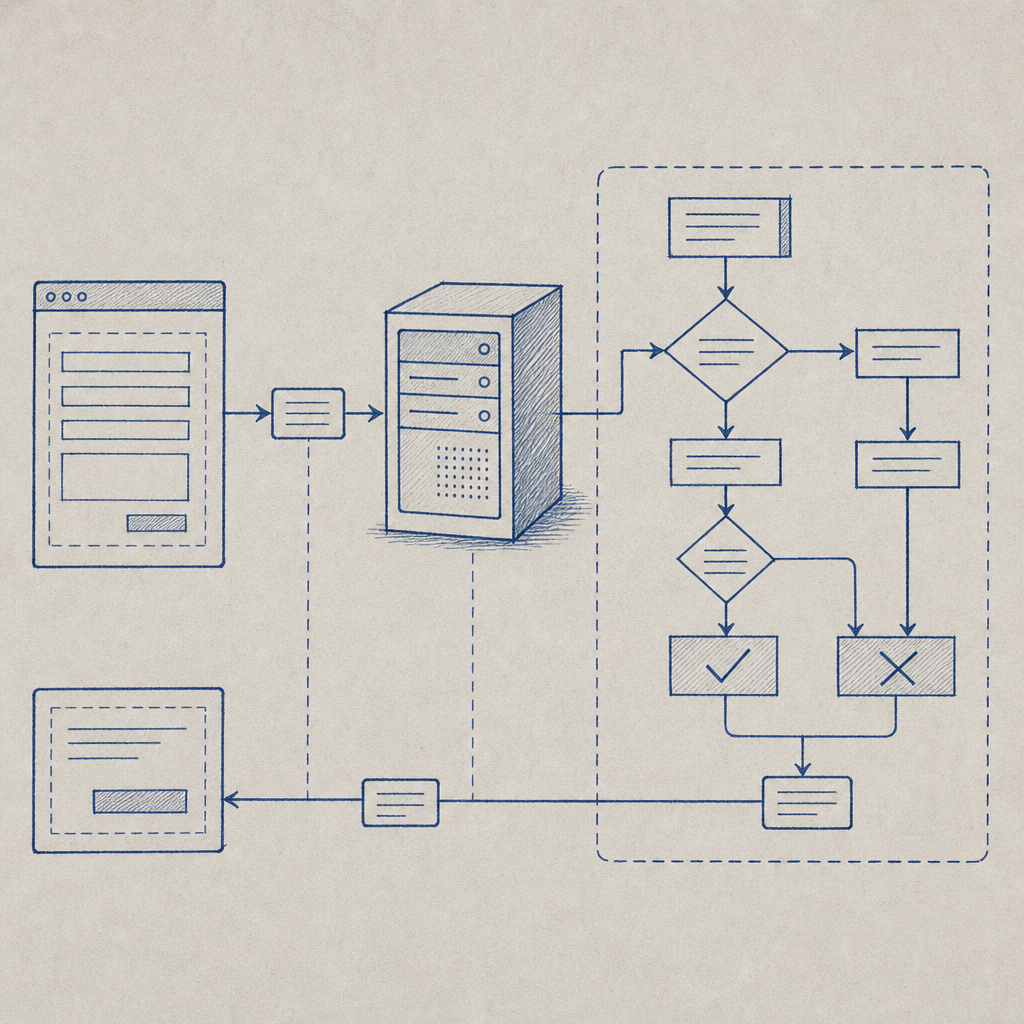
Here is a simplified code example illustrating server-side token validation with CaptchaLa:
// Example Node.js Express endpoint to validate CaptchaLa token
const axios = require('axios');

async function validateCaptchaLaToken(pass_token, client_ip) {
  const response = await axios.post(
    'https://apiv1.captcha.la/v1/validate',
    { pass_token, client_ip },
    {
      headers: {
        'X-App-Key': 'your-app-key',
        'X-App-Secret': 'your-app-secret'
      }
    }
  );
  return response.data.success;
}
This example shows how quick it is to verify that a user passed the anti bot check on the server, reinforcing security before allowing critical actions.
Why Choosing the Right Anti Bot Verification Matters
Anti bot strategies aren’t one-size-fits-all. Decisions should be based on your site’s risk profile, user base, and technical resources. Overly aggressive verifications can deter genuine users while weak measures leave security holes.
For developers wanting flexibility and multi-platform support, CaptchaLa’s ecosystem is robust, from SDKs for major frameworks to detailed documentation. Their free tier allows testing basic protection on smaller projects, while paid tiers scale to millions of challenges monthly.
Competitor services like reCAPTCHA and hCaptcha remain widely used and effective but may have limitations related to data privacy or customization. Cloudflare Turnstile offers low-friction verification embedded in the Cloudflare network but may not fit all platform types.
By integrating a solution tailored to your needs, you can maintain website accessibility and performance while greatly reducing bot-related threats.
Ready to secure your website with anti bot verification? Check out CaptchaLa’s pricing and explore our detailed docs to get started with smooth, privacy-minded bot defense.