
A captcha dataset is a specialized collection of examples used to train, test, and evaluate the algorithms that generate and verify CAPTCHAs—those challenges designed to distinguish humans from bots on websites and apps. Without a robust captcha dataset, it’s impossible to develop effective bot defense systems that can stay ahead of automated attackers while providing smooth user experiences.
In essence, a captcha dataset contains thousands or even millions of labeled samples of CAPTCHA challenges and user responses. These can include images, audio, text puzzles, or interactive tasks. The data is used to build machine learning models or rule-based systems that create CAPTCHAs tough enough to stop bots but easy enough for humans.
What Comprises a Captcha Dataset?
Captcha datasets vary widely depending on the type of CAPTCHA being used:
- Image Captchas: Collections of images with associated labels — for example, pictures with cats, street signs, or distorted characters along with their correct answers.
- Text-Based Captchas: Sets of distorted text strings and their clean equivalents, sometimes including noise patterns or backgrounds.
- Interactive Captchas: Data from user interactions, such as mouse movements, slider behavior, or puzzle completions.
These datasets often include metadata like difficulty levels, response times, and success rates to better analyze CAPTCHA effectiveness.
Why Are Captcha Datasets Crucial?
- Training Accuracy: Machine learning models for CAPTCHA generation and verification rely on quality data. A weak or biased dataset leads to solutions that are vulnerable to automated solvers or frustrating for genuine users.
- Adapting to New Threats: Bots constantly evolve, so new captcha datasets incorporating recent attack methods help continuously retrain and update defenses.
- User Experience Optimization: By analyzing human response patterns in captcha datasets, developers can balance security with fewer false negatives or excessive friction.
Popular Sources of Captcha Datasets
While companies often curate proprietary datasets, some public options exist primarily for research:
- MNIST Dataset: Though originally for handwritten digit recognition, it’s been adapted in early captcha research.
- ImageNet Subsets: Used for training CAPTCHAs involving image recognition.
- In-House Datasets: Platforms like CaptchaLa collect first-party challenge and response data from their real-user traffic for continuous improvement.
Comparing Captcha Datasets Across Providers
Different CAPTCHA and bot defense providers approach dataset collection and usage with varying priorities:
| Provider | Dataset Focus | Data Collection Source | Open/Public Dataset | Notes |
|---|---|---|---|---|
| CaptchaLa | Image, text, interaction | Proprietary, first-party only | No | Emphasizes privacy; supports 8 UI languages and multiple SDKs |
| reCAPTCHA (Google) | Image classification tasks | User interactions on Google sites | Partially public | Uses large-scale user data with complex risk analysis |
| hCaptcha | Diverse image and text puzzles | Third-party task publishers | Limited | Known for crowdsourced labeling, task variety |
| Cloudflare Turnstile | Minimal interaction, privacy-focused | Behavioral analytics | No | Lightweight, focuses on invisible challenges |
Each provider’s dataset strategy reflects trade-offs between training data scale, user privacy, and challenge diversity.
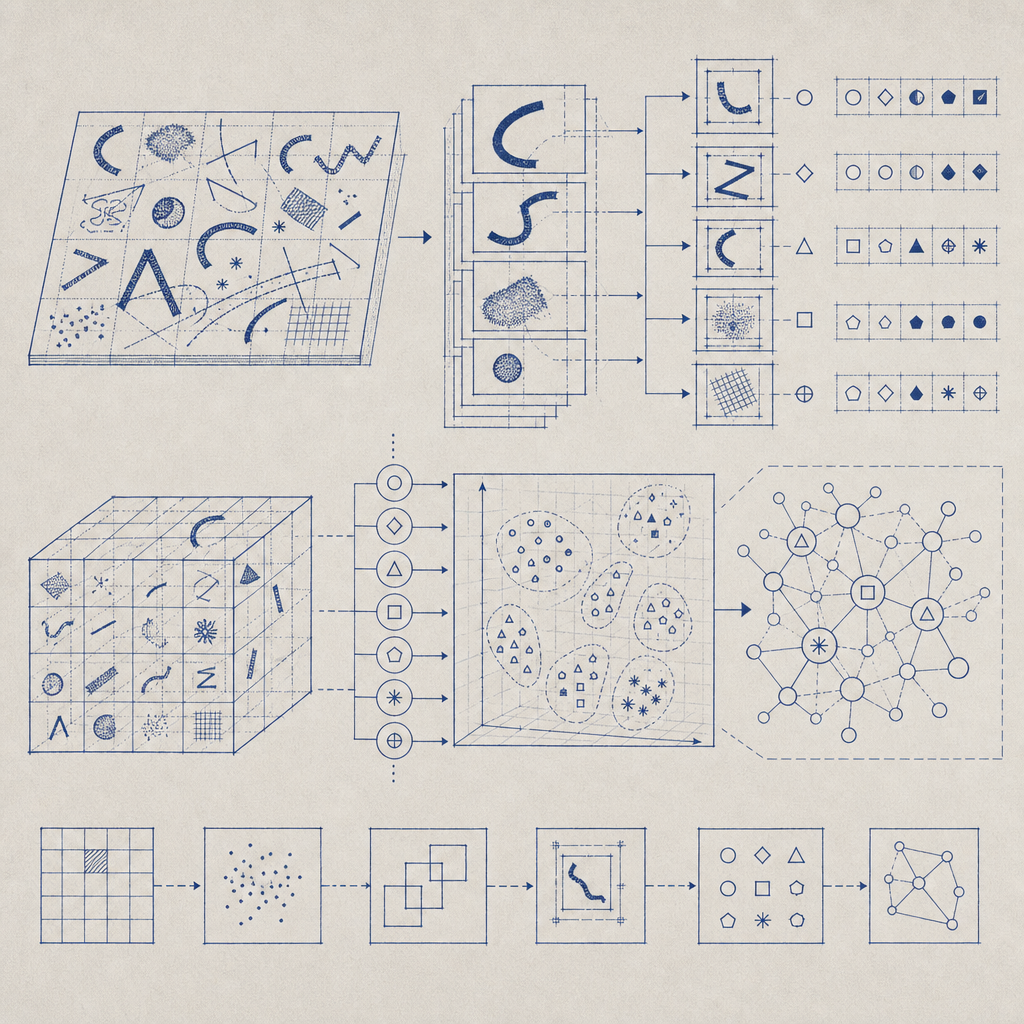
How Captcha Datasets Power Modern Bot Defense
Modern bot defense systems integrate captcha datasets in multiple technical ways:
1. Model Training
Supervised learning models require datasets containing both CAPTCHA challenges and correct answers. For example:
# Example pseudocode for training a CAPTCHA text recognition model
for image, label in captcha_dataset:
    prediction = model.predict(image)
    loss = compute_loss(prediction, label)
    model.backpropagate(loss)
This iterative training enhances the system’s ability to generate puzzles solvable by humans but resistant to bots.
2. Challenge Generation & Variation
Data-driven approaches use captcha datasets to create new, diverse challenges that avoid pattern repetition—something crucial given sophisticated bot solvers.
3. User Behavior Analysis
Some datasets track completion times, error rates, and interaction patterns to distinguish genuine users from bots that may bypass CAPTCHAs with unusual behavior.
4. Continuous Improvement and Monitoring
Regularly updated datasets enable providers like CaptchaLa to refine challenge difficulty, improve accessibility, and prevent emerging attack vectors.
Building Your Own Captcha Dataset: Key Considerations
If your team is considering building a custom captcha dataset for bot defense, keep in mind these technical specifics:
- Diversity: Incorporate multiple challenge types and difficulty levels to prevent pattern recognition by bots.
- Label Accuracy: High-quality, error-free labels are critical. Any mistakes degrade model performance.
- Privacy Compliance: Use only first-party data collected with user consent—avoid sharing or purchasing external data without legal clearance.
- Volume: Models often require tens of thousands to millions of samples for robust accuracy.
- Metadata Collection: Track additional context like device type, IP address, and timestamps to enhance analysis.
These principles align with practices used by providers such as CaptchaLa, which ensures data integrity and user privacy while powering efficient bot defense.
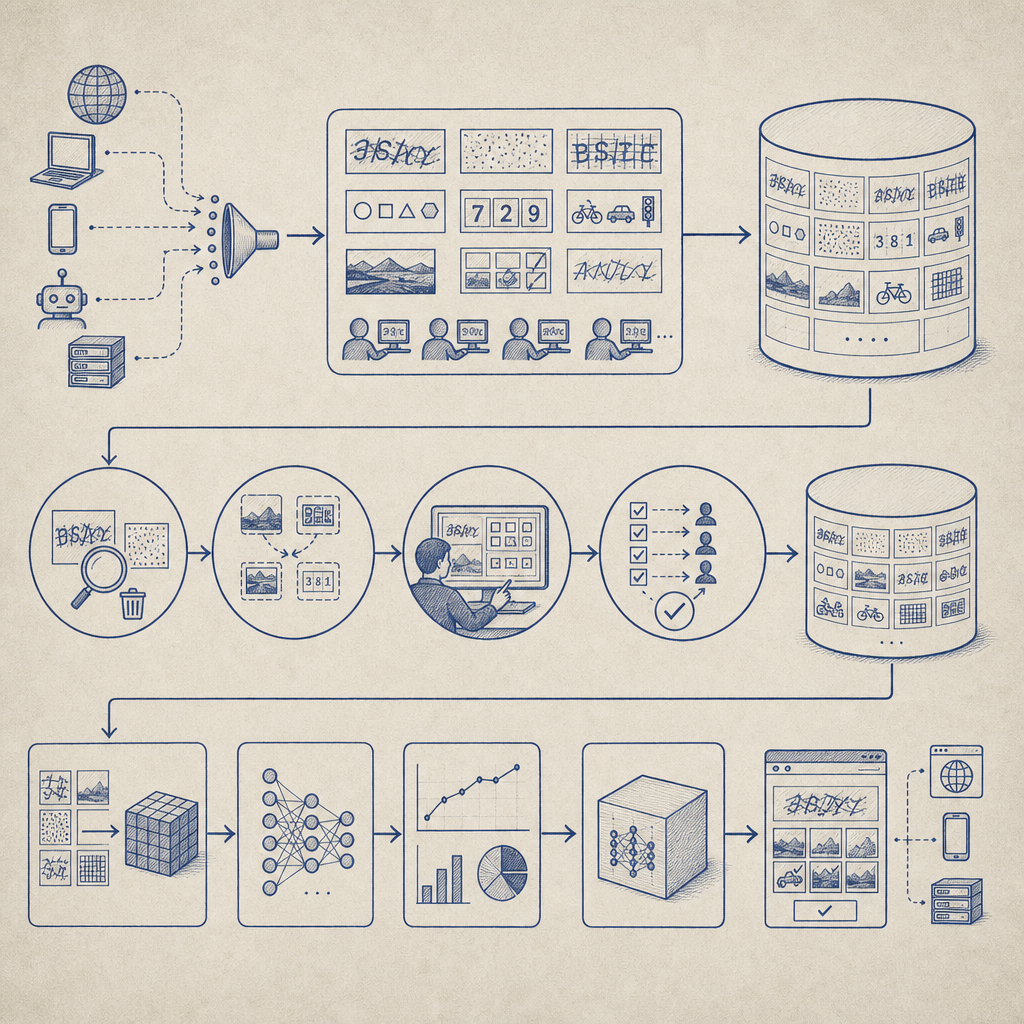
Conclusion: The Role of Captcha Datasets in Bot Defense Evolution
Captcha datasets form the backbone of any CAPTCHA-driven bot defense system. They enable continual adaptation to new attack methods, optimize user experience, and underpin machine learning-driven security measures. From established options like Google's reCAPTCHA to privacy-conscious services like CaptchaLa, dataset strategy is a core component that shapes efficacy and reliability.
Whether you’re evaluating CAPTCHA providers or designing your own bot mitigation tactics, understanding the nuances of captcha datasets offers crucial insight into what makes these defenses successful—and sustainable.
If you want to learn more about how captcha datasets integrate into real-world solutions, explore the detailed CaptchaLa documentation or review their flexible pricing plans for different scales of usage.