
Anti bot technology is the collection of techniques and tools designed to detect, block, and mitigate automated traffic—commonly known as bots—that threaten websites and online services. Unlike human users, bots can flood forms, scrape content, commit fraud, or attempt unauthorized access at scale and speed. Effective anti bot technology helps businesses maintain security, preserve user experience, and reduce fraudulent activities by distinguishing legitimate users from malicious automation.
What Is Anti Bot Technology?
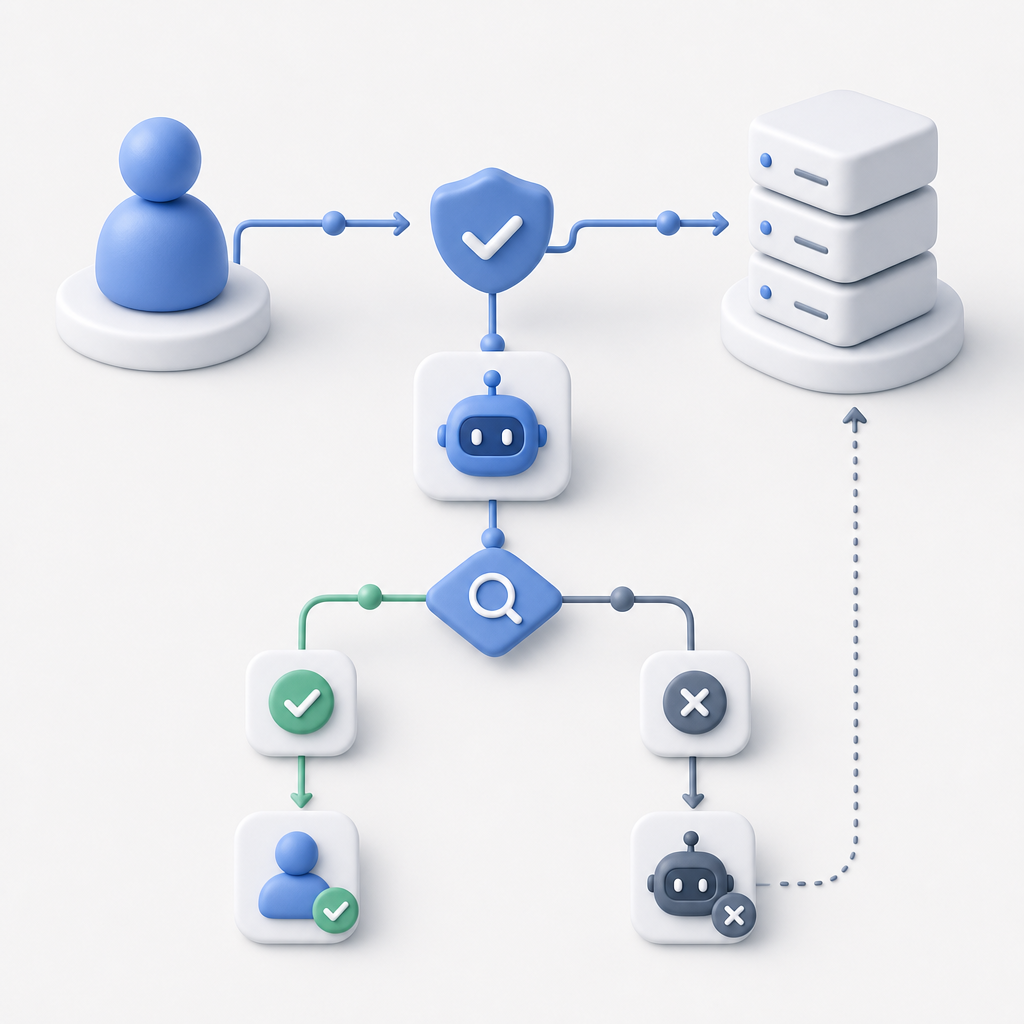
At its core, anti bot technology works by analyzing traffic patterns, user behavior, and interaction cues to determine whether a visitor is human or an automated bot. This verification may be done through interactive challenges, behavioral analytics, device fingerprinting, and server-side validation. The goal is not just to block any bot outright but to allow genuine users effortless access while stopping malicious automation.
Key capabilities of anti bot systems typically include:
- Challenge-response tests (e.g., CAPTCHAs)
- Behavioral analysis and anomaly detection
- IP reputation and rate-limiting
- Script and browser integrity checks
The increasing sophistication of bots makes anti bot protections an ongoing necessity for all websites that rely on user input or sensitive data.
Common Methods and Technologies in Anti Bot Solutions
CAPTCHA Challenges
The most familiar form is the CAPTCHA—Completely Automated Public Turing test to tell Computers and Humans Apart. These can be image-based puzzles, text recognition, or interactive tasks designed to be easy for humans but hard for automated bots.
Examples include:
- Google’s reCAPTCHA (v2 and Invisible)
- hCaptcha
- Cloudflare Turnstile
- CaptchaLa, which offers customizable challenges across multiple platforms
CAPTCHAs remain widely used because they present a direct and intuitive test of human interaction, but they must balance security with user convenience.
Behavioral Analysis
More advanced anti bot systems incorporate behavioral biometrics, tracking mouse movements, typing cadence, session duration, and scrolling patterns. Automated scripts typically exhibit unnatural or repetitive behaviors that can be flagged.
This technique reduces reliance on explicit challenges and improves the user experience by allowing seamless verification for low-risk traffic.
Device and Network Fingerprinting
Anti bot tools often collect device metadata like browser type, screen resolution, installed fonts, and network indicators to generate a fingerprint. If a visitor has the characteristics of known bot environments (headless browsers, proxy IPs), they can be flagged for additional scrutiny or blockage.
Server-Side Validation and Rate Limiting
Server APIs verify tokens or challenge responses submitted from clients to confirm validity. Rate limiting restricts excessive requests from the same source, preventing brute force or scraping attacks.
For example, CaptchaLa’s validation API enables backend verification, supporting multiple integration SDKs in languages like PHP and Go, ensuring robust server-side defenses.

Comparing Popular Anti Bot Solutions
To better understand how different providers handle anti bot protection, the table below summarizes key features of CaptchaLa, reCAPTCHA, hCaptcha, and Cloudflare Turnstile:
| Feature | CaptchaLa | reCAPTCHA | hCaptcha | Cloudflare Turnstile |
|---|---|---|---|---|
| Challenge Types | Image, logic puzzles, invisible, custom | Image puzzles, Invisible reCAPTCHA | Image puzzles, invisible | Invisible, minimal user friction |
| SDKs & Languages | Web (JS/Vue/React), iOS, Android, Flutter, Electron; PHP, Go server SDKs | JS SDK; some server support | JS SDK, limited mobile support | JS SDK, integrates with Cloudflare network |
| Privacy | First-party data only; no third-party tracking | Google tracking embedded | Claims strong privacy focus | Runs on Cloudflare network, some data shared |
| Free Tier | 1000/month | Unlimited but with Google account | Free tier available | Free with Cloudflare subscription |
| Customizability | High (varied UI languages, adaptable UI) | Limited UI customization | Medium (branding options) | Minimal customization |
CaptchaLa stands out by offering multi-platform native SDKs and a privacy-focused model that avoids third-party data sharing—important considerations for compliance-sensitive businesses.
Technical Considerations for Implementing Anti Bot Technology
When integrating anti bot protections, consider these technical specifics:
User Experience Impact
Some CAPTCHAs can frustrate users if too aggressive or difficult. Select solutions with adaptive challenges or invisible modes to minimize friction.Integration Complexity
Choose SDKs and APIs that match your development stack. CaptchaLa provides native SDKs for popular frameworks and mobile, plus server-side libraries with straightforward validation endpoints.Privacy & Compliance
Solutions that collect minimal personal data and avoid third-party trackers align better with GDPR, CCPA, and other regulations.Scalability & Performance
Ensure the anti bot system can handle your traffic volume without latency. CaptchaLa offers tiered plans up to 1 million validations/month, suitable for growing businesses.Detection Accuracy and Evasion Resistance
No system is perfect—effective anti bot tech combines multiple signals to minimize false positives/negatives and adapts as attackers evolve.
Example: Basic CaptchaLa Validation Code (JavaScript)
// After user passes the CaptchaLa challenge, get the token
const passToken = await captchala.execute();

// Send token and client IP to your server API for validation
fetch('https://apiv1.captcha.la/v1/validate', {
  method: 'POST',
  headers: {
    'Content-Type': 'application/json',
    'X-App-Key': 'your-app-key',
    'X-App-Secret': 'your-app-secret',
  },
  body: JSON.stringify({
    pass_token: passToken,
    client_ip: userIpAddress,
  }),
})
.then(response => response.json())
.then(result => {
  if (result.success) {
    // Proceed with user request
  } else {
    // Handle bot or failed validation
  }
});
Integrating server-side validation ensures the challenge cannot be bypassed just by simulating client-side actions.
Conclusion: Implementing Strong Anti Bot Technology
Anti bot technology plays a crucial role in preserving online security by distinguishing humans from automated threats. From traditional CAPTCHAs to behavioral analytics and fingerprinting, these technologies help protect websites from fraud, spam, and abuse.
Choosing the right anti bot solution requires balancing security needs with user experience, technical compatibility, and privacy requirements. CaptchaLa provides a comprehensive suite of tools and SDKs designed to integrate smoothly across platforms, supporting robust bot defense while respecting user privacy.
For more details on how to get started with CaptchaLa or to explore pricing tiers tailored to your traffic volume, visit the pricing page. Developers can dive into the integration specifics in the detailed docs.
Taking a layered, well-rounded approach to anti bot technology can fortify your digital assets against evolving automated threats—making your web presence safer for everyone.