
Anti bot scraping is the set of techniques and tools used to prevent automated bots from harvesting data from websites without permission. With scraping bots becoming increasingly sophisticated, defending your web resources requires more than just basic rate limiting or IP blocking. Effective anti bot scraping strategies combine detection, challenge-response mechanisms, and behavioral analysis to distinguish genuine users from malicious bots and block unauthorized data collection.
Why Anti Bot Scraping Matters
Scraping bots undermine websites by stealing valuable content, overloading servers, and enabling competitive data mining or fraud. The consequences include intellectual property theft, skewed analytics, degraded site performance, and increased hosting costs. Without robust anti bot scraping measures, businesses risk losing control over their data and damaging their brand trust.
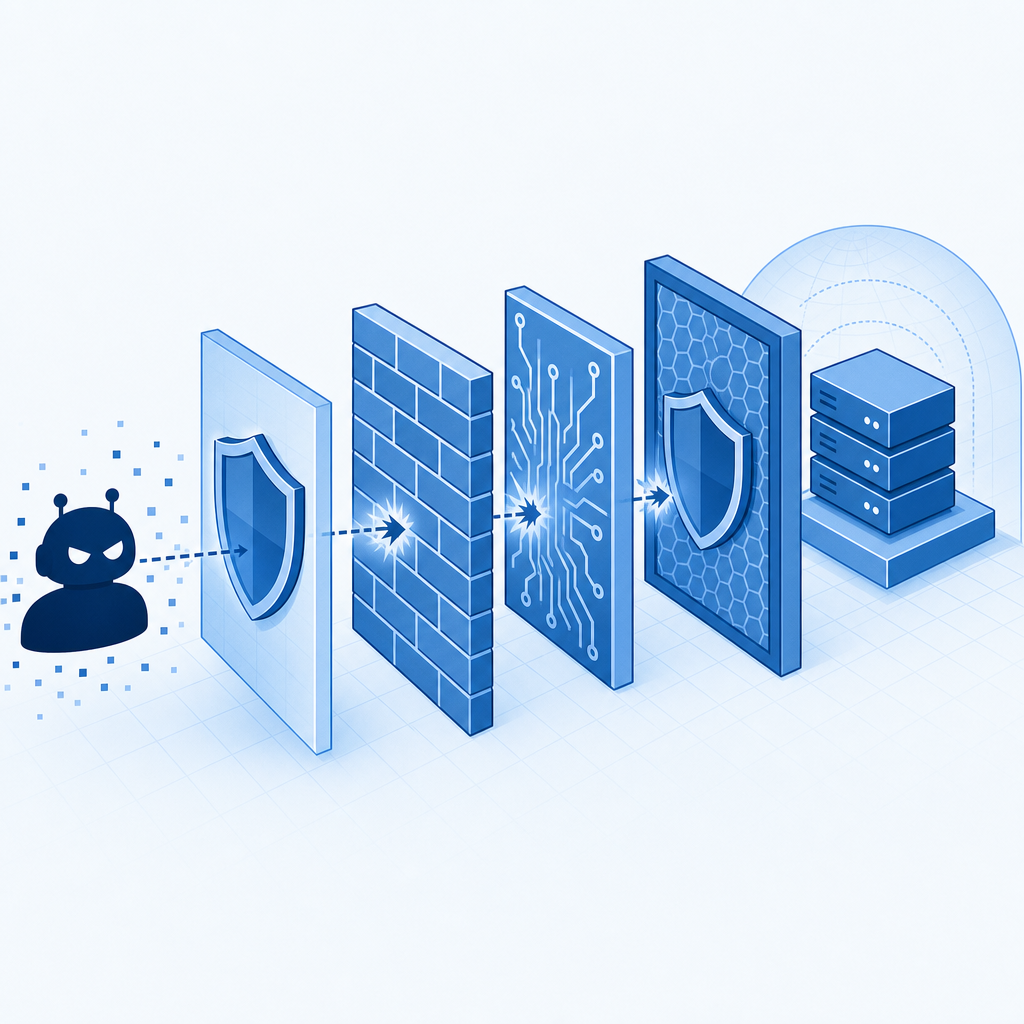
While it’s impossible to block every bot outright, the goal is to create layers of defense that increase the cost and difficulty of scraping, discouraging all but the most determined attackers.
Common Anti Bot Scraping Techniques
1. Challenge-Response Tests
CAPTCHAs remain one of the most straightforward methods to separate humans from bots. When suspicious activity is detected—such as rapid repeated requests or unusual browsing patterns—a CAPTCHA challenges the visitor to prove they are human.
There are several CAPTCHA providers, including CaptchaLa, Google’s reCAPTCHA, hCaptcha, and Cloudflare Turnstile. Each offers different trade-offs:
| Provider | User Experience | Privacy | Integration Flexibility | Languages Supported |
|---|---|---|---|---|
| CaptchaLa | Lightweight, customizable | First-party data only | SDKs for JS, iOS, Android, Flutter | 8 UI languages |
| reCAPTCHA | Familiar but sometimes intrusive | Data shared with Google | Wide adoption, multiple UI versions | Multiple languages |
| hCaptcha | Privacy-focused | GDPR compliant | Easy integration, pays publishers | Multiple languages |
| Cloudflare Turnstile | Invisible, low friction | Privacy-forward | Simple setup, no user challenges | Fewer language options |
Using tools like CaptchaLa lets you tailor challenge difficulty, localization, and SDK usage to your platform and audience without overburdening user experience.
2. Behavior-Based Bot Detection
Modern anti bot scraping systems use behavioral analysis to detect anomalies such as:
- Unnaturally fast page navigation
- Consistent requests lacking typical human delays
- Mouse movement patterns and click timing
- Browser fingerprinting inconsistencies
Combining real-time metrics with adaptive risk scoring allows defenses to escalate from soft challenges to blocking without false positives.
3. Rate Limiting and IP Intelligence
Basic but still useful, rate limiting restricts how frequently a client can request certain resource endpoints. This can be enhanced via IP reputation databases, blocking known malicious IPs or VPN exit points.
The challenge is discriminating between legitimate high-volume users and scraping activity. Rate limiting combined with CAPTCHAs at thresholds is a practical layered approach.

Integrating Anti Bot Scraping with CaptchaLa
CaptchaLa supports rich SDKs and native integrations across platforms, making deployment seamless:
- JavaScript loader and front-end SDKs for React, Vue, and raw JS
- Mobile SDKs for iOS, Android, Flutter, Electron apps
- Server SDKs like
captchala-phpandcaptchala-go - Validation endpoint with secure API keys
Example validation flow in PHP using CaptchaLa server SDK:
<?php
// Validate a CAPTCHA response from the client
$clientToken = $_POST['pass_token'];
$clientIp = $_SERVER['REMOTE_ADDR'];

$captchala = new Captchala\Client('APP_KEY', 'APP_SECRET');
$response = $captchala->validate($clientToken, $clientIp);

if ($response->isValid()) {
    // Proceed with the request
} else {
    // Trigger bot mitigation or block
}
?>
Key features include the ability to customize UI languages (currently supporting 8 languages), minimal latency via CDN-delivered loader scripts, and first-party data usage which addresses privacy concerns better than some alternatives.
Challenges and Tips for Effective Bot Scraping Defense
- Balancing UX and Security: Overly aggressive CAPTCHA triggers frustrate users, while lenient policies allow bots through. Monitoring and tuning thresholds is essential.
- Addressing Evasion Tactics: Simpler CAPTCHAs might be bypassed by OCR or human farms. Dynamic, context-aware challenges help raise barriers.
- Monitoring and Analytics: Continuously gather site analytics to detect new scraping patterns early.
- Multi-Layered Defense: Combine CAPTCHAs with other methods like device fingerprinting, honeypot traps, and behavioral analytics for best results.
- Regular Updates: Bot strategies evolve quickly; regularly update detection rules and CAPTCHA libraries.
How CaptchaLa Compares
Compared to Google's reCAPTCHA, CaptchaLa emphasizes flexible integration, multi-language support, and first-party data privacy. It avoids reliance on massive third-party data exchange which some sites prioritize. While Google’s reCAPTCHA enjoys broad recognition and anti-abuse insights, CaptchaLa offers a lighter footprint and developer-friendly APIs, allowing customization that fits diverse security needs.
hCaptcha offers its own privacy advantages by paying site owners for challenge solving, but can be more complex to integrate. Cloudflare Turnstile delivers invisible challenges without user friction, useful when minimal disruption is paramount but less suited if explicit verification is needed.
Choosing an anti bot scraping tool depends on your site’s user base, privacy priorities, and technical environment. CaptchaLa’s multi-SDK support and clear API documentation (docs) make it a strong fit for teams wanting adaptable, privacy-conscious bot defense.
Preventing bot scraping is a constant game of cat and mouse, but with layered controls like behavioral detection and effective challenge-response, you can safeguard your site’s content and user experience. To explore CaptchaLa’s plans, including a free tier suitable for low-traffic sites to enterprise options, visit the pricing page. For implementation details and SDK usage, check the official documentation.