
An anti bot redirect is a technique used to detect and block malicious automated traffic by redirecting suspected bots away from sensitive or valuable web pages. Unlike traditional CAPTCHA challenges that interrupt user flow, anti bot redirects silently route non-human actors to alternative pages or verification screens, reducing server load and protecting resources. This approach helps ensure genuine users have a smooth experience while bots face barriers that limit their impact.
What Is an Anti Bot Redirect and Why Use It?
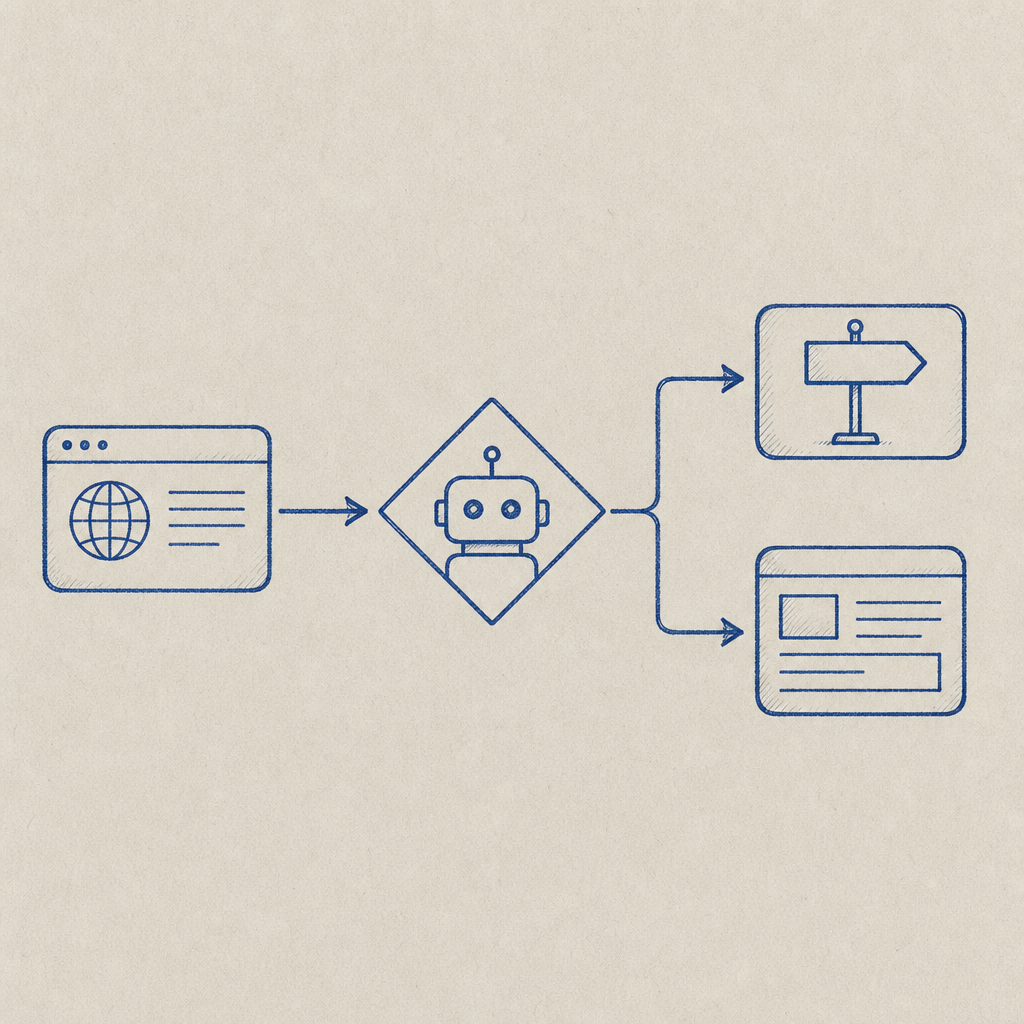
Anti bot redirects act as gatekeepers to websites or web applications. When a user or bot requests a page, server-side or client-side logic evaluates the request using heuristics, behavior analytics, or challenge tokens. If the entity fails the bot detection criteria, it is redirected—often to a CAPTCHA challenge, a warning page, or a low-interaction page designed to waste bot resources.
This method is advantageous because it:
- Reduces server strain by preventing bots from consuming resources on critical pages
- Limits scraping, spam, and credential stuffing attempts
- Maintains a frictionless experience for legitimate users who bypass the redirect
- Integrates seamlessly with existing bot defense layers such as CAPTCHA challenges
Compared to other bot mitigation strategies, anti bot redirects focus on redirecting rather than outright blocking or challenging immediately, balancing security with user accessibility.
How Anti Bot Redirects Work: Technical Breakdown
Implementing anti bot redirects involves a combination of detection metrics and redirect rules. Here's a typical workflow:
Initial Request Analysis
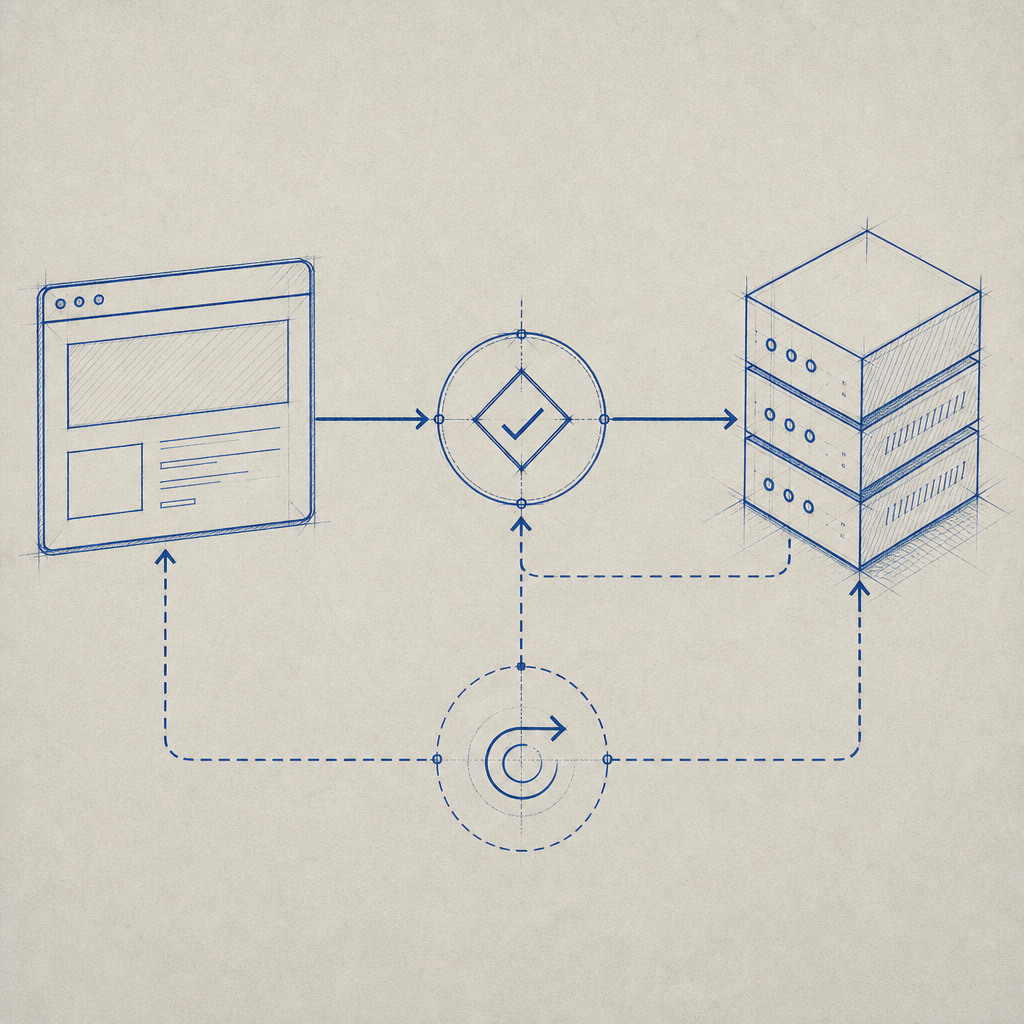
Incoming requests are analyzed for suspicious attributes such as unusual IP reputation, missing browser headers, abnormal access patterns, or invalid tokens.Challenge Issuance or Silent Redirect
Once flagged, the system issues a redirect response (usually HTTP 3xx) to a safe location—often a CAPTCHA or “Access Denied” page.Verification Handling
Users completing CAPTCHA or passing verification are either allowed direct access or returned to the original page.Logging and Adaptive Learning
Data from redirects inform adaptive rules to tune bot detection accuracy over time.
Code Snippet Example: Basic Anti Bot Redirect Logic (Pseudo-JavaScript)
// Check if request is suspicious
function requiresAntiBotRedirect(req) {
  if (!req.headers['user-agent'] || req.ip.isBlacklisted) {
    return true; // Likely bot or bad traffic
  }
  // Additional heuristics here ...
  return false;
}

// Middleware for redirects
function handleRequest(req, res, next) {
  if (requiresAntiBotRedirect(req)) {
    // Redirect to bot challenge page
    res.redirect('/bot-verification');
  } else {
    next(); // Proceed to requested page
  }
}
This fundamental logic can be extended with anti bot services like CaptchaLa that provide advanced detections, integrations, and customizable redirect endpoints to improve accuracy and user experience.
Comparing Anti Bot Redirect Approaches Among Bot Defense Providers
Many anti-bot providers include redirect-type mechanisms as part of their defense suite. Here's a quick comparison of anti bot redirect handling capabilities among popular players:
| Feature | CaptchaLa | reCAPTCHA | hCaptcha | Cloudflare Turnstile |
|---|---|---|---|---|
| Redirect on Bot Detection | Yes, customizable redirect & challenge | Primarily challenge-based, with fallback | Challenge-based, limited redirect | Redirect possible via firewall rules |
| Verification Types | CAPTCHA + invisible bot analysis | ReCAPTCHA widget, checkbox | Visual puzzles + checkbox | Invisible widget + challenges |
| SDK & Platform Support | Web (JS, React, Vue), Mobile (iOS, Android, Flutter), Server SDKs (PHP, Go) | Web-focused, mobile SDKs less extensive | Web, some mobile SDKs | Web and edge network integrated |
| Customization | Redirect URLs, challenge frequency control | Limited customization | Moderate | Custom rules via firewall |
| Pricing Model | Free tier + volume tiers | Free + Enterprise | Free + Enterprise | Included with Cloudflare plans |
While reCAPTCHA and hCaptcha emphasize visual challenge presentations, CaptchaLa offers flexible redirect workflows combined with native SDKs across multiple platforms to support diverse integration needs. Cloudflare Turnstile, integrated at the edge, may require firewall rules to implement redirects, offering less direct control.
Best Practices for Implementing Anti Bot Redirects
To deploy anti bot redirects effectively, consider these technical specifics:
Use Multiple Detection Signals
Combine IP reputation, behavioral analytics, fingerprinting, and token validation for higher accuracy.Optimize Redirect Destinations
Redirect bots to lower-cost pages or tailored CAPTCHA challenges instead of generic error pages.Maintain User Experience
Use cookies or tokens to exempt verified users from repeated redirects.Integrate with Existing Bot Defenses
Leverage comprehensive solutions like CaptchaLa’s API validation (docs) and SDKs to streamline detection and verification flows.Monitor and Tune Rules Regularly
Analyze redirect logs to adjust heuristics and avoid false positives impacting legitimate traffic.
Leveraging CaptchaLa for Enhanced Anti Bot Redirects
CaptchaLa supports anti bot redirect strategies through a combination of features:
- Native SDKs across Web (JS, React, Vue), iOS, Android, Flutter, Electron
- Server-side validation endpoints with secure token checks
- Customizable redirect URLs for bot challenge issuance
- Adaptive detection backed by first-party data, maintaining user privacy
- Free and scalable pricing tiers for projects of any size
For example, CaptchaLa’s validation API (POST https://apiv1.captcha.la/v1/validate) accepts pass tokens with client IP, enabling backends to verify legitimacy before serving sensitive content or issuing redirects. Documentation and integration examples are available via CaptchaLa docs, making it straightforward to embed anti bot redirects into your application logic.
Conclusion
Anti bot redirects provide a pragmatic mechanism to safeguard web properties from automated abuse with minimal disruption to real users. By intelligently redirecting suspicious traffic to verification endpoints or decoy pages, websites can reduce overhead and improve security posture. Leveraging services like CaptchaLa can simplify the implementation with multi-platform SDKs, flexible API validation, and customizable redirect flows.
If you want to explore adding anti bot redirect functionality to your web or mobile app, check out CaptchaLa pricing for flexible plans and see detailed integration guides in the docs.
Where to go next? Visit our pricing page or dive deeper with developer resources on CaptchaLa documentation.