
Anti bot protection is crucial for any website seeking to maintain security, usability, and integrity. At its core, anti bot protection involves detecting and mitigating automated bots that attempt to interact with a website in unauthorized ways—whether to scrape data, commit fraud, abuse services, or execute spam attacks. Modern anti bot solutions combine behavioral analysis, challenge-response mechanisms, and risk assessment to differentiate genuine users from malicious automation.
Understanding Anti Bot Protection
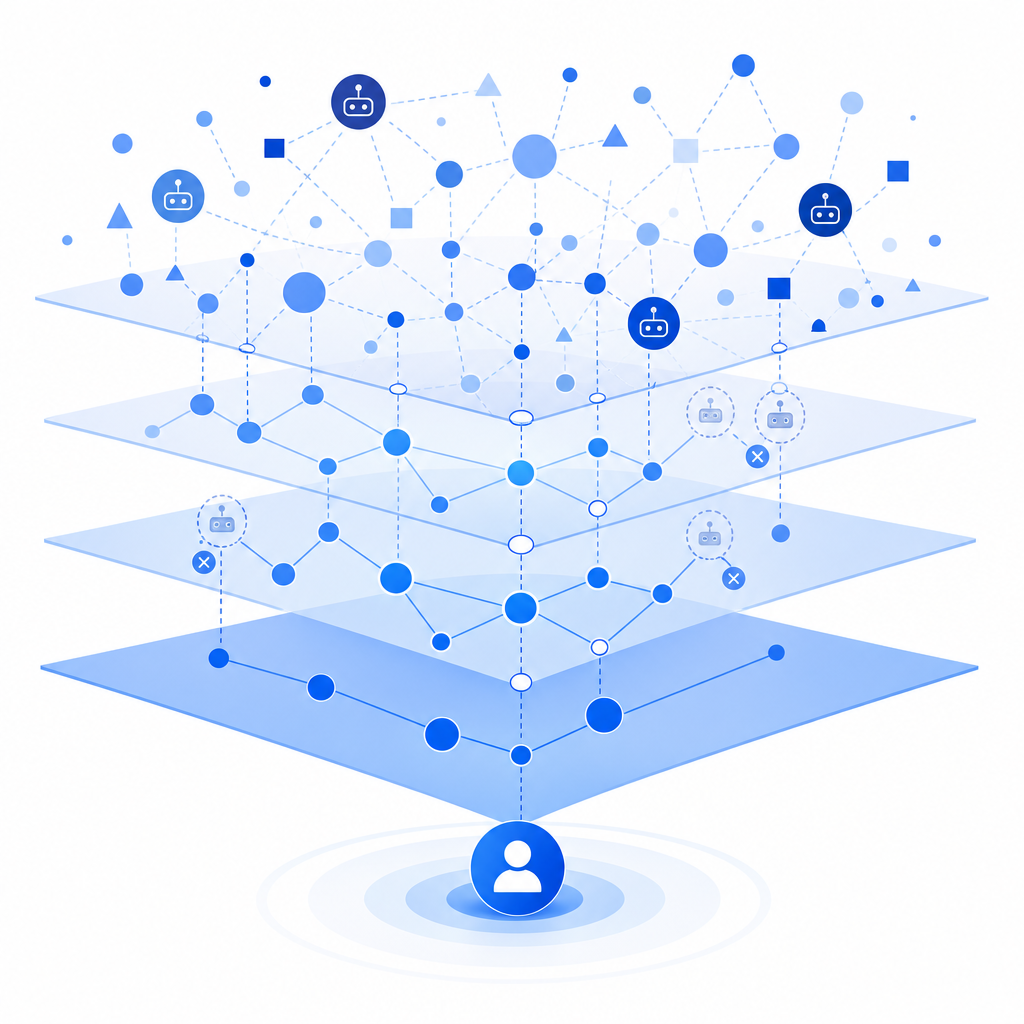
Anti bot protection is not simply about blocking all automated traffic. Bots powering search engines or social media integrations can be beneficial. Effective anti bot systems aim to allow legitimate automation while stopping harmful bots. Techniques involve verifying human presence or detecting suspicious patterns to prevent fraud, spam, credential stuffing, and data scraping.
Common vectors targeted by anti bot measures include:
- Signup and login forms
- E-commerce checkout pages
- Comment and review sections
- API endpoints
Each vector requires tailored strategies to balance user experience with risk prevention.
Key Components of Modern Anti Bot Solutions
Behavioral Analysis
Behavioral analysis examines interaction patterns such as mouse movement, typing speed, scrolling, and timing between actions to assess whether behaviors resemble humans or bots. Machine learning can help build profiles that evolve alongside new bot tactics.
Challenge-Response Tests
Traditional CAPTCHAs (Completely Automated Public Turing tests to tell Computers and Humans Apart) remain widely used challenges—users prove they are human by solving puzzles or identifying images. However, overusing these challenges can frustrate genuine users, so adaptive systems present challenges only when a risk threshold is exceeded.
Risk and Reputation Scoring
Risk scoring engines analyze the context of each interaction—IP reputation, device fingerprinting, request frequency—to assign a risk level. High-risk sessions may be blocked or challenged, while low-risk users proceed without interruption.
Integration with Server-Side Validation
Anti bot protections often combine client-side detection with server-side validation APIs. For example, validating tokens or challenge results on the server ensures bots cannot bypass protections by skipping client checks.
Comparison of Popular Anti Bot Tools
| Feature | CaptchaLa | reCAPTCHA | hCaptcha | Cloudflare Turnstile |
|---|---|---|---|---|
| Challenge Types | Image & behavior-based, customizable | Image selection, checkbox | Image selection | Invisible, minimal UI |
| SDKs & Language Support | Web (JS/Vue/React), iOS, Android, Flutter, Electron | Web, Android, iOS | Web, Android, iOS | Web-centric |
| Server Validation | Yes, documented API endpoints | Yes | Yes | Yes |
| Privacy Focus | First-party data only, no third-party trackers | Google data collection | Privacy-focused, GDPR-compliant | Privacy-focused |
| Pricing | Free tier + Pro and Business tiers (scalable usage) | Free | Free + Enterprise | Included with Cloudflare services |
All major providers offer reliable bot detection but differ on customization, privacy, and ecosystem integrations. CaptchaLa stands out with broad SDK support and transparent API validation.
Implementing Anti Bot Protection Effectively
For web developers and security teams, here’s a practical approach to deploying anti bot protection:
- Identify high-risk entry points: Focus on forms, APIs, and actions most abused by bots.
- Choose appropriate challenge levels: Use invisible or low-friction methods for most users; challenges only when risk is detected.
- Integrate server-side validation: Verify tokens issued by your anti bot system to ensure authenticity.
- Monitor and tune over time: Analyze logs and metrics to adjust thresholds, reducing false positives and negatives.
- Consider user experience: Balance security layers with smooth usability—excessive friction harms legitimate user conversions.
Here’s a simple example of how server-side validation with CaptchaLa might look in pseudocode:
// Validate CaptchaLa token on server
function validateCaptcha(passToken, clientIp) {
  // POST to CaptchaLa validation endpoint with tokens and client IP
  response = httpPost("https://apiv1.captcha.la/v1/validate", {
    pass_token: passToken,
    client_ip: clientIp
  }, headers = {
    "X-App-Key": YOUR_APP_KEY,
    "X-App-Secret": YOUR_APP_SECRET
  })

  if response.status == 200 and response.body.success == true {
    return true  // Passed anti bot check
  } else {
    return false  // Validation failed or bot suspected
  }
}
Why Choose CaptchaLa for Anti Bot Protection?
CaptchaLa offers multi-platform SDKs including JavaScript variants (Vue, React), native mobile (iOS, Android, Flutter), and server SDKs (PHP, Go). This flexibility lets teams apply consistent anti bot logic across web, mobile apps, and backend services.
Using first-party data means CaptchaLa avoids third-party trackers, strengthening privacy compliance. The free tier supports up to 1000 validations monthly, which is suitable for smaller projects or testing. Larger projects can leverage scalable pricing plans with up to 1 million validations per month.
Whether you prefer image challenges or invisible bot detection, CaptchaLa’s documentation (docs) provides clear guidance on integration and best practices, making it straightforward for developers to implement.
Conclusion
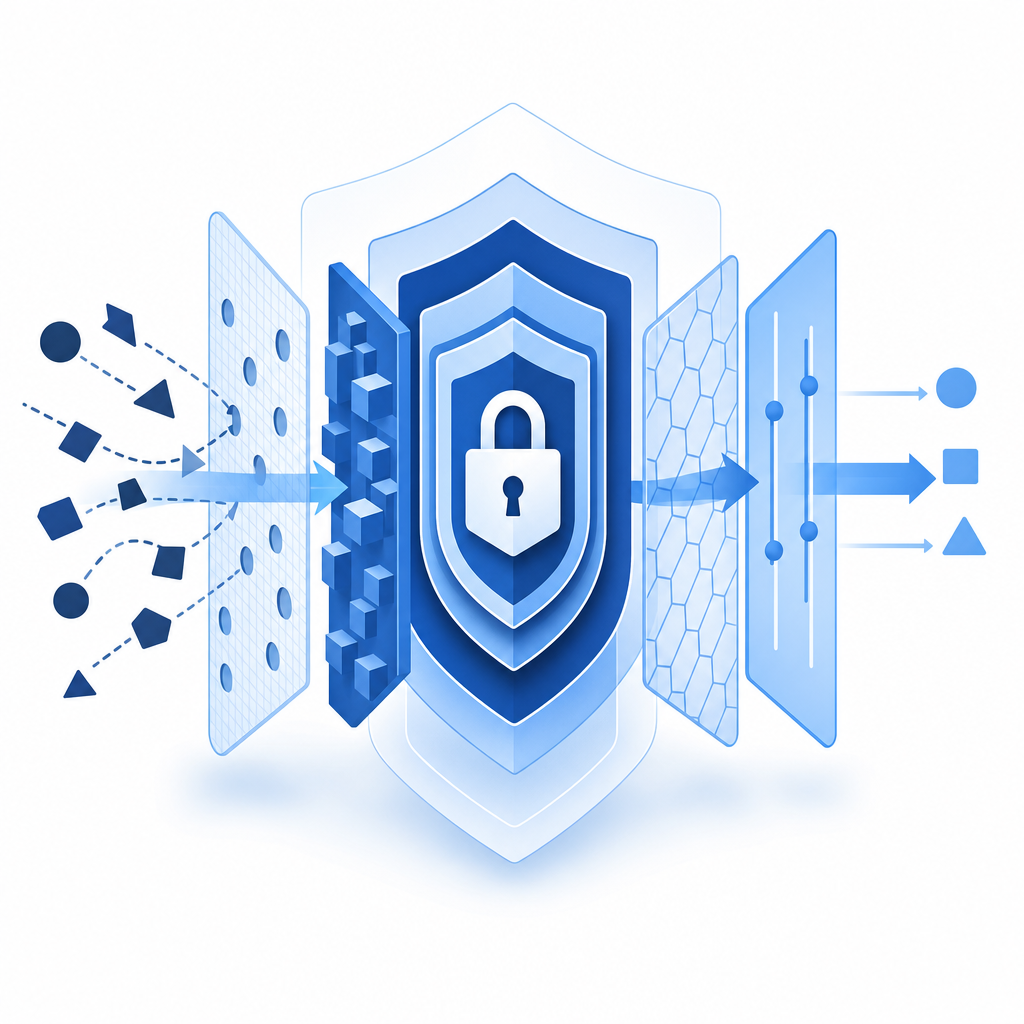
Anti bot protection is an essential layer of website security that prevents fraud, abuse, and service degradation caused by malicious automation. Combining behavioral analysis, challenge-response tests, risk scoring, and server-side validation provides a balanced approach to identify and stop bots while preserving legitimate user experience.
Various solutions exist—from Google reCAPTCHA to hCaptcha and Cloudflare Turnstile—each with distinct trade-offs regarding privacy, customization, and ecosystem integration. CaptchaLa positions itself as a flexible, privacy-conscious option with wide platform support.
For those interested in evaluating and adopting anti bot defenses, exploring CaptchaLa's pricing and technical documentation is a great next step.
Where to go next? Check out CaptchaLa’s documentation to dive deeper and see how to add robust anti bot protection tailored to your needs.