
Anti bot Minecraft protection is about stopping automated joins, chat spam, account farming, and scripted abuse without turning your server into a waiting room for real players. The goal is simple: make bots expensive to run and easy to spot, while keeping the legit player experience fast and familiar.
Minecraft servers get targeted because they’re public, high-traffic, and easy to script against. Attackers often automate connection bursts, alt account creation, spam messages, login attempts, and queue abuse. If your only defense is rate limiting, bots can still creep through in small numbers and cause real damage over time. A good defense stack combines challenge issuance, server-side validation, and policy decisions based on behavior, IP reputation, and request patterns.
What anti bot Minecraft protection should actually stop
A lot of server owners think of bot defense as one thing, but in practice it’s several problems at once. Minecraft environments commonly face:
- Connection floods that try to overwhelm the login or proxy layer.
- Chat and command spam from disposable accounts.
- Alt farms that create low-value accounts at scale.
- Queue manipulation, where bots reserve slots or trigger retries.
- Join-delay abuse that causes real players to time out or get stuck.
The important part is not just blocking obvious scripts. It’s stopping low-and-slow abuse too. A bot that joins every 30 seconds can still skew analytics, inflate moderation workload, and waste infrastructure. That’s why anti bot Minecraft tooling needs more than simple IP throttling.
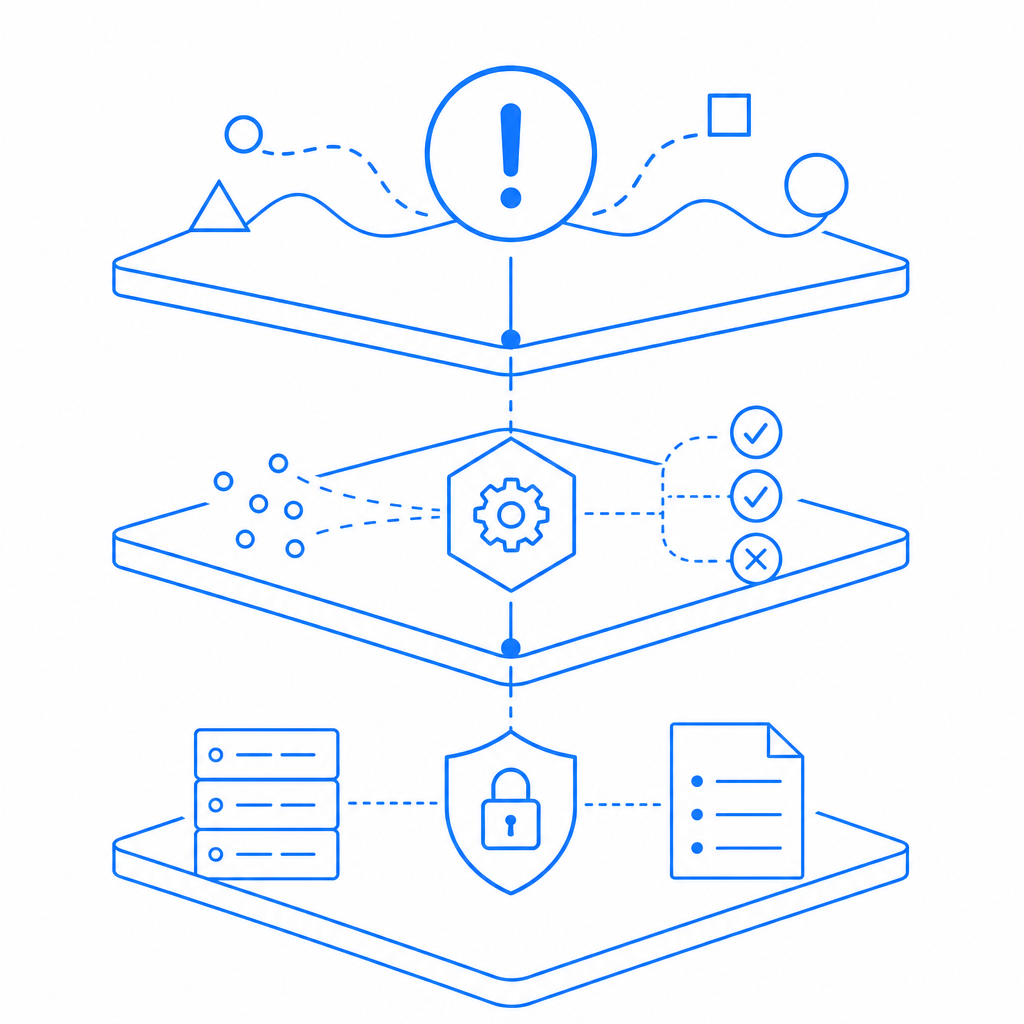
A solid approach usually has three layers:
- Challenge before trust: show a lightweight check when risk is elevated.
- Server-side validation: verify the result on your backend, not in the client alone.
- Adaptive policy: only challenge when behavior suggests automation.
This keeps the response proportional. Trusted players move through quickly. Suspicious sessions get extra scrutiny.
How to design defenses without annoying real players
The best Minecraft anti-bot systems reduce friction for normal users. That means deciding when to challenge, what to validate, and how to fail safely.
Practical signals worth using
You do not need to overcomplicate it, but you do need a few useful signals:
- Join frequency per IP and per subnet
- Number of failed joins or disconnect retries
- Time between session creation and action
- Repeated username patterns
- Geographic anomalies versus your player base
- Burst behavior across proxies or relays
These signals are useful because they help you challenge only when something looks off. If every player sees a challenge every time, you just trade bot abuse for player frustration.
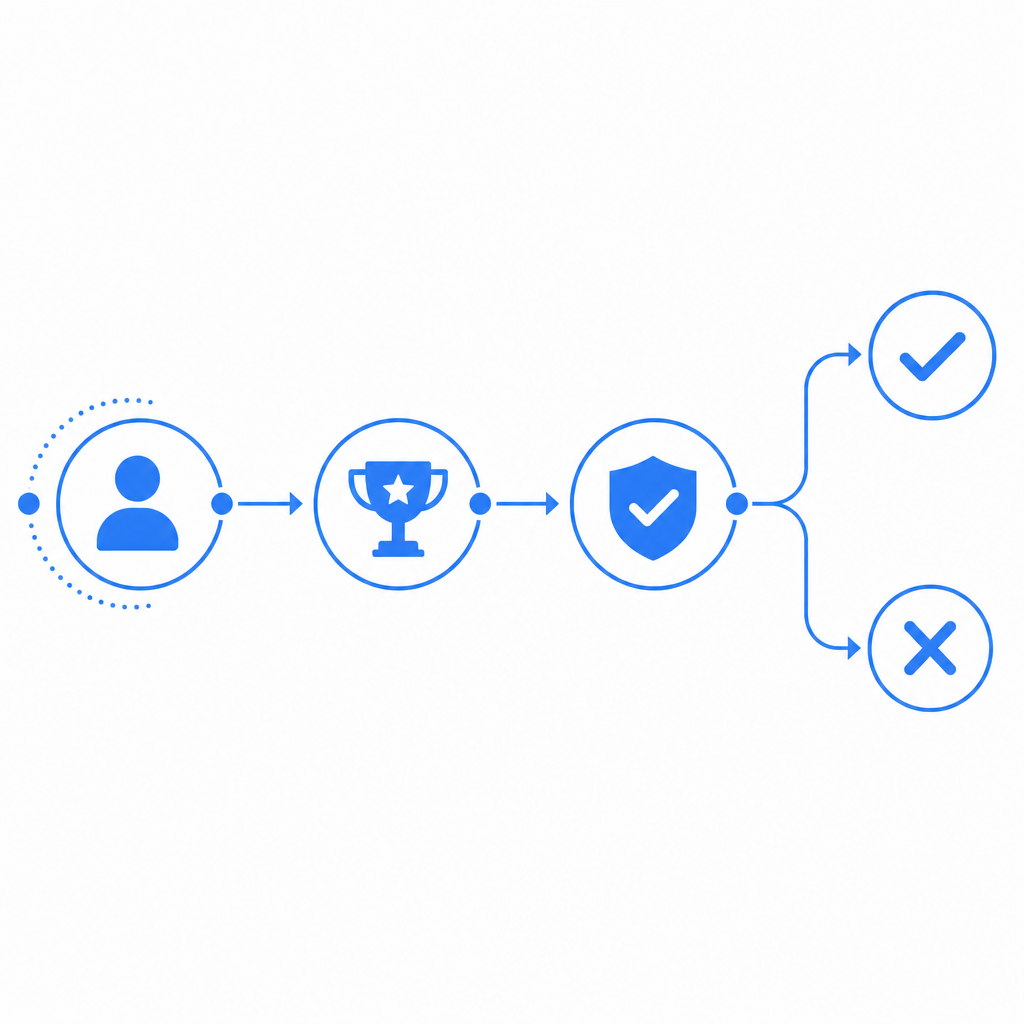
A simple decision flow
Here is a practical flow you can adapt:
1. Player attempts to join.
2. Proxy or backend checks risk score.
3. If risk is low, allow immediately.
4. If risk is medium or high, issue a challenge token.
5. Player completes the challenge.
6. Backend validates the pass token server-side.
7. If validation succeeds, allow the session.
8. If validation fails, deny or throttle.
That pattern works well because the challenge is not the decision itself. The decision happens when your backend verifies the token and applies your policy.
If you are looking for a general-purpose CAPTCHA layer that can fit into this kind of flow, CaptchaLa supports web and mobile clients plus backend validation, which makes it easier to keep the trust decision on your own server.
Comparing common bot-defense options for Minecraft ecosystems
Minecraft deployments vary a lot. Some use a web dashboard for account creation, others sit behind proxies like Velocity or BungeeCord, and some protect companion apps or launchers too. Here’s a quick comparison of how the common options tend to fit.
| Option | Strengths | Tradeoffs | Good fit |
|---|---|---|---|
| reCAPTCHA | Familiar to many users, widely supported | Can feel heavy, sometimes more visible friction | Web forms, account signup |
| hCaptcha | Strong anti-abuse focus, straightforward challenge flow | Can still add friction depending on risk level | Login, registration, abuse-prone forms |
| Cloudflare Turnstile | Low-friction user experience, easy to deploy on web | Mostly web-oriented, not a full game-server defense by itself | Landing pages, auth pages |
| Custom rules only | Full control, no third-party dependency | Easy to miss evolving bot patterns | Small setups, internal tools |
| Server-backed challenge system | Verifiable, adaptable, harder to fake | Requires integration work | Game launchers, portals, high-abuse flows |
For Minecraft specifically, the best choice often depends on where the abuse happens. If the problem is on a website tied to the server, a web CAPTCHA can be enough. If the issue is account or launcher abuse, you want a flow that can validate on the server side and return a token your backend trusts.
CaptchaLa’s server validation endpoint is designed for that pattern: POST https://apiv1.captcha.la/v1/validate with pass_token and client_ip, authenticated using X-App-Key and X-App-Secret. That keeps the final decision on your side instead of relying only on client-side signals.
Integration details that matter in real deployments
For anti bot Minecraft work, integration quality matters more than flashy challenge design. A few practical details can save you a lot of headaches.
Client coverage
CaptchaLa supports multiple client environments:
- Web: JS, Vue, React
- iOS and Android
- Flutter and Electron
It also offers native SDKs and package options that can help if you have a companion app or launcher workflow. Published package references include:
- Maven:
la.captcha:captchala:1.0.2 - CocoaPods:
Captchala 1.0.2 - pub.dev:
captchala 1.3.2 - Server SDKs:
captchala-php,captchala-go
For many Minecraft projects, that flexibility is useful because the abuse surface often spans multiple entry points: website, launcher, account portal, and support flows.
Challenge issuance and validation
A common pattern is:
- Your backend decides the session is risky.
- It requests a server-token challenge with
POST https://apiv1.captcha.la/v1/server/challenge/issue. - The client completes the challenge.
- Your backend validates the pass token with the validate endpoint.
- Your proxy or app grants access only if the validation succeeds.
That sequence is important because it avoids trusting the browser or launcher alone. It also means you can apply different policies based on the path the user took.
Minimal backend sketch
<?php
// English comments only

$payload = [
  "pass_token" => $_POST["pass_token"],
  "client_ip" => $_SERVER["REMOTE_ADDR"]
];

$ch = curl_init("https://apiv1.captcha.la/v1/validate");
curl_setopt($ch, CURLOPT_POST, true);
curl_setopt($ch, CURLOPT_POSTFIELDS, json_encode($payload));
curl_setopt($ch, CURLOPT_HTTPHEADER, [
  "Content-Type: application/json",
  "X-App-Key: YOUR_APP_KEY",
  "X-App-Secret: YOUR_APP_SECRET"
]);
curl_setopt($ch, CURLOPT_RETURNTRANSFER, true);

$response = curl_exec($ch);
curl_close($ch);

// English comments only
// If validation succeeds, allow the session.
// Otherwise, deny or require a retry.
Keep the secret keys on the server, never in the client. Also, use the client IP you actually trust at the edge of your stack; if you sit behind a proxy, normalize that carefully so you are not validating the wrong address.
Operational tips for keeping bots out and players in
The most effective anti bot Minecraft setups are the ones you can maintain. A few operational choices make a big difference:
- Start with a free tier test on low-risk endpoints, then expand.
- Challenge only when risk rises, not on every join.
- Log both challenge success and failure so you can tune thresholds.
- Whitelist internal staff and trusted automation.
- Watch for bot adaptation after each policy change.
If you need volume estimates, it helps to map them before you commit. CaptchaLa’s published tiers include a free tier at 1,000 monthly requests, Pro at 50K–200K, and Business at 1M. That range is useful if you are protecting a small community first and then scaling toward a larger network.
One more thing: keep your data flow simple. First-party data only is usually easier to explain to players, easier to secure, and easier to audit later. That matters if your Minecraft stack includes account creation, moderation tools, or a launcher login.
Conclusion: make bots pay, not players
Anti bot Minecraft defense works best when it is selective, server-verified, and easy for legitimate players to pass. Focus on risky joins, validate on the backend, and use challenge systems as a gate only when behavior warrants it. If you are building or tightening that flow, start with the implementation notes in the docs or review the pricing page to match your traffic needs.