
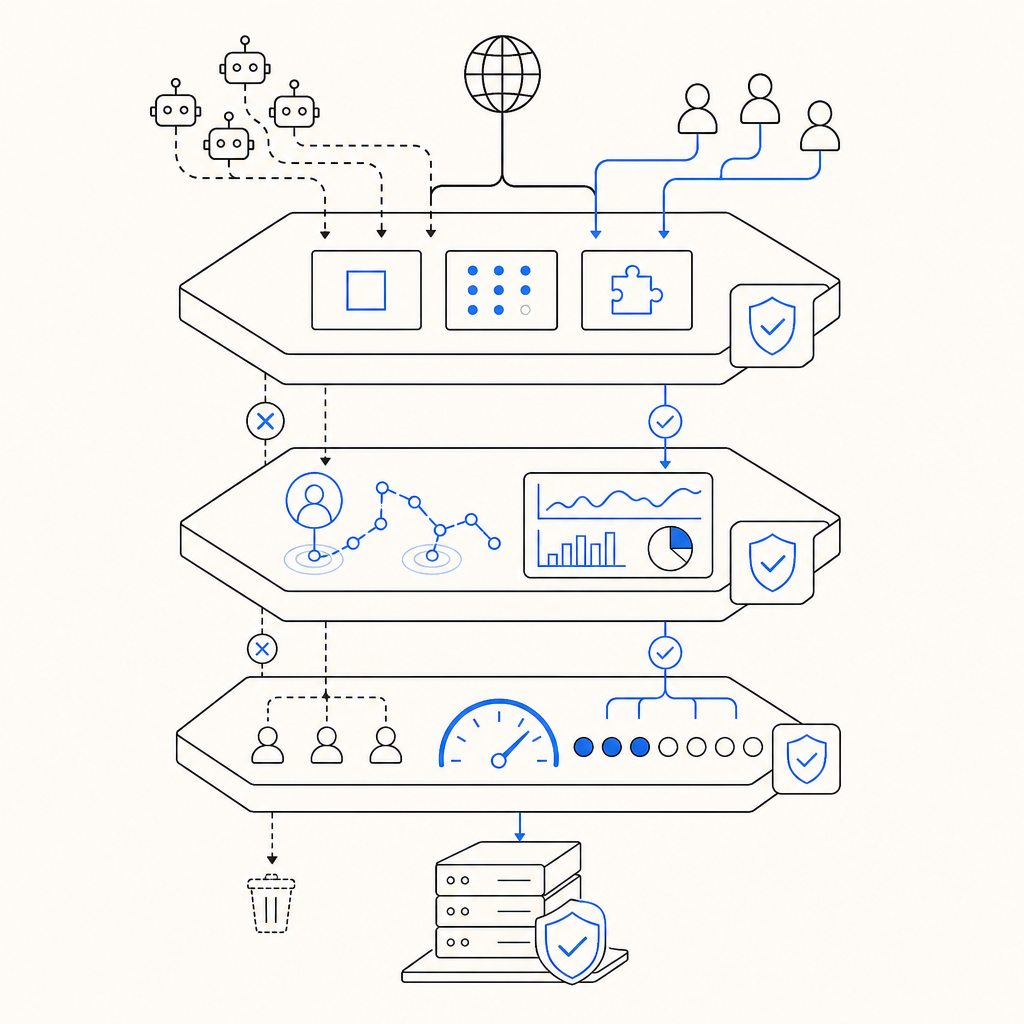
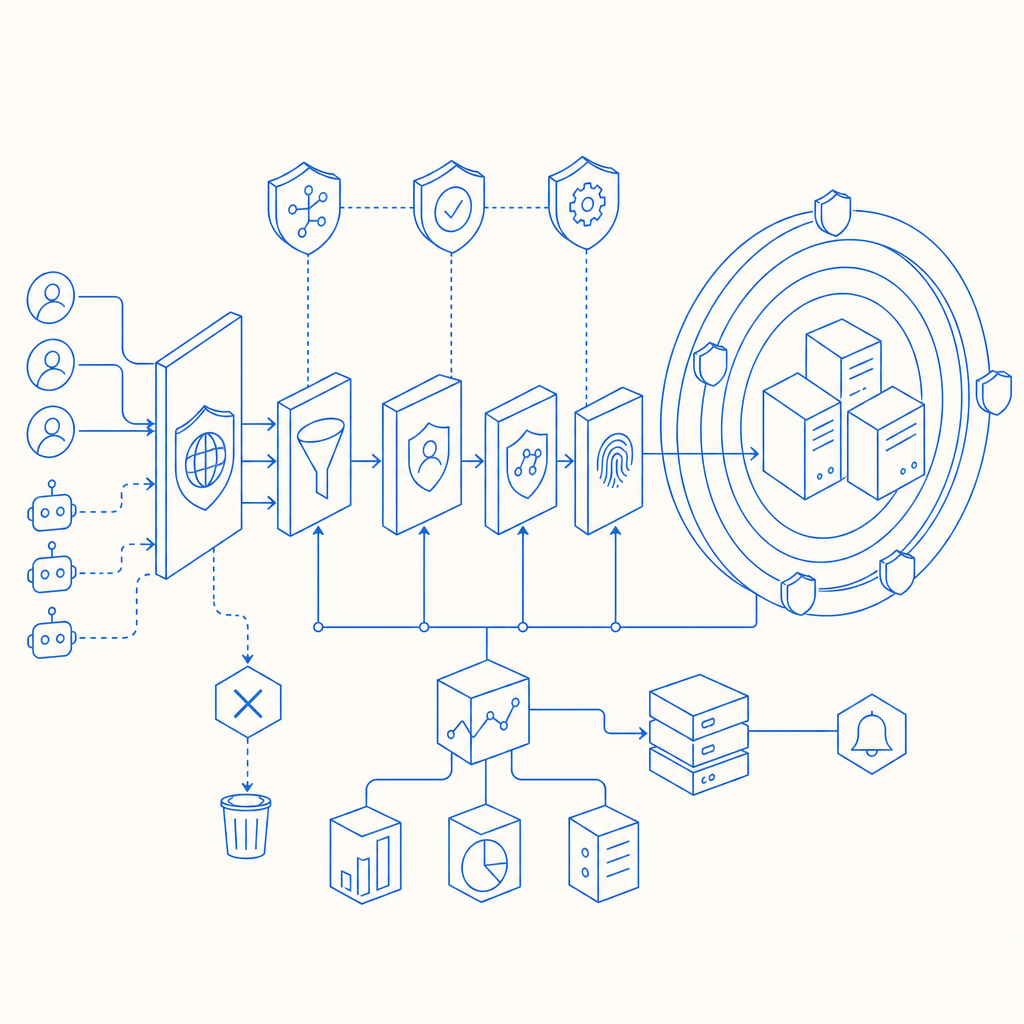
An anti bot loadout is a carefully chosen set of tools and strategies designed to detect, block, and mitigate automated bot attacks effectively. It’s not just about deploying a CAPTCHA or two; it’s about layering defenses that handle a variety of bot tactics, from simple scripts to sophisticated bots mimicking human behavior. To protect digital assets, websites, and applications, building an optimal anti bot loadout involves combining proven challenges, risk analysis, real-time monitoring, and adaptive responses.
Why You Need a Comprehensive Anti Bot Loadout
Bots are no longer simple nuisances running basic scripts. Modern bots use sophisticated evasion techniques, including IP rotation, behavioral mimicry, and session hijacking. Thus, a single security tool isn’t enough—bot defense demands a coordinated loadout of detection and prevention measures that work in concert.
An effective anti bot loadout helps you:
- Reduce false positives while accurately blocking malicious traffic
- Protect user experience with frictionless challenges when possible
- Adapt dynamically to emerging threats and attack patterns
- Gain actionable insights with real-time analytics and logs
Core Components of an Anti Bot Loadout
1. Adaptive CAPTCHA Challenges
CAPTCHA remains a foundational element for bot defense, but the choice of CAPTCHA solution is critical. Anti bot loadouts now use CAPTCHAs that are adaptive—offering challenges only when risk metrics surpass a threshold. This reduces unnecessary friction for legitimate users.
For example, CaptchaLa offers native SDKs for web frameworks (JavaScript, Vue, React) and mobile platforms (iOS, Android, Flutter) enabling seamless integration. CaptchaLa challenges can be triggered client-side or server-side, with flexible validation via secure API endpoints. This flexibility allows for adaptive challenge issuance tailored to session risk scores.
2. Behavioral Analysis and Fingerprinting
Behavioral analytics examines user interactions like mouse movements, typing speed, scrolling patterns, and session consistency to distinguish humans from bots. Fingerprinting gathers device and browser data points that, combined with behavior, form a unique user profile.
Combining CAPTCHA with behavioral data reduces false positives and helps challenge users only when something deviates from normal patterns—key to a user-friendly anti bot strategy.
3. Rate Limiting & IP Reputation
Rate limiting constrains the number of requests from an IP or user in a given timeframe, preemptively blocking volumetric attacks or credential stuffing. IP reputation services help identify known malicious IPs or botnets and block them outright or escalate challenge rates.
4. Server-Side Validation and Challenge Issuance
An anti bot loadout must validate client challenges quickly and securely on the server side. CaptchaLa provides RESTful APIs to validate tokens and issue challenges using signed server tokens. This approach mitigates tampering risks and simplifies integration in backend environments with PHP, Go, or other languages.
Comparing Popular CAPTCHA Solutions for Your Loadout
| Feature | reCAPTCHA | hCaptcha | Cloudflare Turnstile | CaptchaLa |
|---|---|---|---|---|
| Challenge Types | Image, Checkbox | Image, Checkbox | Invisible, minimal UI | Flexible, adaptive, multiple UI languages |
| Privacy Focus | Google data collection | Third-party data sharing | Privacy-focused, no tracking | First-party data only, GDPR compliant |
| Server SDKs | Limited, mainly client | Limited | Limited | Java, PHP, Go SDKs, many platforms |
| Pricing | Free / Enterprise | Free / Paid plans | Included with Cloudflare | Free tier + tiered plans; fair usage |
| Integration Flexibility | Web-focused | Web, some mobile | Web-focused | Extensive Web & native SDKs (iOS, Android, Flutter, Electron) |
Each option has merits depending on your project needs. For example, Cloudflare Turnstile favors privacy and minimalist UX, while CaptchaLa’s broader SDK support and adaptive challenge issuance allow deeper customization in complex environments.
Technical Specifics: Building Your Loadout Step-By-Step
- Choose a CAPTCHA framework: Select one that fits your platform and privacy needs. Integrate with native SDKs to minimize development overhead.
- Configure adaptive challenge triggers: Use risk scoring based on behavior, IP reputation, and traffic patterns to decide when to serve CAPTCHA.
- Implement server-side token validation: Ensure cryptographically secure validation to prevent client-side manipulation.
- Add rate limiting: Use API gateways or firewalls to throttle suspicious traffic volumes.
- Set up behavioral analytics: Integrate third-party or custom monitoring for mouse, keyboard, and device characteristics.
- Monitor and tune: Continuously analyze logs and adjust thresholds to reduce false positives without compromising security.
Sample Server Validation Code Snippet (Pseudo code)
# Pseudo code for server-side CAPTCHA token validation

def validate_captcha(token, client_ip):
    api_url = "https://apiv1.captcha.la/v1/validate"
    headers = {
        "X-App-Key": YOUR_APP_KEY,
        "X-App-Secret": YOUR_APP_SECRET
    }
    body = {
        "pass_token": token,
        "client_ip": client_ip
    }
    response = http_post(api_url, headers, body)
    if response.status_code == 200 and response.json().get("success"):
        return True
    else:
        return False
This simple but secure validation step is key to confirming challenges passed by users truly originated from CAPTCHA challenges.
Final Thoughts on Building Your Anti Bot Loadout
No single tool can guarantee total bot protection. The strength of your anti bot loadout comes from combining multiple approaches: adaptive challenges, risk-based triggers, behavioral analysis, and rate limiting. Solutions like CaptchaLa provide the flexibility and multi-platform support to build these layers effectively while respecting user privacy and UX.
For those evaluating their options, consider key factors like SDK availability, privacy policies, pricing tiers, and ease of backend integration. CaptchaLa’s free tier (1,000 monthly validations) and scalable paid plans help you start small and grow with your needs.
If you’re ready to dive deeper, the CaptchaLa documentation offers detailed integration guides and API references. For pricing details tailored to your traffic volume, see the pricing page.
With a carefully crafted anti bot loadout, you can stay one step ahead of evolving bot threats and keep your platforms safe and reliable.
Where to go next? Explore how to integrate CaptchaLa SDKs into your app or website by visiting the developer docs or check out the pricing plans to find one that fits your scale.