
When choosing a CAPTCHA API, price is a crucial factor—but it’s not just about the cheapest option. Captcha API price typically depends on volume, usage tiers, and additional features. Expect pricing models that range from free tiers with limited requests to enterprise plans costing thousands monthly, with different providers offering various limits and capabilities. Understanding these pricing structures, and how they fit your use case, is key to smart bot defense budgeting.
What Determines Captcha API Price?
Captcha APIs are usually priced based on the number of "challenges" served, or validations performed. Below are key factors influencing pricing:
- Request Volume: Most providers bill by CAPTCHA solves or validations, often with stepwise tiers. High-volume users pay less per request as they scale.
- Type of CAPTCHA: Visual puzzles (image/audio) may cost more than invisible or simple token-based challenges.
- Security Level and Features: Advanced bot detection, adaptive challenges, analytics, and multi-language support can raise costs.
- Integration and SDK Support: Providers offering robust native SDKs and server libraries may justify higher prices with easier developer experience.
- First- vs Third-party Data Use: Some vendors charge more if you submit third-party data or use additional verification services.
For example, CaptchaLa offers a free tier for up to 1,000 validations monthly, then paid tiers starting at 50K to 200K solves for Pro users and up to 1 million for Business plans—all focused on first-party data usage. This helps keep costs predictable.
Comparing Popular Captcha API Providers by Price and Features
Here’s an objective snapshot of how CaptchaLa’s pricing and features stack up alongside some widely used alternatives like reCAPTCHA, hCaptcha, and Cloudflare Turnstile.
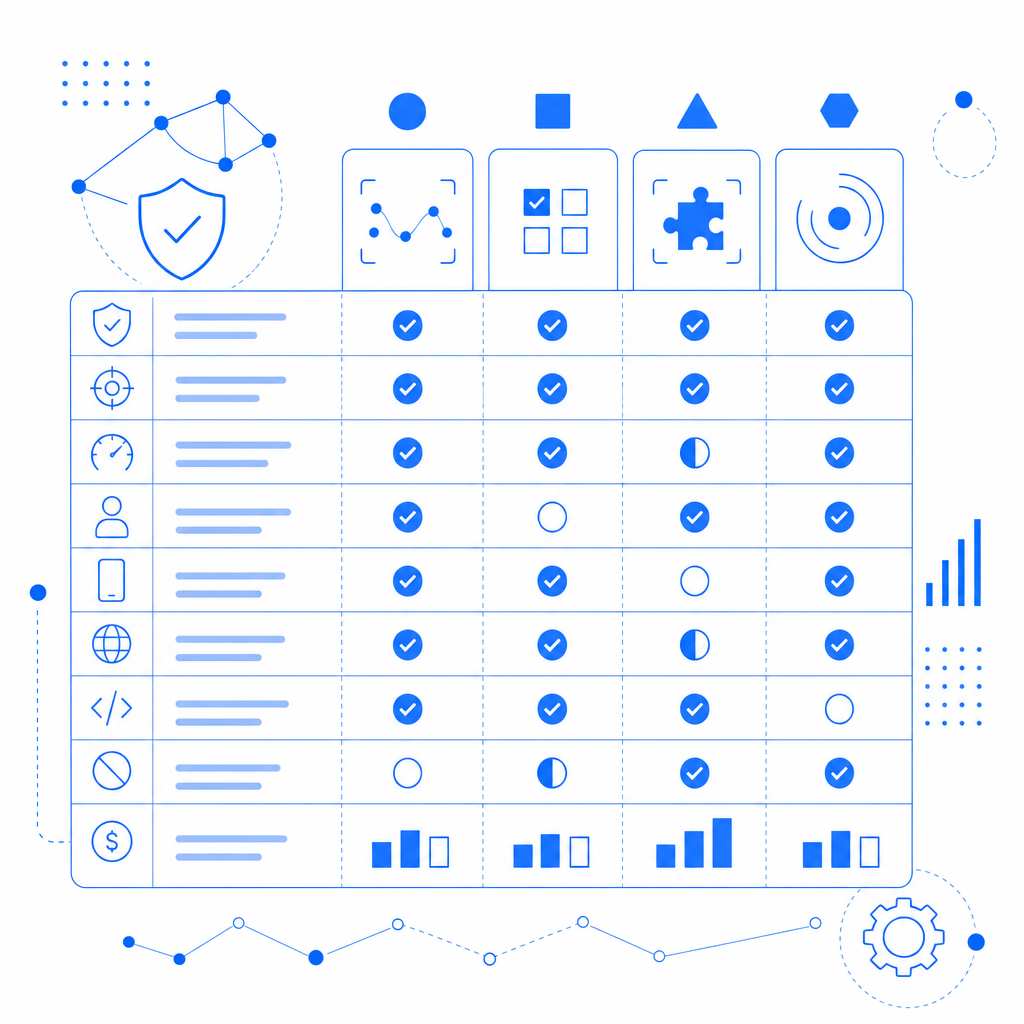
| Feature / Provider | CaptchaLa | reCAPTCHA (Google) | hCaptcha | Cloudflare Turnstile |
|---|---|---|---|---|
| Free Tier | 1,000 solves/month | Unlimited (limited features) | Free with paid tiers | Free with Cloudflare plan |
| Paid Tier Pricing | 50K-200K solves: scalable | Enterprise pricing varies | Pay per 1,000 solves | Included with Cloudflare |
| SDKs and Integrations | Native Web/iOS/Android/Flutter | JS-based client only | Multiple SDKs, APIs | JS loader, integrated CDN |
| Challenge Types | Visual + token-based | Image/audio puzzles | Visual, puzzles, invisible | Invisible token-based |
| Language Support | 8 UI languages | Limited multi-language | Multi-language supported | Limited |
| Data Privacy Focus | First-party data only | Google ecosystem | Third-party options | Cloudflare ecosystem |
| Server-side Validation API | Yes | Yes | Yes | Yes |
Each product’s price and features should be weighed against your security needs, development resources, and expected traffic. CaptchaLa’s transparent pricing and API-driven model can be advantageous for developers seeking control without heavy dependency on big tech ecosystems.
Technical Considerations Impacting Cost
When budgeting for a captcha API price, consider these technical details:
- Validation Frequency: Understand how often challenges are triggered for your users. Invisible or frictionless options reduce solves and costs.
- API Call Efficiency: Use batching or server-side token issuance (e.g., CaptchaLa’s
server/challenge/issueendpoint) to reduce wasted calls. - SDK Compatibility: Leverage native SDKs like CaptchaLa provides for Web (JS/Vue/React), mobile (iOS/Android/Flutter), or backends (php, go) for streamlined integration.
- Request Latency & CDN: Faster CAPTCHA loading via global CDNs can improve completion rates, indirectly reducing costs.
- Logging & Analytics: Some tools charge extra for detailed logs or bot analysis reports; check if included or add-on.
Here’s a brief example of how to validate a token with CaptchaLa’s API using a POST request:
// Example: Validate CAPTCHA token with CaptchaLa API
fetch("https://apiv1.captcha.la/v1/validate", {
  method: "POST",
  headers: {
    "Content-Type": "application/json",
    "X-App-Key": "your_app_key",
    "X-App-Secret": "your_app_secret"
  },
  body: JSON.stringify({
    pass_token: "user_captcha_token",
    client_ip: "user_ip_address"
  })
})
.then(response => response.json())
.then(data => {
  if (data.success) {
    // CAPTCHA passed; proceed
  } else {
    // CAPTCHA failed; handle accordingly
  }
});
Using native SDKs and libraries reduces complexity and ensures you only pay for valid challenge attempts.
How CaptchaLa’s Pricing Model Supports Developer Needs
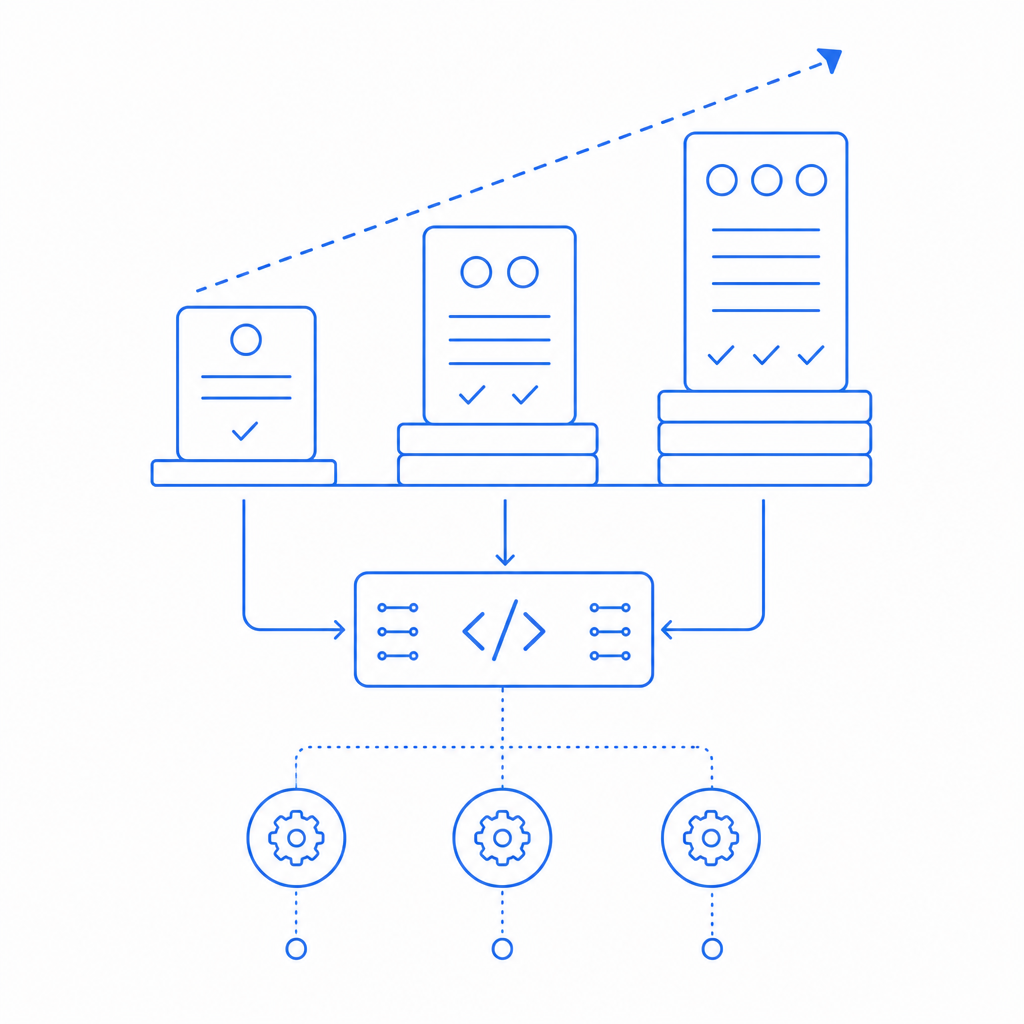
CaptchaLa focuses on providing scalable, transparent pricing without hidden fees or complicated tiers. Its free tier suits small projects or testing, while Pro and Business plans scale with your growth. Key benefits include:
- Predictable Monthly Costs: Clear price steps based on your challenge volume.
- First-party Data Only: Reduces privacy concerns and complexity compared to some competitors.
- Multi-platform SDKs: Support for Web, mobile, and backend frameworks simplifies integration and cost control.
- Server Validation and Challenge Issuance APIs: Fine-grained control over CAPTCHA distribution and verification reduces wasted calls and costs.
This model is designed so you can forecast expenses accurately while deploying robust bot defense.
Conclusion
Captcha API price varies widely based on provider, usage patterns, and technical needs. It’s important to look beyond just per-request cost by considering factors like SDK availability, data privacy, and token verification efficiency. Solutions such as CaptchaLa, with its clear pricing tiers, first-party data focus, and developer-friendly APIs, offer a practical balance between cost and capability.
When selecting your CAPTCHA provider, carefully analyze your expected traffic, security requirements, and integration environment. This ensures your chosen solution fits both your budget and technical goals.
For detailed pricing info and API documentation, check out CaptchaLa’s pricing page and docs. These resources will help you plan effectively for strong, cost-efficient bot defense.