
Anti bot detection solutions hosted on GitHub offer a variety of open-source tools and frameworks designed to identify and mitigate automated traffic and malicious bots. These projects provide developers with customizable libraries, scripts, and integrations that help detect suspicious behavior, reduce spam, and protect online resources from abuse. Whether you want to integrate a CAPTCHA challenge or analyze behavioral fingerprints, exploring these resources can help build stronger bot defenses tailored to your needs.
What Is Anti Bot Detection on GitHub?
GitHub hosts many repositories related to anti bot detection, covering a range of techniques from simple challenge-response tests to advanced machine learning bot classifiers. These projects typically fall into several categories:
- CAPTCHA solutions that verify human presence through puzzles.
- Behavior-based detection that tracks mouse movements, keystrokes, or timing anomalies.
- Fingerprinting libraries gathering browser and device details to spot bots.
- IP reputation and rate-limiting tools that throttle suspicious actors.
Developers use GitHub projects to avoid reinventing the wheel, or to customize features beyond what commercial services offer. These projects vary in maturity and complexity, with some providing ready-to-use SDKs, while others serve as proof of concept or research implementations.
How Do Anti Bot Detection GitHub Projects Compare?
| Feature | Open-Source GitHub Projects | Commercial Solutions (e.g. CaptchaLa, reCAPTCHA) |
|---|---|---|
| Setup Complexity | Often requires custom integration and tuning | Usually easier with SDKs and documented APIs |
| Customization | High, full source control | Limited to vendor parameters and available options |
| Maintenance | Community-driven, may lack updates | Vendor-maintained with security patches and upgrades |
| Accuracy | Varies widely based on algorithm and dataset | Generally tested and improved with large user base |
| Cost | Free but may require developer time | Tiered pricing, including free usage limits |
| Support | Community issues/PRs | Formal customer support and SLAs |
Open-source anti bot projects are ideal for those who want to deeply understand detection mechanisms or need tailored solutions but expect to invest in maintenance and development. Commercial offerings like CaptchaLa provide plug-and-play reliability with multi-platform SDKs, reducing time-to-production and operational overhead.
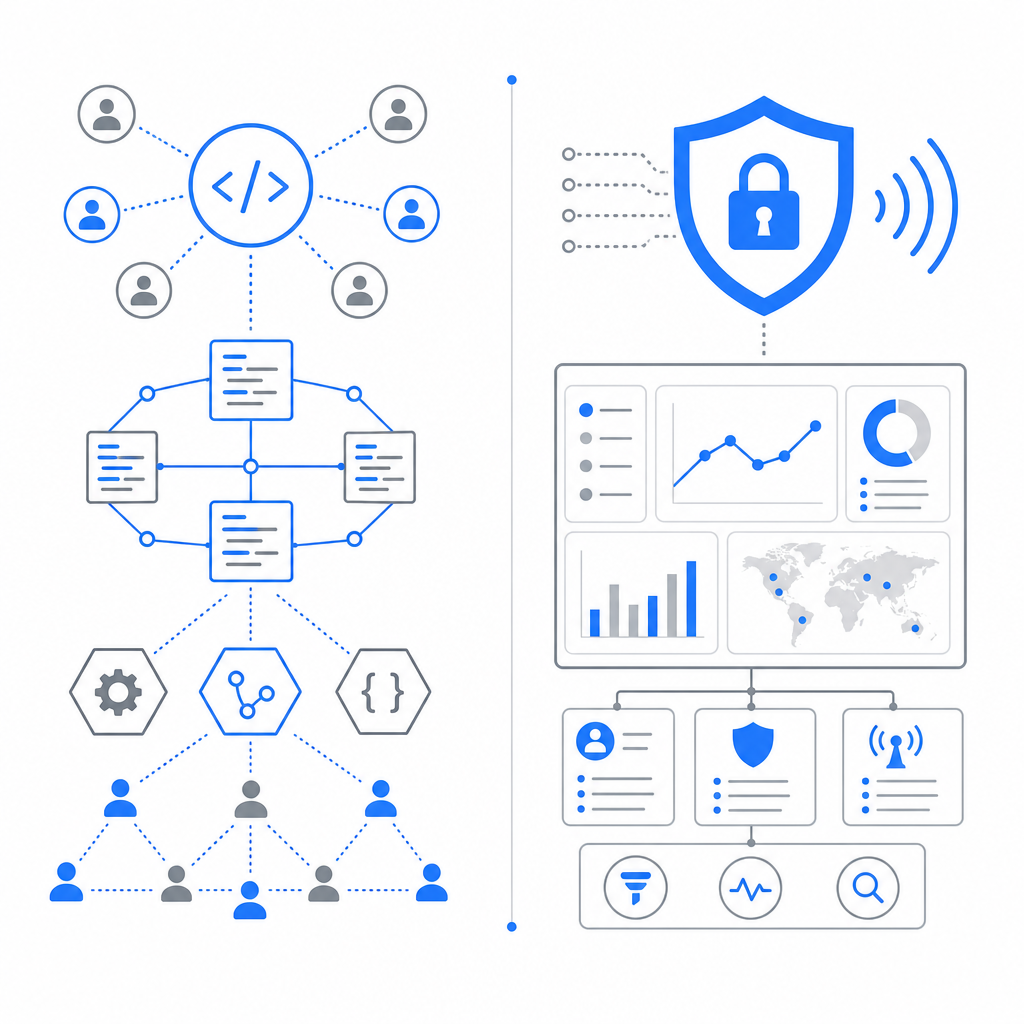
Popular Anti Bot Detection GitHub Projects and Their Approaches
Several notable GitHub repositories demonstrate common anti bot techniques:
Behavioral Analysis Libraries
Example: Projects analyzing mouse events, typing speed, and scroll patterns to distinguish bots from humans. These rely on heuristics that detect unnatural input sequences.
Fingerprinting Tools
Example: Libraries extracting browser attributes such as user agent, screen resolution, installed fonts, and WebGL data to generate a client fingerprint. Bots often have inconsistent or generic fingerprints compared to real users.
Challenge-Based Systems
Example: Open-source CAPTCHA solutions providing image, audio, or logic puzzles to challenge suspicious clients. Some integrate with machine learning to adapt puzzle difficulty based on risk scores.
Rate Limiting and IP Reputation Scripts
Example: Middleware setups for Express.js or NGINX that track request frequency, blacklisting IPs or triggering captchas after thresholds.
Developers can fork, customize, or combine these projects to build layered defense strategies. However, integrating core bot challenges into user workflows can be complex, requiring native SDKs and seamless UX—a niche CaptchaLa covers with SDKs for Web, iOS, Android, Flutter, and Electron.
How to Integrate Anti Bot Detection from GitHub Safely and Effectively
Implementing a GitHub-based anti bot detection system involves several steps:
- Evaluate the project’s maturity and community activity—check last update, issue responsiveness, and user feedback.
- Test its detection accuracy against your site’s traffic patterns to avoid false positives impacting real users.
- Combine multiple techniques (behavioral, fingerprinting, CAPTCHAs) for a layered approach.
- Implement client-side and server-side components securely—client SDKs gather data; servers validate tokens or process fingerprints.
- Use environment variables or configuration files to protect API keys or secrets in deployments.
- Monitor performance impact especially on load times or user interaction flow.
Example code snippet to validate CAPTCHA response server-side with CaptchaLa’s API:
// Node.js example using fetch to validate CAPTCHA token

const fetch = require('node-fetch');

async function validateCaptcha(passToken, clientIp) {
  const response = await fetch('https://apiv1.captcha.la/v1/validate', {
    method: 'POST',
    headers: {
      'Content-Type': 'application/json',
      'X-App-Key': process.env.CAPTCHA_APP_KEY,
      'X-App-Secret': process.env.CAPTCHA_APP_SECRET
    },
    body: JSON.stringify({ pass_token: passToken, client_ip: clientIp })
  });

  const result = await response.json();
  // result.success === true indicates human user verified
  return result.success;
}
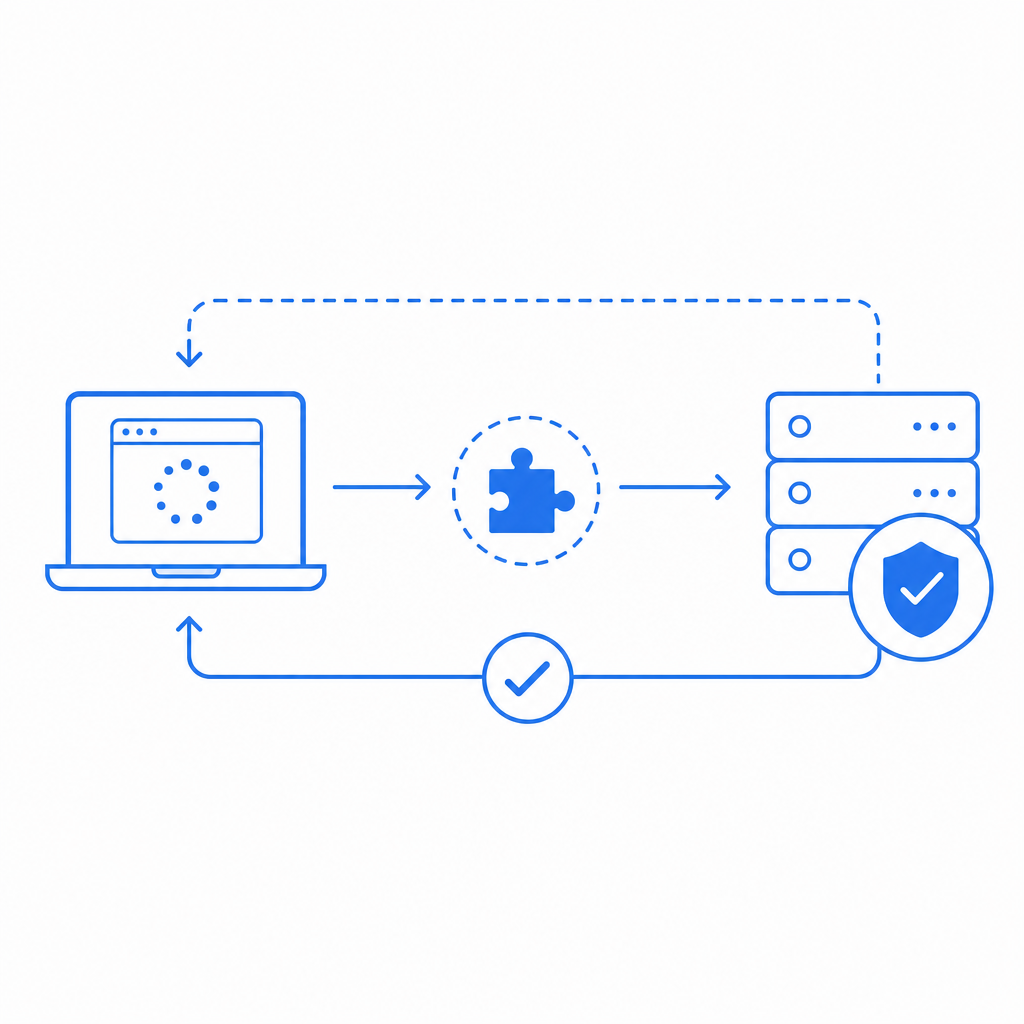
This example demonstrates how you might connect an open-source frontend challenge with a backend validation endpoint, a pattern common across many bot detection setups.
How CaptchaLa Fits Into the GitHub Anti Bot Ecosystem
While open-source projects are valuable, integrating with a platform like CaptchaLa allows developers to leverage:
- Multi-language support: 8 UI languages and native SDKs for major web frameworks and mobile platforms ease global deployment.
- Simple API validation: Server-side endpoints streamline token verification with secure authentication headers.
- Scalable tiers: Free and paid plans accommodate startups to enterprise-scale applications, with clear pricing at CaptchaLa Pricing.
- First-party data privacy: Avoids third-party user tracking, an important consideration for GDPR and other regulations.
Compared to competitors like Google reCAPTCHA, hCaptcha, or Cloudflare Turnstile, CaptchaLa provides an independent solution with straightforward documentation and compliance-focus, making it a flexible choice for teams wanting control without sacrificing ease of use.
Bringing anti bot detection projects from GitHub into your stack can be a powerful step toward protecting your applications. Whether you opt to customize open-source tools or rely on SDKs like CaptchaLa, combining detection strategies ensures defenses stay effective amid evolving bot tactics. For a smooth integration experience, explore our detailed docs or review plan options on our pricing page to find what suits your project scale.
Ready to take the next step? Visit CaptchaLa to explore starter guides and integration APIs today.